
Finding the ideal book shelf and toy storage combo for a nursery in the Philippines requires balancing accessibility, safety, and tropical climate durability. A well-designed dual-purpose storage unit organizes children’s books and toys while encouraging early literacy and independent cleanup. Because nursery spaces in local homes can range from compact condominiums to airy, high-ceilinged rooms, selecting furniture that maximizes vertical space without compromising safety is essential.
By consolidating books and toys into a single, cohesive unit, you can keep the nursery floor clear for crawling, playing, and safe movement. The right storage solution must withstand high humidity, support heavy board books, and remain completely stable even when curious toddlers attempt to climb it.
How to Choose the Right Book Shelf and Toy Storage Combo for Your Nursery
Selecting nursery furniture involves more than finding an attractive design that matches your decor. The physical development of your child, the layout of your home, and the local climate all play critical roles in determining which storage unit will serve your family best over the years.
Products mentioned in this guide
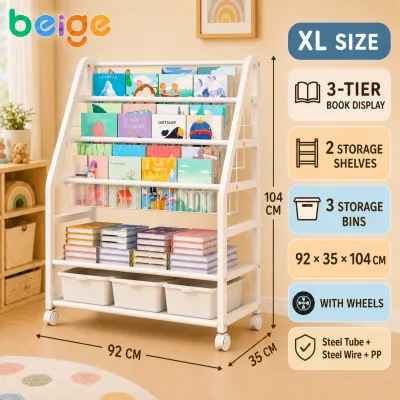
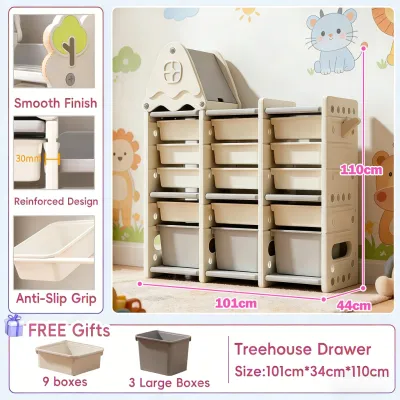
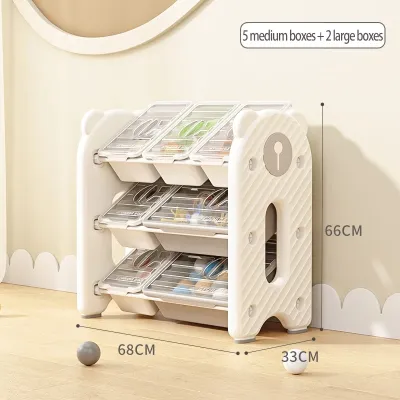
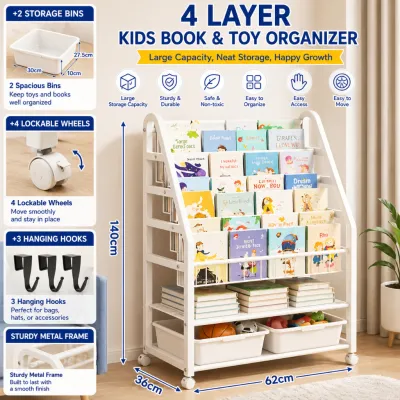
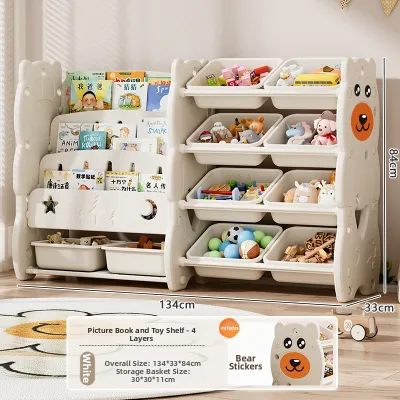
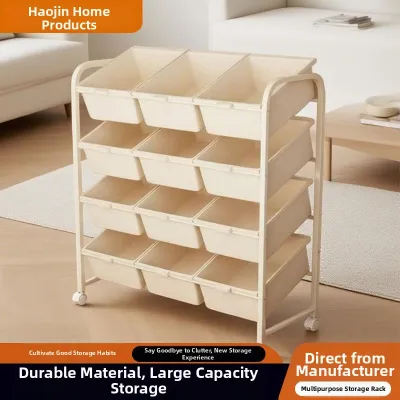
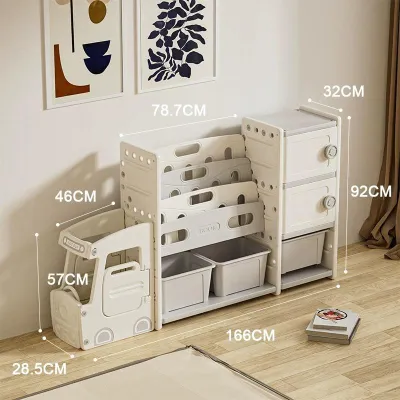
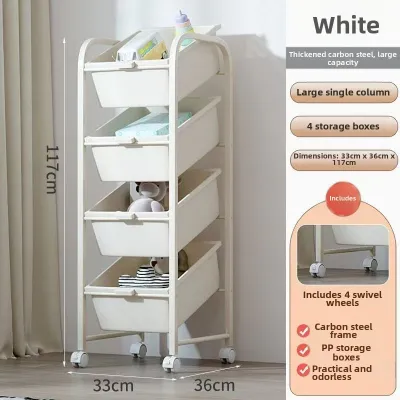
Prices are valid at publication and may change. Please refer to the product page for the latest price.
Prioritizing Stability and Weight Distribution The most critical safety feature of any nursery storage unit is its stability. Children naturally use furniture to pull themselves up when learning to stand, making top-heavy units highly dangerous. To prevent tipping, look for storage combos designed with a wide, low base that places the heaviest storage compartments at the bottom. When organizing the unit, always place heavy wooden toys, blocks, and large books on the lowest shelves, reserving the upper sections for lightweight plush toys or soft-cover books.
Verifying Safe Materials and Finishes Infants and toddlers frequently explore their environment with their mouths, meaning every surface in the nursery must be safe for close contact. Ensure that the storage combo features rounded corners and smooth, splinter-free surfaces to protect delicate skin from scratches. Look for products that explicitly state they use non-toxic, lead-free, and low-VOC (volatile organic compound) paints or water-based finishes. If you select plastic bins or components, verify that they are free from BPA, phthalates, and other harmful chemical additives.
Assessing Available Floor Space and Footprint Before purchasing any furniture, measure your nursery carefully to map out a clear layout. A good storage unit should fit comfortably against a flat wall without blocking doorways, electrical outlets, or air conditioning vents. Leave a generous amount of open floor space in front of the unit so your baby has room to crawl, sit, and play with their toys safely. In smaller Philippine condominiums or bedrooms, choosing a unit with a shallow depth—around 30 to 40 centimeters—can prevent the room from feeling cramped while still providing ample storage capacity.
Selecting Adaptable and Modular Features Your child’s storage needs will change rapidly during their first few years of life. An infant’s nursery requires space for soft sensory toys, rattles, and small board books, while a toddler’s room demands storage for large building blocks, puzzles, and full-sized picture books. Choosing a modular or adjustable storage combo allows you to reposition shelves, swap out small bins for larger baskets, or expand the system as your child’s collection grows. This adaptability ensures that your investment remains useful well into the preschool years, saving you the cost of replacing furniture prematurely.
Top Types of Dual-Purpose Storage Solutions for Nurseries
Different storage configurations suit different organizational styles and room layouts. Understanding the strengths and limitations of each design type will help you choose the best structure for your nursery.

Cube Storage Organizers with Fabric Bins
Cube storage organizers are highly popular for nurseries due to their clean lines, symmetrical layout, and exceptional versatility. These units feature a grid of square cubbies that can be left open to display colorful books or filled with removable bins to hide small toys.
Mixing Open Shelving with Concealed Bins The primary advantage of cube organizers is the ability to balance display space with concealed storage. You can place hardback books upright or stacked flat in the open cubes, creating an inviting, organized look that encourages reading. Meanwhile, loose items like plastic figures, teething toys, and building blocks can be swept into fabric, canvas, or woven rattan bins that slide neatly into the remaining cubes. This setup allows you to hide visual clutter instantly, maintaining a calm and peaceful nursery environment.
Modular Flexibility and Expansion Many cube organizers feature modular designs, allowing you to stack units vertically or arrange them horizontally along the floor depending on your space constraints. As your child grows and accumulates more belongings, you can easily add matching cubes or side-by-side units to expand your storage capacity. The standardized size of the cubes also makes it simple to swap out fabric bins for different colors or textures as you update the nursery’s design theme.
Weight Limits and Structural Anchoring While cube organizers are highly functional, they have specific structural limitations that parents must consider. Books are incredibly heavy when packed tightly together, and cheap particle-board cube units can sag or buckle under their weight over time. Always check the manufacturer’s specified weight rating for each individual cube shelf before filling it with heavy volumes. Additionally, because these units can become top-heavy when loaded with books, securing them to the wall with reliable anti-tip hardware is an absolute necessity.
Front-Facing Sling Bookshelves with Bottom Bins
Sling bookshelves feature fabric or wooden pockets that hold books facing forward, combined with open bins or drawers at the base for toy storage. This low-profile design is specifically engineered to support a child’s early developmental milestones.
Promoting Early Literacy and Independence Unlike traditional bookshelves that display only the spines of books, front-facing sling shelves showcase the full front covers. For infants and toddlers who cannot yet read words, visual cover recognition is the primary way they identify their favorite stories. This layout allows young children to easily spot, select, and retrieve books on their own, fostering a sense of independence and a love for reading. The soft fabric slings also make it easy for small, uncoordinated hands to slide books back into place without damaging the pages.
Accessible Bottom Storage for Toys The lower portion of a sling bookshelf combo typically features wide, open-top plastic bins or fabric drawers positioned close to the floor. This placement is ideal for storing everyday playthings like plush toys, wooden blocks, and shape sorters. Because these bins are completely open and sit at ground level, even crawling babies can reach inside to choose a toy, and toddlers can participate in simple cleanup routines by dropping items back into the bins when playtime is over.
Age Considerations and Height Limits Sling bookshelf combos are generally designed for children from infancy through early childhood, usually up to four or five years of age. The overall height of these units is kept low—typically under 80 centimeters—to ensure that all levels are within a toddler’s safe reach. However, because these units are lightweight and low to the ground, early walkers may attempt to use the fabric slings as handholds or ladder rungs to pull themselves up. Caregivers must closely supervise children around these shelves and ensure the unit is structurally sound and securely balanced.
Convertible Reading Benches with Hidden Storage
For smaller nurseries where floor space is at a premium, convertible reading benches offer an ingenious, space-saving solution. These multi-functional pieces of furniture combine a comfortable, kid-sized seat with integrated storage compartments.
Maximizing Space with Multi-Functional Furniture A reading bench serves three distinct purposes in a single footprint: a cozy seat, a bookshelf, and a toy chest. The main body of the bench typically features a hinged, lift-up seat that opens to reveal a deep, spacious compartment perfect for storing bulky items like large stuffed animals, blankets, or play mats. The sides or backrest of the bench are often fitted with narrow, built-in shelves or book ledges, keeping your child’s favorite reading materials within arm’s reach of their seating area.
Creating a Dedicated Reading Nook Integrating a seating area directly into your storage unit helps establish a dedicated, inviting reading nook in the nursery. Placing a soft cushion on top of the bench encourages your toddler to sit down and engage with books quietly. By keeping both the books and the seating in one designated spot, you minimize the spread of clutter across the room and create a cozy, defined zone that promotes focused quiet time and parent-child bonding during bedtime stories.
Verifying Hinge Safety and Pinch Guards If you choose a storage bench with a lift-up lid, safety must be your top priority. Standard toy box lids can slam shut unexpectedly, posing a severe risk of pinching small fingers or trapping a child’s hands. Always verify that the bench is equipped with safety lid supports, slow-close hinges, or tension dampers that prevent the lid from falling shut on its own. Alternatively, look for designs with open cubbies beneath the bench seat that utilize sliding drawers or bins instead of a hinged lid, completely eliminating the risk of finger-pinch injuries.
Safety and Maintenance Checklist for Nursery Furniture
Ensuring the long-term safety and durability of your nursery storage requires regular upkeep, especially when dealing with the unique environmental conditions of a tropical climate.
Securing Units with Anti-Tip Hardware In the Philippines, many residential walls are constructed from concrete hollow blocks or solid concrete rather than drywall. This structural difference means that standard plastic self-drilling drywall anchors included in imported furniture kits are often inadequate. To properly secure your book shelf and toy storage combo, you must use high-quality masonry wall plugs (commonly known locally as tox screws) or concrete sleeve anchors. Use a hammer drill with a matching masonry bit to secure the anti-tip straps directly into the concrete wall or structural studs, ensuring the unit cannot tip forward under any circumstances.
Conducting Routine Hardware Inspections Nursery furniture experiences constant movement, pulling, and daily wear, which can cause assembly hardware to loosen over time. Establish a routine maintenance schedule—such as on the first weekend of every month—to inspect your storage units. Use a screwdriver or hex key to check and tighten all screws, bolts, wooden dowels, and joint connectors. If you notice any wobbling, structural instability, or loose parts, restrict your child’s access to the unit immediately until you can tighten the hardware or make the necessary repairs.
Mitigating High Humidity and Moisture Risks The tropical climate of the Philippines brings prolonged periods of high humidity, particularly during the wet monsoon season from June to November. Excess moisture in the air can cause cheap engineered wood or particle board to swell, warp, and lose its structural strength. To protect your nursery furniture, keep storage units positioned at least a few inches away from external concrete walls, which can hold dampness. Run a dehumidifier or use air conditioning during peak rainy periods to keep indoor humidity levels down, and place moisture-absorbing packets inside closed storage bins, ensuring they are kept completely out of your child’s reach.
Preventing Mold Growth on Fabric and Rattan Fabric storage bins and natural rattan baskets are highly susceptible to mold and mildew when exposed to stagnant, humid air. Regularly empty your storage bins to inspect the interiors and corners for any signs of dark spotting or musty odors. If mold is detected on fabric bins, wash them according to the manufacturer’s instructions or replace them entirely. For natural rattan or wicker baskets, wipe them down with a dry cloth and place them in a well-ventilated area with indirect sunlight to dry out completely, preventing mold spores from multiplying near your baby’s toys.
Using Baby-Safe, Non-Toxic Cleaning Methods To clean your storage combo, avoid harsh chemical disinfectants, bleach, or abrasive cleaners that can degrade the protective finish of the wood or leave behind harmful chemical residues. Instead, wipe down the surfaces daily with a soft microfiber cloth slightly dampened with warm water and a mild, baby-safe dish soap. For deeper cleaning, a gentle solution of equal parts water and white distilled vinegar can sanitize surfaces naturally. Always dry the furniture thoroughly with a clean, dry towel immediately after cleaning to prevent water spots and moisture absorption.
Where to Shop and What to Verify Before Buying
Purchasing nursery furniture in the Philippines involves navigating a wide variety of local physical boutiques and major online marketplaces. Knowing how to evaluate product listings and physical displays will help you make a safe, high-quality purchase.
Comparing Specifications and Dimensions When browsing ecommerce platforms or local retail websites, do not rely solely on product photos, which can often make items appear larger or sturdier than they are in reality. Always scroll down to the technical specifications to verify the exact height, width, and depth of the unit. Compare these dimensions against the measurements you took of your nursery floor space to ensure a perfect fit. If you are shopping in a physical store, bring a tape measure with you to verify the dimensions in person and test the unit’s stability by gently shaking it to check for wobbling.
Verifying the Inclusion of Anti-Tip Kits Never assume that a bookshelf or storage combo automatically includes the necessary wall-anchoring hardware. Carefully read the product description, package contents, or assembly manual to verify if an anti-tip kit is included in your purchase. If the manufacturer does not supply one, or if the included hardware is not suitable for your concrete walls, visit a local hardware store to purchase heavy-duty safety straps and appropriate masonry anchors before you begin assembling the furniture.
Checking Stated Load and Weight Limits Before finalizing your purchase, confirm the maximum weight capacity of each shelf, bin, and the overall unit. A shelf intended solely for lightweight toys may bend or break if loaded with heavy children’s storybooks. If the manufacturer does not clearly state the load limits on the product page or packaging, contact their customer service department to ask for clarification. Operating within the recommended weight limits prevents structural failure and extends the lifespan of your nursery furniture.
Looking for Recognized Safety Certifications High-quality nursery furniture often carries certifications indicating that the materials have been tested for safety and chemical emissions. Look for labels or manufacturer documentation mentioning standards such as GREENGUARD Gold (which tests for low chemical emissions), JPMA (Juvenile Products Manufacturers Association) certification, or compliance with EN71 (European toy safety standards) and ASTM International standards. While these certified products may carry a higher price tag, they provide peace of mind that the materials surrounding your baby are safe and non-toxic.
Frequently Asked Questions (FAQ)
At what age can a child safely use a front-facing sling bookshelf?
A child can begin interacting with a low-profile front-facing sling bookshelf as soon as they can sit up independently and crawl, which typically occurs between 6 and 9 months of age. At this stage, they can sit on the floor and reach for soft-cover books or board books placed on the lowest sling level under close caregiver supervision. Active, independent book selection and retrieval usually peak during the toddler years, from 12 to 36 months, when children can stand steadily and easily reach the upper tiers of the shelf. Always ensure the unit is securely anchored to the wall to prevent accidents as your child learns to stand and walk.
How do I prevent wooden nursery furniture from warping in a humid climate?
To prevent wooden nursery furniture from warping in the humid Philippine climate, maintain consistent indoor airflow by using ceiling fans, standing fans, or air conditioning. Keep the furniture positioned at least 5 to 10 centimeters away from concrete walls, which tend to absorb and transfer external moisture. Avoid placing the unit in direct sunlight, as rapid temperature changes can cause wood to expand and contract unevenly, leading to cracks. During the rainy season, you can place moisture-absorbing dehumidifier tubs inside the nursery (safely out of reach of children) and wipe down the wood surfaces weekly with a dry, clean cloth to remove any surface condensation.

Community discussion
Share your experience or ask a question. Comments are reviewed before publication.