
When caring for a newborn, every choice regarding their delicate skin requires careful consideration. For parents asking what baby powder is best for newborns with sensitive skin, the answer lies in selecting a talc-free, fragrance-free, and pediatrician-tested formula that utilizes high-quality plant-based starches. Establishing a safe powder tender care routine is particularly crucial in tropical climates, where managing moisture without causing respiratory or skin irritation is a daily balancing act.
Why Newborn Sensitive Skin Needs Special "Tender Care"
A newborn baby’s skin is structurally different from adult skin, possessing an epidermal barrier that is roughly 30% thinner. This makes their skin highly permeable and exceptionally vulnerable to friction, environmental irritants, and rapid moisture loss. In the warm, humid climate of the Philippines, babies are highly prone to heat rash, locally known as bungang-araw, as well as painful diaper dermatitis. These conditions develop quickly when sweat and moisture become trapped in the deep skin folds of the neck, thighs, and underarms.
The primary challenge for caregivers is keeping these vulnerable areas dry without disrupting the skin’s natural protective barrier. While keeping skin dry is essential to prevent fungal and bacterial growth, introducing harsh chemicals or fine particulate dust can trigger severe allergic reactions or pose serious respiratory risks. Traditional formulas that rely on synthetic perfumes or heavy minerals can strip the skin of its natural oils, leading to chronic dryness, itching, and flaking.
Products mentioned in this guide
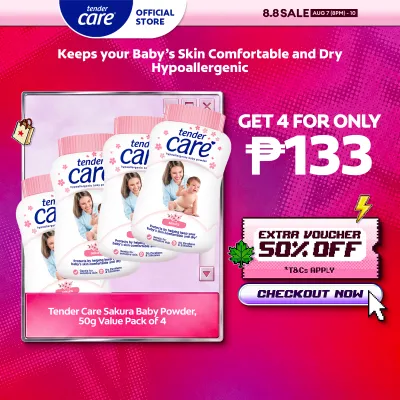
![[BUY 2 FREE 2] Tender Care Classic Mild + Assorted Tender Care Baby Powder 200g Assorted Bundle of 4](https://img.lazcdn.com/g/p/870eceddb2609d6bce6aeab9605ab732.png_400x400q80.png_.webp)
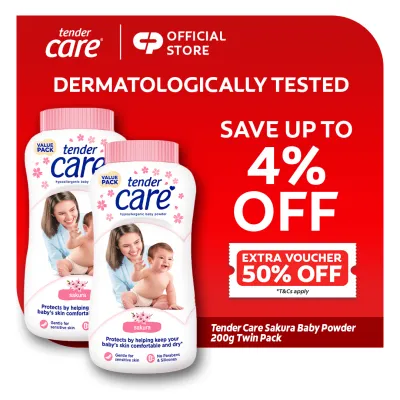
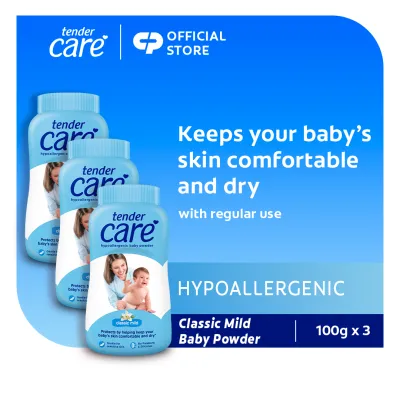
![[BUY 2 FREE 1] Tender Care Pink Soft Baby Powder - Hypoallergenic & Dermatologically Tested 100g Value Pack of 3](https://img.lazcdn.com/g/p/1a198013be52a2f9fc4725516f9fb01d.png_400x400q80.png_.webp)
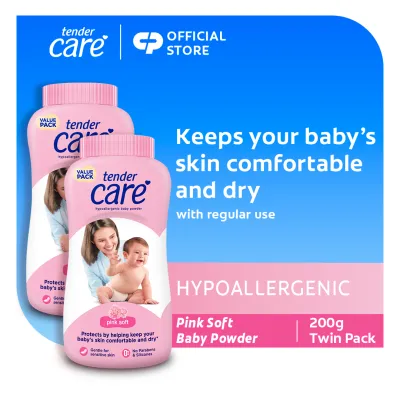
![[BUY 1 FREE 1] Tender Care Classic Mild Baby Powder - Hypoallergenic & Dermatologically Tested 200g x2](https://img.lazcdn.com/g/p/302bc979d85a5d59e97e49efef54084b.png_400x400q80.png_.webp)
Prices are valid at publication and may change. Please refer to the product page for the latest price.
This delicate balance is why a specialized approach to skincare is non-negotiable. True tender care for a newborn means prioritizing hypoallergenic, minimalist, and clinically tested formulations over heavily fragranced or traditional products. By focusing on gentle, non-irritating ingredients, caregivers can protect their baby’s skin barrier while ensuring that the application process remains completely safe for their developing respiratory systems.
What to Look for in a Gentle Powder: Tender Care Ingredients
When shopping for a baby powder suitable for sensitive newborn skin, parents must look beyond attractive packaging and marketing claims. Reading and verifying the ingredient label is the most reliable way to ensure a product is safe for daily use.

Fragrance-Free and Dye-Free Formulations Synthetic fragrances and artificial colorants are among the most common triggers for contact dermatitis in infants. A newborn’s olfactory system and skin are incredibly sensitive, meaning even mild synthetic scents can contain volatile organic compounds that irritate the eyes, skin, and respiratory tract. It is important to look for products explicitly labeled “fragrance-free” rather than simply “unscented,” as unscented products may still contain chemical masking agents designed to hide the smell of other ingredients.
Hypoallergenic and Pediatrician-Tested Labels While terms like “hypoallergenic” and “pediatrician-tested” indicate that a product has been formulated to minimize allergic reactions, these labels are not always strictly regulated. Parents should treat these claims as a helpful starting point but must still cross-check them with the actual ingredient list. Opt for brands that are transparent about their clinical testing processes and safety standards, verifying that the product has been evaluated under strict dermatological supervision.
Minimalist Ingredient Lists In newborn skincare, a shorter ingredient list is always preferable. A formula containing only three or four recognizable ingredients significantly reduces the statistical probability of an adverse skin reaction. When a product is packed with unnecessary preservatives, stabilizers, and botanical extracts, the likelihood of skin sensitization increases. Minimalist formulas focus strictly on moisture absorption and skin soothing without any unnecessary chemical fillers.
Soothing Additives High-quality baby powders often incorporate natural, finely milled soothing agents to help calm existing redness and irritation. Ingredients such as colloidal oatmeal, chamomile extract, or aloe vera can provide a gentle, protective layer over the skin. However, caregivers must verify that these botanical additives are sourced from reputable manufacturers to ensure they are free from cross-contamination, pesticides, or harsh processing residues.
Comparing Powder Bases for Irritation-Prone Skin
The base material of a baby powder determines how well it absorbs moisture, how it feels on the skin, and its overall safety profile. Understanding the differences between common powder bases helps parents make an informed decision for their newborn’s specific skin needs.
Cornstarch-Based Powders Cornstarch has widely become the standard alternative to traditional talcum powder. It is highly effective at absorbing excess moisture and reducing friction between skin folds and diapers. Because cornstarch particles are naturally larger than talc particles, they do not remain airborne as easily, reducing the risk of accidental inhalation. However, cornstarch is highly absorbent and can clump when exposed to heavy moisture or sweat. Caregivers must apply it sparingly to prevent these damp clumps from trapping moisture and creating a breeding ground for yeast or bacteria in deep skin folds.
Talc-Based Powders Historically, talcum powder was the go-to choice for infant care due to its excellent moisture-wicking properties and silky texture. However, modern pediatric guidelines strongly advise against using talc-based powders on newborns. The primary concern is the extreme fineness of talc particles, which can easily become airborne and be inhaled deep into a baby’s developing lungs, potentially causing severe respiratory distress or chronic lung irritation. Furthermore, historical concerns regarding potential asbestos contamination in raw talc deposits have led many global manufacturers and health authorities to recommend talc-free alternatives for infant care.
Alternative Plant-Based Bases For parents seeking innovative and exceptionally gentle options, plant-based bases like arrowroot powder, tapioca starch, and finely ground oat flour are excellent choices. Arrowroot powder is incredibly lightweight and offers a silky, smooth texture that glides over sensitive skin without clumping. Tapioca starch provides a dry, comfortable finish and is highly biodegradable, making it a popular choice for eco-conscious parents. While these alternative plant bases are highly soothing, they may have slightly different moisture-absorption rates compared to cornstarch, requiring parents to monitor the skin and apply them in thin, even layers.
Safe Application Steps to Protect Delicate Lungs and Skin
Even the safest, most natural baby powder can pose health risks if applied incorrectly. Following a strict, safety-first application routine is essential to protect your newborn’s delicate lungs and skin from irritation.
The “Pour into Hands” Rule The most critical safety rule when using any baby powder is to never shake the container directly onto the baby’s body or anywhere near their face. Shaking the bottle creates a cloud of fine particulate dust that the baby can easily inhale. Instead, step slightly away from your baby, shake a small amount of powder directly into your own palms, and rub your hands together gently to minimize airborne dust. Once the powder is settled on your hands, gently pat it onto the baby’s skin.
Targeted Application Powder should be applied strategically to areas prone to high friction rather than dusted all over the baby’s body. Focus on the outer diaper line where the elastic bands rub against the skin, or the upper thighs. Avoid applying powder directly to deep, moist creases like the inner groin or deep neck folds. When powder mixes with sweat, urine, or drool in these tight spaces, it can cake up, trap moisture, and lead to painful chafing or bacterial infections.
Alternative Formats To eliminate the risk of inhalation entirely, consider exploring alternative product formats. Powder-to-liquid formulas and cream-to-powder lotions apply smoothly like a standard moisturizing cream but dry quickly into a soft, dry, friction-reducing barrier. These innovative options provide all the protective benefits of traditional powder without creating any airborne particles, making them an exceptionally safe choice for newborns with sensitive airways.
Proper Clean-Up Regularly removing powder residue is vital to keeping your baby’s skin healthy and clear. During daily bath time, use a mild, soap-free baby wash and lukewarm water to gently cleanse all areas where powder was applied. Ensure that no white residue remains in the skin folds, as leftover powder can clog pores, trap sweat, and trigger heat rash or localized irritation. Always pat the skin completely dry with a soft towel before applying any new products.
Signs to Stop Using Powder and Seek Medical Advice
While baby powder can be a helpful tool for managing moisture, parents must remain vigilant and monitor their newborn’s skin and respiratory health closely. Knowing when to stop using a product and seek professional medical advice is crucial for preventing complications.
Skin Reactions If you observe signs of increased redness, dry peeling skin, localized warmth, or raised hives after applying baby powder, discontinue use immediately. These symptoms are clear indicators of contact dermatitis or an allergic reaction to one of the ingredients. Continuing to use the product will only worsen the irritation and damage the baby’s delicate skin barrier.
Respiratory Signs Accidental inhalation of powder particles can occur even with careful application. If your baby exhibits coughing, wheezing, rapid breathing, shortness of breath, or flared nostrils during or after powder application, stop using the product immediately. These symptoms require prompt medical evaluation from a pediatrician or an immediate visit to the nearest emergency healthcare facility.
Clumping and Infection When powder cakes in deep skin folds, it can trap moisture and sweat against the skin, creating an ideal environment for fungal or bacterial infections. If you notice bright red patches with small “satellite” spots in the skin creases, or if the skin looks raw and oozes moisture, stop using powder. These signs suggest a yeast infection (candidiasis) or a secondary bacterial infection that requires targeted medical treatment rather than dry powder.
When to Switch If baby powder consistently fails to manage moisture safely or causes skin irritation, it is time to transition to other protective skincare options. Consult a pediatrician to discuss alternative solutions, such as zinc oxide-based barrier creams or petroleum-based ointments. These products create a physical barrier that shields the skin from moisture without the inhalation risks or clumping issues associated with dry powders. Always prioritize professional medical advice when dealing with persistent diaper rash or skin issues.
Frequently Asked Questions (FAQ)
Is it safe to use baby powder on a newborn's face or neck?
No, it is not safe to use baby powder on a newborn’s face or neck. Applying powder near the baby’s nose and mouth carries an extremely high risk of accidental inhalation, which can lead to severe respiratory distress or lung damage. For neck folds, which are highly prone to drool and sweat accumulation, it is much safer to gently wipe the area clean with a damp, soft cloth and pat it completely dry with a clean towel.
Can I use baby powder every diaper change?
Using baby powder during every single diaper change is generally not recommended. Frequent application can lead to a heavy buildup of product, which easily cakes in the skin folds, traps moisture, and clogs pores. Instead, use powder sparingly only when the skin is completely dry and friction is a primary concern. For routine diaper changes, prioritizing thorough cleaning, air drying, and applying a thin layer of barrier cream is a safer approach.
What is the difference between baby powder and diaper rash cream?
Baby powder and diaper rash cream serve two entirely different purposes in infant skincare. Baby powder is designed to absorb light surface moisture and reduce friction between the skin and clothing or diapers. In contrast, diaper rash creams (typically containing zinc oxide or petroleum jelly) act as a thick, physical barrier that blocks moisture, urine, and stool from coming into contact with already irritated skin. Powders are best used for prevention on dry skin, while creams are ideal for protecting and healing active irritation.

Community discussion
Share your experience or ask a question. Comments are reviewed before publication.