
Selecting the right sterilizer for baby bottles in the Philippines requires balancing your baby’s feeding gear with the local tropical climate. High relative humidity and warm temperatures create an environment where mold and bacteria can rapidly multiply on damp surfaces. Because of this, a reliable sterilization and drying routine is essential for safeguarding your infant’s developing immune system.
However, not all sterilization methods are compatible with every bottle material. Using the wrong equipment can lead to warped plastics, degraded silicone nipples, or fractured glass. Matching your sterilizer to your specific bottle collection—whether glass, plastic, or silicone—ensures thorough hygiene while preserving the lifespan of your feeding essentials.
If your baby shows persistent signs of gastrointestinal distress, colic, or feeding difficulties, consult a pediatrician immediately. Sterilization is a preventive hygiene measure and cannot replace professional medical diagnosis or treatment.
Products mentioned in this guide
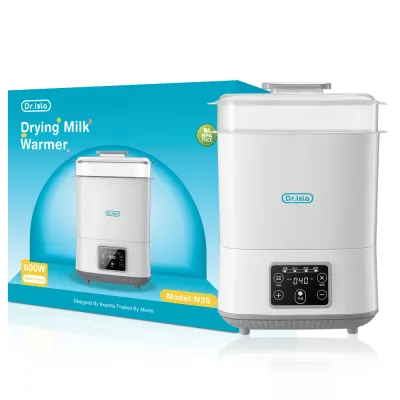
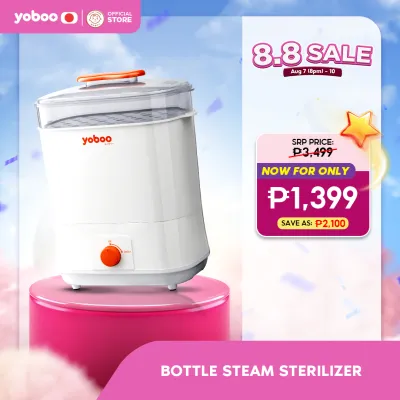
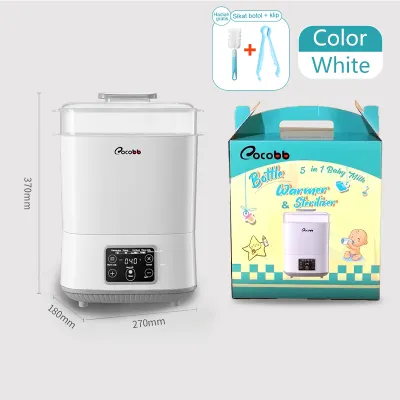
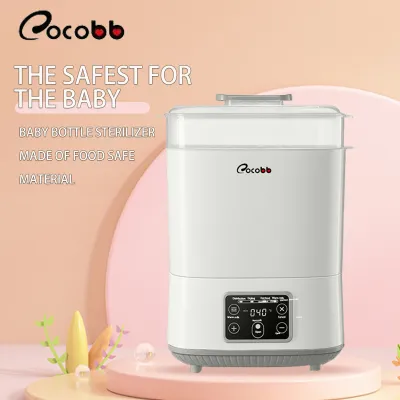
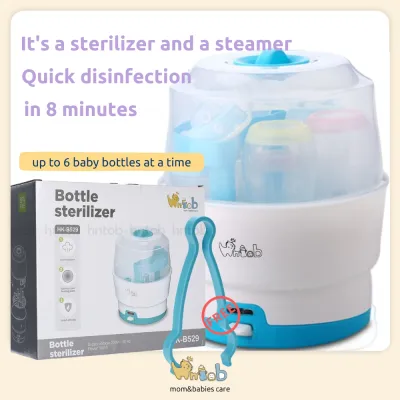
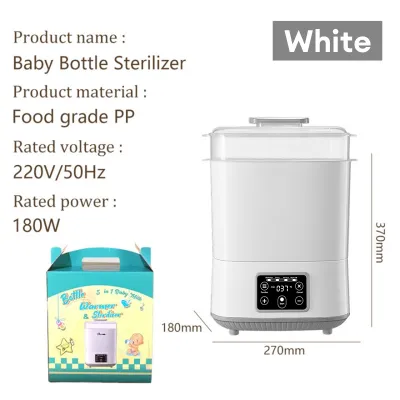
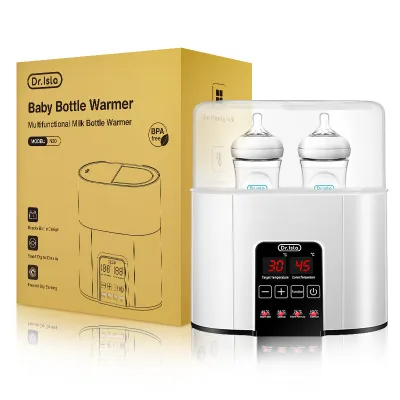
Prices are valid at publication and may change. Please refer to the product page for the latest price.
Matching Your Sterilizer to Your Bottle Material: Glass, Plastic, and Silicone
Every bottle material has unique physical properties that dictate how it reacts to heat, moisture, and light. Understanding these differences helps you avoid damaging expensive feeding gear and prevents chemical or structural degradation over time.
Glass Bottles
Glass is highly valued for its exceptional heat resistance and chemical inertness. It can easily withstand the high temperatures of steam and microwave sterilization without warping, leaching chemicals, or absorbing odors.
However, glass is susceptible to thermal shock. Rapid temperature transitions—such as moving a cold glass bottle directly from the refrigerator into a hot steam sterilizer—can cause the material to crack or shatter. Always allow glass bottles to reach room temperature before exposing them to intense heat.
Plastic Bottles (PP, PPSU, and PES)
Plastic baby bottles are lightweight and shatterproof, making them highly popular for daily use. However, they require careful temperature monitoring depending on the specific polymer type:
- Polypropylene (PP): This is the most common and budget-friendly plastic. It is moderately heat-resistant, typically withstanding temperatures up to 110°C. Frequent exposure to high-heat steam can cause PP bottles to warp or degrade faster than other materials.
- Polyphenilsulfone (PPSU) and Polyethersulfone (PES): These are premium, medical-grade plastics with a distinct honey-colored tint. They possess much higher heat resistance (often up to 180°C) and can easily handle repeated steam cycles.
While most modern plastics are compatible with UV sterilization, prolonged exposure to ultraviolet light can cause gradual cosmetic yellowing and micro-degradation of the plastic matrix. Always check your bottle manufacturer’s guidelines to verify the exact temperature and UV exposure thresholds.
Silicone Bottles
Silicone is a flexible, durable material that closely mimics the feel of natural skin. It has excellent thermal stability, making it highly compatible with both steam and microwave sterilization methods.
Despite its heat tolerance, silicone is semi-porous. Over time, long-term exposure to UV light can alter the texture of silicone, making it feel sticky, brittle, or discolored. If you use silicone bottles or nipples, steam remains the most gentle method for preserving their structural integrity.
Regardless of the material, always prioritize the manufacturer’s care label. If instructions conflict with general material guidelines, defer to the specific product manual to protect your warranty and ensure safety.
Top Steam Sterilizer Picks for Glass and Silicone
Electric steam sterilizers use high-temperature steam to eliminate pathogens. This method is highly effective for glass and silicone bottles because it penetrates small crevices without exposing the materials to dry, degrading light waves.

Philips Avent Premium 3-in-1 Electric Steam Sterilizer with Dryer
This premium appliance is designed for busy households and exclusive pumpers who manage a high volume of feeding gear daily. It features an integrated drying cycle that uses filtered air to dry bottles completely, which is crucial in the humid Philippine climate where air-drying can take hours and invite airborne dust.
- Target User: Parents using a mix of wide-neck glass and silicone bottles who require a complete sterilize-and-dry solution.
- Key Features: Adjustable modular design, 40-minute complete cycle (sterilizing and drying), and HEPA filter integration to capture airborne particles.
- Limitations: It has a larger countertop footprint and requires a higher initial investment. The heating plate must be descaled weekly to prevent mineral buildup.
Pigeon 3-in-1 Rapid Steam Sterilizer
This model is a reliable, mid-range option that focuses on speed and efficiency. It can accommodate up to six standard or wide-neck bottles alongside accessories like nipples and breast pump parts.
- Target User: Families looking for a straightforward, fast steam cycle without complex programming.
- Key Features: Fast 6-minute sterilization cycle, automatic switch-off for energy safety, and a compact design that fits smaller kitchen counters.
- Limitations: It does not feature an active drying cycle. Bottles must be air-dried on a clean rack, which requires careful handling to maintain sterility.
Chicco SterilNatural 3-in-1 Adjustable Steam Sterilizer
This versatile sterilizer offers three configurations: Full Size for a maximum load, Compact for small accessories, and Microwave for rapid sterilization on the go. This adaptability makes it highly practical for changing daily needs.
- Target User: Parents seeking a modular system that can adapt to different bottle sizes and travel scenarios.
- Key Features: Eco-wave mode for energy savings in compact configuration, 5-minute rapid sterilization, and compatibility with most household microwaves in its smallest form.
- Limitations: Like the Pigeon model, it lacks a dedicated drying fan, meaning moisture will remain inside the unit unless bottles are removed and dried manually.
Safety and Maintenance for Steam Sterilizers
When using steam sterilizers with glass bottles, always use the included tongs to handle hot items. Allow the bottles to cool completely inside the unit before touching them to prevent burns and thermal shock.
Additionally, municipal tap water in many parts of the Philippines contains high levels of dissolved minerals. This hard water causes rapid limescale buildup on the heating plate, reducing heating efficiency. Always use distilled or purified water in your steam sterilizer to prolong its lifespan and keep the heating element clean.
Best UV Sterilizers for Plastic and Mixed Materials
UV sterilizers utilize ultraviolet-C (UVC) light to disrupt the DNA of bacteria and viruses. Because they do not rely on high heat to sterilize, they are excellent for plastic bottles (such as PP and PPSU) that might otherwise warp or degrade under repeated steam exposure.
Haenim Smart Classic UV Sterilizer
This premium appliance is a popular choice in the Philippine market for parents seeking advanced technology and large capacity. It uses dual OSRAM UV lamps and a highly reflective stainless steel interior to ensure light waves reach every angle of the bottles.
- Target User: Families using premium PPSU plastic bottles, plastic breast pump components, and electronic baby accessories.
- Key Features: Dual UV lamps, automated drying and ventilation cycles, smart storage mode that runs periodic sterilization cycles, and a massive interior capacity.
- Limitations: High upfront cost, typically priced in the premium tier. It requires a permanent spot on your countertop due to its large, cabinet-like size.
Upang Plus+ UV Sterilizer
Known for its retro aesthetic and advanced engineering, the Upang Plus+ utilizes a rotating dual UV lamp system. This rotation helps distribute UVC light evenly, minimizing the risk of “shadowing” where structural curves block light waves.
- Target User: Design-conscious parents who want maximum sterilization coverage for plastic bottles and toys.
- Key Features: 3D rotating technology, double doors for easy monitoring, infrared low-temperature drying, and high-quality interior reflection panels.
- Limitations: It is a significant investment and occupies substantial kitchen space. The UV bulbs must be replaced annually to maintain sterilization efficacy.
59S UVC LED Sterilizing Box T5
This mid-range option utilizes UVC LEDs instead of traditional mercury lamps. LEDs are highly durable, do not require regular replacement, and heat up instantly, making this a highly efficient and modern choice.
- Target User: Parents looking for a more compact, low-maintenance UV sterilizer for plastic bottles and pacifiers.
- Key Features: Mercury-free UVC LEDs, rapid 3-minute sterilization cycle, lightweight build, and lower energy consumption.
- Limitations: Smaller capacity compared to cabinet-style models. It may not accommodate larger breast pump flanges or a full day's worth of bottles in a single cycle.
Critical Considerations for UV Sterilization
While UV sterilizers are highly convenient, they have specific operational requirements. UVC light can only sterilize surfaces it directly hits. If a water droplet is left on a bottle, it can refract the light and create a “shadow” underneath, leaving that area unsterilized.
For this reason, bottles must be thoroughly dried before the UV cycle begins. Most premium UV sterilizers include a built-in drying cycle that uses warm air to evaporate moisture before activating the UV lamps. Always position bottles facing upward or according to the manufacturer’s manual to maximize light exposure inside the reflective chamber.
Quick and Portable Microwave Sterilizers for Glass and Silicone
Microwave sterilizers are non-electric chambers that use the heat of your microwave to turn water into steam. They are highly budget-friendly, lightweight, and ideal for travel or homes with limited counter space.
Philips Avent Microwave Steam Sterilizer
This compact, lightweight unit fits into most standard household microwaves. It can hold up to four wide-neck bottles and uses side clips to secure the lid safely, preventing accidental spills when removing the hot container.
- Target User: Budget-conscious parents, frequent travelers, or those with small kitchens.
- Key Features: Sterilizes in just 2 minutes (at 1200W–1850W), lightweight design, and contents remain sterile for up to 24 hours if the lid is left unopened.
- Limitations: Requires a compatible microwave with a clean interior. It does not have a drying function, leaving bottles wet after use.
Pigeon Microwave Steam Sterilizer
This is another highly portable, budget-friendly option designed to hold standard and wide-neck bottles. It features a simple tray layout that keeps bottles elevated above the water reservoir.
- Target User: Parents looking for a simple, travel-friendly sterilization solution.
- Key Features: Rapid sterilization cycle, durable plastic construction, and a compact size that fits smaller microwave models.
- Limitations: Limited capacity compared to electric steam units. Caregivers must manually measure and add the correct amount of water before every cycle.
Safety Warnings for Microwave Sterilization
Microwave sterilizers are strictly for microwave-safe materials. You can safely use them with glass and silicone bottles, but you must never place metal objects inside, such as bottle-warming inserts, metal-accented accessories, or foil packaging.
Before running a cycle, ensure your microwave interior is thoroughly cleaned of any food splatters or grease. Food residues can absorb microwave energy, causing localized hot spots that can melt the plastic sterilizer casing.
Finally, exercise extreme caution when removing the sterilizer from the microwave. The unit will be filled with pressurized, boiling steam. Always allow the container to cool for several minutes, use heat-resistant mitts, and open the lid away from your face to avoid severe steam burns.
Sterilizer Comparison: Method, Material, and Lifestyle Fit
To help you decide which system aligns best with your bottle collection and daily routine, refer to the comparison below. Price tiers are categorized as Budget (under ₱2,000), Mid-range (₱2,000 to ₱7,000), and Premium (above ₱7,000).
| Sterilizer Type | Best For (Material) | Average Cycle Time | Key Advantage | Main Limitation | Estimated Price Tier |
|---|---|---|---|---|---|
| Electric Steam | Glass, Silicone, PPSU | 10 to 45 mins (with drying) | Thorough sterilization; penetrates deep crevices | Requires regular descaling; larger footprint | Mid-range to Premium |
| UV Sterilizer | Plastics (PP, PPSU), Silicone | 30 to 60 mins (with drying) | No high-heat warping; dry sterilization | Higher upfront cost; potential plastic yellowing | Premium |
| Microwave Steam | Glass, Silicone, Microwave-safe Plastics | 2 to 6 mins | Fast, highly portable, budget-friendly | No drying cycle; risk of steam burns | Budget |
Frequently Asked Questions (FAQ)
Can I put PPSU or PES plastic bottles in a UV sterilizer?
Yes, PPSU and PES plastic bottles are generally safe to place in a UV sterilizer. These medical-grade plastics possess high chemical and thermal stability, making them much more resilient than standard PP plastics.
However, prolonged exposure to UVC light can cause cosmetic yellowing over time. This color change is typically aesthetic and does not necessarily compromise the structural safety of the bottle immediately. To maximize the lifespan of your premium plastic bottles, always check the bottle manufacturer’s specific UV compatibility statement before use.
Do I really need a dedicated sterilizer, or is boiling water enough?
Boiling water in a pot is a time-tested, effective method for killing bacteria, but it carries notable practical drawbacks. Boiling requires constant supervision to ensure plastic or silicone parts do not touch the hot bottom or sides of the pot, which can easily melt or warp them.
Furthermore, air-drying boiled bottles on an open counter exposes them to airborne dust, mold spores, and insects, which is a major concern in humid climates. Dedicated sterilizers—especially those with integrated drying cycles and HEPA filters—offer a much safer, more consistent, and time-saving alternative by keeping the bottles in a sealed, sterile environment until they are ready for use.
How often should I descale my steam sterilizer?
In the Philippines, municipal water often contains high levels of minerals that leave white or brown chalky deposits on the heating plate of steam sterilizers. You should descale your steam sterilizer weekly, or as soon as you notice any visible mineral buildup.
To descale safely, pour a mixture of equal parts white vinegar and water (or a food-grade citric acid solution) onto the heating plate. Let it soak for 30 to 60 minutes without turning the machine on, then wipe the plate clean with a soft damp cloth. Rinse the reservoir thoroughly with clean water and dry it completely before running the next sterilization cycle.

Community discussion
Share your experience or ask a question. Comments are reviewed before publication.