
Selecting a reliable baby bottle sterilizer is one of the most practical decisions you will make when preparing for a formula-fed infant. Unlike breast milk, which contains natural antibacterial properties, infant formula lacks these protective components and can serve as a breeding ground for bacteria if equipment is not thoroughly sanitized. In the warm, humid climate of the Philippines, moisture left on feeding gear can quickly encourage microbial growth, making a dedicated sterilizer a highly valuable addition to your kitchen countertop.
While premium brands like Baby Brezza and various UV-C cabinets dominate online discussions, the right choice depends entirely on your household’s daily feeding volume, bottle materials, and kitchen space. Navigating the market requires looking past marketing hype to evaluate how different technologies handle local water conditions, electrical standards, and material safety. This guide provides a comprehensive framework to help you assess your options, verify manufacturer specifications, and establish a safe, efficient sterilization routine.
Understanding Sterilization Needs for Formula Feeding
Formula feeding introduces unique sanitation challenges that differ significantly from direct breastfeeding or handling expressed breast milk. Powdered infant formula is not sterile, and once mixed with water, any remaining residue in the bottle can spoil rapidly under tropical temperatures. The fats and proteins in formula tend to cling to the inner curves of plastic and glass bottles, forming a stubborn film that standard rinsing cannot fully remove. If this residue is not completely cleared and sanitized, it can harbor harmful pathogens that pose risks to an infant’s developing digestive system.
Products mentioned in this guide
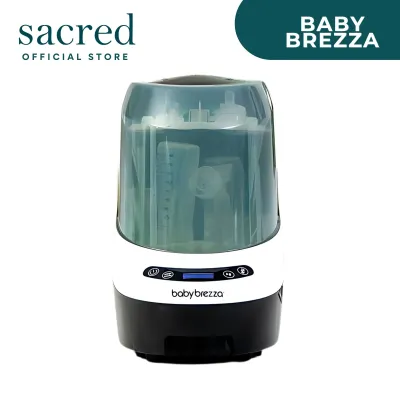
Prices are valid at publication and may change. Please refer to the product page for the latest price.
Caregivers must regularly inspect feeding equipment for physical signs of wear that could compromise cleanliness. Over time, plastic bottles made of polypropylene (PP) or polyphenylene sulfone (PPSU) can develop micro-scratches from bottle brushes, creating microscopic crevices where bacteria and formula proteins can hide from basic washing. If you notice persistent cloudiness, deep scratches, a sticky texture that remains after washing, or any cracking in the silicone nipples, these are clear indicators that the items must be replaced immediately rather than simply sterilized.
Pediatricians generally recommend strict daily sterilization for all feeding equipment during the first few months of an infant’s life, particularly for newborns, premature babies, or those with weakened immune systems. As your baby grows and their immune system matures, your pediatrician may advise that thorough washing with hot, soapy water and clean tap water is sufficient. However, in areas where local water quality is inconsistent or during periods of high humidity, continuing a daily sterilization routine provides an essential layer of safety that protects your infant from waterborne pathogens.
Core Features to Evaluate Before Buying
When comparing sterilizers, capacity is the first practical dimension to evaluate against your daily feeding schedule. Newborns typically feed eight to twelve times in a twenty-four-hour period, meaning a small-capacity sterilizer will require you to run multiple cycles throughout the day. Look for a unit that can accommodate at least six to eight wide-neck bottles along with their corresponding collars, nipples, and caps in a single load. Ensure the internal rack configuration is versatile enough to hold taller bottle sizes, as your baby will transition to larger volumes within a few months.

A built-in drying function is arguably the most critical feature to look for when purchasing a sterilizer in a humid environment. Traditional steam sterilizers without a dryer leave bottles dripping wet, forcing caregivers to air-dry them on a rack, which exposes the freshly sanitized items to airborne dust, mold spores, and insects. A sterilizer that utilizes a high-efficiency particulate air (HEPA) filter to dry the bottles with clean, warm air ensures that the equipment remains completely dry and sterile inside the machine until you are ready to use it.
Material compatibility is another essential factor that dictates which sterilizer fits your nursery setup. Standard polypropylene (PP) bottles are highly heat-resistant but can degrade faster under continuous high temperatures, while premium PPSU and borosilicate glass bottles tolerate extreme heat and UV exposure much better. Silicone nipples and pacifiers can become brittle or discolored if subjected to incorrect sterilization methods. Always cross-reference the temperature limits specified in your bottle manual with the operating temperatures of the sterilizer to prevent warping or chemical leaching.
Comparing Steam and UV Sterilization Technologies
Steam sterilization is the traditional, time-tested method that relies on high-temperature water vapor to eliminate microorganisms. These units heat a small reservoir of water to boiling point, surrounding the bottles in steam that penetrates every curve, thread, and opening of the feeding equipment. Steam cycles are generally fast, often taking under fifteen minutes, making them highly efficient for busy households. However, they require a constant supply of clean water, generate significant heat, and can contribute to the ambient humidity of your kitchen.
UV-C light sterilization has gained popularity as a waterless alternative that uses ultraviolet radiation to disrupt the DNA of bacteria and viruses. Because UV sterilizers do not use heat or water, they eliminate the risk of steam burns and do not require descaling, while also allowing you to sanitize non-heat-resistant items like plastic toys, electronic breast pump parts, and even mobile phones. The primary limitation of UV-C technology is that it is a line-of-sight process; any area in shadow, such as the inside of an opaque bottle or a folded nipple, will not be effectively sanitized. Additionally, prolonged exposure to UV-C light can accelerate the degradation of certain plastics and silicones, causing them to discolor or become brittle sooner than they would with steam.
Countertop footprint and power requirements are crucial considerations for typical Philippine kitchens, where counter space may be limited and electricity costs are relatively high. Steam sterilizers are often more compact and vertically oriented, making them easier to tuck into tight corners, though they must be placed away from low-hanging wooden cabinets to prevent moisture damage. UV-C sterilizing cabinets tend to have a larger, boxier footprint resembling a small microwave, requiring dedicated counter space and a stable power source. Verify that the unit’s wattage is compatible with your household wiring and that you have a reliable surge protector, as voltage fluctuations can damage the sensitive control boards of modern appliances.
Evaluating Popular Brands Like Baby Brezza and Alternatives
When researching premium options like Baby Brezza or looking at more budget-friendly alternatives, verifying local manufacturer support is paramount. Many high-end sterilizers are imported, meaning you must check if the seller provides an official warranty recognized by a local service center in the Philippines. Purchasing a unit without local after-sales support means that if a heating element fails or a control board malfunctions, finding replacement parts or getting the unit repaired can be incredibly difficult and costly.
Build quality and ease of maintenance are key indicators of how well a sterilizer will perform over years of daily use. In many parts of the Philippines, tap water contains high levels of minerals, leading to rapid scale buildup on the heating elements of steam sterilizers. Look for units with stainless steel heating plates that are easy to access and scrub, or models with advanced ceramic coatings that resist mineral adhesion. A well-designed user interface with clear error codes and intuitive controls will make the daily routine much less stressful for tired parents and caregivers.
Purchasing from unauthorized online sellers or unverified listings on e-commerce platforms carries significant risks that can compromise your baby’s safety. Many gray-market imports are designed for foreign electrical grids, operating on 110 volts instead of the standard 220 volts used in the Philippines, which can cause the appliance to burn out or pose a fire hazard if plugged directly into a wall outlet without a heavy-duty transformer. Always look for official brand stores, check for local safety certification marks, and read customer reviews carefully to ensure the product comes with the correct plug type, voltage rating, and English-language instruction manual.
Daily Maintenance and Safety Verification
To keep your sterilizer operating safely and effectively, establishing a regular maintenance routine is essential. For steam sterilizers, descaling must be performed at least once a week, or more frequently if you live in an area with hard water. To descale, pour a mixture of equal parts white vinegar and distilled water into the reservoir, run a partial cycle or let it soak according to the manufacturer’s instructions, and then wipe the plate clean with a soft cloth. Never use harsh chemical abrasive cleaners or steel wool, as these can scratch the heating plate and accelerate corrosion.
Regular visual inspections of the appliance will help you catch potential failures before they become safety hazards. Examine the heating element for deep pitting, rust, or discoloration that does not come off with descaling, as these signs indicate the metal is degrading. For UV sterilizers, monitor the bulb usage indicator or check the physical bulbs for flickering or dimming, and replace them according to the manufacturer’s recommended schedule—typically every six to twelve months—to ensure the light remains at the correct germicidal wavelength. Inspect all plastic trays and outer housings for signs of warping, melting, or cracking caused by heat exposure.
There are several critical conditions under which you must stop using the sterilizer immediately and contact the manufacturer or a qualified technician. If you detect a burning plastic smell, see smoke, notice exposed or frayed wiring, or observe water leaking from the bottom of a steam unit, unplug the device immediately. Do not attempt to repair electrical components yourself, as improper repairs can lead to electrical shocks or fire hazards. Always prioritize safety and consult the official user manual for troubleshooting steps before attempting any maintenance beyond basic cleaning.
Frequently Asked Questions (FAQ)
Do I need to sterilize bottles after every single formula feed?
For newborns and infants under three months old, or those with compromised immune systems, pediatricians generally recommend sterilizing bottles and nipples after every single use to prevent bacterial contamination. For older, healthy infants, a thorough wash with hot, soapy water and clean tap water may be sufficient for daily cleaning, with sterilization performed once a day or every few days as a precautionary measure. Always consult your pediatrician to establish a sterilization schedule that matches your baby’s specific health needs and your local water quality.
Can I sterilize bottle nipples and pacifiers in the same machine?
Yes, you can sterilize bottle nipples and pacifiers in the same machine, provided they are made of materials compatible with your sterilizer’s technology. Before placing them inside, check the manufacturer’s labels to ensure they can withstand high steam temperatures or UV-C exposure without degrading. Position these smaller silicone or latex items on the upper accessory rack away from the direct heat source of a steam plate to prevent melting, and inspect them regularly for signs of stickiness, cracking, or loss of elasticity, which indicate they need to be replaced.

Community discussion
Share your experience or ask a question. Comments are reviewed before publication.