
Quick Answer: Which Cleanser Formulation Fits Your Bottles?
Choosing the right baby bottle cleanser is essential for maintaining infant health and extending the lifespan of your feeding equipment. The ideal formulation depends directly on whether your baby’s bottles are made of glass, plastic, or silicone.
Choose an enzyme-based or plant-based baby bottle cleanser if you primarily use silicone or plastic bottles. These materials are highly prone to retaining milk fats and scratching easily. Enzymes chemically break down stubborn milk proteins and lipids, allowing you to clean thoroughly without aggressive scrubbing that can damage soft surfaces.
Choose a standard mild, low-foam surfactant cleanser if you rely on glass bottles. Glass is completely non-porous and highly scratch-resistant, meaning it does not absorb odors or oils and can tolerate a wider variety of gentle cleaning agents.
Products mentioned in this guide
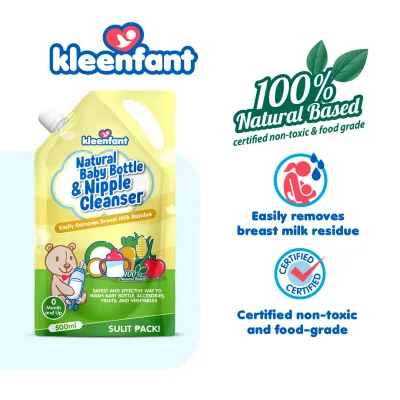
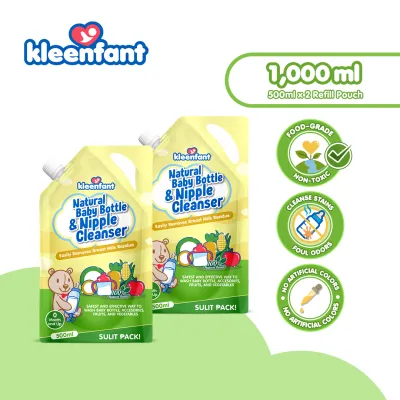
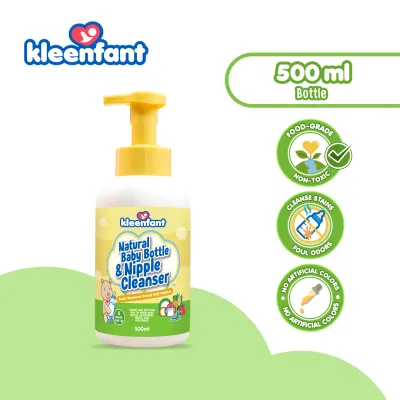
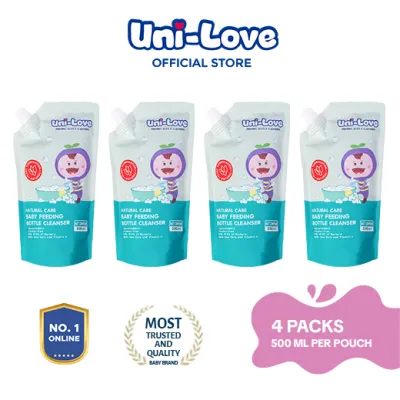
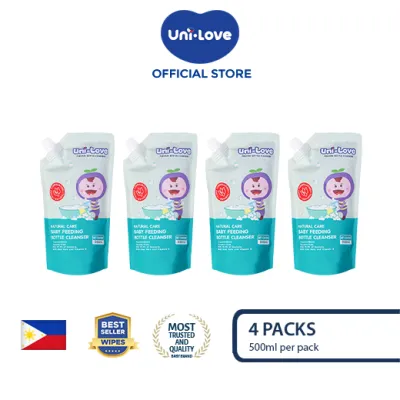
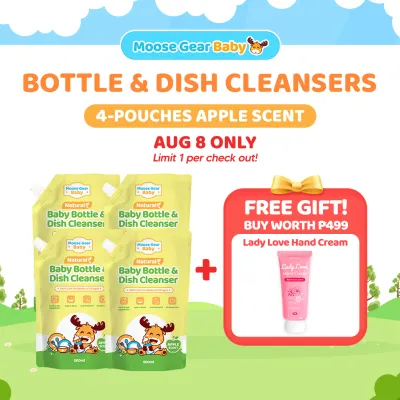
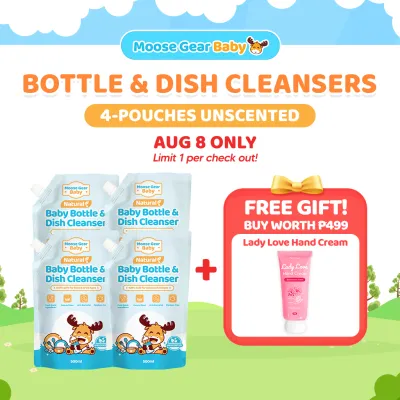
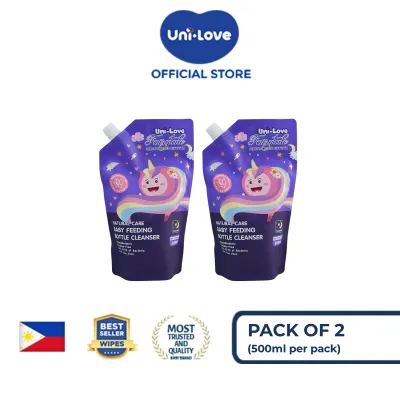
Prices are valid at publication and may change. Please refer to the product page for the latest price.
Ultimately, the best baby bottle cleanser balances strong degreasing power with rapid rinsability, ensuring that no soapy film or fragrance remains to interfere with your infant’s feeding. Always verify compatibility by consulting the specific care instructions provided by your bottle’s manufacturer before introducing a new cleaning product.
Understanding How Glass, Plastic, and Silicone React to Cleansers
Every bottle material possesses unique physical and chemical characteristics that dictate how it interacts with milk residue and cleaning agents. In tropical climates like the Philippines, where elevated humidity and warm temperatures accelerate bacterial proliferation and cause milk residues to spoil rapidly, understanding these material differences is vital for food safety.

Glass Bottles: Non-Porous but Fragile
Borosilicate glass is widely favored for infant feeding due to its exceptionally stable, non-porous crystalline structure. Because the surface is entirely smooth at a microscopic level, glass does not absorb chemical compounds, artificial fragrances, or milk lipids. This resistance to absorption makes glass bottles highly compatible with almost any mild surfactant cleanser, as the cleaning agents rinse away effortlessly without leaving a trace.
Additionally, glass is highly resistant to physical scratching from stiff nylon brushes or sanitizing tools. However, the primary vulnerability of glass is its physical fragility and susceptibility to thermal shock. Rapid transitions between extreme temperatures—such as moving a bottle directly from a cold refrigerator to boiling water—can cause structural stress and lead to sudden breakage. Caregivers must handle glass bottles with caution during the washing and sterilization processes to prevent micro-fractures.
Plastic Bottles: Scratch-Prone and Odor-Absorbent
Plastic baby bottles, typically manufactured from Polypropylene (PP) or Polyphenylsulfone (PPSU), offer lightweight durability and shatterproof safety. Despite these practical benefits, plastic is a relatively soft material that is highly susceptible to physical wear. Using stiff-bristled brushes or abrasive cleaning pads can easily create micro-scratches on the interior walls of the bottle.
These microscopic scratches pose a significant hygiene risk because they act as physical harbors where bacteria and milk proteins can accumulate, shielded from standard rinsing. Furthermore, plastic polymers are prone to absorbing chemical scents from heavily fragranced soaps, which can permanently alter the smell of the bottle. Over time, exposure to harsh chemicals, hard water minerals, and high heat can cause plastic to degrade, resulting in a cloudy appearance that indicates the material is breaking down.
Silicone Bottles and Nipples: Heat-Resistant but Fat-Retentive
Silicone has gained immense popularity for bottle bodies and nipples due to its soft, breast-like texture, high flexibility, and extreme temperature resistance. Silicone can withstand high heat during sterilization without warping or releasing harmful chemicals. However, silicone is semi-porous and possesses a highly lipophilic, or fat-attracting, chemical nature.
This lipophilic property means that milk lipids cling tightly to the silicone surface, forming a stubborn, greasy film that water alone cannot dissolve. If these fats are not thoroughly broken down by a targeted cleanser, they will oxidize over time, producing a persistent sour milk odor or a soapy, chemical taste. This residue can cause infants to reject their feeds, making highly effective, fat-cleaving cleansers an absolute necessity for all silicone components.
Comparing Cleanser Formulations: Enzymes, Surfactants, and Hypoallergenic Options
Selecting a baby bottle cleanser requires analyzing the active ingredients to ensure they can safely and effectively remove milk residues without damaging the bottle material. Standard dish soaps designed for adult cookware are often too harsh, leaving residues that are unsafe for developing infants.
Plant-Based and Enzyme Cleansers
Enzyme-based cleansers utilize specialized biological catalysts, such as proteases to target milk proteins and amylases to target carbohydrates. These enzymes work by chemically snipping complex organic molecules into smaller, water-soluble fragments. This targeted action is highly efficient at dissolving the stubborn protein film that often coats plastic and silicone bottles.
Because enzymes do the heavy lifting of breaking down the residue, caregivers do not need to scrub the bottles aggressively, significantly reducing the risk of scratching soft plastic or silicone surfaces. Additionally, plant-based enzyme cleansers are typically formulated to be low-foaming. This low-foam profile ensures that the cleanser rinses away rapidly with minimal water, which is highly beneficial in households looking to conserve water while ensuring zero chemical residue remains.
Standard Mild Surfactant Cleansers
Traditional baby bottle cleansers rely on mild surfactants, often derived from natural sources like coconut, palm kernel, or corn. Surfactants work by lowering the surface tension of water, allowing it to wet surfaces more effectively, surround oil droplets, and suspend them so they can be washed away. These cleansers are highly effective for general cleaning and work exceptionally well on non-porous glass bottles.
However, caregivers must exercise caution when using surfactant-heavy formulas on plastic and silicone. Some formulations generate high volumes of foam, which can cling to semi-porous silicone or settle into micro-scratches in plastic. If the bottle is not rinsed with extreme thoroughness, a thin layer of surfactant residue may remain, altering the taste of subsequent feeds and potentially causing mild digestive upset in sensitive infants.
Fragrance-Free and Hypoallergenic Formulas
When evaluating cleansers, prioritizing fragrance-free and hypoallergenic formulas is critical for infant safety. Synthetic fragrances, essential oils, and artificial dyes serve no functional purpose in cleaning and pose a direct risk to your baby’s feeding experience. An infant’s sense of smell and taste is incredibly acute; even a faint scent of lavender or citrus left on a silicone nipple can cause immediate feeding refusal.
Furthermore, chemical dyes and artificial perfumes can trigger skin irritation or allergic reactions, both for the infant consuming milk from the bottle and the caregiver washing the items daily. Opting for formulas that are dermatologically tested and certified free from parabens, phthalates, and synthetic colorants ensures a safe, neutral feeding environment. Caregivers should always verify these ingredient claims by checking the product label and looking for recognized pediatric or dermatological safety certifications.
| Formulation Type | Best Suited Material | Degreasing Power | Rinsability |
|---|---|---|---|
| Enzyme-Based | Silicone, Plastic | High | Excellent |
| Plant-Based Surfactant | Glass, Plastic | Moderate to High | High |
| Mild Synthetic Surfactant | Glass | Moderate | Moderate |
| Fragrance-Free Hypoallergenic | All Materials | Moderate to High | Excellent |
Material-Specific Cleaning Routines to Prevent Damage and Residue
To maintain the structural integrity of your baby bottles and ensure absolute hygiene, you must tailor your daily washing and sanitizing routines to the specific material of the bottle. Implementing a disciplined routine helps prevent the buildup of biofilms and protects your investment in quality feeding gear.
Glass Cleaning and Sterilization
Cleaning glass bottles requires a gentle touch to prevent breakage while ensuring all milk residue is removed. Immediately after a feeding, disassemble all components—including the collar, nipple, and hood—and rinse them under lukewarm running water to prevent milk proteins from drying and adhering to the glass.
Fill a clean basin with warm water and add a small amount of your chosen mild surfactant cleanser. Use a dedicated bottle brush with soft nylon bristles or a sponge tip to clean the interior of the glass bottle thoroughly. Avoid using metal-backed brushes that could scratch the glass. After washing, rinse each part under running water until no soap bubbles remain. When sterilizing, always verify the manufacturer’s maximum temperature limits, and allow the glass to cool down gradually inside the sterilizer to prevent thermal shock and cracking.
Plastic Washing and Inspection
Plastic bottles demand a non-abrasive cleaning approach to preserve their smooth interior surfaces. Begin by disassembling the bottle completely. Avoid using stiff nylon brushes, which can cause micro-scratches; instead, opt for a soft sponge or a dedicated silicone bottle brush that glides smoothly over PP and PPSU surfaces.
Apply a plant-based or enzyme-based cleanser directly to the brush or sponge, and gently wash the interior, paying close attention to the neck threads where dried milk often hides. Rinse the bottle thoroughly with warm water until the surface feels squeaky clean. After drying, establish a habit of inspecting your plastic bottles under a bright light. Check for persistent cloudiness, deep scratches, or warping. If you observe any of these signs of degradation, discard the bottle immediately and replace it, as compromised plastic can harbor bacteria and cannot be reliably sanitized.
Silicone Degreasing and Maintenance
Because silicone is highly lipophilic, it requires a dedicated degreasing step to prevent the accumulation of rancid milk fats. After disassembling the bottle, pre-soak all silicone components in a basin of warm water mixed with an enzyme-based cleanser for 5 to 10 minutes. This soaking period allows the enzymes to actively digest the milk lipids clinging to the semi-porous surface.
After soaking, use your fingers or a very soft sponge to gently massage the silicone parts, ensuring you clean the inside of the nipple thoroughly. Rinse the parts with warm water to wash away the dissolved fats. Inspect the silicone regularly for a sticky texture, discoloration, or persistent sour odors, which indicate material degradation. Before sterilizing, consult the manufacturer’s product label to verify the safe temperature boundaries, as some silicone items may degrade or lose elasticity if subjected to prolonged steam, boiling, or UV sterilization.
What to Avoid: Ingredients and Habits That Degrade Bottles
Many common household cleaning habits can inadvertently damage baby bottles, shorten their lifespan, or introduce safety hazards for your infant. Avoiding these practices is just as important as choosing the right cleanser.
First, never use harsh household chemicals, bleach, chlorine, or industrial-strength degreasers on baby feeding equipment. These substances are highly corrosive and can chemically alter plastic and silicone, causing them to leach harmful chemical compounds into your baby’s milk. Furthermore, these chemicals are incredibly difficult to rinse away completely, posing a severe ingestion risk to a developing infant.
Second, completely avoid abrasive scrubbing tools such as steel wool, rough scouring pads, or stiff wire brushes. These tools will permanently scratch plastic and silicone surfaces, creating deep crevices that serve as perfect breeding grounds for bacteria and mold. Once a bottle’s interior is scratched, it becomes nearly impossible to sterilize effectively, necessitating immediate replacement.
Third, steer clear of heavily fragranced adult dish soaps. While these soaps are excellent for cutting grease on ceramic plates, they contain strong synthetic perfumes and artificial dyes that easily absorb into semi-porous silicone nipples and plastic bottles. The lingering chemical taste can cause immediate feeding aversion, disrupting your baby’s nutrition.
Finally, always remember that the manufacturer’s specific care instructions must take precedence over any general cleaning advice. If you encounter conflicting information regarding sterilization temperatures, boiling times, or chemical compatibility, stop using the product and consult the manufacturer or a qualified pediatric professional to ensure your baby’s safety is never compromised.
Frequently Asked Questions (FAQ)
Can I use regular household dish soap for baby bottles?
It is highly recommended to avoid using regular household dish soaps for baby bottles. Standard dish soaps are formulated with strong synthetic surfactants, artificial dyes, and heavy fragrances designed to strip grease from adult cookware. These chemicals can leave a persistent, soapy residue on plastic and silicone feeding parts, which can alter the taste of breast milk or formula and cause your baby to refuse feeds. Dedicated baby bottle cleansers are specifically formulated to be mild, easily rinsable, and fragrance-free, ensuring a safe and neutral feeding experience.
How do I remove sour milk odors from silicone parts?
To remove stubborn sour milk odors from silicone nipples or bottle bodies, you can soak the affected parts in a warm, diluted baking soda solution for 15 to 30 minutes, as baking soda naturally neutralizes acidic milk fats. Alternatively, a pre-soak in a dedicated enzyme-based baby bottle cleanser will actively break down the lipid buildup causing the odor. Always check the manufacturer’s care label before applying any home remedies to ensure the silicone grade is compatible, and rinse the parts thoroughly with warm water afterward.
When is it time to replace scratched plastic bottles?
Plastic baby bottles should be replaced immediately if you notice deep scratches, persistent cloudiness, warping, or a sour odor that does not go away after thorough cleaning. Micro-scratches on the interior surface of PP or PPSU bottles can trap milk proteins and bacteria, making them impossible to sanitize completely. Generally, even without visible damage, many manufacturers recommend replacing plastic bottles every four to six months of regular use, but you should always inspect them daily and consult the manufacturer’s specific guidelines.

Community discussion
Share your experience or ask a question. Comments are reviewed before publication.