
Selecting the right baby bottle cleanser liquid in the Philippines requires understanding how different bottle materials—glass, plastic, and silicone—interact with breast milk or formula residues. A single, generic soap is rarely ideal for every bottle type in a household. In the warm, humid Philippine climate, milk residues spoil rapidly, creating a breeding ground for bacteria and leaving stubborn, greasy films that are difficult to wash away. To keep your baby safe and your feeding gear intact, the best approach is to match your cleanser’s formulation to the specific material of your bottles. Glass requires high-rinsing, streak-free formulas; plastics demand ultra-mild, non-abrasive liquids to prevent scratching; and silicone needs specialized, odor-neutralizing options that break down persistent milk fats.
Understanding How Bottle Materials React to Cleansers
To choose the most effective baby bottle cleanser liquid, caregivers must first understand the physical and chemical characteristics of the materials used to manufacture modern baby bottles. Each material reacts uniquely to milk fats, proteins, water minerals, and cleansing agents. In the Philippines, where tap water mineral content varies and high ambient humidity can accelerate microbial growth, these material-specific reactions are particularly pronounced.
Glass Bottles
Products mentioned in this guide
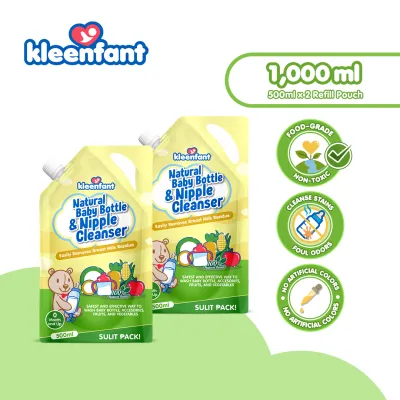
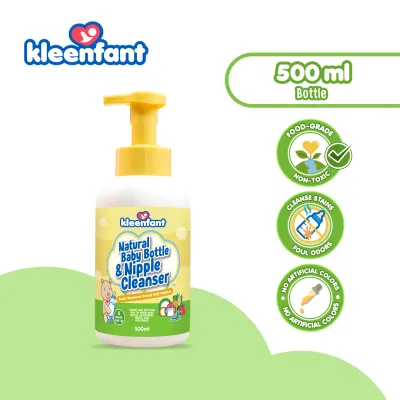
![[GREAT VALUE!!! Buy 3 Take 1] ichi Baby Feeding Bottle Cleanser Pack of 4 (500ml each) Nipple Cleanser Refill Non-toxic Solution food grade best baby dish soap pediatrician approved free shipping essentials](https://img.lazcdn.com/g/p/792c648665136592a92e12d2878fad35.jpg_400x400q80.jpg_.webp)
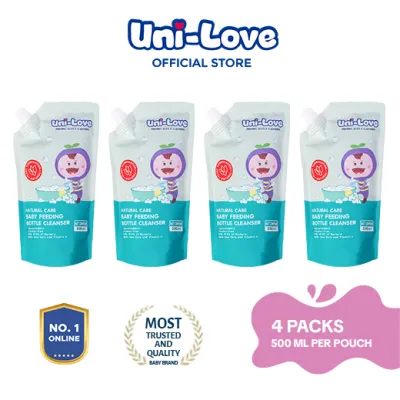
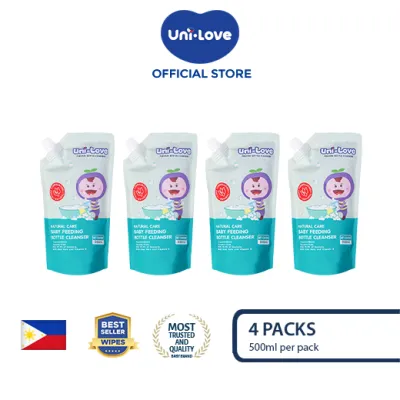
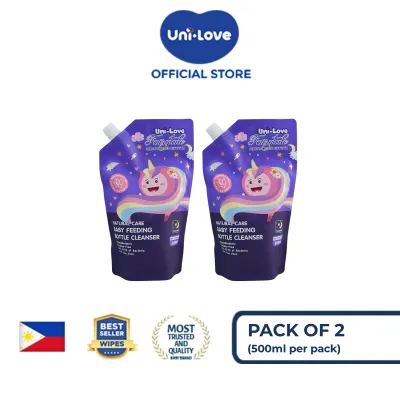
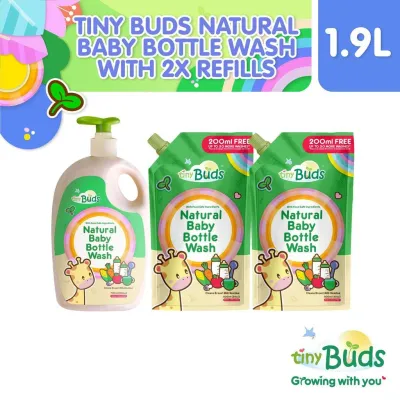
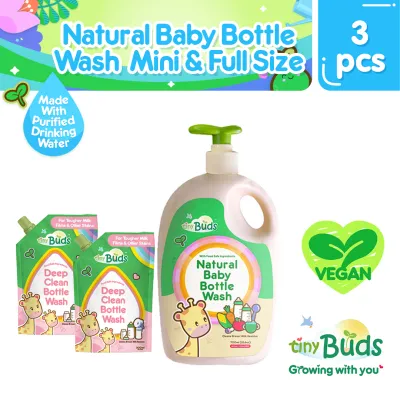
Prices are valid at publication and may change. Please refer to the product page for the latest price.
Glass is a highly favored material among parents due to its non-porous nature and exceptional durability. Because glass does not absorb odors or chemical compounds, it is chemically inert and highly hygienic. However, its smooth, rigid surface is highly susceptible to hard water spots and the accumulation of a stubborn milk film. Milk contains complex proteins and fats that can form a cloudy layer on glass if not thoroughly dissolved. To clean glass bottles effectively, a cleanser must feature strong degreasing agents that can lift these lipids from the surface and rinse away completely, leaving zero chemical streaks or cloudy residues behind.
Plastic Bottles (PP, PPSU, and PES)
Plastic bottles, including Polypropylene (PP), Polyphenylsulfone (PPSU), and Polyethersulfone (PES), are lightweight and shatterproof, making them highly practical for daily use. However, plastic is a relatively soft material that easily develops micro-scratches from bottle brushes or abrasive cleaning agents. Over time, these microscopic abrasions make the plastic surface porous. These tiny crevices can harbor microscopic food particles, cultivate bacteria, and trap unpleasant odors. Consequently, plastic bottles require ultra-gentle, non-abrasive baby bottle cleanser liquids. The formula must be capable of cleaning thoroughly without degrading the plastic polymers or leaving soapy residues trapped within the micro-scratches.
Silicone Bottles and Nipples
Silicone is widely used for flexible bottle bodies, transition cups, and bottle nipples due to its soft, breast-like texture. Despite its flexibility and heat resistance, silicone is highly hydrophobic, meaning it naturally repels water and strongly attracts lipids (milk fats). This property makes silicone exceptionally prone to retaining greasy milk films and absorbing strong soap scents or sour milk odors. Once a scent or fat layer bonds with silicone, it can be incredibly difficult to remove. Cleaning silicone requires specialized, odor-neutralizing formulas that can break down complex lipids thoroughly without leaving a chemical taste or artificial fragrance that might cause a baby to reject their next feed.
What to Look For: Ideal Cleanser Profiles by Material
When navigating the baby care aisles or online marketplaces in the Philippines, parents are often overwhelmed by the sheer volume of cleaning products. Rather than choosing a product based solely on brand popularity, it is far more effective to look for specific formulation profiles tailored to the bottle materials you use at home.

Ideal Profiles for Glass Bottles
For glass bottles, the primary objective is to maintain absolute clarity and ensure that no chemical film remains on the non-porous surface. Look for baby bottle cleanser liquids that leverage plant-derived enzymes, such as amylase and protease, which specifically target and break down stubborn milk proteins and carbohydrates. Additionally, prioritize formulas that explicitly claim a “streak-free finish” or “high rinsability.” These products are designed with highly water-soluble surfactants that detach easily from glass surfaces during the rinsing phase, ensuring that no surfactant residue is left behind to contaminate the baby’s milk.
Ideal Profiles for Plastic Bottles
When shopping for cleansers to use on PP, PPSU, or PES plastic bottles, safety and material preservation are the top priorities. Caregivers should seek out ultra-mild, pH-balanced formulas that are strictly fragrance-free. Because plastic easily traps scents in its micro-scratches, any added perfume—even those labeled as natural or organic—can become permanently embedded in the bottle, altering the taste of subsequent feeds. Avoid any cleansers containing harsh synthetic degreasers, heavy chemical solvents, or micro-abrasive additives. These harsh compounds can cause plastic to cloud, weaken, or undergo accelerated chemical degradation over time.
Ideal Profiles for Silicone Bottles and Nipples
Silicone components require a highly targeted cleaning approach to combat their natural tendency to retain odors and fats. Look for specialized liquid cleansers formulated with natural odor-neutralizers, such as food-grade baking soda (sodium bicarbonate) or unscented, coconut-derived surfactants. These ingredients work by neutralizing acidic odor compounds and lifting stubborn lipid layers without leaving a lingering chemical taste. Furthermore, ensure the cleanser is labeled as a low-foam or easy-to-rinse formula. Because silicone surfaces tend to hold onto soap bubbles more tenaciously than glass or plastic, a low-foaming liquid ensures a faster, cleaner rinse with less water consumption.
How to Read Labels for Safety and Rinsability
Understanding how to read and interpret the ingredient lists on baby bottle cleanser liquid packaging is a crucial skill for parents. Many products feature marketing terms like “natural” or “organic” on the front label, but a close inspection of the back label is necessary to verify their actual safety and suitability for infant feeding equipment.
Ingredient Transparency and Surfactants
The first step in evaluating a cleanser is identifying the primary surfactants, which are the active cleaning agents responsible for lifting grease and dirt. Safe, high-quality baby cleansers utilize plant-derived surfactants, typically sourced from coconut, palm kernel, or corn (such as decyl glucoside, coco-glucoside, or sodium cocoyl glutamate). These plant-based options are biodegradable, gentle on skin, and rinse away easily. In contrast, parents should avoid cleansers that contain harsh synthetic anionic surfactants like Sodium Lauryl Sulfate (SLS) or Sodium Laureth Sulfate (SLES). While SLS and SLES produce abundant foam and are highly effective at cutting grease in standard dish soaps, they are notoriously difficult to rinse completely from plastic and silicone, and any ingested residue can cause mild digestive irritation in infants.
Safety Markers to Verify
Always check the label for explicit safety certifications and ingredient exclusions. Look for products that state they use food-grade ingredients, meaning the components are safe enough to be used in food processing environments. Verify that the liquid is hypoallergenic and dermatologically tested, which protects the caregiver’s hands during frequent daily washings. Crucially, the label should confirm the absolute absence of parabens (preservatives), phthalates (plasticizers), artificial dyes, and strong synthetic fragrances. Artificial colorants and perfumes serve no functional cleaning purpose and only introduce unnecessary chemical exposure risks to your developing infant.
Rinsability and Foam Levels
A common misconception is that more bubbles equate to a cleaner bottle. In reality, high-foaming cleansers require significant amounts of water and prolonged rinsing to remove entirely, which is highly impractical for busy parents. Look for formulas that specifically highlight “low-foam,” “easy-rinse,” or “zero-residue” technology. These formulations break down rapidly when exposed to clean water, ensuring that no microscopic soap film remains on the interior walls of the bottle. This is vital for preventing the accidental ingestion of detergent residues, which can disrupt a baby’s delicate gut microbiome and cause digestive discomfort.
Where to Buy Safely and Spot Counterfeits in the Philippines
The Philippine market offers numerous avenues for purchasing baby bottle cleanser liquids, ranging from physical retail establishments to digital storefronts. However, the popularity of baby care products has also made them a target for counterfeiters. Ensuring you purchase authentic, safe products requires careful selection of your buying channels and a vigilant eye for product details.
Physical Retailers
For immediate needs and the ability to physically inspect product packaging, purchasing from established physical retailers is the safest option. Major baby specialty stores (such as Mothercare or Baby Company), prominent health and beauty chains (such as Watsons), and the baby care aisles of reputable national supermarkets offer reliable supply chains. Buying from these brick-and-mortar stores guarantees that the products have been transported and stored under appropriate conditions, minimizing the risk of heat-induced degradation of natural ingredients.
Online Channels
When shopping online, caregivers must navigate e-commerce platforms with caution to avoid unauthorized sellers. Always restrict your purchases to official brand flagship stores, which are typically designated with a “Mall” or “Official Store” badge on major Philippine e-commerce platforms. Alternatively, purchase from authorized online baby boutiques or well-known pharmacy websites. Avoid third-party marketplace sellers who cannot provide clear proof of authorization or those who ship from unverified overseas locations, as these listings carry a significantly higher risk of being counterfeit or expired.
Red Flags for Counterfeits and Substandard Products
To protect your infant, learn to identify the warning signs of counterfeit baby bottle cleanser liquids. Be highly suspicious of prices that are dramatically lower than the standard retail price (SRP) across major stores—if a deal seems too good to be true, it likely is. Carefully inspect the packaging for poorly printed, blurry, or smudged text, as well as spelling errors. Check for the presence of a clear manufacturing date, expiration date, and batch number; authentic products will have these clearly stamped, not easily rubbed off. In the Philippines, look for local distributor stickers or evidence of Philippine Food and Drug Administration (FDA) registration numbers on the label, which verify that the product has passed local safety evaluations for consumer distribution.
Step-by-Step Cleaning Routine to Protect Your Bottles
Using the best baby bottle cleanser liquid is only half the battle; executing a proper, systematic cleaning routine is essential to preserve the lifespan of your feeding equipment and guarantee absolute hygiene. This routine should be performed consistently after every feeding session.
Immediate Pre-Rinsing
The moment your baby finishes a feed, immediately disassemble the bottle completely—separating the bottle body, collar, nipple, and cap. Rinse all parts thoroughly under cold running water. This immediate pre-rinse is a critical, often overlooked step. Cold water prevents the milk proteins and fats from bonding to the plastic, glass, or silicone surfaces. If you use hot water first, it can actually cook and curdle the proteins, causing them to adhere tightly to the walls and form a stubborn, cloudy film that is much harder to clean later.
Dilution and Brush Selection
Always refer to the manufacturer’s instructions on the cleanser’s label for the correct dilution ratio. Many high-quality baby bottle cleansers are highly concentrated, requiring only a few drops mixed with warm water in a clean basin rather than being applied directly to the brush. Next, select the appropriate brush based on the bottle material to prevent surface damage:
- For Glass Bottles: Use a brush with durable nylon bristles. Glass is highly scratch-resistant and benefits from the firm scrubbing action of nylon to dislodge stubborn milk films.
- For Plastic and Silicone Bottles: Avoid nylon bristles entirely, as they can create micro-scratches on these softer materials. Instead, opt for a soft silicone brush or a high-density sponge brush, which cleans gently without compromising the material's surface integrity.
Drying and Storage
After scrubbing all components thoroughly, rinse them under clean, running water until the water runs completely clear and no soap bubbles remain. In the tropical, high-humidity environment of the Philippines, proper drying is critical to prevent the growth of mold, mildew, and bacteria. Place all disassembled parts upside down on a clean, elevated drying rack designed specifically for baby bottles. Ensure the rack is positioned in a well-ventilated area away from direct sunlight, which can warp plastic and degrade silicone over time. Once completely dry, store the bottles in a clean, dust-free, covered container until their next use.
Frequently Asked Questions (FAQ)
Can I use regular dishwashing liquid for baby bottles?
While standard household dishwashing liquids are highly effective at cutting grease on family dinnerware, they are generally not recommended for baby bottles. Regular dish soaps often contain strong synthetic fragrances, chemical dyes, and heavy surfactants like SLS/SLES designed to strip baked-on grease from pots and pans. These ingredients can be exceptionally difficult to rinse completely from porous plastic bottles and hydrophobic silicone nipples. Any soap residue left behind can contaminate your baby’s milk, potentially causing an unpleasant taste that leads to bottle rejection, or inducing mild digestive upset and stomach irritation in your infant’s sensitive gastrointestinal tract.
How do I remove the sour milk smell from silicone nipples?
Silicone is highly prone to absorbing milk fats and odors over time, resulting in a persistent sour milk smell. To remove this odor safely, first consult your bottle manufacturer’s care instructions to verify the material’s temperature limits. If permitted, you can soak the silicone nipples in a mixture of warm water and food-grade baking soda for 15 to 30 minutes, as baking soda naturally neutralizes acidic odor compounds. Alternatively, if the manufacturer explicitly permits boiling, you can boil the nipples in clean water for 3 to 5 minutes. Never use harsh chemical bleaches, strong household vinegar soaks, or abrasive scrubbers, as these can degrade the silicone polymer, weaken the nipple structure, and leave a highly unpalatable taste.

Community discussion
Share your experience or ask a question. Comments are reviewed before publication.