
Administering liquid vitamins, pediatric medications, or early-stage liquid foods to an infant requires absolute precision, patience, and the right tools. A high-quality 5ml dropper for baby care is an indispensable item in any parent’s nursery toolkit. In the Philippines, where tropical conditions require extra vigilance regarding hygiene and material durability, selecting a safe and reliable dropper is crucial for your baby’s health and comfort.
Using the correct feeding and medicating accessories ensures that your little one receives the exact dosage prescribed by pediatricians or the perfect taste of their very first semi-liquid foods. This guide explores why a precise 5ml dropper is necessary, what safety features to prioritize when shopping, the different types of droppers available in the Philippine market, and how to maintain them to prevent bacterial contamination.
Why You Need a Precise 5ml Dropper for Your Baby
Precision is the most critical factor when administering any liquid to an infant. Pediatric medications, such as paracetamol for fever relief or iron supplements for anemia prevention, are formulated with highly specific dosage guidelines based on your baby’s weight and age. Using standard household spoons to measure these liquids is highly inaccurate, as kitchen spoons vary widely in volume and can hold anywhere from 3ml to 9ml. A dedicated 5ml dropper ensures that you measure exactly what your pediatrician prescribes, eliminating the dangerous risks of under-dosing or accidental over-dosing.
Products mentioned in this guide
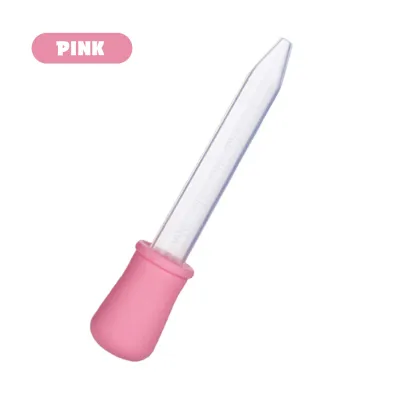
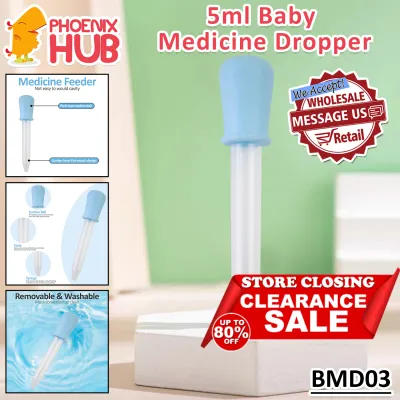
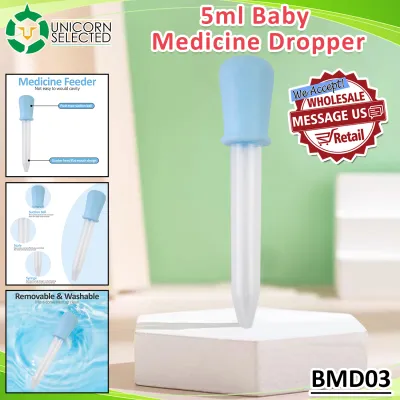
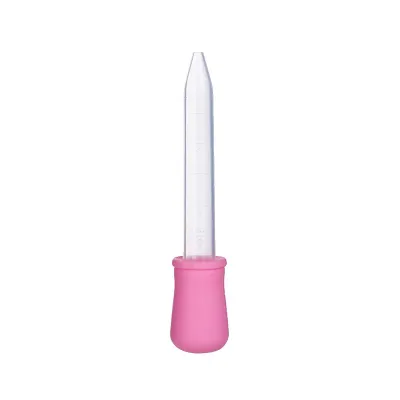
Prices are valid at publication and may change. Please refer to the product page for the latest price.
During the early stages of transitioning to solid foods, often referred to as the complementary feeding phase, a 5ml dropper serves as an excellent introductory tool. When first introducing thin, watery purees, fruit juices, or broths, babies are still adapting to the physical sensation of swallowing non-liquid substances. A dropper allows you to dispense minuscule, controlled amounts of food onto the baby’s tongue, helping them explore new flavors without overwhelming their developing swallowing coordination.
Safety during feeding is directly linked to how quickly liquid is introduced into the mouth. Because infants have a highly sensitive gag reflex, a sudden rush of liquid can cause choking, coughing, or aspiration, where liquid enters the lungs. A 5ml dropper gives you complete control over the flow rate, allowing you to dispense the liquid slowly, drop by drop, toward the inside of the baby’s cheek. This position encourages natural swallowing and allows your baby to process the liquid comfortably at their own pace.
Furthermore, fussy or teething babies often reject standard spoons because the hard edges can irritate their swollen, tender gums. A dropper bypasses this discomfort by delivering liquid directly past the front of the mouth with minimal contact. Whether you are dealing with a sick infant who refuses to swallow fever medicine or a healthy baby starting their culinary journey with diluted local fruit purees, a reliable 5ml dropper makes the process stress-free for both caregiver and child.
What to Look for When Buying a Baby-Safe 5ml Dropper
When shopping for baby accessories in the Philippines, material safety must always be your primary concern. Ensure that any dropper you select is explicitly labeled as BPA-free, phthalate-free, and made from food-grade silicone or medical-grade polypropylene plastic. These materials do not leach harmful chemicals into hot liquids or degrade when exposed to acidic fruit juices. Inspect the dropper physically to ensure there are no sharp plastic seams, rough edges, or manufacturing burrs that could scratch your baby’s delicate lips, gums, or palate.

Clear, durable measurement markings are another non-negotiable feature. The calibration lines on the barrel must be highly visible, easy to read under dim nursery lighting, and resistant to fading. Look for droppers with markings in both milliliters (ml) and teaspoons (tsp) to easily match various prescription formats. Ideally, choose droppers with embossed or engraved markings rather than printed ones; printed ink can quickly dissolve and wash off after repeated exposure to warm soapy water and sterilization cycles, rendering the dropper useless for precise dosing.
Evaluate the mechanical design of the plunger or suction bulb before making a purchase. A high-quality plunger should glide smoothly inside the barrel without sticking or requiring excessive force. A sticky plunger is highly dangerous, as a sudden release of pressure can shoot a forceful stream of liquid directly down your baby’s throat, causing choking. For bulb-style droppers, the rubber or silicone bulb should provide responsive suction, allowing you to draw up exactly 5ml of liquid in a single, smooth motion without air bubbles.
Always verify the manufacturer’s packaging for age recommendations, safety certifications, and specific material disclosures. Reliable brands will clearly state if their products comply with international safety standards. When browsing local pharmacies, baby specialty shops, or online marketplaces in the Philippines, look for reputable manufacturers that specialize in infant care. Avoid unbranded, generic droppers that lack clear packaging information, as they may contain industrial-grade plastics or toxic dyes that are unsafe for oral use.
Best Types of 5ml Droppers for Different Feeding Needs
Selecting the right dropper design depends heavily on what you are administering and your baby’s unique temperament. Different designs offer distinct advantages in terms of control, comfort, and ease of cleaning.
Silicone-Tip Oral Syringes
Silicone-tip oral syringes feature a medical-grade plastic barrel paired with a soft, flexible silicone nozzle. This design is exceptionally gentle on an infant’s mouth, making it the ideal choice for newborns, teething babies, or infants with highly sensitive oral reflexes. The soft tip mimics the familiar texture of a bottle nipple, which helps soothe the baby and reduces oral aversion during feeding or medicating.
These syringes excel at delivering highly controlled, slow doses of liquid foods, breastmilk, or strong-tasting medicines. Because the plunger fits tightly against the inner walls of the barrel, you can easily dispense tiny fractions of a milliliter at a time. The silicone tip also acts as a protective shield, preventing any accidental injury if your baby suddenly jerks their head or bites down during administration.
- Best For: Newborns, teething infants, and highly precise medication delivery.
- Advantage: Ultra-soft tip protects sensitive gums and minimizes the gag reflex.
- Limitation: The joint where the silicone tip attaches to the plastic barrel can sometimes trap tiny food particles, requiring extra care during the cleaning process.
Standard Plastic Medicine Droppers
Standard plastic medicine droppers consist of a rigid, food-grade plastic barrel and a removable rubber or silicone bulb at the top. This classic design is lightweight, highly durable, and incredibly simple to operate. It is the go-to tool for quick, everyday administration of daily vitamin drops or fast-acting fever reducers when your baby is fussy or impatient.
Because these droppers can be fully disassembled into two simple parts—the bulb and the tube—they are incredibly easy to wash and dry quickly. The wide opening of the plastic tube allows for rapid drawing of low-viscosity liquids, such as water-based vitamins. Ensure that the plastic used is thick and high-quality, as thin, cheap plastics can crack easily if dropped or subjected to warm water.
- Best For: Quick daily vitamins, water, and thin liquid medications.
- Advantage: Extremely easy to assemble, disassemble, and clean rapidly.
- Limitation: The rigid plastic tip requires careful placement; caregivers must hold the baby's head securely to prevent minor gum irritation from sudden movements.
Glass Droppers with Clear Markings
Glass droppers feature a borosilicate glass barrel and a soft rubber bulb. Glass is a premium material that offers unmatched chemical resistance and durability. Unlike plastic, glass does not absorb odors, flavors, or colors from highly pigmented liquids, such as dark iron supplements or orange-colored multivitamin syrups. The measurement markings on glass are typically fused into the material, ensuring they never fade or wash away.
However, because glass is fragile, it poses a significant safety hazard if not handled correctly. A glass dropper should never be placed directly into a baby’s mouth, as infants can bite down hard enough to shatter the glass, or a sudden movement could cause the dropper to chip against their developing teeth.
- Best For: Measuring highly staining vitamins or acidic liquids with extreme precision.
- Advantage: Non-porous material that resists staining, odors, and wear over time.
- Limitation: High risk of breakage. It must only be used under strict caregiver supervision.
- Safe Workflow: Use the glass dropper strictly to measure and draw the precise 5ml dose from the bottle, then transfer the measured liquid into a soft silicone spoon or a flexible plastic syringe for actual administration to your baby.
How to Safely Clean and Maintain Your Baby's Dropper
Maintaining impeccable hygiene is absolutely vital when caring for an infant, especially in the warm, humid climate of the Philippines. High humidity accelerates the growth of mold, mildew, and harmful bacteria on damp surfaces. A dirty dropper can introduce pathogens directly into your baby’s digestive tract, leading to stomach upset or infections. Establishing a rigorous, consistent cleaning routine after every single use is the best way to keep your baby safe.
To clean your baby’s dropper thoroughly, follow this step-by-step routine:
- Immediate Rinse: As soon as you finish administering the liquid, rinse the dropper under warm running water. This prevents medicine, milk, or pureed food from drying and hardening inside the narrow tip or barrel.
- Disassemble Fully: Separate all removable components. Remove the plunger from the syringe barrel, or pull the rubber bulb off the plastic or glass tube. Bacteria thrive in the tight joints and crevices where these pieces meet.
- Wash with Soap: Wash all parts in warm water mixed with a mild, baby-safe dishwashing liquid. Avoid harsh chemical detergents or abrasive scrubbers that can scratch the plastic.
- Scrub the Interior: Use a small, dedicated wire brush—such as a nipple brush or a straw cleaning brush—to scrub the inside of the barrel and the narrow nozzle. Ensure all residue is completely cleared.
- Rinse Thoroughly: Rinse every component under clean running water to remove all traces of soap residue.
- Air-Dry Upright: Place the disassembled parts upright on a clean drying rack in a well-ventilated area. Allow them to air-dry completely before reassembling or storing them. Never store a damp dropper in a closed drawer or container, as trapped moisture will rapidly promote mold growth.
Before attempting any high-heat sterilization, always verify the manufacturer’s care instructions on the packaging. While glass, medical-grade silicone, and certain high-quality plastics are boil-safe or dishwasher-safe, lower-grade plastics may warp, melt, or degrade when exposed to boiling water or steam sterilizers. If your dropper is not rated for high heat, rely on thorough hand-washing with warm soapy water, or use cold-water chemical sterilizing tablets specifically designed for baby bottles and accessories.
Regular inspection of the dropper is essential for ongoing safety. Over time, repeated washing and sterilization will cause materials to degrade. Inspect the dropper weekly for any signs of wear, such as micro-cracks in the plastic, a stiff or sticky plunger, fading measurement lines, or persistent cloudiness and discoloration. If you notice any of these issues, discard the dropper immediately and replace it with a new one to ensure continued accuracy and hygiene.
Frequently Asked Questions (FAQ)
Can I use the same 5ml dropper for both medicine and food?
No, it is highly recommended to keep separate, clearly labeled droppers for medicine and food. Using the same dropper for both purposes increases the risk of cross-contamination and can lead to feeding aversion. Many pediatric medicines have a bitter, unpleasant taste that can cling to the porous plastic or silicone parts of a dropper; if this taste transfers to your baby’s food, they may begin to reject their meals. Furthermore, tiny food particles or oils can remain trapped in the dropper’s crevices, which can degrade the active ingredients of medications or compromise the hygienic standards required for medical dosing.
At what age should I transition from a dropper to a spoon or cup?
Droppers are specialized tools designed for early infancy, precise medical dosing, or the very initial introduction of thin liquids. Most babies are developmentally ready to transition to a soft-tipped baby spoon around 6 months of age, which coincides with the recommended age for starting solid foods. At this stage, infants develop better head control, can sit upright with support, and begin to lose the tongue-thrust reflex that pushes solid objects out of their mouths. You can also introduce open training cups or straw cups around 6 months to encourage oral motor development, though you should keep a reliable medicine dropper on hand for older toddlers who refuse to take liquid medications from a cup.

Community discussion
Share your experience or ask a question. Comments are reviewed before publication.