
Quick Answer: Finding the Right 360-Degree Training Cup
Transitioning your baby from breastfeeding or bottle-feeding to an open cup is a major developmental milestone. A 360-degree training cup serves as an ideal bridge, allowing your little one to drink from any part of the rim without spilling. This design mimics the natural mechanics of open-cup drinking, supporting healthy oral motor development and proper tongue positioning.
Before making a purchase on local e-commerce platforms, it is essential to assess your baby’s developmental readiness. A successful transition depends on three primary pillars: material safety, the responsiveness of the valve mechanism, and how easily the components can be disassembled for cleaning. By focusing on these factors, you can find a cup that matches your baby’s physical capabilities while keeping daily maintenance manageable.
Core Selection Criteria for Weaning Babies
Evaluating your baby’s physical readiness is the first step before introducing a 360-degree training cup. Most infants are ready to explore training cups around six months of age, coinciding with the introduction of solid foods. However, readiness is less about a strict age number and more about motor control. Your baby should be able to sit upright with minimal support and demonstrate stable head control before using these cups.
Products mentioned in this guide
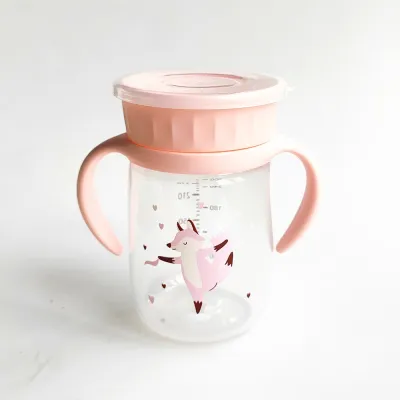
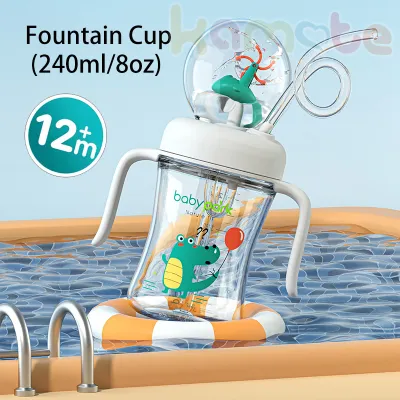
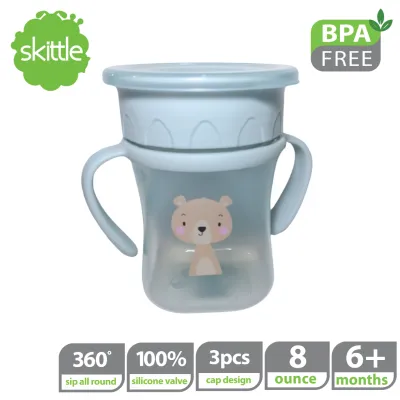
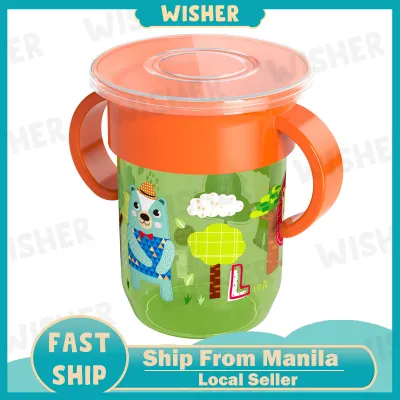
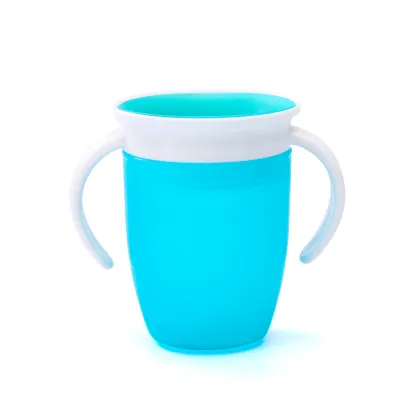
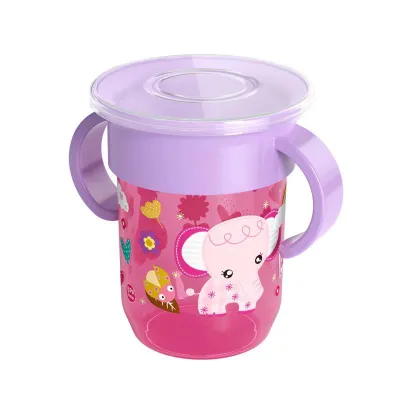
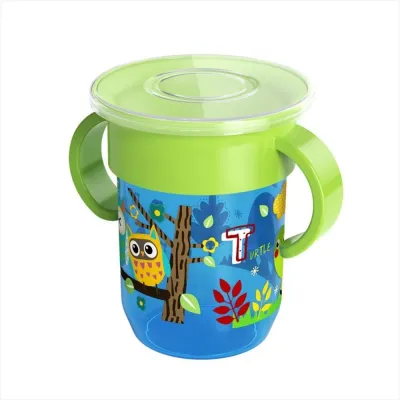
Prices are valid at publication and may change. Please refer to the product page for the latest price.

The flow rate and valve resistance of the cup must align with your child’s suction strength. A valve that requires too much effort can lead to frustration, causing your baby to reject the cup entirely. Conversely, a valve that is too loose may release liquid too quickly, leading to choking or messy spills. Look for adjustable or pressure-sensitive valves that release liquid only when the baby’s lip presses down on the rim.
Ergonomic design plays a critical role in how quickly your baby adapts to independent drinking. For younger infants who are still developing their grasp, cups with large, easy-to-grip handles are highly recommended. These handles allow babies to use both hands to stabilize the cup as they lift it to their mouths. As your child’s fine motor skills and hand-eye coordination improve, you can transition them to handle-free, contoured cups that prepare them for standard glassware.
Always verify the manufacturer’s age, weight, and developmental guidelines before finalizing your choice. These specifications are typically printed on the product packaging or detailed in the online listing. Because babies develop at different rates, these guidelines should serve as a baseline rather than an absolute rule. Observe how your baby interacts with the cup during their first few attempts to ensure the size and weight are appropriate for their current strength.
Key Features to Compare on E-Commerce Platforms
When browsing online marketplaces, comparing materials is crucial for ensuring durability and safety in a tropical climate. BPA-free plastics are lightweight and highly shatter-resistant, making them excellent for daily use and accidental drops on hard tile floors. Food-grade silicone is another popular choice, particularly for the valve and rim, as it is gentle on sensitive, teething gums. For families seeking superior temperature retention, stainless steel models keep water cool during hot, humid afternoons in the Philippines, though they are significantly heavier and may be harder for younger babies to lift.
The design of the valve mechanism directly affects both the ease of drinking and the effort required for cleaning. Removable silicone discs are highly common; they seal against the plastic rim and lift slightly when suction is applied. Some cups feature integrated, multi-piece valves that offer advanced spill-proof protection but require more meticulous alignment during assembly. Consider how many separate parts make up the valve assembly, as more components generally mean more areas where residue can hide.
Capacity options should match your baby’s daily hydration needs and your lifestyle. Smaller cups, typically ranging from 6 to 7 ounces (approximately 170 to 200 milliliters), are lighter and easier for tiny hands to manage during early training stages. Larger cups, around 10 ounces (approximately 300 milliliters), are better suited for older toddlers or for outdoor trips where refills are less convenient. Keep in mind that a full, large cup can be surprisingly heavy for a developing infant.
Lid and seal variations are essential for maintaining hygiene when you are on the go. Many 360-degree cups do not come with a travel lid by default, which can lead to dirt accumulating on the drinking rim inside a diaper bag. Look for product listings that include a snap-on travel cap or a secure lid. This simple accessory protects the silicone valve from dust and contaminants during family outings or trips to the park.
Building Your Shortlist: What to Verify Before Checkout
Navigating local e-commerce platforms requires a systematic approach to filter out low-quality or counterfeit products. Start by cross-referencing seller ratings and reading authentic buyer reviews. Pay close attention to feedback regarding leak resistance and valve durability over several months of use. Reviews that include photos or videos of the cup in action can provide valuable insights into how the product performs in real-world scenarios.
Verifying safety certifications is paramount when purchasing items that come into direct contact with your baby’s food and drink. Prioritize official brand stores or authorized local distributors on online marketplaces to ensure you are receiving genuine products. Look for explicit “BPA-free” and “phthalate-free” labels in the product specifications. If a listing lacks clear manufacturer details or uses generic, unbranded descriptions, it is best to avoid it in favor of a verified alternative.
Be vigilant against common red flags in product listings. Unusually low prices that seem too good to be true often indicate counterfeit goods made from substandard plastics that may leach harmful chemicals. Additionally, listings with poorly translated descriptions, missing safety warnings, or vague material origins should be treated with caution. Investing in a reputable, certified brand ensures that the materials used have undergone rigorous safety testing.
Finally, compare the total cost of the cup, factoring in shipping fees and potential bundle discounts. Many local sellers offer bundles that include replacement valves or cleaning brushes, which can provide better long-term value. When calculating your budget, consider whether purchasing a slightly more expensive cup from a trusted seller is more cost-effective than buying a cheaper alternative that may need to be replaced after a few weeks of use.
Safe Use, Maintenance, and When to Replace
Proper maintenance is vital to ensure your baby’s training cup remains hygienic and safe to use. High humidity levels in the Philippines create an ideal environment for mold and bacteria to thrive in damp, enclosed spaces. To prevent this, you must completely disassemble the cup after every single use. This means removing the silicone valve disc, separating the collar from the cup base, and taking off any removable handles or seals.
Wash all components thoroughly using warm water and a mild, baby-safe dishwashing liquid. Use a small detail brush or a dedicated bottle brush to clean the small crevices, threads, and holes where milk or juice residue can easily accumulate. Avoid using harsh abrasive sponges or strong chemical sterilizers that can degrade the silicone or scratch the plastic surfaces, creating microscopic grooves where bacteria can hide.
After washing, allow all parts to air-dry completely in a well-ventilated area before reassembling the cup. Placing damp components back together traps moisture, which rapidly leads to mold growth on the silicone valve. Inspect the silicone parts regularly for signs of wear and tear, such as discoloration, tears, or bite marks from teething babies. If you notice any damage or if the silicone begins to feel sticky, replace the valve or the entire cup immediately.
While training cups are excellent tools for weaning, it is important to monitor your baby’s overall progress and fluid intake. If your child consistently struggles to extract liquid, shows signs of frustration, or experiences coughing while drinking, temporarily pause use and consult your pediatrician or a pediatric dentist. They can offer personalized guidance on oral development and help you determine if a different style of cup or a slower transition plan is appropriate for your baby.
Frequently Asked Questions (FAQ)
Can a 360-degree cup completely replace a traditional sippy cup?
Yes, a 360-degree cup can serve as a complete alternative to a traditional sippy cup, and many pediatricians and pediatric dentists actually prefer it. Traditional sippy cups feature a hard or soft spout that encourages a sucking motion similar to a bottle, which can sometimes delay the development of mature swallowing patterns. In contrast, a 360-degree cup requires the child to use their lips and tongue to control the flow of liquid, mimicking the exact mechanics of drinking from a regular open cup. This helps strengthen the facial muscles and supports healthy dental alignment. However, some children may find the transition to a 360-degree cup challenging at first, so introducing it gradually alongside other cup types can help ease the process.
How do I prevent mold from growing inside the cup's valve?
Preventing mold in a tropical, humid climate requires a strict cleaning routine and thorough drying. You must disassemble every part of the cup, especially the silicone valve disc and the plastic collar, after each use. Wash them immediately with warm, soapy water, using a small, fine-bristled brush to clean out the tiny holes and channels where moisture and liquid residue linger. Once washed, shake off excess water and lay all pieces flat on a clean, dry rack in a well-ventilated space. Never reassemble the cup while any part is still damp, as trapping moisture inside the silicone seal is the primary cause of mold development. If mold spots do appear and cannot be completely scrubbed away, the silicone component must be discarded and replaced.

Community discussion
Share your experience or ask a question. Comments are reviewed before publication.