
Quick Answer: Which Maternity Belly Support Should You Choose?
Selecting the right maternity belly support depends on your current trimester, your physical comfort levels, and your daily activity patterns. There is no single option that suits every mother throughout her entire pregnancy journey. Instead, different designs serve distinct functional purposes as your body changes.
For early pregnancy, mild bloating, or when you simply want to extend the life of your pre-pregnancy wardrobe, a seamless belly band is the ideal choice. It offers light compression and keeps unbuttoned pants securely in place. If you are in your second or third trimester and experiencing localized lower back ache, pelvic girdle pain, or round ligament strain, a structured maternity support belt provides the targeted lift and pelvic stabilization required for active daily movement. For those seeking full-abdomen coverage, highly customizable pressure, or a supportive garment that transitions smoothly into early postpartum recovery, a maternity wrap offers the most versatile, comprehensive compression.
Understanding the 3 Types of Maternity Belly Support
To make an informed decision, it is essential to understand how these three categories of maternity belly support differ in their construction, mechanics, and primary functions. While they all wrap around your midsection, they interact with your growing bump in completely different ways.
Products mentioned in this guide
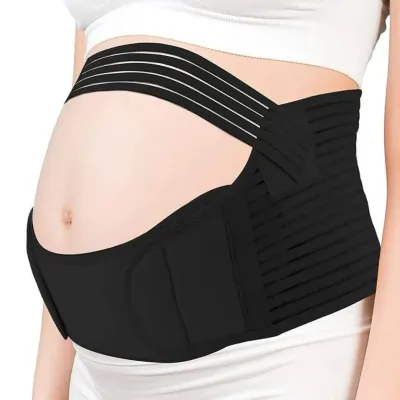
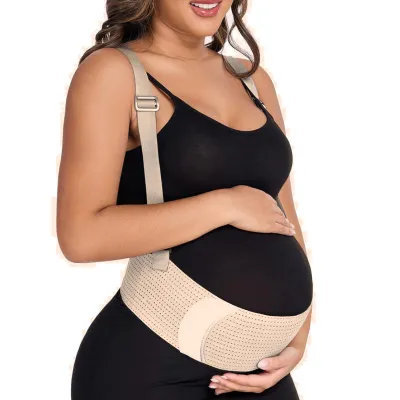
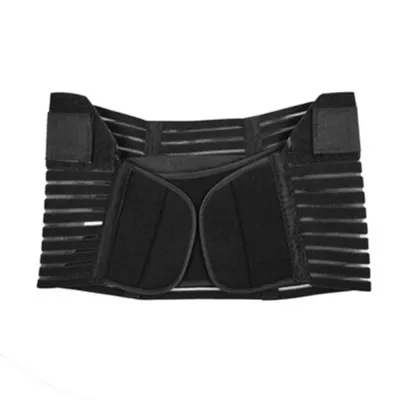
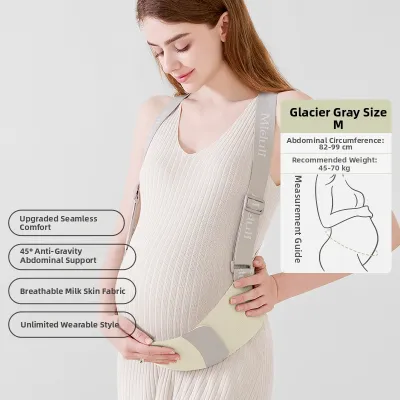
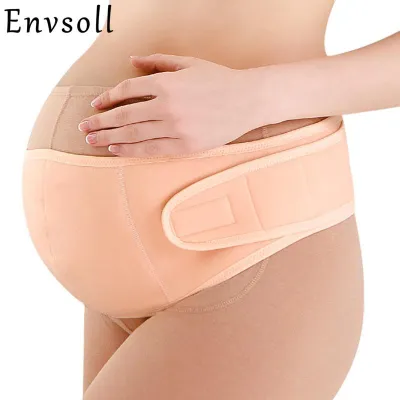
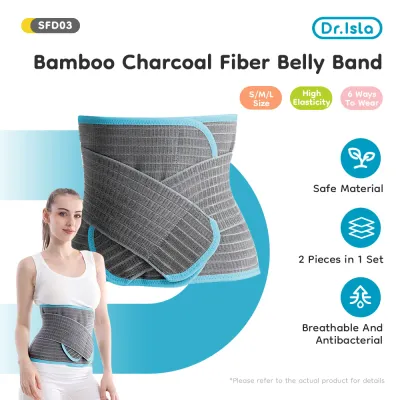
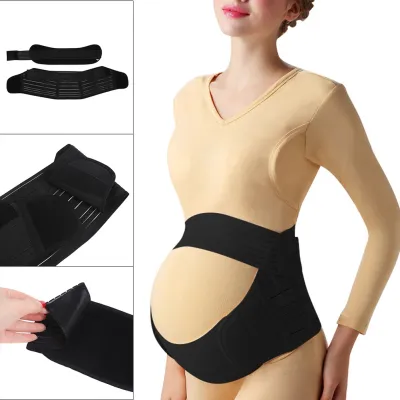
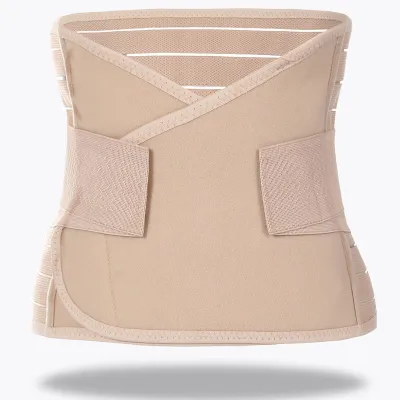
Prices are valid at publication and may change. Please refer to the product page for the latest price.

Belly Bands (Lightweight & Seamless)
Belly bands are continuous, elasticized tubes of fabric—typically made from a blend of nylon and spandex—that slip over your head or feet to cover your abdomen. They feature a seamless design that sits flat against your skin, making them virtually invisible under close-fitting clothing.
Because they lack rigid structures, straps, or fasteners, belly bands do not provide significant physical lifting or medical-grade support. Instead, they offer a gentle, reassuring hug across your entire midsection. Their primary utility is practical and aesthetic: they smooth out the silhouette of your changing body and hold up your unzipped or unbuttoned pre-pregnancy jeans, trousers, and skirts, allowing you to delay purchasing maternity wear during the transitional weeks of your pregnancy.
Maternity Support Belts (Targeted & Adjustable)
Unlike simple fabric bands, maternity support belts are highly structured, engineered garments designed to manage physical stress and redistribute weight. They generally consist of a narrow, durable band that sits low beneath your belly, paired with adjustable side straps, hook-and-loop (Velcro) fasteners, and sometimes flexible plastic or metal stays built into the back panel.
These belts work by acting as an external sling, lifting the heavy weight of the uterus upward and backward toward your spine. This mechanical lift immediately reduces the downward pressure on your pelvic floor, bladder, and cervix while stabilizing the sacroiliac (SI) joints. They are specifically designed for active wear during your second and third trimesters, helping you maintain mobility during commutes, household chores, or long periods of standing.
Maternity Wraps (Full Coverage & Customizable)
Maternity wraps are wide, expansive sheets of fabric that encase your entire abdominal region, extending from just below the bust line down to the hips. They utilize broad panels and adjustable fastening systems to allow you to customize the level of compression across different zones of your torso.
Rather than focusing solely on lifting the bump from underneath, a wrap provides uniform, stabilizing compression across your entire core. This design is highly favored by mothers who prefer a secure, cocoon-like feeling around their abdomen. Furthermore, many high-quality wraps are designed with dual utility in mind, serving as supportive prenatal wear in the final trimester and transitioning into abdominal binders to assist with muscle recovery during the early postpartum weeks.
Comparing Support Levels, Comfort, and Daily Use
Evaluating these garments side-by-side across key practical dimensions helps clarify how they perform under real-world conditions.
Support & Lift
The physical relief you experience is directly tied to the garment’s mechanical design. Belly bands offer passive tension, meaning they stretch to accommodate your shape but do not actively lift the baby bump. This makes them highly comfortable but ineffective for relieving moderate to severe skeletal pain.
Support belts provide active, adjustable upward lift, which physically alters how gravity impacts your body. This targeted lift is crucial for relieving the sharp, pulling sensations of round ligament pain. Maternity wraps sit in the middle, offering strong, distributed compression that stabilizes the core muscles and reduces general fatigue without the intense, localized lift of a structured belt.
Trimester Suitability
Your physical needs shift dramatically as your pregnancy progresses. During the first trimester and early second trimester, your bump is relatively light, making the soft compression of a belly band perfect for managing mild bloating and transitioning your wardrobe.
By the mid-second trimester and throughout the third trimester, the rapid growth of the baby shifts your center of gravity forward, often causing lordosis (an exaggerated inward curve of the lower spine). During this high-weight phase, the structured lifting power of a support belt becomes indispensable. Postpartum, however, support belts are generally too rigid and narrow to wear comfortably, leaving wraps as the superior choice for supporting weakened abdominal walls as they heal.
Breathability & Climate
In the tropical, high-humidity climate of the Philippines, heat retention is a major consideration for daily comfort. Wearing thick, non-breathable materials close to your skin can quickly lead to excessive sweating, heat rashes (locally known as bungang-araw), or contact dermatitis.
When shopping, always check the product labels for breathable, moisture-wicking fabrics such as bamboo-derived rayon, cotton blends, or open-weave mesh panels. Seamless belly bands are generally thin and breathable, whereas heavy-duty support belts and thick wraps can trap heat. If you commute via public transit or spend time in non-air-conditioned spaces, prioritizing a belt with ventilated mesh panels will significantly improve your daily comfort.
Ease of Use & Bathroom Breaks
Frequent restroom visits are a constant reality during pregnancy, making the ease of removing and readjusting your support garment a major practical factor.
Belly bands are incredibly simple to manage, requiring no complex adjustments during the day. Support belts, while highly effective, feature multiple straps and Velcro closures that must be unfastened or repositioned every time you use the bathroom, which can become tedious. Wraps require the most effort to put on and adjust, often making them less convenient for quick trips to public restrooms or busy days away from home.
| Feature | Belly Band | Support Belt | Maternity Wrap |
|---|---|---|---|
| Primary Purpose | Wardrobe extension & smoothing | Pain relief & pelvic stabilization | Full-core support & postpartum recovery |
| Support Level | Light / Mild | Firm / Targeted | Medium / Distributed |
| Best Trimester | 1st to early 2nd Trimester | 2nd and 3rd Trimesters | Late 3rd Trimester & Postpartum |
| Breathability | High (thin, flexible fabrics) | Variable (look for mesh panels) | Moderate (can be warm due to coverage) |
| Ease of Adjusting | Very Easy (slip-on design) | Moderate (requires adjusting straps) | Complex (requires wrapping and securing) |
Decision Framework: Matching Support to Your Needs
To find the exact product that fits your lifestyle, evaluate your daily physical demands and comfort preferences against these specific scenarios.
Choose a Belly Band if:
- You are in your first or early second trimester and your pre-pregnancy pants are becoming uncomfortably tight but maternity clothes are still too large.
- You experience little to no back or pelvic pain and simply want a smooth, seamless layer under form-fitting dresses or office wear.
- You prioritize a simple, slip-on garment that requires zero adjustments throughout the day.
Choose a Support Belt if:
- You are in your second or third trimester and experience aching lower back pain, pelvic girdle pain, or sharp round ligament pain when walking.
- Your daily routine involves prolonged standing, walking, or navigating bumpy commutes on public transportation.
- You want a highly adjustable garment that allows you to customize the upward lift as your baby bump grows.
Choose a Maternity Wrap if:
- You prefer a secure, fully enclosed feeling across your entire abdomen rather than a narrow band under your bump.
- You are looking for a modern, hygienic evolution of traditional postpartum belly wrapping practices (such as the traditional bigkis or bengkung wrapping) to assist with abdominal wall recovery after childbirth.
- You want a single, versatile product that can be adjusted to fit both your late-pregnancy bump and your changing postpartum shape.
Verify First if:
- You are carrying multiples, have a high-risk pregnancy, or suffer from pre-existing vascular or cardiovascular conditions.
- You experience gestational hypertension or preeclampsia, as compression garments can affect localized blood pressure and circulation.
- You must consult your obstetrician-gynecologist (OB-GYN) before purchasing or wearing any compressive maternity garment to ensure it is safe for your specific pregnancy profile.
Safe Usage, Fit, and When to Stop
While maternity support garments are excellent tools for managing discomfort, they are designed to be supportive aids rather than permanent medical treatments. Using them correctly is vital to protect your health and the safety of your baby.
Always read and follow the manufacturer’s specific guidelines regarding wear times. As a general rule, limit the use of structured support belts or wraps to 2 to 4 hours at a time, wearing them primarily during periods of physical activity or standing. Avoid wearing structured supports 24/7 or while sleeping, as your body needs periods of rest to maintain natural muscle engagement, blood circulation, and digestion.
To check for a proper fit, ensure you can slide two fingers comfortably underneath the edges of the garment. The support should sit low on your hips, cradling the bottom of your bump to lift it upward, rather than compressing the center of your abdomen. It should feel supportive and secure, never tight enough to restrict your breathing, alter your digestion, or limit your baby’s movement.
Stop using the garment immediately and consult your OB-GYN or a healthcare professional if you experience any of the following warning signs:
- A noticeable decrease in fetal movement or activity.
- Increased physical pain, cramping, or pelvic pressure.
- Numbness, tingling, or a "pins and needles" sensation in your hips, groin, or legs.
- Skin irritation, severe itching, or persistent red marks that do not fade quickly after removal.
- Dizziness, shortness of breath, or a feeling of lightheadedness.
Frequently Asked Questions (FAQ)
Can I wear maternity belly support while sleeping?
Generally, structured maternity support belts and wraps should be removed before you go to sleep. Wearing compressive garments while lying down can restrict your blood circulation, interfere with natural digestion, and limit your baby’s movement during the night. If you require mild warmth or light abdominal coverage while resting, a soft, non-restrictive, seamless belly band may be worn, provided it does not apply active compression. For nighttime discomfort, using specialized pregnancy body pillows to support your bump and align your hips is a safer and more comfortable alternative.
Will wearing a support belt weaken my core muscles?
When used appropriately—limited to a few hours a day during active periods—maternity support belts will not cause your core muscles to weaken or atrophy. They are designed to assist your body temporarily during physical exertion rather than replace the function of your abdominal and pelvic muscles. To prevent muscle dependency, pair the use of your support belt with gentle, pregnancy-safe core and pelvic floor exercises, such as pelvic tilts or modified kegels, as approved by your OB-GYN or a physical therapist.

Community discussion
Share your experience or ask a question. Comments are reviewed before publication.