
Quick Answer: Which Tummy Supporter Is Right for Your Pregnancy?
Choosing a tummy supporter for pregnant individuals is not a one-size-fits-all decision. As your body changes across the three trimesters, your physical support requirements shift dramatically. Selecting the right product depends entirely on your current stage of pregnancy, daily activity levels, and the specific type of discomfort you are experiencing.
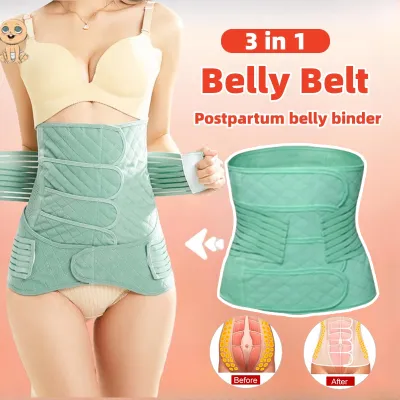
- Belly Band: Best for the first and early second trimesters. It offers light compression, helps extend the life of your pre-pregnancy clothes, and manages mild bloating.
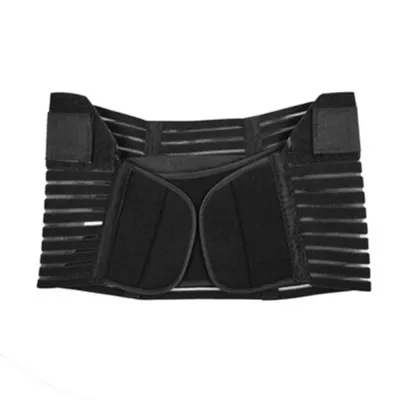
- Full Support Belt: Ideal for the late second and third trimesters. This structured, heavy-duty garment provides targeted lifting to alleviate severe lower back pain, pelvic girdle pain (PGP), and round ligament strain during active daytime hours.
- Pregnancy Pillow: Essential for nighttime rest across all trimesters. It supports your side-sleeping posture, aligns your hips, and cushions your growing belly without applying active compression.
Ultimately, no single option is universally superior. Instead, they serve as complementary tools designed to address distinct daytime activities and nighttime sleep challenges.
Belly Band vs. Full Support Belt vs. Pregnancy Pillow: Core Differences
To choose the right tummy supporter for pregnant bodies, it is essential to understand the physical design, material composition, and intended function of each category. These products differ significantly in how they distribute weight, the level of compression they apply, and when they should be worn.
Products mentioned in this guide
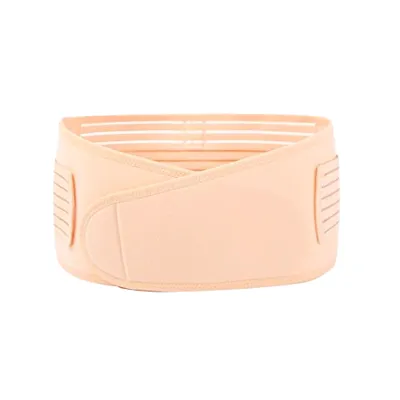
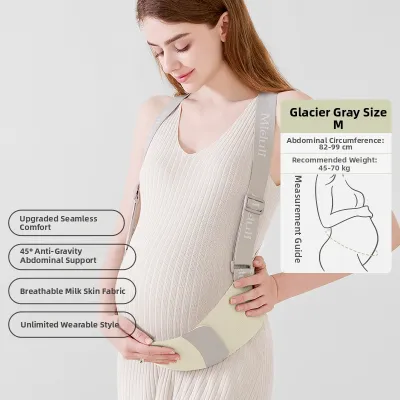
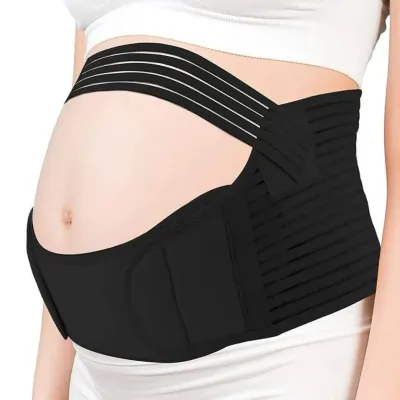

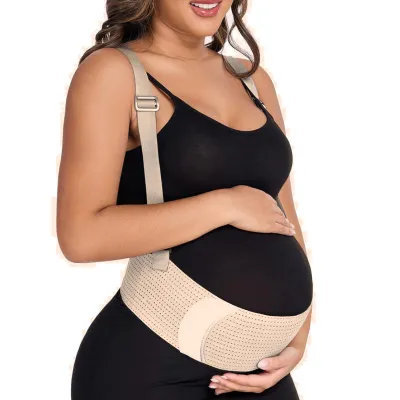
Prices are valid at publication and may change. Please refer to the product page for the latest price.

Belly Bands (Pregnancy Bands)
A belly band is typically a seamless, elasticized tube of fabric worn over the abdomen. Most models are crafted from a nylon-spandex blend that offers mild, flexible compression. Their primary function is to provide light support to the lower abdomen while bridging the gap between unbuttoned pre-pregnancy trousers and your shirts. Because they are lightweight, thin, and highly breathable, they are exceptionally well-suited for warm, tropical climates, allowing you to stay cool while receiving subtle support.
Full Support Belts (Maternity Support Bands)
In contrast, a full support belt is a highly structured, orthotic-style garment. These systems often consist of multiple adjustable tension straps, cross-back reinforcement panels, pelvic support bands, and sometimes even over-the-shoulder straps to distribute the weight of the baby bump to your upper back and shoulders. They are constructed from heavy-duty, reinforced materials to provide maximum lift. Because these garments are more substantial, looking for models with ventilated mesh panels is crucial to prevent excessive sweating and heat rash in humid conditions.
Pregnancy Pillows
Unlike wearable daytime supports, a pregnancy pillow is a large, contoured cushion engineered specifically for resting. They come in various shapes, including U-shaped, C-shaped, and compact wedges. These pillows are filled with materials like memory foam, polyester fiberfill, or microbeans, and are designed to support your head, neck, back, hips, and belly simultaneously.
The fundamental distinction lies in the usage context: belly bands and full support belts are active, daytime orthotics designed to assist your muscles while you stand, walk, or work. Pregnancy pillows are passive, nighttime recovery tools designed to eliminate joint strain and maintain safe sleeping positions when your muscles are fully relaxed.
Choosing by Trimester: When to Use Each Support Type
Your body undergoes distinct anatomical changes as your baby develops. Understanding these transitions helps you time your purchases and avoid buying unnecessary gear too early.
First and Early Second Trimester (Weeks 1–20)
During the first trimester and the beginning of the second, your baby bump is just starting to show. Physical changes at this stage are often characterized by internal shifts: mild abdominal bloating, localized uterine stretching, and breast tenderness. Your center of gravity remains relatively stable, meaning you do not yet require heavy structural lifting.
At this stage, a basic, stretchy belly band is highly effective. It allows you to continue wearing your favorite pre-pregnancy jeans or skirts by holding them up even when unbuttoned, saving you from immediate maternity wardrobe expenses. The gentle compression can also provide a comforting sense of security against mild bloating.
Introducing a heavy, multi-strap support belt during these early weeks is generally unnecessary and can feel overly restrictive, potentially exacerbating early pregnancy nausea or acid reflux. A pregnancy pillow may also be optional at this point, though a small wedge pillow can be useful if you are already experiencing early hip discomfort or struggle to transition to side-sleeping.
Late Second and Third Trimester (Weeks 21–40)
As you enter the late second trimester and progress toward your due date, your baby’s weight increases rapidly. Your center of gravity shifts forward, pulling your pelvis into an anterior tilt and putting immense strain on your lower back muscles and the round ligaments that support your uterus. This is also when the hormone relaxin peaks, loosening your pelvic joints and often causing pelvic girdle pain (PGP) or symphysis pubis dysfunction (SPD).
For daytime activities, a full support belt becomes a vital tool. The structured design lifts the lower abdomen, transferring a portion of the physical load away from your lower spine and onto your hips and upper back. This is particularly beneficial if your daily routine involves standing for extended periods, commuting, or managing household chores in warm weather.
A simple elastic belly band is usually no longer sufficient to counteract this level of physical load, as it lacks the rigid tension required to stabilize loose pelvic joints. When selecting a belt for this stage, look for models with adjustable tension straps so you can modify the support level as your bump grows.
Nighttime and Resting Support (All Trimesters)
While daytime support focuses on active stabilization, nighttime support centers on alignment and decompression. It is critical to understand that active compression garments—such as full support belts and tight belly bands—should never be worn while sleeping. Wearing compression wear for 24 hours straight can restrict blood circulation, compress major blood vessels, and cause skin irritation, especially in humid tropical climates where sweat can accumulate under tight bands.
This is where the pregnancy pillow becomes indispensable. Starting in the second trimester, medical professionals generally recommend sleeping on your side to optimize blood flow to the placenta. A pregnancy pillow provides the physical structure needed to maintain this side-sleeping position comfortably.
By placing a contoured pillow between your knees and ankles, you align your hips and pelvis, reducing the twisting force on your lower back. Supporting the underside of your belly with a wedge or the arm of a U-shaped pillow prevents the heavy bump from pulling your spine out of alignment. This passive support ensures your muscles can fully relax and recover overnight.
Comparing Relief for Specific Pregnancy Discomforts
To help you target your specific pain points, this section maps common pregnancy symptoms directly to the most appropriate support product.
| Pregnancy Symptom | Primary Support Product | Why It Helps | Usage Tips & Considerations |
|---|---|---|---|
| Lower Back Pain | Full Support Belt | Lifts the abdomen to correct your center of gravity and reduce lower back muscle strain. | Wear during active hours; ensure it sits low on the hips and is not pulled too tightly across the stomach. |
| Pelvic Girdle Pain (PGP) / SPD | Full Support Belt with Pelvic Band | Compresses and stabilizes the sacroiliac (SI) joints and pubic symphysis. | Look for belts with a dedicated lower pelvic strap that wraps firmly around the hip bones. |
| Round Ligament Pain | Belly Band (Mild) or Full Support Belt (Severe) | Alleviates the sharp, pulling sensation on the sides of the lower abdomen by supporting the weight of the uterus. | Use a lightweight belly band for occasional twinges; upgrade to a belt if walking triggers sharp pain. |
| Sleep Discomfort & Hip Pain | Pregnancy Pillow (Full-Body or Wedge) | Aligns the hips, supports the belly, and prevents rolling onto your back. | Place a portion of the pillow between your knees to keep your pelvis neutral; use a wedge under the belly. |
| Clothing Fit & Mild Bloating | Basic Belly Band | Bridges the gap for unbuttoned pants and provides light, comforting compression. | Choose breathable, seamless fabrics to avoid skin chafing under your clothing. |
While these support products are highly effective at managing and alleviating daily discomforts, they are not medical cures. They work by temporarily redistributing weight and stabilizing joints. If you experience persistent, sharp, or worsening pain, it is essential to seek a professional medical evaluation from your OB-GYN or a licensed physical therapist.
Decision Framework: Which One Should You Buy?
To finalize your purchasing decision, evaluate your daily lifestyle, current trimester, and budget. You do not necessarily need to buy every product on the market. Instead, use this targeted framework to guide your choices:
- Choose a Belly Band if: You are in your first or early second trimester, your primary goal is to extend your pre-pregnancy wardrobe, and you only require mild, lightweight compression for daily comfort.
- Choose a Full Support Belt if: You are in your late second or third trimester, you experience significant lower back, pelvic, or round ligament pain during daily activities, or your routine requires prolonged standing, walking, or light lifting.
- Choose a Pregnancy Pillow if: Your primary challenge is poor sleep quality, hip pain at night, or difficulty remaining comfortably on your side without rolling onto your back.
Before purchasing any compression garment, always verify your health status. If you have a high-risk pregnancy, a history of circulatory issues, severe pelvic floor dysfunction, or specific medical restrictions, you must obtain your doctor’s clearance before using any wearable support. Additionally, when shopping in the Philippines, prioritize breathable, moisture-wicking fabrics to ensure the product remains comfortable to wear in high humidity.
Safety Guidelines and When to Consult Your Doctor
Using pregnancy support products safely requires adhering to proper usage boundaries to protect both your health and your baby’s development. Wearable support garments must never be worn too tightly. Excessive compression can restrict blood flow, compress the vena cava, worsen acid reflux, and cause skin irritation or heat rashes.
Limit your use of active support belts to a maximum of two to three hours at a time, or during periods of physical activity. Wearing a support belt continuously throughout the day can lead to muscle reliance, where your core and pelvic floor muscles become underactive because the belt is doing all the work. It is vital to actively engage your core muscles and perform safe, pregnancy-approved exercises to maintain your natural strength.
Immediately stop using any support product and consult your healthcare provider if you experience:
- Numbness, tingling, or a "pins and needles" sensation in your legs or pelvic area.
- Restricted breathing or shortness of breath.
- Severe or worsening acid reflux.
- Increased pain or localized bruising.
Always consult your OB-GYN or a specialized pelvic floor physical therapist before incorporating a compression garment into your routine, particularly if you are managing a high-risk pregnancy or severe pelvic instability.
Frequently Asked Questions (FAQ)
Can I wear a belly band or support belt while sleeping?
No, you should avoid wearing active compression belts or bands while sleeping unless explicitly instructed to do so by your healthcare provider. During sleep, your body needs to move freely, and continuous compression can restrict blood circulation and limit natural movement. For nighttime belly and back support, transition to a dedicated pregnancy pillow or a soft foam wedge.
Will wearing a tummy supporter weaken my abdominal muscles?
If used excessively, yes. Relying on a support belt constantly throughout the day without breaks can cause your abdominal and pelvic floor muscles to become lazy, leading to muscle weakness over time. To prevent dependency, limit belt usage to active hours (2 to 3 hours at a time) and complement it with gentle, doctor-approved prenatal core-strengthening exercises.
Do I need both a support belt and a pregnancy pillow?
Not necessarily, as they serve completely different purposes. A support belt is an active, daytime orthotic for lifting and stabilizing, while a pregnancy pillow is a passive, nighttime sleep aid. Many women find that owning both provides the most comprehensive relief during the third trimester, but you can choose based on whether your primary pain occurs during daytime movement or nighttime rest.

Community discussion
Share your experience or ask a question. Comments are reviewed before publication.