
Bed railings are not safe for infants and young babies under the age of two. While these products are often marketed as general safety accessories to prevent falls, they are designed exclusively as transitional tools for older toddlers who possess the physical strength and coordination to extricate themselves if they roll into a tight space. For younger babies, bed railings present a severe risk of entrapment and suffocation, as their small bodies can easily slide into gaps between the mattress and the rail.
Determining whether a bed railing is appropriate for your home depends entirely on your child’s exact age, developmental milestones, and the structural design of your bed setup. Before purchasing or installing any guard rail, caregivers must understand the physical mechanics of entrapment, recognize the warning signs of an unsafe sleeping environment, and evaluate alternative sleep arrangements that prioritize infant safety.
Age and Developmental Readiness for Bed Railings
According to pediatric safety guidelines and international consumer product standards, the minimum age for safely using a bed railing is two years old. Before this age, infants lack the head control, neck strength, and motor skills required to free themselves if they wedge their faces or bodies against the barrier. Even if a baby can roll over or sit up during playtime, the relaxed muscle tone of deep sleep makes it incredibly difficult for them to escape a tight, constricting space.
Products mentioned in this guide

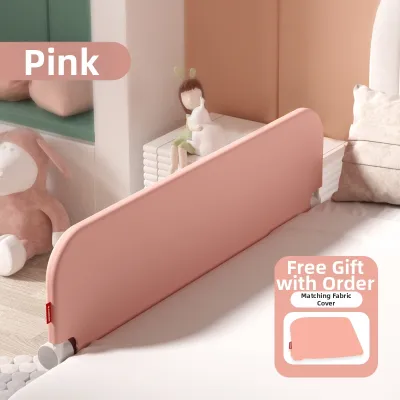
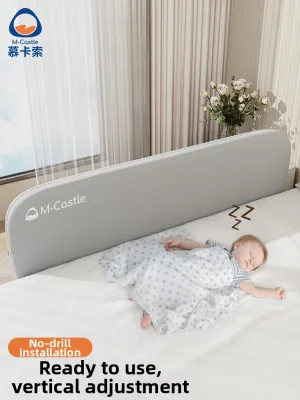
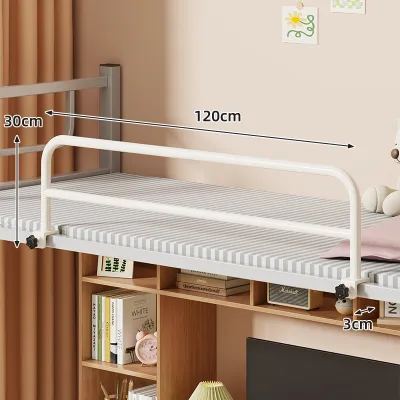
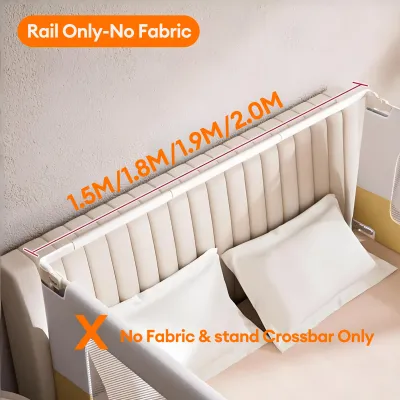
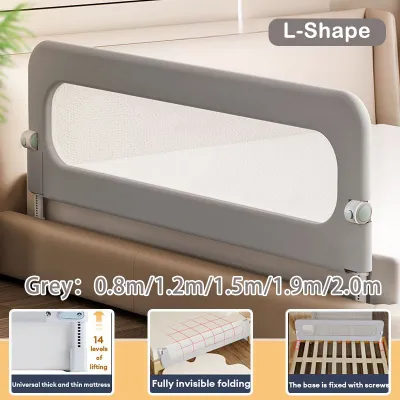
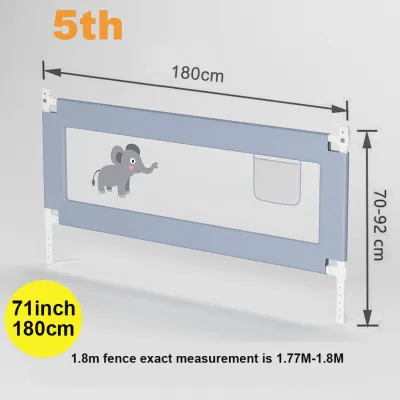

Prices are valid at publication and may change. Please refer to the product page for the latest price.
To determine if your child is developmentally ready for a bed railing, you must verify that they have transitioned out of a crib and are sleeping in a standard toddler or twin bed. The child must be physically capable of climbing in and out of the bed independently without assistance. This milestone indicates that their limbs are strong enough and their spatial awareness is sufficiently developed to navigate the boundaries of a larger mattress safely.
Caregivers must also recognize when it is time to remove a bed railing entirely. If your child begins to use the railing as a ladder to climb over the side of the bed, the product immediately becomes a hazard. Climbing over a raised rail increases the fall height significantly, which can lead to more severe injuries than rolling off a low mattress. Once a child can sleep consistently without rolling near the edge, or if they attempt to scale the barrier, the railing should be dismantled.
In tropical regions where high humidity is common, children often sleep in minimal clothing or light sleepwear. This direct skin contact means that any rough materials, exposed hinges, or synthetic fabrics on the railing can cause skin irritation or trap sweat. Ensure your child’s developmental readiness aligns with a sleep environment that remains cool, dry, and free of physical obstructions.
Understanding Entrapment and Suffocation Hazards
The primary danger associated with bed railings is entrapment, which occurs when a gap opens between the side of the mattress and the vertical barrier of the rail. Because mattresses are flexible, they compress when weight is applied near the edge. When a child rolls toward the side of the bed, their body weight can push the mattress inward, creating a V-shaped pocket. A baby can easily slip into this hidden space, face-down or chest-first, and become wedged.

Once trapped in this gap, suffocation can occur within minutes. If the baby’s nose and mouth are pressed against a solid mattress or a non-breathable fabric barrier, their airway is completely blocked. Additionally, positional asphyxia can occur if the baby’s head is bent at an angle that restricts the trachea, preventing them from breathing even if their face is not fully covered. Because infants sleep deeply, they may not wake up or cry out when their breathing becomes compromised.
There is a significant difference in risk profiles between soft bumper pads and rigid or mesh bed rails. Soft, pillow-like bumper pads that tie to crib slats are widely discouraged by pediatricians because they pose an immediate suffocation risk if an infant presses their face against them. Rigid bed rails made of metal, wood, or tightly tensioned mesh are designed to prevent falls from larger beds, but they still require a completely flush fit against the mattress to eliminate the risk of pocketing.
Warning signs of an unsafe sleep environment include using a bed railing on a mattress that is too soft, too thin, or mismatched with the bed frame. For example, thin foam mattresses commonly used in local households compress easily under minimal pressure, which significantly increases the likelihood of a dangerous gap forming. If you can easily slide your hand or a soft toy between the mattress and the rail, the setup is unsafe for sleep.
Essential Safety Features to Verify Before Purchase
When shopping for a bed railing, you must carefully evaluate the physical safety design and structural integrity of the product rather than relying on marketing claims. Look for robust locking mechanisms that prevent the rail from accidentally folding down or collapsing. A secure rail should feature dual-lock buttons or child-proof release latches that require two distinct physical actions to disengage, ensuring a toddler cannot accidentally trigger the fold-down mechanism while playing.
Material breathability and structural rigidity are equally critical. The fabric portion of the rail should consist of high-density, tightly woven mesh that allows maximum airflow. This is especially important in warm, humid climates where poor ventilation can lead to heat retention and breathing discomfort. The frame itself must be constructed from rigid steel or heavy-duty aluminum that does not bend or flex when pressure is applied to the center of the rail.
Dimensional compatibility with your specific mattress and bed frame is a non-negotiable safety factor. Manufacturers design bed railings to work within specific mattress thickness ranges, such as 4 to 10 inches. If your mattress is too thin, the anchoring system will not tension correctly, leaving a dangerous gap at the bottom. Always measure your mattress height and compare it to the product specifications before making a purchase.
Safe bed railings must utilize an active anchoring system, such as heavy-duty straps that wrap completely underneath the mattress and secure to the opposite side of the bed frame or box spring. This anchor pulls the rail tightly against the side of the mattress, preventing it from shifting outward over time. Avoid models that rely solely on the weight of the mattress to hold the rail in place, as these are highly prone to sliding and creating entrapment gaps.
Safe Installation and Daily Maintenance Checklist
Proper installation is just as important as choosing the right product. Once the bed railing is assembled, you must perform the tight-fit test. Attempt to push your hand between the mattress and the rail at multiple points along the barrier. If you can create any visible gap, or if the rail shifts outward by more than a few millimeters, you must adjust the tensioning straps or reinstall the anchoring system. The rail must remain completely flush against the mattress under pressure.
Regular maintenance is essential to ensure ongoing safety, as daily use can loosen components. Establish a weekly routine to check for loose screws, frayed fabric, torn mesh, or compromised locking hinges. In humid environments, metal parts can rust and wooden frames can warp, which may affect how smoothly the locking mechanisms operate. If any part of the rail is damaged or fails to lock securely, discontinue use immediately.
To maintain a safe sleeping space, enforce a strict rule against hanging items on or near the bed railing. Do not drape heavy blankets, mosquito nets, pacifier clips, or toys over the rail. These items can easily become wrapped around a child’s neck or limbs, creating a severe strangulation hazard. Keep the area immediately surrounding the rail clear of any cords, electrical cables, or window blind pulls.
Safe Sleep Alternatives for Younger Babies
For infants and babies under two years of age, a standard crib that meets current safety standards remains the safest sleeping environment. Cribs are designed with fixed, rigid slats spaced closely together to prevent entrapment while allowing optimal airflow. If you prefer to keep your baby close during the night, a certified bedside sleeper that attaches securely to your bed frame provides a separate, safe sleep surface without the risks associated with co-sleeping or adult bed rails.
If you are transitioning a toddler who is not yet ready for a high bed with rails, a floor bed setup is an excellent alternative. Placing a firm mattress directly on the floor eliminates the danger of serious fall injuries entirely. When using a floor bed, you must thoroughly baby-proof the entire bedroom. This includes anchoring all heavy furniture to the walls, covering electrical outlets, removing small choking hazards, and securing windows and doors.
When using alternative sleep spaces, you should stop using them and re-evaluate your setup as your child grows. For instance, once a baby can climb out of a crib, the crib is no longer safe, and they must transition to a toddler bed or a floor bed. By matching your child’s physical capabilities to the appropriate sleep environment, you can prevent accidents and ensure a peaceful, secure night’s rest.
Frequently Asked Questions (FAQ)
Are mesh bed railings safer than wooden ones?
Mesh bed railings generally offer better breathability and impact protection than solid wooden rails, making them a popular choice for active toddlers. If a child rolls into a mesh rail, the fabric yields slightly, reducing the risk of minor bumps and bruises. However, mesh rails must be tightly tensioned; if the mesh is loose or saggy, it can create a pocketing hazard. Wooden rails provide superior structural rigidity and do not stretch, but they lack cushioning and require careful installation to ensure no gaps exist between the wooden slats and the mattress.
Can I use a bed railing on a toddler bed or bunk bed?
You should never use aftermarket bed railings on bunk beds, especially on the top bunk. Bunk beds require specific, integrated guardrails that are built into the bed frame to prevent falls from significant heights; aftermarket rails can easily fail under these conditions. For toddler beds, you must verify the manufacturer’s product label to ensure the rail is compatible with the smaller frame size and lower mattress weight. Always check the weight, age, and mattress thickness limits specified by the manufacturer before installing a rail on any bed type.

Community discussion
Share your experience or ask a question. Comments are reviewed before publication.