
Fall prevention bed rails can be a helpful tool to keep a transitioning toddler from rolling out of bed, but their safety is not automatic. Whether a bed rail is safe depends entirely on selecting the right model for your specific bed, installing it correctly, and strictly following the manufacturer’s guidelines. The primary hazard associated with these products is entrapment—where a child becomes wedged between the rail and the mattress or bed frame. Understanding how to identify, prevent, and manage this risk is essential for maintaining a secure sleeping environment for your child.
Understanding Entrapment Risks in Bed Rails
Entrapment occurs when a child gets caught in the spaces within or around the bed rail structure. The most common hazard zone is the gap created between the mattress and the side of the rail. If the rail shifts or is not secured tightly, a child can slip into this space, leading to serious breathing difficulties or physical injury. Another potential hazard lies in the folding or hinge mechanisms of the rail itself, where V-shaped openings or moving joints can pinch or trap small limbs if they are not properly shielded or locked.
A child’s developmental stage and physical mobility play a major role in these safety dynamics. Bed rails are generally intended for children who can get in and out of bed unassisted, typically starting around two years of age. If a child is too young or lacks the motor skills to extricate themselves from a tight space, the risk of entrapment increases significantly. Conversely, older or highly active toddlers may attempt to climb over the rail, which can lead to dangerous falls from a greater height or cause the rail to dislodge under their weight.
Products mentioned in this guide
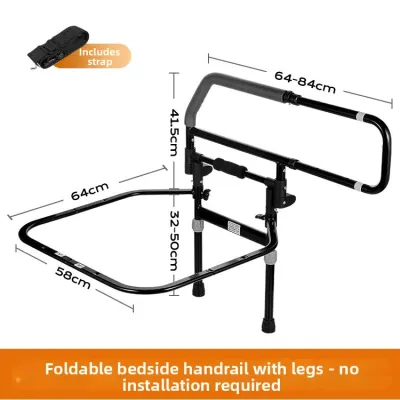

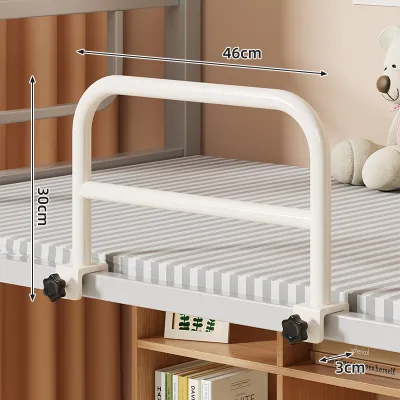
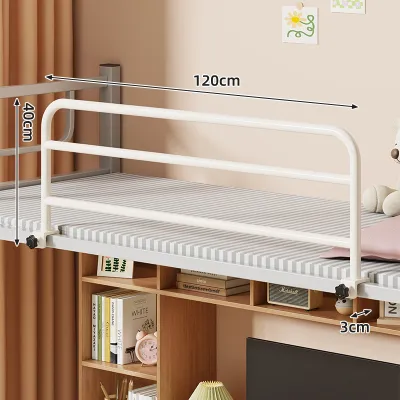
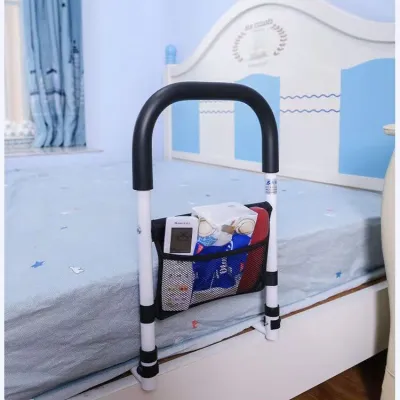
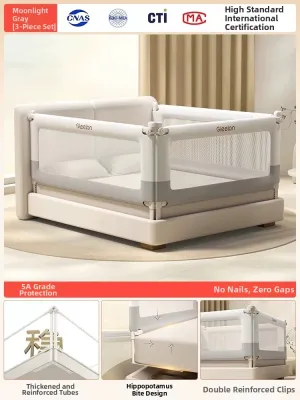
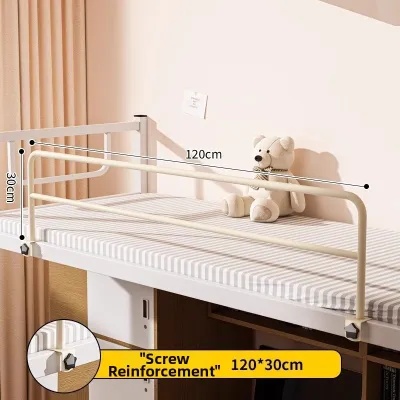
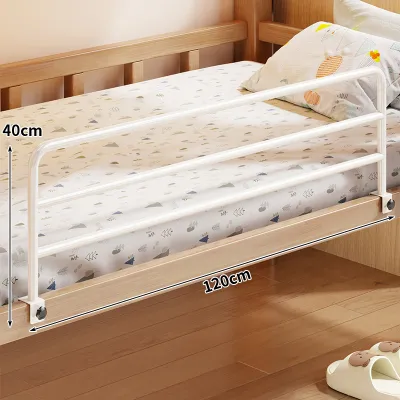
Prices are valid at publication and may change. Please refer to the product page for the latest price.
Using makeshift, damaged, or poorly fitted bed rails dramatically heightens these dangers. Homemade barriers, such as pillows, heavy blankets, or repurposed wooden slats, do not have the structural integrity or tested dimensions required to prevent entrapment. Similarly, a second-hand rail with missing straps, worn-out mesh, or bent metal bars cannot be trusted to hold firm against a child’s movement. In the humid tropical climate of the Philippines, materials like fabric mesh or plastic connectors can degrade faster if exposed to moisture or direct sunlight, making regular inspection of older or stored rails even more critical.
Key Design Features to Prevent Entrapment
When shopping for a fall prevention bed rail, caregivers must look past aesthetic appeal and focus on specific physical design elements that minimize entrapment hazards. The first feature to inspect is the locking mechanism. High-quality rails utilize child-resistant, multi-step locks that prevent accidental folding or collapsing when a child presses against the barrier. These locks should require a deliberate, dual-action motion from an adult to disengage, ensuring the rail remains upright and rigid throughout the night.

Next, examine the structural components of the barrier itself. If the rail uses vertical or horizontal bars, the spacing between them must be narrow enough to prevent a child’s head, torso, or limbs from slipping through. For models that feature fabric barriers, look for high-density, breathable mesh that is tightly tensioned across the frame. The mesh must be strong enough to resist sagging when leaned on, and the frame itself must exhibit high structural rigidity so it does not bow outward under pressure.
The most critical design element is how the rail interfaces with the mattress. A safe bed rail must establish a continuous, snug fit against the side of the mattress, leaving no gaps at the head, foot, or along the sleeping surface. Many modern designs utilize anchor straps that wrap completely around the mattress or secure directly to the opposite side of the bed frame to pull the rail tightly against the mattress edge. Caregivers should verify that these anchoring systems are robust, adjustable, and compatible with the thickness of their specific mattress.
Navigating Safety Standards and Certifications
Because bed rails are high-contact safety items, caregivers should avoid generic products sourced from online marketplaces that lack clear manufacturer details. When evaluating a bed rail, look closely at the product packaging, labels, and instruction manuals for recognized safety certification marks. While specific standards vary globally, reputable manufacturers will explicitly state compliance with established international safety specifications for children’s products, such as ASTM or EN standards.
Always read the manufacturer’s warnings and specifications before making a purchase. These documents outline strict limitations regarding the child’s age, weight, and developmental milestones, as well as the specific mattress sizes and types that the rail can safely accommodate. For instance, some rails are only certified for use with standard twin or queen mattresses of a specific thickness and are unsafe when paired with thin foam mats or extra-thick pillow-top mattresses.
Purchasing uncertified or unbranded rails carries significant risks. These products often lack traceable manufacturer contact information, clear assembly instructions, or warning labels. If a safety issue or product recall occurs, caregivers of unbranded items have no way of receiving critical safety updates or replacement parts. Investing in a traceable, certified brand ensures that the product has undergone rigorous design evaluations to minimize known entrapment hazards.
Safe Installation and Daily Usage Practices
Even the most highly certified bed rail can become a hazard if it is installed incorrectly. Caregivers must strictly follow the step-by-step installation instructions provided by the manufacturer for their exact bed and mattress type. Never skip steps, omit hardware, or substitute parts. If the instructions call for securing anchor plates under the mattress or screwing brackets into the bed slats, these steps must be executed precisely to prevent the rail from shifting over time.
To maintain a safe sleeping environment, establish a quick daily routine to inspect the bed rail before putting your child to sleep. Check that the anchor straps remain tight and have not loosened due to daily bed-making or the child’s movement. Test the locking mechanisms to ensure they are fully engaged and rigid. Finally, visually inspect the boundary between the mattress and the rail to confirm that no gaps have formed where a child’s body could become trapped.
Knowing when to stop using a bed rail is just as important as knowing how to install it. Caregivers should immediately remove the rail if they observe any signs of structural wear, such as torn mesh, cracked plastic joints, or broken locks. Additionally, once your child begins attempting to climb over the rail, or if they reach the manufacturer’s maximum height or weight limits, the rail has served its purpose and must be removed to prevent fall injuries. If you are unsure about your child’s readiness or safety, consult a qualified pediatrician or child safety professional for guidance.
Frequently Asked Questions (FAQ)
At what age or developmental stage should I stop using a bed rail?
You should transition away from using a bed rail when your child reaches the manufacturer’s specified maximum height or weight limit, or when they develop the physical ability to climb over the rail. Climbing over the barrier poses a significant fall hazard, as the child can tumble from a higher point than the bed surface itself. Additionally, if your child becomes strong enough to dislodge or push the rail away from the mattress, it is no longer safe to use and should be removed immediately.
Can I use a standard bed rail on a toddler bed or bunk bed?
No, standard fall prevention bed rails are generally not designed for toddler beds, bunk beds, or specialized frames like waterbeds or platform beds with recessed mattress wells. Toddler beds often require specific, shorter rails designed for their lower height, while bunk beds present unique fall and entrapment risks that standard rails cannot safely mitigate. Always consult the product manual to verify the explicit list of compatible bed types and mattress dimensions before attempting installation.

Community discussion
Share your experience or ask a question. Comments are reviewed before publication.