
Choosing the right storage container for your baby’s milk and early solid foods is a pivotal step in transitioning to the weaning stage. As your little one moves from an all-liquid diet to exploring purees and mashed foods, your storage needs will shift dramatically. Parents in the Philippines often find themselves comparing accessible local options like the Bebeta milk container against a wide array of imported and premium alternative brands.
Evaluating these containers side by side requires looking past brand names and focusing on physical, observable features. Since no single container is universally perfect for every household, the ideal choice depends on matching specific product specifications to your daily feeding routine, sterilization habits, and budget. By examining material safety labels, seal mechanisms, and capacity markings, you can confidently select the container system that keeps your baby’s food fresh and safe.
This guide provides a practical framework to compare Bebeta with other available brands. We will explore how to assess these products based on manufacturer instructions, physical design, and the unique demands of storing baby food in a warm, humid tropical climate.
Products mentioned in this guide
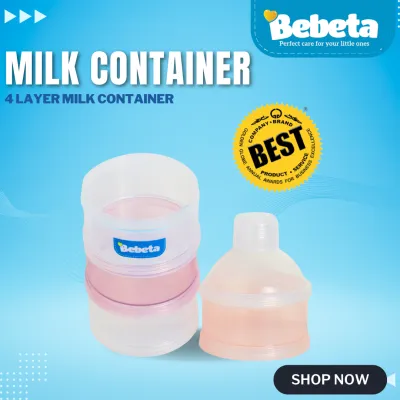
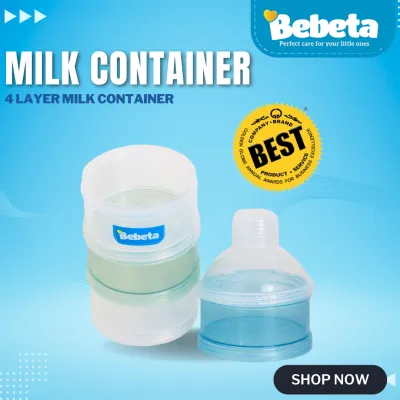
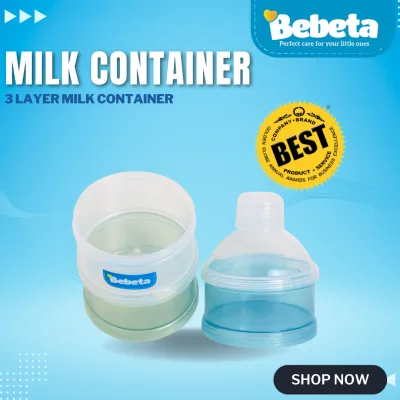
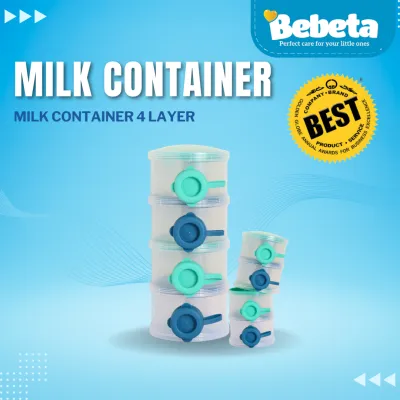
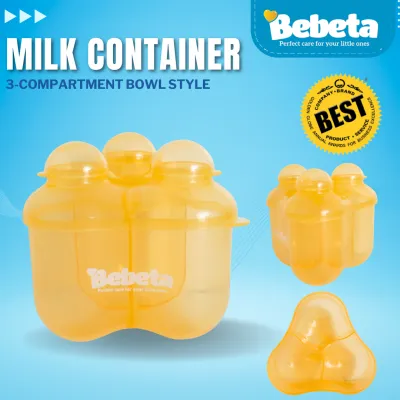
Prices are valid at publication and may change. Please refer to the product page for the latest price.
Defining Your Weaning Storage Needs
Before diving into brand comparisons, it is essential to map out your household’s specific feeding and preparation habits. Weaning babies transition quickly from consuming small, frequent milk feeds to eating larger, more varied portions of solid foods. Assessing your daily routine first prevents you from buying containers that are either too large for early tastes or too small for active appetites.
Consider your typical meal preparation frequency and where you plan to store the prepared food. If you prefer batch-cooking purees over the weekend, you will need a modular system of smaller containers that stack efficiently in the freezer. Conversely, if you primarily prepare fresh meals daily or rely on formula on the go, your priority will be a container that offers quick, reliable dispensing and easy transport in a diaper bag.
Environmental factors also play a significant role in your decision. In the warm and humid climate of the Philippines, food safety is a constant priority, as ambient heat can accelerate spoilage. Containers must be able to transition seamlessly from the cold environment of a refrigerator or freezer to a warm diaper bag during travel, without compromising the integrity of the food inside.
Finally, take note of your preferred cleaning and sterilization methods. Some households rely on traditional boiling water, while others use electric steam sterilizers or UV cabinets. Because different materials react uniquely to heat and light exposure, your sterilization setup will dictate which container materials are compatible with your daily routine.
Material Quality and Safety Checks
When comparing Bebeta to other brands, the material composition of the container is your first line of defense for food safety. Always begin by inspecting the product packaging for explicit safety declarations. Look for prominent labels indicating that the product is BPA-free and BPS-free, ensuring that harmful chemical plasticizers will not leach into your baby’s milk or purees.

Food-grade material certifications are another crucial indicator of quality. Standard plastic weaning containers are typically made from polypropylene, which is lightweight and highly shatter-resistant. Premium alternative brands may offer containers made from borosilicate glass or food-grade silicone, which provide excellent durability but come with a higher price tag and added weight.
Observe the physical clarity of the container material before purchasing. High-quality plastics should appear clear and uniform, without any cloudy patches, bubbles, or strong chemical odors right out of the packaging. Keep in mind that certain local weaning ingredients, such as mashed kalabasa (squash) or carrots, are highly prone to staining plastic; if aesthetic longevity is important to you, check if the manufacturer notes resistance to staining and odor retention.
Always verify the manufacturer’s stated temperature thresholds, which are usually embossed on the bottom of the container or printed on the packaging. A reliable weaning container must be rated to withstand freezing temperatures without becoming brittle and cracking. It must also safely tolerate the high temperatures required for warming milk or thawing purees in a hot water bath.
Seal Design and Leak Prevention
A container is only as good as its seal, especially when you are commuting or traveling with a diaper bag. To evaluate the leak-proof capabilities of Bebeta versus other brands, closely inspect the lid construction. Look for a thick, well-fitted silicone ring or gasket nested inside the lid, which is essential for creating an airtight barrier.
Examine the closure mechanism itself, as brands utilize different designs to secure the lid. Some containers feature simple screw-on lids, while others use snap-on covers or four-sided locking clips. Screw-on lids are highly reliable if the threads are deep and precise, whereas locking clips offer a highly visible, tactile confirmation that the container is securely shut.
Before trusting any new container with precious breastmilk or messy purees, perform a simple water leak test at home. Fill the container with water, secure the lid tightly, and shake it vigorously over a sink. Invert the container onto a dry paper towel for several minutes to check if any moisture seeps through the threads or gasket, which would indicate a risk of leaking during travel.
Additionally, check if the container features any pressure-release valves or venting systems. Some premium brands include silicone vents in the lids to allow steam to escape safely during warming. If you are comparing these to a standard Bebeta container, determine whether these extra features are necessary for your daily routine or if a simpler, valve-free design is easier for you to manage.
Capacity Options and Portion Control
As your baby progresses through the weaning stages, their portion sizes will change rapidly. Early weaning starts with mere teaspoons of single-ingredient purees, while later stages require multi-ounce meals of textured foods. Comparing the capacity options of Bebeta and alternative brands helps ensure you have the right sizes on hand without cluttering your kitchen.
Look for containers that feature clear, easy-to-read measurement markings on the side. These markings should be embossed or printed in a contrasting color so they remain highly visible even when the container is filled with opaque liquids like milk. Accurate measurements are vital for tracking your baby’s daily intake and for mixing formula precisely according to instructions.
Space efficiency is another practical consideration, particularly if you have a compact refrigerator or freezer. Evaluate the stackability of the containers by checking if the lids feature recessed grooves that allow another container to sit securely on top. Modular designs that nest inside one another when empty are excellent for saving precious cabinet space in busy family kitchens.
Match the available container sizes to your specific meal prep habits. If you prefer to freeze individual portions, look for small 2-ounce or 4-ounce containers that prevent food waste. If you prefer to store larger batches of base ingredients, larger 8-ounce containers from alternative brands might serve as a useful complement to your smaller Bebeta cups.
Sterilization and Cleaning Ease
Maintaining strict hygiene is paramount during the weaning stage, as your baby’s immune system is still developing. When comparing container brands, evaluate how easily they can be thoroughly cleaned and sanitized. Start by checking the manufacturer’s specific guidelines regarding sterilization limits to avoid warping or damaging the material.
If you prefer traditional boiling, ensure the container is rated to withstand boiling water temperatures for at least three to five minutes. For those using modern UV sterilizers, verify if the plastic material is compatible, as prolonged UV exposure can cause certain low-grade plastics to degrade, discolor, or become brittle faster than expected.
Pay close attention to the physical design of the lids and seals, looking for potential dirt traps. Deep, narrow grooves or permanently attached silicone gaskets can easily trap milk residue, puree particles, and moisture. In the high humidity of the Philippines, trapped moisture can quickly lead to mold growth; therefore, containers with easily removable silicone rings are generally much easier to keep sanitary.
If you use a dishwasher, look for an explicit dishwasher-safe label on the product packaging. Verify whether the manufacturer specifies placing the containers on the top rack only, where they are kept away from the intense heat of the bottom heating element. If handwashing is your primary method, choose containers with wide openings that allow your bottle brush to reach every corner easily.
Decision Framework: When to Choose Bebeta or Alternatives
Deciding between a Bebeta milk container and alternative brands comes down to balancing your budget, your sterilization routine, and your specific lifestyle needs. Bebeta is widely recognized for offering practical, straightforward designs that deliver excellent value for money. If you are looking for a reliable, no-frills container system for daily milk storage or basic puree freezing, Bebeta is a highly accessible choice that fits comfortably into a modest budget.
On the other hand, you might want to consider alternative brands if your routine demands highly specialized features. For instance, if you travel frequently and require built-in formula dispensers, or if you need containers certified for extreme temperature transitions (such as moving directly from a deep freezer to a bottle warmer), investing in premium specialized brands may be justified.
Your choice should also reflect the specific stage of your baby’s feeding journey. If you are still primarily handling breastmilk, prioritizing containers with highly accurate, fine-increment markings and airtight seals is critical to preserve every drop. If you have fully transitioned to solid purees, durable, stain-resistant containers that can withstand repeated microwaving and spoon-scraping become more important.
To help guide your decision, use the following comparison framework based on common household scenarios:
- Choose Bebeta if: You want an affordable, lightweight, and straightforward container for everyday home use, standard steam sterilization, and basic portion storage.
- Choose Alternative Brands if: You require specialized materials like borosilicate glass, advanced leak-proof locking clips for rugged travel, or compatibility with heavy UV sterilization cycles.
Always remember to verify the specific product labels of the exact model you are purchasing, as product lines and material specifications can vary even within the same brand.
Pre-Purchase and Usage Verification Checklist
To ensure you get the best performance and safety from your chosen weaning containers, follow this practical checklist during purchase and initial use:
- Inspect the Packaging: Verify that the BPA-free and food-grade labels are clearly printed on the box or embossed on the product itself.
- Check for Physical Defects: Run your fingers along the rims and threads to ensure there are no sharp plastic edges, flashing, or misaligned molding that could scratch your hands or prevent a tight seal.
- Test the Lid Fit: Screw or snap the lid on several times to ensure it glides smoothly without cross-threading or requiring excessive force.
- Conduct a Water Test: Fill the container with water at home, seal it, and invert it over a paper towel to confirm it is completely leak-proof before filling it with milk or food.
- Monitor for Wear and Tear: Regularly inspect the containers during daily washing; look for any new scratches, cloudiness, or a sticky texture on the plastic, which are clear signs that the container has reached the end of its lifespan and needs to be replaced.
Frequently Asked Questions (FAQ)
Can I use the same milk container for both formula and solid purees?
Yes, you can generally use the same container for both formula and solid purees, provided the manufacturer’s guidelines state that the material is food-grade and multi-use. However, you must take extra care with hygiene and cross-contamination. Thoroughly wash and sterilize the container between different uses to ensure no milk protein or food residue remains, as lingering particles can harbor bacteria.
Be aware that highly pigmented local foods, such as squash, sweet potato, or carrots, can leave stubborn orange stains and residual odors on plastic containers. If a container becomes heavily stained or retains a strong food smell even after a thorough wash, it is best to dedicate that specific container solely to solid foods and use a fresh, unstained container for your baby’s milk.
How often should I replace plastic or silicone milk containers?
There is no universal expiration date for baby food containers, so you must rely on regular physical inspections to determine when to replace them. Generally, plastic containers should be replaced every six to twelve months of regular use, or sooner if they show signs of degradation. Silicone components, such as sealing rings, may wear out faster depending on how often they are stretched and sterilized.
Immediately discard and replace any container that exhibits deep scratches, cracks, persistent cloudiness, or a sticky surface. Scratches are particularly hazardous because they create microscopic crevices where bacteria can hide and multiply, escaping standard cleaning and sterilization routines. If a lid no longer fits tightly or if the silicone gasket loses its elasticity and begins to leak, replace the unit immediately to maintain food safety.

Community discussion
Share your experience or ask a question. Comments are reviewed before publication.