
Quick Answer: Glass or Plastic for Your Daily Routine?
Choosing the right Bebeta feeding bottle for your baby is not a matter of finding a single, universally superior material. Instead, the ideal choice depends on your daily routine, your baby’s current developmental stage, and where the feeding sessions primarily take place. Both glass and plastic options offer distinct advantages that cater to different parenting scenarios, making a thoughtful comparison essential for your daily peace of mind.
Glass bottles are highly durable over the long term, completely non-porous, and exceptionally resistant to odors and stains, making them an excellent investment for predictable at-home feeding. On the other hand, plastic bottles provide a lightweight, shatterproof alternative that is highly practical for travel, active outings, daycare environments, and older infants who are beginning to hold their own bottles. Many parents find that a hybrid strategy—using glass at home and plastic when on the go—offers the most balanced and convenient solution.
By understanding the unique physical properties, safety considerations, and maintenance requirements of each material, you can build a customized bottle collection that simplifies your feeding routine. The following sections break down these key differences in detail to help you make an informed decision for your family.
Products mentioned in this guide
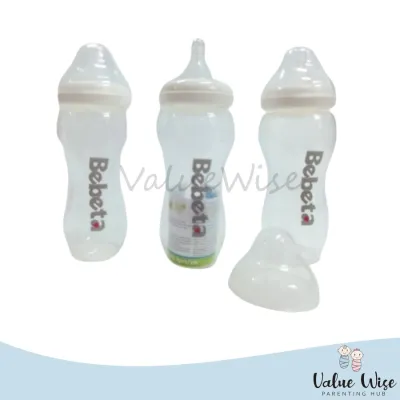
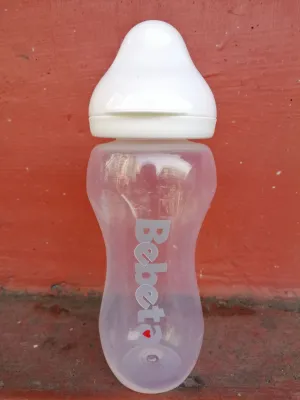
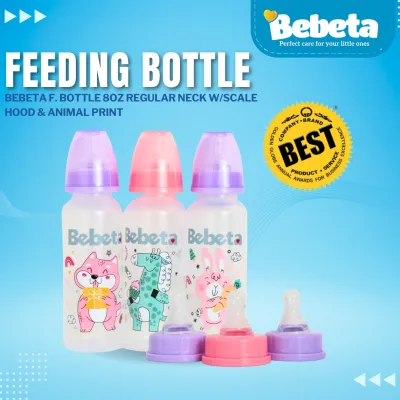
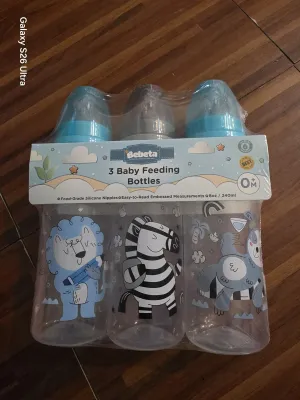
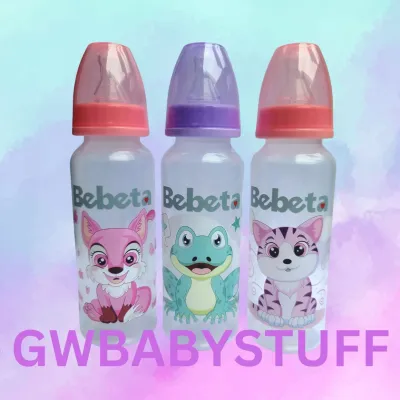
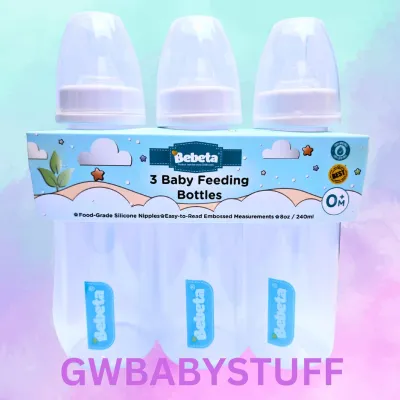
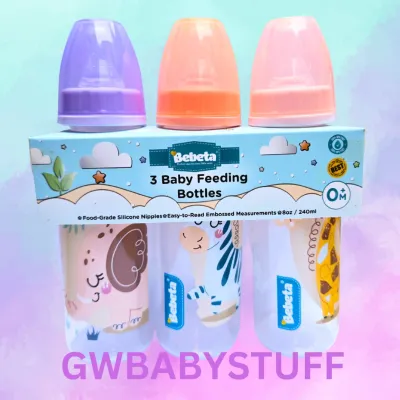
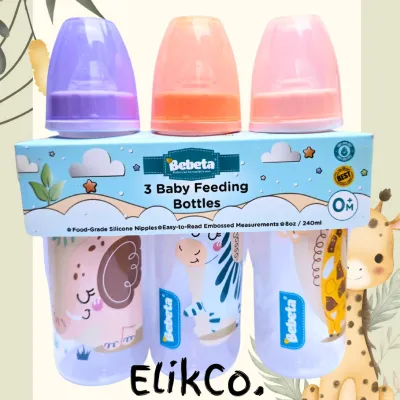
Prices are valid at publication and may change. Please refer to the product page for the latest price.
Key Physical Differences Between Glass and Plastic Bottles
To choose the best option for your daily routine, it is helpful to first examine how glass and plastic compare in terms of physical handling and long-term maintenance. These material characteristics directly influence how comfortable the bottle is to use and how much effort is required to keep it clean and hygienic.

Durability, Weight, and Handling
The most immediate difference you will notice when holding a glass Bebeta feeding bottle compared to a plastic one is the weight. Glass is naturally heavier, which can provide a sturdy, premium feel in the hand but may also lead to mild wrist fatigue during long, late-night feeding sessions. This weight also makes glass bottles highly vulnerable to breaking or shattering if they are accidentally dropped onto hard surfaces.
In contrast, plastic feeding bottles are remarkably lightweight and virtually shatterproof. This makes them exceptionally easy to pack in bulk and carry in a diaper bag without adding unnecessary weight to your load. If a plastic bottle slips from your hands or is knocked off a high chair, it will bounce rather than break, eliminating the safety hazard of scattered glass shards.
When evaluating these options, it is highly recommended to check the specific empty weight listed on the Bebeta product packaging. This is especially important if you have concerns about hand strength or wrist strain, or if you plan to carry multiple bottles with you throughout the day.
Cleaning, Sterilization, and Odor Retention
From a hygiene perspective, glass is a non-porous material, meaning its surface is completely smooth and free of microscopic pores. This characteristic makes glass bottles highly resistant to scratching and prevents them from absorbing milk fats, colors, or sour odors over time. Even after months of continuous use, a glass bottle can be thoroughly cleaned to a crystal-clear finish without retaining any residual smells.
Plastic, while highly durable against impacts, is a softer material that is susceptible to developing micro-scratches over time, particularly from the stiff bristles of standard bottle brushes. These tiny scratches can gradually harbor stubborn milk residue, mineral deposits from water, and bacteria, which may eventually cause the plastic to look cloudy or retain an unpleasant, sour odor. To minimize this risk, caregivers must use gentle cleaning tools, such as soft silicone brushes, and inspect the bottles regularly.
Sterilization requirements also differ between the two materials due to their heat tolerance limits. While glass can withstand extremely high temperatures without warping, different types of plastic have specific thermal thresholds that must not be exceeded. Always verify the manufacturer’s maximum temperature limits printed on the Bebeta bottle label before exposing plastic bottles to high-heat steam, boiling water, or electric sterilizers.
Material Safety and Health Considerations
Safety is naturally the foremost priority for any parent when selecting feeding equipment. Both glass and plastic options are subject to strict manufacturing standards, but they interact with heat and milk in fundamentally different ways that are worth considering for long-term daily use.
Because glass is chemically inert, it does not react with other substances or degrade when exposed to high temperatures. This guarantees that no chemical compounds or microscopic particles will leach from the bottle into the breastmilk or formula, regardless of how hot the liquid is or how long it is stored in the refrigerator. For parents who prioritize absolute chemical purity and long-term peace of mind, glass represents the gold standard in material safety.
When choosing plastic bottles, the key is to verify that the specific Bebeta model you purchase is explicitly labeled as BPA-free (Bisphenol A) and BPS-free (Bisphenol S). Modern baby products are widely manufactured without these harmful chemical endocrine disruptors, but checking the product packaging remains an essential verification step for every purchase. High-quality, food-grade plastics are designed to be safe for infant feeding when used strictly according to the manufacturer’s guidelines.
Another modern concern regarding plastic feeding gear is the potential release of microplastics when the material is subjected to high heat. To minimize this risk, it is highly recommended to warm breastmilk or formula in a separate glass container or use a dedicated bottle warmer that heats the liquid gently and evenly, rather than heating plastic bottles directly in a microwave. Microwaving plastic can create localized hot spots that not only risk burning your baby’s mouth but can also accelerate the physical degradation of the plastic material.
Regardless of the material you choose, regular inspection is vital for maintaining a safe feeding environment. Caregivers should routinely examine all bottles before assembly and discard any plastic bottle that exhibits persistent cloudiness, warping, deep scratches, or stubborn odors that do not wash away. If you notice any chips, cracks, or structural flaws in a glass bottle, stop using it immediately to prevent injury.
Matching the Material to Your Feeding Lifestyle
Understanding the physical properties of glass and plastic allows you to match each material to the specific environments and developmental milestones of your daily life. Your feeding setup will likely evolve as your baby grows and as your daily routine shifts between home and outdoor settings.
At-Home vs. On-the-Go Feeding
For structured, predictable feeding routines at home, glass bottles are often the most practical and satisfying choice. In a home kitchen, you have immediate access to specialized cleaning brushes, dedicated drying racks, and sterilizers, making the thorough washing of glass straightforward and efficient. Furthermore, the risk of dropping a bottle on a soft, carpeted living room floor or a wooden play area is relatively low, allowing you to enjoy the hygienic benefits of glass with minimal worry.
Conversely, when you are packing a diaper bag for a trip to the mall, a family gathering, or a doctor’s appointment, plastic bottles are far more convenient. Traveling with heavy glass bottles can quickly become exhausting, and the risk of breakage increases dramatically when you are handling bottles in public restrooms, parking lots, or crowded spaces. A dropped glass bottle in a public area creates an immediate safety hazard and leaves you without a clean container to feed your hungry baby, making lightweight, shatterproof plastic the ideal choice for travel.
Newborns vs. Independent Toddlers
During the newborn stage, feeding is an intimate, hands-on process where the caregiver holds the bottle for the entire duration of the feed. Because an adult is in complete control of the bottle, the heavier weight of glass is easily manageable, and the risk of accidental drops is very low. This makes the newborn phase an ideal time to utilize glass bottles, maximizing hygiene when your baby’s immune system is at its most vulnerable.
As your baby transitions into older infancy and toddlerhood, typically around six months of age, they will begin developing the motor skills and hand-eye coordination needed to hold their own bottle. At this stage, the lightweight nature of plastic becomes a major developmental advantage, as small hands can easily grip and tilt a plastic bottle without experiencing muscle fatigue. Because toddlers frequently drop or throw bottles from high chairs and strollers, using shatterproof plastic ensures they can practice self-feeding safely without any risk of broken glass or impact injuries.
Glass vs. Plastic: Quick Comparison Matrix
To help you quickly compare the primary characteristics of both materials, the table below summarizes the key practical dimensions discussed in this guide.
| Feature | Glass Bottles | Plastic Bottles |
|---|---|---|
| Weight | Heavier; may cause mild hand fatigue | Extremely lightweight and easy to carry |
| Drop Durability | Fragile; can crack or shatter on hard surfaces | Excellent; highly shatterproof and resilient |
| Heat Resistance | Very high; withstands rapid temperature changes | Moderate; must stay within specified limits |
| Odor & Stain Retention | Highly resistant; remains clear and odor-free | Prone to micro-scratches and odor absorption |
| Best Use Case | At-home feeding and early newborn stages | Travel, daycare, and independent self-feeding |
How to Choose: The Final Decision Framework
To finalize your purchase decision, consider how your specific household needs align with the following condition-based recommendations.
- Choose Bebeta Glass if: You primarily feed your baby at home, want a long-lasting bottle that will not retain odors or stains over multiple months of use, and prefer a completely inert material that offers maximum peace of mind regarding chemical purity.
- Choose Bebeta Plastic if: You travel frequently, need a lightweight option that fits easily into a packed diaper bag, want a shatterproof bottle for daycare or babysitters, or have an older baby who is actively learning to hold their own bottle during self-feeding.
- Consider a Mixed Stash if: You want to enjoy the best of both worlds. Many parents find success by utilizing glass bottles for morning and nighttime feeds at home, while reserving a set of plastic bottles exclusively for travel, outdoor outings, and visits to relatives.
- Verify first if: You are unsure about your specific sterilizer's compatibility with different materials, or if you need to confirm the exact age, weight, and nipple flow-rate recommendations printed on the Bebeta product packaging before introducing a new bottle to your baby.
Frequently Asked Questions (FAQ)
Can I mix glass and plastic bottles in the same sterilizer?
Yes, you can generally sterilize both glass and plastic Bebeta feeding bottles together in the same steam or UV sterilizer, provided that your sterilizer is large enough to accommodate them without crowding. However, because different plastics have varying thermal thresholds, you must check both your sterilizer’s user manual and the temperature limits printed on the Bebeta bottle packaging. Ensure that the maximum operating temperature of your sterilizer does not exceed the heat tolerance limit of the plastic bottles to prevent warping or structural damage.
How often should I replace plastic feeding bottles compared to glass?
Plastic feeding bottles generally require replacement every three to six months of daily use, or immediately if they exhibit signs of cloudiness, deep scratches, warping, or persistent sour odors that do not disappear after thorough washing. Because plastic is a softer material, these physical changes indicate that the material is degrading and may harbor bacteria. In contrast, high-quality glass bottles can last indefinitely and do not require routine replacement, provided they are completely free of chips, cracks, or deep scratches, and the measurement markings on the side remain clearly legible. Always perform a quick visual and physical inspection of every bottle before each feeding session to ensure its structural integrity.

Community discussion
Share your experience or ask a question. Comments are reviewed before publication.