
Quick Answer: Which Toddler Milk is Best for Your Child?
There is no single best toddler milk for every child between the ages of 1 and 3. The ideal choice depends entirely on your toddler’s specific nutritional needs, digestive tolerance, taste preferences, and your family’s monthly budget. Each major brand on the market is formulated with a different primary focus to address these diverse requirements.
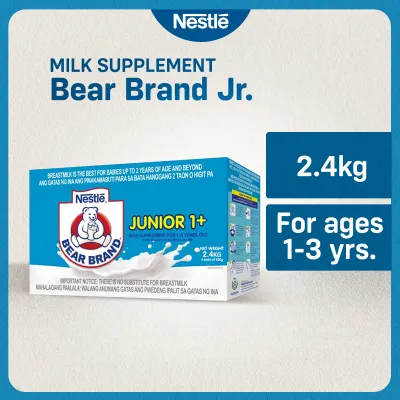
To help you navigate your options, the general market positioning of these four popular brands highlights their distinct strengths. Bear Brand Junior is widely recognized in the Philippines as an accessible, budget-friendly option designed to deliver essential daily micronutrients. Nido is popular for its rich, creamy, whole-milk-like taste, making it an excellent choice for picky eaters who reject more clinical-tasting formulas. Enfagrow positions itself as a premium option with a strong focus on cognitive development, featuring higher levels of brain-supporting nutrients like DHA. NAN emphasizes digestive comfort and immune support, utilizing optimized protein blends and probiotics tailored for toddlers with sensitive tummies.
For toddlers aged 1 to 3, milk is a dietary supplement and not a replacement for solid foods. At this developmental stage, your child should receive the majority of their daily nutrients from a diverse, balanced diet of solid foods. Before transitioning your child to a new milk or making a final decision, consult your pediatrician to ensure the chosen formula aligns with your toddler’s health profile, especially if they have known allergies or dietary sensitivities.
Products mentioned in this guide
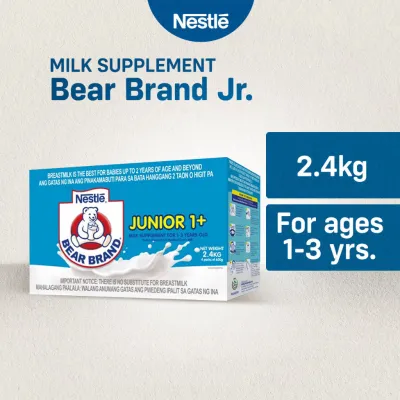
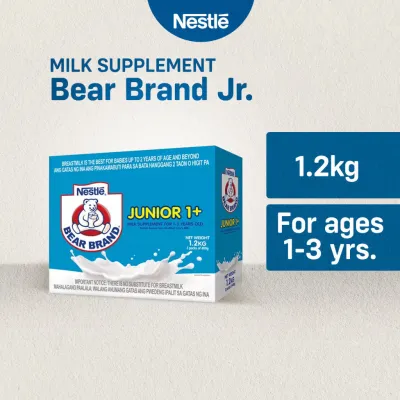
Prices are valid at publication and may change. Please refer to the product page for the latest price.
Meet the Contenders: Brand Positioning for 1 to 3 Year Olds
Understanding how each brand positions its toddler milk helps you match their specific formulations with your child’s daily needs. While all of these brands aim to support growth, they target different parental priorities and dietary concerns.

Bear Brand Junior
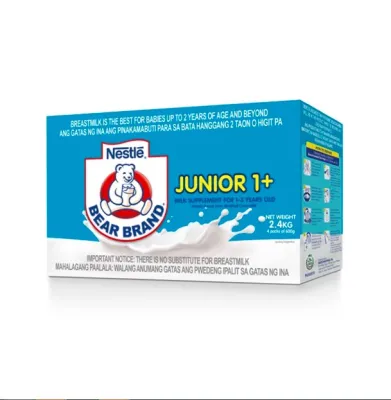
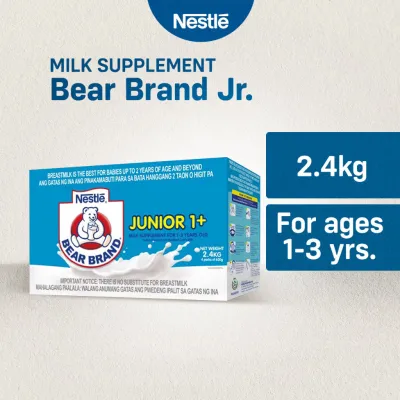
Bear Brand Junior is a household staple in the Philippines, highly regarded for its accessibility and affordability. It is specifically positioned as a daily nutritional partner for growing Filipino children, aiming to combat common local micronutrient deficiencies. The formulation focuses on providing essential vitamins and minerals—often referred to locally as strength or tibay nutrients—to support physical growth and daily activity. It is designed to be a practical, high-value supplement for families looking for reliable nutrition that fits a modest budget.
Nido (Toddler / 1+ Variants)
Nido, particularly its 1+ and 3+ variants, is highly favored for its appealing, creamy taste profile that closely mimics the richness of whole cow’s milk. This makes it a popular choice among parents of picky eaters who struggle to get their toddlers to drink milk. Beyond taste, Nido positions itself as a protective partner, often incorporating specific prebiotic fibers or probiotic strains to help support the child’s natural defenses and gut health during their highly active, exploratory toddler years.
Enfagrow (Toddler / A+ Variants)
Enfagrow is positioned as a premium, science-backed formula with a primary focus on cognitive and visual development. The brand heavily emphasizes brain-building blocks, highlighting ingredients like Docosahexaenoic Acid (DHA), Arachidonic Acid (ARA), and Milk Fat Globule Membrane (MFGM). It is designed for parents who prioritize early childhood learning, mental development, and cognitive milestones, and who are willing to invest in a premium-priced product to secure these specific ingredients.
NAN (Toddler / Optipro Variants)
NAN, specifically the Optipro toddler variants, represents a premium, scientifically advanced line that prioritizes gentle digestion and metabolic health. Nestlé positions this brand around its optimized protein technology, which aims to deliver the right quantity and quality of proteins to support steady, healthy growth without overloading a toddler’s developing digestive system. It frequently contains active probiotic cultures to promote a healthy gut microbiome, making it a common recommendation for toddlers prone to mild digestive discomfort.
Because manufacturers frequently update their product lines, parents should always verify the specific stage and product name on the packaging. Ensure you are purchasing the variant designed specifically for the 1 to 3 age bracket, as formulations differ significantly from infant stages.
Core Nutritional Dimensions to Compare on the Label
To make an informed decision, you must look past front-of-pack marketing claims and analyze the nutrition facts panel and ingredient list on the back of the tin. Comparing these core dimensions allows you to see exactly what you are paying for.
Macronutrients and Energy Density
Toddlers are incredibly active, requiring a steady supply of energy to fuel their rapid physical development and daily play. When comparing labels, look at the total calories, protein, and fat content per serving. A high-quality toddler milk should provide balanced energy without relying on empty carbohydrate fillers.
Pay close attention to the recommended serving size, which is typically listed in grams of powder per milliliter of water. One brand might require three scoops of powder per serving, while another might require four or five to achieve a similar caloric density. Understanding this distinction helps you evaluate how much actual nutrition your child receives per glass and how quickly you will empty the container.
Essential Micronutrients (Iron, Zinc, Calcium, Vitamin D)
Iron and zinc are critical micronutrients for toddlers, particularly in preventing iron-deficiency anemia and supporting a healthy immune system. When reviewing the nutrition panel, check the percentage of the daily recommended energy and nutrient intake (RENI) that each serving provides. Adequate iron levels support cognitive function, while zinc plays a vital role in cellular growth and immune defense.
Additionally, examine the relationship between calcium and Vitamin D. Calcium is essential for building strong bones and teeth during toddler growth spurts, but the body cannot absorb it efficiently without sufficient Vitamin D. Look for formulas that pair these two nutrients in balanced ratios to ensure optimal bone mineralization.
Brain and Eye Support (DHA, ARA, Lutein)
During the first three years of life, a child’s brain undergoes rapid development, making dietary sources of polyunsaturated fatty acids highly beneficial. DHA and ARA are key structural components of the brain and retina. If you are comparing milks for cognitive and visual support, do not rely solely on front-of-pack highlights.
Turn the tin over and check the exact milligrams of DHA and ARA per serving. Some premium formulas contain significantly higher concentrations of these fatty acids, while budget-friendly options may contain only trace amounts or omit them entirely. If visual health is a priority, check if the formula also includes lutein, an antioxidant that helps filter blue light and protect developing eyes.
Sugar and Carbohydrate Content
One of the most critical aspects of choosing a toddler milk is evaluating the source of its carbohydrates. Naturally occurring lactose is the preferred sugar source for healthy toddlers, as it mimics the natural composition of milk and supports calcium absorption. However, many commercial toddler milks contain added sugars to improve taste and solubility.
Carefully read the ingredient list for added sugars, which may appear under names like sucrose, corn syrup solids, maltodextrin, glucose syrup, or honey. High levels of added sugars can contribute to early childhood dental caries and encourage a preference for sweet foods, which can worsen picky eating habits. Selecting a formula with low or no added sugars is a vital step in supporting your toddler’s long-term metabolic and dental health.
Evaluating Price, Serving Size, and True Value
Comparing toddler milks based on shelf price alone can be highly misleading. To understand the true cost of each option, you need to look at the yield and preparation requirements of each brand.
To calculate the true value, determine the cost per serving rather than the price of the tin. You can do this by dividing the total weight of the tin by the weight of a single serving (as indicated on the label) to find the total number of servings per container. Then, divide the retail price of the tin by the number of servings. You may find that a slightly cheaper tin with a larger serving size actually runs out faster, making it more expensive per serving than a premium brand with a more concentrated formulation.
Consider the preparation yield as well. This refers to how many liters of prepared liquid milk a single tin can produce. In the Philippines, toddler milk is packaged in various formats, including tins and economical cardboard box refills. While boxed refills are generally more cost-effective, tins provide better protection against the country’s high tropical humidity and pests, which can spoil open powder quickly.
When purchasing toddler milk, always buy from official flagship stores, authorized supermarkets, or reputable local pharmacies. Avoid buying from unverified online sellers, as counterfeit products or poorly stored milk can pose severe health risks. Milk powder exposed to excessive heat and humidity during storage can suffer from nutrient degradation and rancidity.
Remember that a more expensive milk is not automatically better for your child. If your toddler eats a highly diverse, nutrient-rich solid diet, a basic, affordable milk like Bear Brand Junior can easily fill any minor nutritional gaps. Spending extra on premium formulas is only necessary if your child requires specific dietary support that cheaper options do not provide.
Decision Framework: How to Choose the Right Milk
To help you make a final decision, consider this structured framework based on your specific household priorities, budget, and your toddler’s unique physiological needs.
- Choose Enfagrow if: Your primary focus is on maximizing DHA, ARA, and other cognitive-supporting ingredients, your child is meeting their physical growth milestones well, and your household budget comfortably accommodates a premium price point.
- Choose Nido if: Your toddler is a picky eater who prefers a rich, creamy, traditional milk taste, and you want a reliable, mid-priced formula that balances digestive protection with daily growth support.
- Choose NAN if: Your toddler has a sensitive digestive system, is prone to mild gas, bloating, or irregular stools, and you prefer a premium, scientifically developed formula focused on gentle proteins and active probiotics.
- Choose Bear Brand Junior if: You are looking for a highly accessible, budget-friendly daily milk to act as a basic nutritional safety net for a toddler who already eats a reasonably balanced diet of solid foods.
Verify first if your child exhibits any signs of a cow’s milk protein allergy or lactose intolerance. Symptoms can include persistent eczema, hives, vomiting, chronic loose stools, or severe abdominal pain. If you suspect your child has a dairy sensitivity, none of these standard cow’s milk-based formulas are suitable. In such cases, stop use immediately and consult your pediatrician, who can prescribe a specialized hypoallergenic, amino acid-based, or lactose-free formula.
Ultimately, the best toddler milk is the one your child drinks willingly, digests comfortably without any adverse reactions, and fits sustainably into your family’s long-term monthly budget.
Safe Feeding and Transition Reminders for Toddlers
Introducing a new toddler milk or maintaining a healthy feeding routine requires strict adherence to safety, hygiene, and preparation guidelines to protect your child’s health.
Proper Preparation
Always wash your hands thoroughly and ensure all preparation utensils, cups, or bottles are completely clean. Use safe, clean drinking water that has been boiled and allowed to cool to a lukewarm temperature. Mixing milk powder with boiling water can destroy heat-sensitive vitamins and beneficial probiotics, especially in formulas like NAN and Nido.
Always follow the exact water-to-powder ratio specified on the product label. Avoid the temptation to add extra scoops to make the milk richer, as this can cause dehydration and put unnecessary strain on your toddler’s developing kidneys. Conversely, do not over-dilute the milk to make the powder last longer, as this deprives your child of essential daily calories and nutrients.
Storage and Hygiene
In the warm and humid climate of the Philippines, bacteria can multiply rapidly in prepared milk. Always discard any unfinished milk left in a cup or bottle within one to two hours of preparation. Never store leftover prepared milk in the refrigerator for later use if your child has already sipped from it, as bacteria from their saliva can contaminate the liquid.
Store the opened tin or foil pack in a cool, dry place away from direct sunlight. Keep the container tightly sealed to prevent moisture absorption, clumping, and insect infestation. Never store open milk powder in the refrigerator, as the condensation can cause the powder to damp and spoil. Try to consume the contents of an opened container within four weeks.
Dietary Context
Keep in mind that milk is no longer the main source of nutrition for children aged 1 to 3. Your toddler should transition to getting most of their daily nutrients from a varied diet of solid foods, including meats, fish, vegetables, fruits, and whole grains. Limit your child’s daily milk intake to approximately two to three cups (about 480 to 720 ml).
Drinking excessive amounts of milk can fill up your toddler’s small stomach, causing them to refuse solid meals. This can lead to a condition known as milk anemia, where a child is deficient in iron because they are not eating enough iron-rich solid foods, and because the high calcium content in excessive milk intake can inhibit the body’s ability to absorb iron.
When to Stop and Consult a Doctor
Monitor your child closely whenever you introduce a new milk brand or batch. Stop feeding the milk immediately and seek professional medical advice if you observe any signs of an allergic reaction or severe intolerance. These signs include hives, facial swelling, vomiting, chronic diarrhea, blood in the stool, wheezing, or severe, persistent constipation.
Frequently Asked Questions (FAQ)
Can I mix Bear Brand Junior and Nido in the same bottle?
No, you should not mix different brands or different stages of milk powder in the same bottle or cup. Each formula is carefully calibrated by the manufacturer to have a specific nutrient, vitamin, and mineral concentration. Mixing them alters this delicate balance, which can lead to digestive discomfort or improper nutrient absorption. Additionally, if your toddler experiences an allergic reaction or an upset stomach, mixing makes it incredibly difficult to identify which brand caused the issue.
When should I transition my baby from infant formula to toddler milk?
Most healthy toddlers can begin transitioning from infant formula to toddler milk around their first birthday. At 12 months of age, a child’s digestive system is mature enough to handle the different protein structures and nutrient levels found in toddler formulations. However, the exact timing should depend on your child’s physical development, solid food intake, and the specific recommendation of your pediatrician.
Is it okay to give my 1-year-old fresh cow's milk instead of toddler formula?
While plain, pasteurized whole cow’s milk is an acceptable and healthy option for toddlers over one year old who eat a highly diverse and balanced solid diet, toddler formulas offer specific advantages. Formulas are fortified with extra iron, zinc, Vitamin C, and other micronutrients that are naturally low in fresh cow’s milk. If your toddler is a picky eater or has minor nutritional gaps, fortified toddler milk may be more appropriate. Consult your pediatrician to evaluate your child’s diet and determine which option is better suited for their needs.

Community discussion
Share your experience or ask a question. Comments are reviewed before publication.