
Choosing the right toddler milk for your child between the ages of 1 and 3 is a decision that balances nutritional needs, digestive tolerance, and your household budget. Bear Brand Jr, Nido, and Enfagrow are three of the most prominent options available to parents in the Philippines, each positioned with a distinct focus. Rather than looking for a single universal winner, the best choice depends on your toddler’s current solid food intake, their specific dietary gaps, and how well their digestive system tolerates each formulation.
At this developmental stage, toddler milk serves as a supplement to a diverse diet of solid foods, not a replacement. While one brand may emphasize everyday micronutrient fortification to fill common nutritional gaps, another might focus on specific growth-supportive macronutrients, and a third may highlight ingredients geared toward cognitive and immune development. By learning how to read the labels, calculate the actual cost per serving, and monitor your child’s physical response, you can confidently select the milk that best supports your toddler’s growth.
Reading the Labels: Nutritional Focus of Each Brand
When comparing Bear Brand Jr, Nido, and Enfagrow, the product packaging is your most reliable guide. Each brand designs its formulation to target specific aspects of development, which are reflected directly on the ingredient list and nutrition facts table. Understanding these labels allows you to match the milk to your child’s daily eating habits.
Products mentioned in this guide

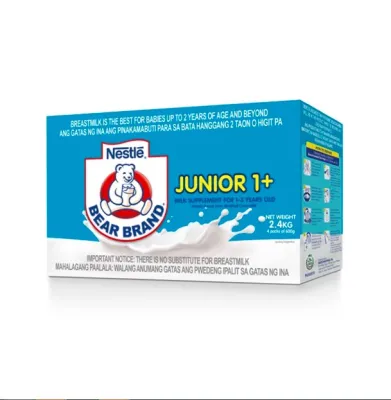
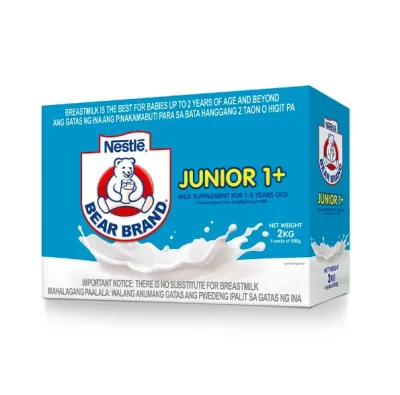



Prices are valid at publication and may change. Please refer to the product page for the latest price.
For Bear Brand Jr, the packaging typically highlights its role in addressing common micronutrient deficiencies. When examining the label, look closely at the percentages of the Recommended Energy and Nutrient Intakes (RENI) provided per serving. This formulation often emphasizes fortification with essential vitamins and minerals, such as iron, zinc, and vitamin C, to support active toddlers.
Nido formulations for the 1 to 3 age bracket generally focus on overall growth. On these labels, inspect the macronutrient profile, including protein, fat, and carbohydrate content per serving. Many Nido products also feature prebiotics intended to support gut health, alongside calcium and vitamin D to support bone development during this rapid growth phase.
Enfagrow is positioned with an emphasis on cognitive development and immune support. When reviewing the ingredient list, look for the inclusion of specific fatty acids like docosahexaenoic acid (DHA), as well as specialized nutrient blends designed to support brain function. These premium formulations highlight their scientific approach to early childhood nutrition through these specific ingredient selections.
Regardless of the brand, toddler milk is designed to complement, not replace, solid meals. If your toddler is already an enthusiastic eater who consumes a wide variety of whole foods, their micronutrient needs might already be well-met. Conversely, if your child is going through a picky eating phase, a fortified milk can help bridge those temporary nutritional gaps.
Comparing Cost and Serving Sizes
Evaluating the financial impact of toddler milk requires looking beyond the retail price. Because scoop sizes, dilution ratios, and recommended daily servings vary among Bear Brand Jr, Nido, and Enfagrow, the only way to determine true value is by calculating the cost per prepared serving. This approach helps you understand the long-term impact on your monthly budget.

To begin this calculation, locate the preparation instructions on the packaging. Note the weight of a single scoop in grams, the number of scoops required per serving, and the volume of water needed. Next, check the total net weight of the package. Dividing the total package weight by the weight of a single serving will give you the exact number of servings per container.
Once you have the number of servings per container, divide the retail price of the package by this number to find the cost per serving in Philippine Pesos (₱). Comparing this per-serving cost across the three brands gives you a much more accurate financial comparison than simply comparing shelf prices.
You should also factor in your child’s daily consumption habits and the recommended daily limits. If one brand recommends two servings a day while another suggests three, this significantly affects your weekly consumption rate. Additionally, consider the packaging formats available in local supermarkets or official online stores, as buying larger tins or bulk packs often reduces the cost per serving.
Monitoring Digestive Tolerance and Taste Preferences
Introducing a new toddler milk or transitioning between brands requires a careful, systematic approach. A toddler’s digestive system is still developing, and sudden changes can lead to temporary discomfort. Monitoring how your child reacts physically and behaviorally to a specific milk is just as important as analyzing its nutritional content.
When introducing a new brand, watch closely for signs of digestive sensitivity or intolerance. These can include increased fussiness, excessive gas, bloating, loose stools, or constipation. It is also important to distinguish between mild digestive adjustment and actual milk protein allergies or lactose sensitivity, which present with more severe symptoms like skin rashes, vomiting, or persistent diarrhea.
To minimize the risk of digestive upset, avoid switching brands abruptly. Instead, implement a gradual transition over several days by slowly mixing the new milk with the current one. Start by replacing a small fraction of the old milk with the new formulation, and gradually increase the proportion of the new brand over a week. This allows your child’s gut to adapt smoothly.
Taste preference is another practical hurdle parents face. Toddlers can be highly sensitive to changes in flavor and texture, as some milks are sweeter or creamier than others. If your child rejects a new brand, do not force them; instead, try offering it at a slightly different temperature or in a favorite cup. If the rejection persists, explore a different option.
Always prioritize safety during any dietary transition. If your toddler exhibits persistent digestive distress, skin reactions, or signs of lethargy, stop feeding the milk immediately. Consult your pediatrician to rule out underlying allergies or medical conditions before attempting to introduce another brand.
Decision Framework: Choosing the Right Milk for Your Child
Selecting the right toddler milk involves matching your child’s unique developmental needs and your family’s lifestyle with the specific characteristics of each brand. By establishing a clear decision framework, you can avoid the confusion of marketing claims and focus on what truly benefits your household.
Consider Bear Brand Jr if your primary goal is to address everyday nutritional gaps with a reliable, budget-friendly option. If your label check confirms that its vitamin and mineral levels adequately supplement your child’s current diet, and the cost per serving fits comfortably within your monthly budget, this brand offers a practical way to ensure daily nutrient coverage.
Opt for Nido if your child is growing rapidly and you want a formulation that emphasizes overall physical development and gut health. This choice is highly suitable if your toddler accepts the taste readily and you prefer a brand with a focus on balanced macronutrients and digestive support ingredients to accompany their transition to solid foods.
Choose Enfagrow if you are looking for a premium formulation with a specific focus on cognitive and immune-supportive ingredients, such as DHA. This option is ideal if these specialized nutrients are recommended by your pediatrician to support your child’s development, and the higher cost per serving aligns with your family’s budget.
Keep in mind that none of these options may be suitable if your child shows persistent signs of milk intolerance, or if the consumption of toddler milk begins to replace essential solid meals. If your toddler is drinking so much milk that they refuse to eat their regular meals, scale back the liquid servings to ensure they consume enough textured, whole foods.
Finally, always verify your child’s health status before making a final decision. If your toddler has a diagnosed cow’s milk protein allergy, lactose intolerance, or any other chronic medical condition, standard toddler milks are not appropriate. In these cases, consult a qualified healthcare professional or pediatrician to obtain a prescription for a specialized, hypoallergenic formula.
Frequently Asked Questions (FAQ)
Can I mix two different toddler milk brands in one bottle?
Mixing two different toddler milk brands in a single serving is generally not recommended unless specifically advised by a pediatrician. Each brand is formulated with a precise ratio of powder to water to ensure proper nutrient concentration and osmolarity. Combining different powders can alter this balance, potentially making the mixture too concentrated for your toddler’s kidneys to process or too diluted to provide adequate nutrition. Always follow the preparation instructions on each specific package.
How long can prepared toddler milk sit at room temperature?
Once prepared, toddler milk should be consumed immediately to prevent the growth of harmful bacteria. Under typical tropical conditions in the Philippines, where high humidity and warm temperatures accelerate bacterial multiplication, prepared milk should not sit at room temperature for more than one hour. If your child does not finish the cup within this timeframe, discard the remaining milk. Always check the product packaging for the manufacturer’s specific storage and safety guidelines.
Should a 1 to 3 year old drink toddler milk or whole cow's milk?
The choice between toddler milk and plain whole cow’s milk depends on your child’s overall diet and nutritional status. Whole cow’s milk is often recommended as a simple, cost-effective dairy source for toddlers who already eat a well-balanced, diverse diet of solid foods. Toddler milk, on the other hand, is formulated with added vitamins and minerals to act as a safety net for children who may have nutritional gaps. Consult your pediatrician to determine which option is best suited for your child’s growth.

Community discussion
Share your experience or ask a question. Comments are reviewed before publication.