
Selecting the right diaper pants for your baby is a highly personal decision that directly impacts their daily comfort and your peace of mind. In the warm and humid climate of the Philippines, finding a diaper that balances reliable leak protection with excellent breathability is essential for preventing heat rash and keeping your little one active and happy. While many parents search for a single ideal brand, the reality is that the right diaper pants depend entirely on your baby’s unique body shape, skin sensitivity, and your household budget.
Pampers and Huggies are well-established global household names, each designed with distinct structural philosophies to cater to different infant needs. Meanwhile, Bayirunbeier has emerged as an alternative option that budget-conscious parents frequently evaluate to see if it can deliver reliable performance at a lower price point. By understanding how to objectively assess these three brands across key categories—absorbency, fit, and overall value—you can make an informed, condition-based choice that keeps your baby dry and comfortable throughout the day and night.
Understanding the Core Design Focus of Each Brand
To make an accurate comparison, it helps to understand the general market positioning and design priorities that define each brand. Pampers is widely recognized for its focus on a slim, lightweight profile. The brand typically prioritizes thin absorbent cores and specialized channeling systems designed to distribute wetness quickly and evenly, reducing the heavy, sagging feeling that can restrict a baby’s movement. This makes it a popular choice for parents who prefer a less bulky diaper under their baby’s clothing.
Products mentioned in this guide
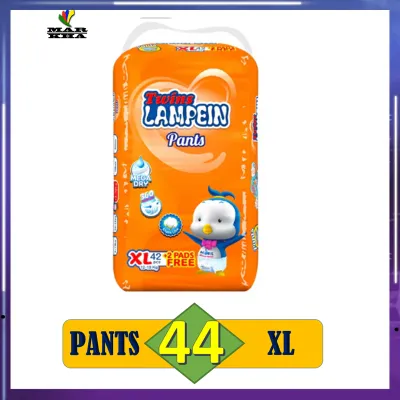
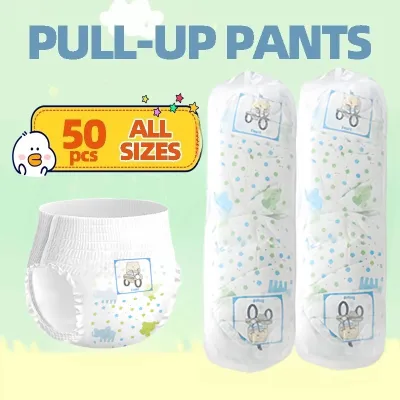

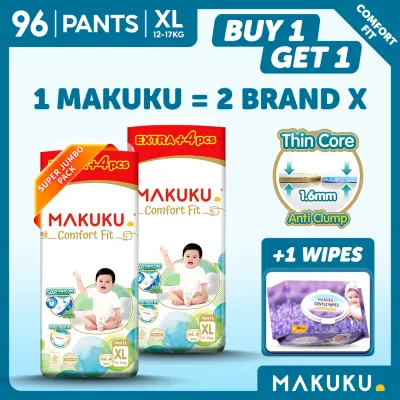
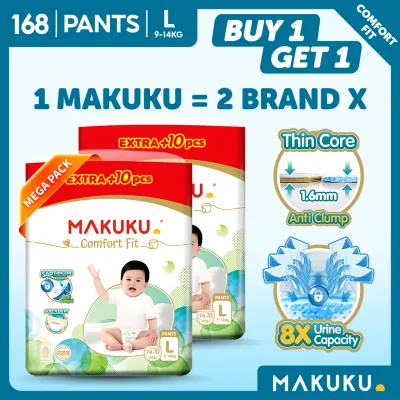
Prices are valid at publication and may change. Please refer to the product page for the latest price.
Huggies, on the other hand, frequently emphasizes robust structural support and containment. Their diaper pants often feature highly elastic, wide waistbands and pocketed back designs specifically engineered to stop messy up-the-back leaks, commonly known as blowouts. This design philosophy focuses on securing a snug, customized fit around the waist and thighs, making it highly suitable for babies who are exceptionally active or have rounder, chunkier builds.
Bayirunbeier operates primarily as a value-oriented alternative in the disposable diaper market. Rather than relying on global marketing campaigns, this brand focuses on providing essential diapering functions at a more accessible price point. When considering Bayirunbeier, it is important to carefully read the manufacturer’s official packaging and product descriptions to understand its specific structural priorities, as materials and designs can vary between different product lines. Parents should always verify the country of origin, manufacturing standards, and complete material lists printed directly on the package to ensure the product meets their personal standards for baby care.
Evaluating Absorbency and Leak Protection Features
Absorbency is the primary defense against diaper rash and sleep disruptions, but comparing it across brands requires looking past marketing buzzwords. When evaluating Pampers, Huggies, and Bayirunbeier, start by checking the product packaging for technical specifications. Look for details regarding the number of absorbent layers, the type of core technology used—such as Super Absorbent Polymer (SAP) sheets—and the presence of a wetness indicator, which changes color to signal when a change is needed.

The structural design of the absorbent core plays a major role in how well a diaper handles liquid. Diapers with directional channeling guide wetness along specific paths, preventing liquid from pooling in one spot and keeping the surface dry against your baby’s skin. In contrast, diapers with uniform padding absorb liquid evenly across the entire core but may bunch up or sag more noticeably when fully saturated. Inspecting a fresh diaper by gently feeling the core can give you a sense of its thickness and flexibility before use.
Testing for overnight leak protection is a practical way to evaluate performance in real-world conditions. During the night, a baby remains in the same diaper for an extended period, making leak protection critical. To assess this, observe the diaper’s physical expansion after a full night’s sleep. Check if the diaper sags excessively between the legs, as this sagging can pull the waistband down and create gaps around the thighs where leaks can escape. Also, monitor for any dampness on your baby’s pajamas or bedding, which indicates that the core has reached its capacity or that the liquid distribution is uneven.
In the tropical climate of the Philippines, high humidity means that trapped moisture can quickly lead to skin irritation. Therefore, the breathability of the outer cover is just as important as the absorbency of the inner core. Look for diaper pants that feature microporous outer layers, which allow hot air and moisture vapor to escape while keeping liquid safely contained inside.
Assessing Fit, Comfort, and Skin Compatibility
A diaper can have excellent absorbency, but if the fit is poor, leaks and discomfort are inevitable. To evaluate how well each brand conforms to your baby’s body, start by examining the waistband elasticity and leg cuff designs. Gently stretch the waistband of each diaper pants option to feel the resistance; a high-quality waistband should stretch easily to accommodate a full tummy after feeding but retract gently to prevent gaps. Wider waistbands are generally preferable as they distribute pressure more evenly across your baby’s midsection.
Leg cuffs require equal attention, as they are the primary barrier against side leaks. Look for diaper pants that feature double-layered standing leak guards. These are the inner fabric barriers that stand upright along the leg openings. Ensure these guards are soft, flexible, and tall enough to catch liquid during sudden movements. When putting the diaper pants on your baby, always run your finger around the leg cuffs to flare them outward, ensuring they are not tucked inward, which is a common cause of bypass leaks.
The inner lining material is the only part of the diaper in direct, continuous contact with your baby’s delicate skin. Assess this lining for physical softness by running your hand over it. Check the product label for specific claims such as hypoallergenic, fragrance-free, or dermatologically tested. While these labels provide helpful guidance, they are dynamic claims that parents must verify through careful observation, as every baby’s skin chemistry is unique.
To ensure skin compatibility, establish a routine of monitoring your baby’s skin during diaper changes. Look closely for any signs of redness, deep indentations, or friction marks around the thighs, hips, and waist. Red marks indicate that the elastic is too tight, suggesting that you may need to adjust the way you position the diaper or transition to a larger size. If you notice persistent redness or a rash developing in the diaper area, stop using the current brand immediately and consult a qualified pediatrician or healthcare professional for guidance.
Comparing Price and Overall Value
Managing household expenses is a priority for most families in the Philippines, making diaper costs a significant portion of the monthly budget. To compare the financial impact of Pampers, Huggies, and Bayirunbeier accurately, you must look beyond the upfront price of a single pack or box. The most reliable method is to calculate the exact cost per diaper in ₱. You can do this easily by dividing the total price of the pack by the number of individual diaper pants inside.
For example, a larger bulk box may have a higher upfront cost but often yields a lower cost per diaper compared to a small travel pack. When shopping, check authorized brand stores and reputable online marketplaces or local supermarkets for bulk pricing, subscription discounts, or promotional bundles. These channels frequently offer seasonal discounts that can significantly lower your ongoing expenses.
However, the cheapest upfront option is not always the most economical choice in the long run. It is vital to factor in the hidden costs associated with diaper performance. If a lower-priced diaper pants brand suffers from frequent leaks or causes skin rashes, you will find yourself changing the diaper much more often than planned. This increased consumption rate, combined with the extra cost of laundry, ruined clothing, and diaper rash creams, can quickly make a seemingly cheap diaper more expensive than a mid-range or premium option that performs reliably.
Decision Framework: Which Diaper Pants Fit Your Baby Best?
To simplify your decision, you can use a condition-based framework to match each brand’s characteristics with your baby’s specific daily needs and physical build.
Choose Pampers diaper pants if your baby has a relatively slim or average build, and you prefer a lightweight, low-profile diaper that fits neatly under fitted clothing. This option is highly suitable if you prioritize rapid liquid distribution through specialized channels to keep your baby’s skin dry during hot, humid days, and your baby does not experience back leaks.
Choose Huggies diaper pants if your baby has a rounder tummy or chunkier thighs, requiring a highly elastic waistband that stretches comfortably with their movements. This brand is ideal if you frequently deal with active play or sleep positions that lead to back leaks, as the pocketed waistband design provides an extra physical barrier against blowouts.
Choose Bayirunbeier diaper pants if you are looking for a budget-friendly alternative primarily for daytime use, when you can easily monitor and change your baby frequently. This is a practical choice if your baby’s skin has shown no sensitivity to the materials during an initial trial period, allowing you to optimize your household budget without compromising on basic hygiene.
Verify first before committing to any large purchase. Always buy a small trial pack of any new brand or size before purchasing bulk boxes. This trial period allows you to observe how the diaper fits your baby’s unique shape and how their skin reacts to the materials under local weather conditions. Always check the manufacturer’s official weight and sizing guidelines printed on the packaging, as sizing standards can vary significantly between brands, and a proper fit is the single most important factor in preventing leaks and ensuring comfort.

Community discussion
Share your experience or ask a question. Comments are reviewed before publication.