
Finding the right bag for baby is not just about choosing an attractive design; it is about matching the bag’s physical structure to your daily movement. The ideal carrying format depends heavily on how you navigate your day with your little one—whether you are squeezing onto public transit, loading up the trunk of a car, or pushing a stroller down the street. Each transit mode places unique physical demands on your body and your gear, making the choice between a backpack, a tote, and a messenger bag a highly practical decision. By analyzing your daily routine, you can select a style that minimizes physical strain and keeps essential baby supplies organized and accessible.
Matching the Bag Style to Your Commuting Routine
Your daily commute dictates how you carry your baby’s gear and how quickly you need to access it. If you rely on public transit, such as riding jeepneys, buses, or trains, your primary needs are a compact footprint and secure closures. Crowded spaces require a bag that stays close to your body to avoid bumping into other passengers, with zippers that prevent items from spilling out during sudden stops. You also need to keep your hands completely free to hold handrails, pay fares, or carry your baby safely through busy terminals.
For those who primarily drive, the physical demands shift from carrying weight to ease of access. A car-centric routine benefits from a bag that can sit upright on the passenger seat, allowing you to reach inside with one hand to grab a wipe or a toy while parked. You might also look for designs that can hang easily from a front-seat headrest, turning the bag into an accessible organizer during long drives.
Products mentioned in this guide
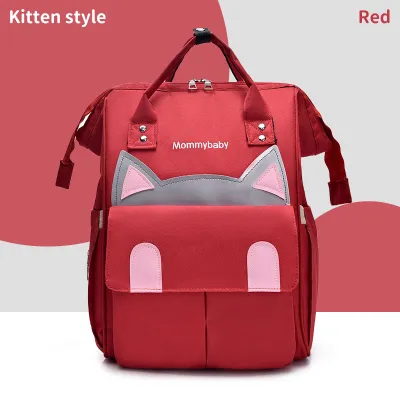
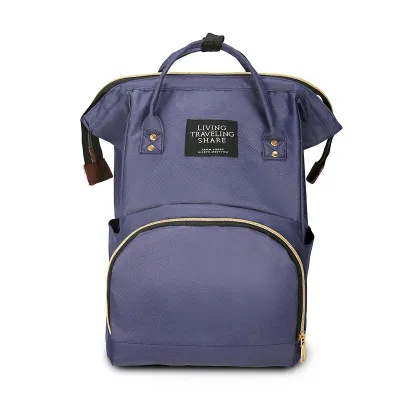
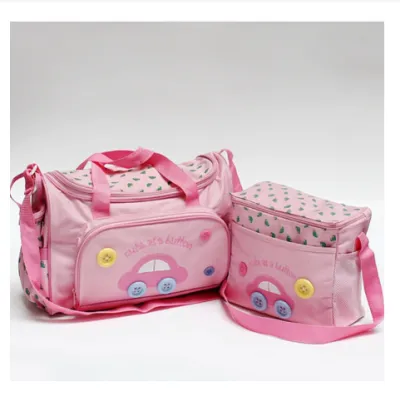
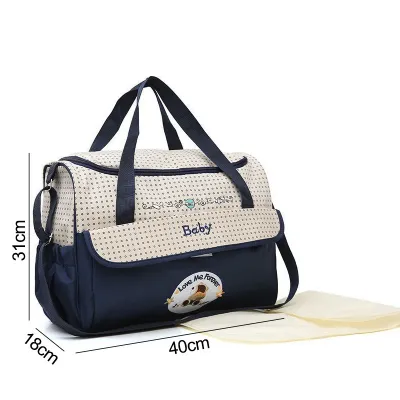
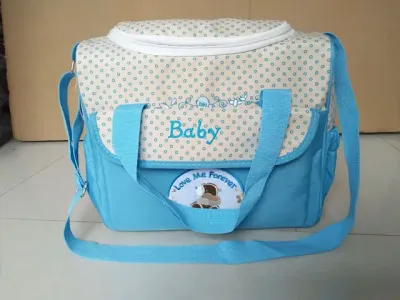
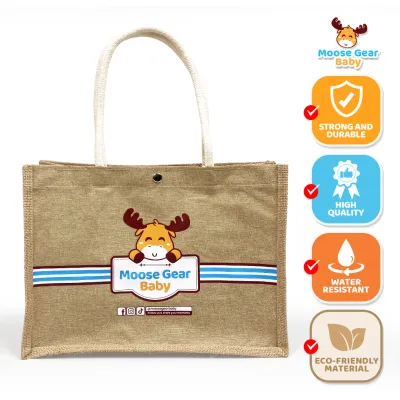
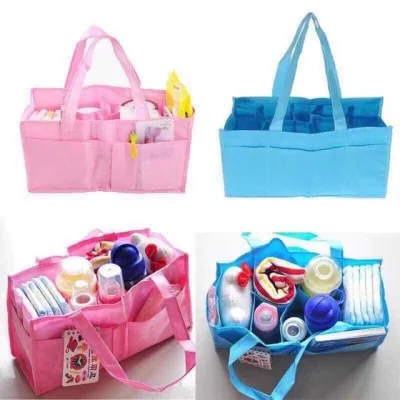
Prices are valid at publication and may change. Please refer to the product page for the latest price.
If your routine consists mostly of walking or pushing a stroller, ergonomic weight distribution and stroller compatibility become your top priorities. Walking long distances in warm, humid weather requires breathable materials and straps that do not dig into your shoulders. The bag must also attach securely to your stroller without causing a tipping hazard, allowing you to transition smoothly from carrying the load on your back to letting the wheels do the work.
Evaluating Backpack Diaper Bags for Active Mobility
Backpack-style baby bags are highly favored by active caregivers who need to keep both hands free for extended periods. By distributing weight evenly across both shoulders, a backpack reduces asymmetrical strain on your back and neck, which is especially beneficial during long walks or when navigating stairs and pedestrian overpasses. This balanced weight distribution makes it much easier to carry heavier loads, such as supplies for multiple children or extra water bottles to stay hydrated in tropical heat.

However, the backpack design comes with distinct trade-offs that you must consider before purchasing. The most significant drawback is accessibility; you cannot easily retrieve an item from the main compartment without stopping, taking the bag off at least one shoulder, and swinging it around. This extra step can be frustrating when you need to grab a pacifier or a wet wipe quickly to soothe a crying baby. Additionally, deep backpack compartments can sometimes turn into “black holes” where small items settle to the bottom, making internal organization systems crucial.
When evaluating a backpack, use a physical checklist to verify its quality and comfort. Inspect the shoulder straps to ensure they are wide, heavily padded, and lined with breathable mesh to prevent chafing and sweat buildup. Look for adjustable chest or waist clips, which help stabilize the load and keep the straps from slipping off your shoulders when you bend over. Finally, check for dedicated, easily accessible exterior pockets where you can store your phone, keys, and wallet securely without needing to open the main baby compartment.
Assessing Tote Diaper Bags for Quick Access and Capacity
Tote bags offer a classic, wide-open design that appeals to caregivers who prioritize speed and maximum storage capacity. The primary advantage of a tote is its wide top opening, which allows you to see almost all of your gear at a single glance. This makes it incredibly easy to pack bulky items, such as thick change mats, extra sets of clothes, large toys, or multiple swaddles, and retrieve them instantly without rummaging through deep pockets.
Despite their convenience, totes present clear physical challenges, particularly regarding weight distribution. Carrying a heavy bag on a single shoulder for long periods can lead to muscle strain, neck pain, and poor posture as you naturally lean to one side to balance the load. Furthermore, because many totes have open tops or simple magnetic snaps, there is a constant risk of items spilling out if the bag tips over in your car trunk or on a restaurant chair.
To ensure a tote is practical for daily use, verify its structural features before buying. Look for reinforced, wide shoulder straps that distribute weight more comfortably across your collarbone, and check if the bag includes an optional, detachable crossbody strap for alternative carrying. Ensure the main compartment features a heavy-duty, secure zipper to keep contents safe from curious toddlers and sudden spills. Finally, check for built-in internal dividers or structured pockets that prevent the bag from collapsing and losing its shape when only partially filled.
Reviewing Messenger Diaper Bags for Compact, Crossbody Carry
Messenger bags, worn across the body, offer a middle ground between the hands-free convenience of a backpack and the quick accessibility of a tote. The crossbody design allows you to slide the bag from your back to your front in one smooth motion, giving you instant access to diapers, wipes, and bottles without having to take the bag off. This makes messenger bags highly efficient for quick diaper changes in public restrooms or for monitoring your belongings in crowded areas.
The trade-off for this convenience is typically a more limited carrying capacity compared to bulky backpacks or wide totes. Messenger bags are generally designed for lighter, more streamlined loads, making them less suitable for all-day outings or for carrying gear for both an infant and a toddler. Additionally, because the strap crosses over one shoulder and chest, asymmetrical carrying can still cause localized shoulder and neck fatigue if the bag is overloaded.
When inspecting a messenger bag, focus on the strap design and external accessibility. Verify that the crossbody strap is wide, adjustable, and features a movable shoulder pad to cushion the pressure point. Check the flap closure; it should have secure buckles or high-quality hook-and-loop fasteners that keep the main compartment closed while still allowing for easy, one-handed opening. Look for external, wipe-clean pockets that let you grab essential items, like sanitizing wipes or tissues, without opening the main flap.
Verifying Internal Organization and Material Specifications
Beyond the external carrying style, the internal layout and material composition of a bag for baby determine its long-term utility. Do not rely solely on marketing descriptions; instead, inspect the physical structure of the bag or review detailed product specifications. Look for dedicated, insulated bottle pockets that help maintain the temperature of milk or water during warm afternoons. Ensure the interior lining is made of a smooth, wipeable material that can be easily cleaned with a damp cloth when spills inevitably occur.
Carefully read the manufacturer’s care labels and material specifications to understand the bag’s limits. In humid climates, water-resistant exterior fabrics like treated nylon or polyester are highly practical because they resist moisture, dry quickly, and are less prone to mildew than heavy canvas or untreated cotton. Check the manufacturer’s stated weight limits to ensure the bag can safely support your daily gear without tearing at the seams.
Finally, perform a close visual and physical inspection of all hardware and attachments. Test the zippers multiple times to ensure they glide smoothly without catching on the fabric lining, as sticky zippers can be incredibly frustrating when you are holding a baby. Examine the stitching where the straps attach to the bag’s body; look for reinforced “X” stitching or metal rivets, which indicate the bag is built to withstand the tension of heavy loads and frequent stroller attachment.
Final Decision Framework: Choosing Your Ideal Baby Bag
Selecting the right bag for baby comes down to matching your primary transit habits and physical comfort to the strengths of each style. If your daily routine involves walking long distances, navigating public transportation, or carrying heavy loads for multiple children, a backpack is the most ergonomic and practical choice to keep you hands-free. If you primarily travel by car, need to pack bulky items, and want to see all your supplies at a glance, a structured tote will provide the quick top-down access you need. For short trips, quick errands, or a lightweight secondary option that allows you to change diapers on the go without removing your bag, a compact messenger bag is highly efficient.
Before making your final choice, always verify the bag’s physical specifications against your personal needs. Check the adjustable range of the straps to ensure they fit your body shape comfortably over different types of clothing. If you plan to use a stroller, confirm that the bag’s attachment points are compatible with your specific stroller model and that the combined weight of the packed bag falls safely within the stroller manufacturer’s guidelines.
Frequently Asked Questions (FAQ)
Can I use a regular backpack or tote instead of a dedicated baby bag?
Yes, you can use a standard backpack or tote bag, but you will likely face organizational challenges. Regular bags often lack specialized features like insulated bottle pockets, water-resistant wet/dry compartments, and wipeable interior linings, which help contain spills and keep clean items sanitary. If you choose to use a standard bag, you can improve its functionality by using modular organizer inserts, zippered pouches, or wet bags to create dedicated zones for diapers, clean clothes, and feeding supplies. Before using a regular bag, inspect its straps, seams, and zippers to ensure they are durable enough to handle the heavy, daily weight of baby gear without tearing.
How do I attach a diaper bag to a stroller safely?
To attach a baby bag to a stroller safely, you must always consult the user manuals for both the stroller and the bag to verify approved attachment points and weight limits. Never drape a heavy bag directly over the stroller handlebars, as this can easily shift the stroller’s center of gravity and cause it to tip backward, risking injury to your child. Instead, use dedicated, non-slip stroller straps or clips designed to hang the bag lower on the stroller frame, closer to the wheels where the base is most stable. Always remove the bag from the stroller before lifting your baby out of the seat to prevent the sudden loss of counterweight from causing the stroller to tip over.

Community discussion
Share your experience or ask a question. Comments are reviewed before publication.