
Choosing the right diaper bag is one of the most practical decisions you will make as a parent. The ideal style depends entirely on how you move, where you go, and how much gear you need to carry to keep your little one comfortable. If you prioritize complete hands-free movement and even weight distribution, a backpack style is your best match. For parents who value instant, wide-open access to items and transition frequently between professional and parenting environments, a classic tote style is highly effective. If you prefer a middle ground that allows you to slide the bag forward for quick access without taking it off, a messenger or crossbody style is the ideal choice.
Ultimately, your decision rests on balancing your daily routine, physical comfort, and the age of your child. A newborn requires a vast array of feeding and changing supplies, while an active toddler demands quick reflexes and minimal baggage. By evaluating your typical outings and physical preferences, you can select a bag that simplifies your daily transitions rather than adding to your physical strain.
Step 1: Assess Your Daily Outing Routine
Your daily schedule and the environments you frequent dictate the capacity and structure your baby bag requires. If your routine consists primarily of short, quick errands, such as a brief trip to the local market or a neighborhood park, a compact bag with minimal storage will suffice. Conversely, full-day outings to large shopping malls, family gatherings, or outdoor day trips require a high-capacity bag capable of holding multiple changes of clothes, extra diapers, feeding gear, and personal essentials.
Products mentioned in this guide
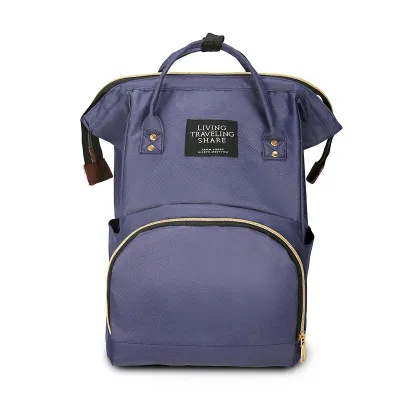
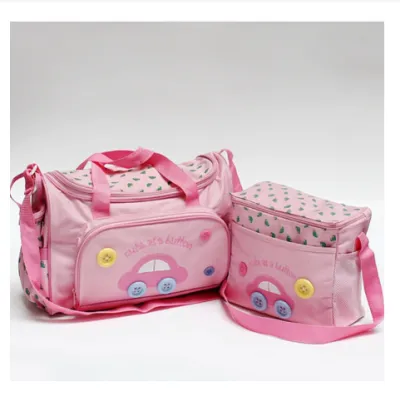
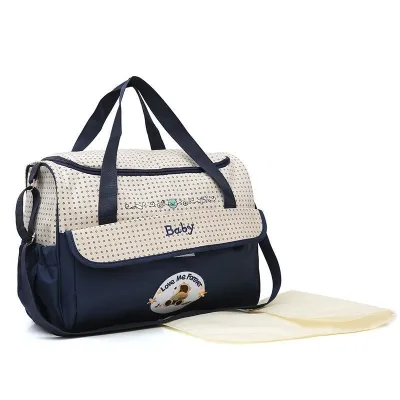
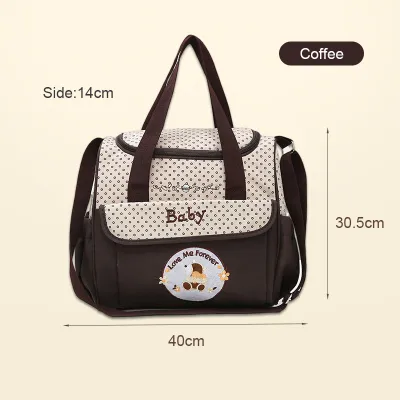
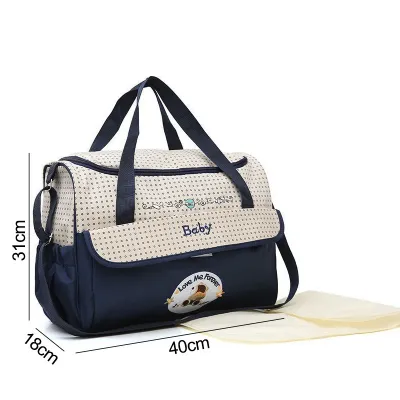
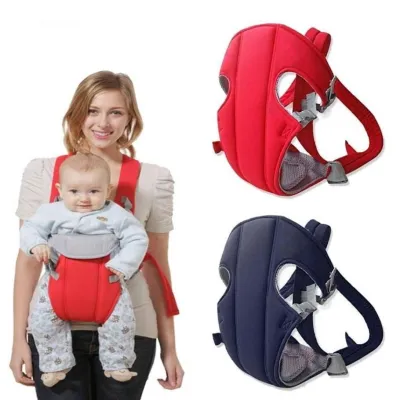
Prices are valid at publication and may change. Please refer to the product page for the latest price.
The age and mobility of your children also play a decisive role in this choice. Parents of newborns often find themselves stationary during changes and feedings, making structured organization a top priority. Once your child begins crawling or walking, your need for rapid, hands-free movement increases dramatically. Chasing an active toddler through crowded spaces requires a bag that stays securely attached to your body without shifting or sliding down your arm.
Environmental factors, particularly in warm and humid tropical climates, should also influence your selection. In the Philippines, high humidity and sudden tropical downpours mean you must carry extra changes of lightweight cotton clothing, small towels to wipe off sweat, and reliable wet-dry separation compartments to keep damp items away from clean ones. If you are formula-feeding, you will need to carry thermos flasks with warm water, sterilized bottles, and pre-measured formula dispensers, which add significant weight and bulk. Navigating crowded public transport, narrow sidewalks, or busy shopping malls requires a streamlined bag profile that does not bump into others or restrict your mobility. Consider whether you will be lifting the bag frequently in and out of vehicles, placing it on public surfaces, or hanging it from a stroller frame during your journeys.
Step 2: Evaluate Your Carrying Preferences and Physical Comfort
Physical comfort is a critical factor that is often overlooked until a bag is fully loaded and heavy. Carrying several kilograms of baby gear on one side of your body for extended periods can quickly lead to shoulder, neck, and lower back strain. If you already experience back sensitivity or postural issues, distributing the weight evenly across both shoulders is essential for preventing discomfort during long walks. In hot and humid weather, a backpack with a breathable mesh back panel can significantly reduce sweat buildup and keep you cooler. Conversely, a heavy faux-leather tote might feel sticky against your skin and add unnecessary weight before you even begin packing.

Accessibility is another key comfort dimension. Consider how you prefer to retrieve items when your baby is crying or when you are in a hurry. Some parents find it frustrating to unzip multiple compartments or dig through a deep, dark main compartment while holding a baby. They prefer a wide, structured top opening that allows them to see everything at a glance. Others prefer highly segmented pockets that keep specific items, such as pacifiers, wipes, and hand sanitizers, in dedicated, predictable spots.
Your personal style and how you transition between roles also matter. Many parents prefer a bag that does not look like a traditional diaper bag, opting instead for sleek, neutral designs that complement their everyday wardrobe. If you plan to use the same bag for work, social events, and parenting duties, look for versatile aesthetics that blend seamlessly into professional environments. This ensures you feel comfortable carrying the bag even when your baby is not with you.
Step 3: Match Your Needs to the Bag Style
To make a confident purchase, it is helpful to compare the three primary diaper bag styles against a single framework. Each style offers distinct advantages and trade-offs in terms of weight distribution, accessibility, and carrying capacity. By analyzing how these characteristics align with your daily routine, you can easily identify the style that will serve you best over the long term.
Backpack Style
The backpack style is the ultimate solution for parents who require complete hands-free mobility. By distributing the weight of your baby gear evenly across both shoulders, a backpack minimizes localized muscle strain and allows you to maintain a natural posture. This is particularly beneficial when you are carrying your baby in a front carrier, pushing a stroller over uneven pavement, or chasing a toddler who has just learned to run. Many modern diaper backpacks also feature dedicated stroller straps, allowing you to hang the bag securely when your shoulders need a break.
However, the primary trade-off of a backpack is accessibility. To retrieve an item, you must typically stop, take the bag off at least one shoulder, and unzip the compartments. If you are standing in a crowded space or holding a fussy baby, this process can feel cumbersome. Additionally, the deep vertical design of many backpacks can make it difficult to find small items at the bottom unless the bag features a wide-opening panel, light-colored interior lining, or well-organized internal pockets.
Tote Style
The tote style is favored for its exceptional accessibility and classic, handbag-like appearance. With a wide top opening, a tote allows you to see all your contents at a single glance and grab a wipe, pacifier, or toy in seconds. Many diaper totes are designed with sophisticated materials and elegant silhouettes, making them highly appealing to parents who want to maintain their personal style or transition smoothly from the office to family time. They often feature comfortable shoulder straps and optional crossbody straps for added versatility.
The main disadvantage of a tote is its asymmetrical weight distribution. Carrying a heavily packed tote on one shoulder can cause muscle fatigue and require you to constantly adjust the strap to keep it from slipping off. If you need to bend down to pick up your child or retrieve a dropped toy, a tote bag can easily swing forward, obstructing your movement or spilling its contents if it is not securely zipped. It is also less practical if you need to carry your baby for long distances without a stroller.
Messenger Style
The messenger or crossbody style offers a practical middle ground for parents who want hands-free convenience without sacrificing quick access. By wearing the strap diagonally across your chest, you can easily slide the bag from your back to your front to retrieve items without taking the bag off. This makes it an excellent choice for quick trips, public transit commutes, or minimalist parents who prefer to carry only the absolute essentials. The flap-front design typical of messenger bags also provides a quick shield against light rain or dust.
Because the weight still rests on a single shoulder, proper strap adjustment is crucial to prevent neck and shoulder strain. Look for wide, well-padded straps that help distribute the load across your collarbone. While messenger bags are highly convenient for moderate loads, they can become uncomfortable if overpacked, making them less suitable for long, all-day excursions that require heavy gear. It is best suited for parents who prefer a compact, streamlined setup.
Pre-Purchase Checklist for Any Baby Bag
Before finalizing your purchase, use this practical checklist to verify that your chosen bag meets the demands of daily parenting:
- Material and Cleanability: Check the manufacturer's care labels to ensure the interior lining is fully wipe-clean and water-resistant. The exterior should be durable enough to withstand being placed on various surfaces, from park benches to cafe floors. Water-resistant nylon or treated polyester are excellent choices for tropical climates.
- Dedicated Storage Features: Verify the presence of insulated bottle pockets to keep milk, formula, or water at a safe temperature. Look for sturdy, smooth-gliding zippers that can be operated with one hand, and check if a matching, easy-to-clean changing pad is included.
- Strap Quality and Adjustability: Ensure the shoulder straps are wide, padded, and easily adjustable to fit different caregivers. If you plan to use a stroller frequently, check if the bag includes integrated stroller straps or clips. Always exercise caution when hanging a heavy bag on a stroller handlebar to prevent the stroller from tipping backward.
- Weight and Ergonomics: Lift the bag while it is empty to ensure it is lightweight. A bag that is heavy before you even pack it will quickly become uncomfortable once loaded with diapers, clothes, and bottles.
Frequently Asked Questions (FAQ)
Can I just use my regular everyday bag instead of a specific baby bag?
Yes, you can use a regular everyday bag, provided it has sufficient space and you are willing to adapt it. Standard bags, however, often lack the water-resistant linings, insulated compartments, and specialized pockets that keep baby gear organized and hygienic. If you choose to use a regular bag, consider purchasing a removable diaper bag organizer insert. This allows you to keep diapers, wipes, and bottles upright and easily accessible while protecting your bag’s interior from accidental spills.
How do I clean and maintain my baby bag to prevent odors?
To prevent odors and maintain hygiene, always consult the manufacturer’s care label for specific washing and drying instructions before cleaning your bag. As a general practice, empty the bag completely once a week to shake out crumbs and debris. Spot-clean spills immediately with a damp cloth and mild, baby-safe soap. After cleaning, leave all compartments unzipped and allow the bag to air dry completely in a well-ventilated area away from direct, intense sunlight to protect the fabric.

Community discussion
Share your experience or ask a question. Comments are reviewed before publication.