
Quick Verdict: Choosing the Right Bottle Material
Selecting the ideal baby bottle is one of the most frequent decisions parents face, and the choice of material plays a critical role in safety, durability, and daily convenience. The “best” bottle material is not a single, universal option; rather, it depends on your baby’s developmental stage, your family’s lifestyle, and your specific feeding routines.
For parents seeking a lightweight, easy-to-clean option that simplifies formula preparation and supports a smooth breast-to-bottle transition, the babyflo super wide neck bottle is highly practical. However, if your priority is maximum longevity, scratch resistance, and a material that does not retain odors or cloud over time, traditional glass bottles remain an excellent choice. Meanwhile, standard PPSU (polyphenylsulfone) bottles offer a premium, highly durable, medical-grade plastic alternative that survives drops while handling high sterilization temperatures.
Before making a purchase, it is essential to check the product packaging of your specific BabyFlo bottle. Because BabyFlo offers bottles in different plastic compositions, such as standard Polypropylene (PP) or other variants, verifying the exact material on the label will dictate its specific heat tolerance, sterilization limits, and overall lifespan.
Products mentioned in this guide
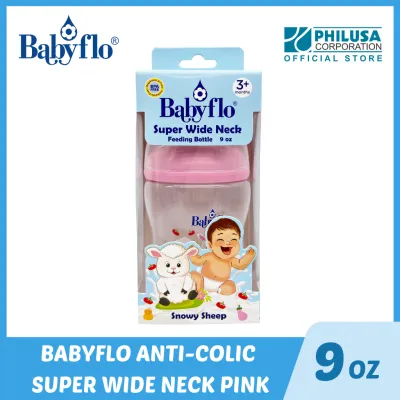
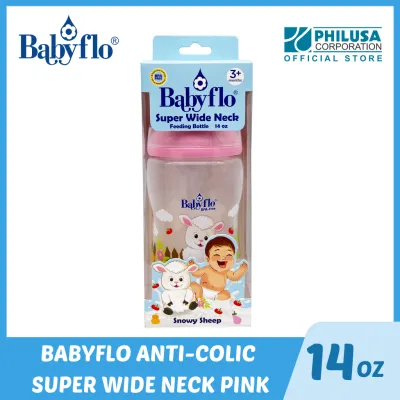
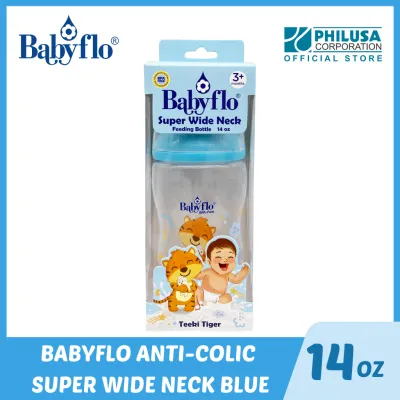
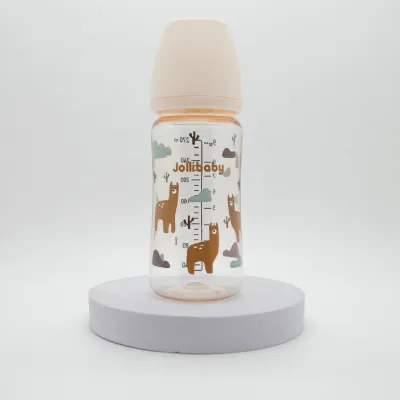
Prices are valid at publication and may change. Please refer to the product page for the latest price.
Understanding Your Options: BabyFlo, Glass, and PPSU
To make an informed decision, you must first understand the physical characteristics, benefits, and limitations of each bottle material available in the market.

BabyFlo Super Wide Neck Bottles
BabyFlo is a familiar household brand in the Philippines, known for offering practical and accessible baby care products. When looking at the babyflo super wide neck bottle, the defining feature is its physical design. The ultra-wide opening is engineered to mimic the natural shape of a mother’s breast, which can help babies latch more naturally and reduce nipple confusion during mixed feeding. While the “super wide neck” refers to the shape, the bottle itself is typically made of lightweight plastic, such as Polypropylene (PP). It is crucial to inspect the base of the bottle or the retail box to confirm the exact plastic type, as this determines how the bottle reacts to heat and wear.
Glass Bottles
Glass is the traditional material for baby bottles and is highly regarded for its purity. Most high-quality glass bottles are made from borosilicate glass, which is engineered to withstand sudden temperature changes. Glass is completely free of synthetic chemicals, naturally scratch-resistant, and does not absorb food colors, oils, or odors. However, glass bottles are significantly heavier than plastic alternatives, making them more tiring to hold during long feeding sessions. They also pose a safety risk of shattering or chipping if dropped on hard tile floors, which are common in many Philippine homes.
PPSU (Polyphenylsulfone) Bottles
PPSU is a high-performance, medical-grade plastic known for its distinct natural honey-colored or amber tint. It combines the best qualities of glass and plastic: it is incredibly lightweight and shatterproof, yet it possesses a high heat resistance that often exceeds 180 degrees Celsius. PPSU does not easily absorb odors or stains and is highly resistant to repeated sterilization. Because of these premium properties, PPSU bottles are generally more expensive than PP or glass options, representing a long-term investment for parents who want plastic-like convenience with glass-like durability.
PP (Polypropylene) Bottles
Polypropylene is the most common plastic used in standard, budget-friendly baby bottles. It is lightweight, flexible, and completely shatterproof. However, PP has a lower heat tolerance (typically around 110 degrees Celsius) and is softer than PPSU. This softness makes PP bottles highly susceptible to micro-scratches from bottle brushes. Over time, PP bottles tend to lose their clarity, becoming cloudy or yellowed, and they are more likely to retain milk odors and residues.
Evaluating the BabyFlo Super Wide Neck Against Glass and PPSU: Safety, Durability, and Practicality
Safety and Sterilization Compatibility
When evaluating safety, the primary concern for parents is chemical leaching. All reputable, modern baby bottles sold by established brands—including BabyFlo, glass manufacturers, and PPSU brands—are certified BPA-free and BPS-free. This means they do not contain Bisphenol A or Bisphenol S, chemicals historically used in plastics that raised health concerns.
However, safety also extends to how these materials behave under high heat during sterilization. In the humid, tropical climate of the Philippines, proper sterilization is crucial to prevent the growth of harmful bacteria on feeding equipment.
Glass bottles have excellent thermal stability. They can easily withstand boiling water, steam sterilizers, and UV sterilizers without any risk of chemical degradation or structural weakening.
PPSU bottles are also highly resilient to heat. They can be sterilized repeatedly via boiling, steam, or UV exposure without losing their structural integrity or leaching chemicals, making them highly versatile for busy households.
Polypropylene (PP) bottles, which include many BabyFlo variants, have a lower heat threshold. While PP is safe for standard steam sterilization and boiling, excessive exposure to extreme temperatures can accelerate the degradation of the plastic. Furthermore, UV sterilizers can cause certain plastics to discolor, become brittle, or degrade faster over time.
Always check the manufacturer’s maximum temperature guidelines and specific sterilizer compatibility symbols printed on the bottle packaging. If your baby has specific health vulnerabilities or is a newborn, consult a pediatrician or healthcare professional to determine the safest sterilization protocol for your chosen bottle material.
Durability, Scratch Resistance, and Lifespan
A bottle’s durability directly impacts both its long-term cost-effectiveness and its hygiene.
Glass bottles excel in scratch resistance. Because glass is a hard, non-porous surface, standard nylon or silicone bottle brushes will not scratch it. This lack of scratches means there are no microscopic crevices where milk proteins, fats, or bacteria can hide after washing. The lifespan of a glass bottle is theoretically infinite, provided it does not chip, crack, or break.
In contrast, plastic bottles are prone to physical wear. PP bottles are relatively soft and scratch easily during cleaning. These micro-scratches not only harbor bacteria but can also lead to the shedding of microplastics over time under high heat. PPSU is significantly harder than PP and resists scratching much better, though it is still not as scratch-proof as glass.
To maintain safety and hygiene, caregivers must regularly inspect all bottles before use. For plastic bottles (PP and PPSU), look for visible signs of wear, such as persistent cloudiness, a yellow tint, deep scratches, or lingering sour milk odors that do not disappear after washing. If any of these signs are present, the bottle should be replaced immediately.
For glass bottles, inspect the bottle under bright light before every feeding. Run your finger carefully along the rim and threads to check for tiny chips, hairline cracks, or internal fractures. If you detect even a minor flaw, discard the bottle immediately to prevent glass particles from entering the milk or the bottle shattering during use.
Daily Practicality and the Super Wide Neck Design
Daily usability is where the physical design of the bottle becomes just as important as its material.
Weight is a major factor in daily practicality. Glass bottles are heavy. For a young infant learning to hold their own bottle under close caregiver supervision, a glass bottle can be too heavy and presents a safety hazard if dropped. Plastic bottles, such as the BabyFlo Super Wide Neck or PPSU bottles, are incredibly lightweight. In the Philippines, where family outings to malls or parks are common, packing three or four lightweight plastic bottles in a diaper bag is far more comfortable than carrying heavy glass bottles.
The “super wide neck” design of the BabyFlo bottle offers distinct ergonomic advantages over standard narrow-neck bottles.
First, it allows for spill-free formula preparation. Standard narrow-neck bottles have a very small opening, making it easy to spill expensive formula powder on the kitchen counter, especially during late-night feedings when caregivers are tired. The super wide neck provides a generous opening, allowing you to scoop formula powder directly into the bottle without spills.
Second, wide-neck bottles are much easier to clean thoroughly. A standard kitchen sponge or a wide bottle brush can easily reach the bottom and sides of the bottle, ensuring no milk residue is left behind in hard-to-reach corners.
Third, the wide base of the nipple on a super wide neck bottle closely mimics the natural breast shape. This design helps the baby maintain a wide, natural latch, making it easier to combine breastfeeding and bottle-feeding without causing nipple confusion.
Quick Comparison Checklist for Bottle Materials
The following table summarizes the key differences between the materials discussed to help you verify specifications and make a quick, informed choice.
| Material Type | Weight | Drop Resistance | Scratch Resistance | Sterilizer Compatibility |
|---|---|---|---|---|
| BabyFlo Super Wide Neck (Typically PP) | Extremely Lightweight | Excellent (Shatterproof) | Low to Moderate (Prone to micro-scratches) | Steam and Boiling Safe; Verify UV-safe symbol on packaging |
| Glass (Borosilicate) | Heavy | Low (Fragile; can chip or shatter) | High (Highly scratch-resistant) | Steam, Boiling, and UV Safe (Check manufacturer limits) |
| PPSU (Medical-Grade) | Lightweight | Excellent (Shatterproof) | Moderate to High (Highly durable) | High Steam, Boiling, and UV Safe (Verify on packaging) |
| Standard PP (Polypropylene) | Extremely Lightweight | Excellent (Shatterproof) | Low (Scratches easily) | Steam and Boiling Safe; Check label for UV compatibility |
Note: Always inspect the physical packaging of your purchased bottle to verify exact heat tolerances and sterilization symbols, as manufacturing specifications can vary.
How to Choose the Best Bottle for Your Baby
To finalize your decision, consider your daily routine, budget, and feeding preferences. You do not have to limit yourself to just one material; many parents find success by mixing and matching bottles based on the situation.
Use this simple decision framework to guide your choice:
- Choose the BabyFlo Super Wide Neck if: You want an affordable, lightweight, and highly practical bottle for daily use. This option is ideal if you primarily feed formula and want to avoid powder spills, or if you are transitioning your baby between breast and bottle. It is also excellent for active families who need lightweight bottles for travel.
- Choose Glass if: You prioritize maximum hygiene, long-term durability, and a material that will never scratch or retain odors. Glass is best suited for home use where feedings occur in carpeted or padded areas, and where caregivers handle the bottle to eliminate the risk of drops.
- Choose standard PPSU if: You are willing to invest in a premium, long-lasting plastic bottle that offers the high heat resistance and durability of glass without the heavy weight or fragility. This is a great option if you rely heavily on UV sterilization and want a bottle that can withstand hundreds of sterilization cycles.
For many Filipino families, a hybrid approach works best. You can keep glass bottles at home for controlled, nighttime feedings where sterilization and hygiene are top priorities. When traveling, visiting relatives, or sending your baby to daycare, you can switch to lightweight, shatterproof options like the BabyFlo Super Wide Neck to ensure safety and convenience on the go. Always ensure that any bottle feeding is done under direct adult supervision, regardless of the material chosen.
Frequently Asked Questions (FAQ)
Can I use a UV sterilizer for my BabyFlo Super Wide Neck bottle?
Whether you can safely use a UV sterilizer depends entirely on the specific plastic material of your BabyFlo bottle. While glass and premium plastics like PPSU are highly compatible with UV sterilization, standard Polypropylene (PP) can degrade, discolor, or become brittle when exposed to repeated UV light over time. Before placing your bottle in a UV sterilizer, inspect the packaging or the base of the bottle for a UV-safe symbol or manufacturer instructions. If the label does not explicitly state that it is UV-compatible, it is safer to use traditional steam sterilization or boiling water.
How often should I replace plastic baby bottles compared to glass?
Plastic baby bottles made of PP or PPSU require regular replacement to maintain hygiene. As a general guideline, standard PP bottles should be replaced every 3 to 6 months, while high-durability PPSU bottles can last up to 6 to 12 months depending on the frequency of use and sterilization. However, you should replace any plastic bottle immediately if you observe cloudiness, deep scratches, cracks, or persistent odors. In contrast, glass bottles do not have a set replacement timeline and can be used indefinitely, provided they are completely free of chips, cracks, scratches, or structural flaws. Always inspect glass bottles carefully before every feeding.

Community discussion
Share your experience or ask a question. Comments are reviewed before publication.