
Newborn babies have incredibly delicate skin and developing respiratory systems, which means any product applied to their bodies requires extreme caution. While cooling baby powders are popular in warm, tropical climates like the Philippines to help soothe prickly heat and keep skin dry, they are generally not recommended for newborns. The active cooling ingredients, such as menthol, along with the physical nature of loose powders, present significant risks of skin irritation and respiratory distress for infants in their first few weeks of life. Before introducing any cooling powder to your baby’s routine, it is crucial to understand how these ingredients interact with a newborn’s sensitive system and how to evaluate product labels for safety.
In tropical environments, high humidity and heat often lead parents to seek immediate relief for their babies’ skin. However, a newborn’s skin barrier is still maturing, making it highly permeable and susceptible to harsh chemical reactions. Additionally, their tiny airways are easily irritated by airborne particles. While older babies might tolerate certain mild powders under strict supervision, newborns require a much gentler approach that avoids strong sensory stimulants and inhalation hazards altogether.
Understanding Cooling Ingredients in Baby Powders
Cooling baby powders are formulated to provide a refreshing, soothing sensation on the skin, which can feel highly comforting in hot and humid weather. These products typically rely on active botanical extracts or synthetic compounds to trigger specific sensory receptors. The most common cooling agents found in over-the-counter powders and topical cosmetics include menthol, camphor, and eucalyptus oil. When applied to the skin, these ingredients do not actually lower the skin’s physical temperature; instead, they chemically stimulate the cold-sensitive receptors, tricking the brain into perceiving a cooling sensation.
Products mentioned in this guide
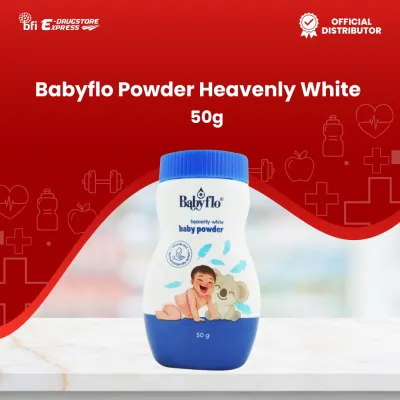
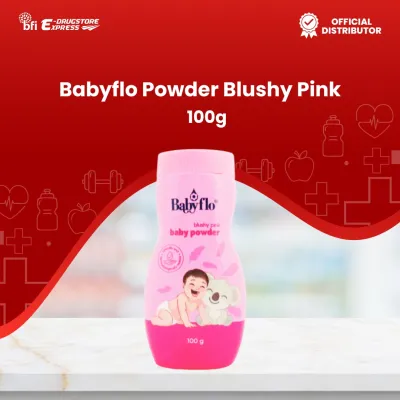
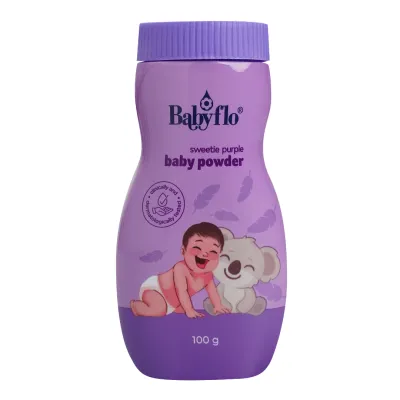
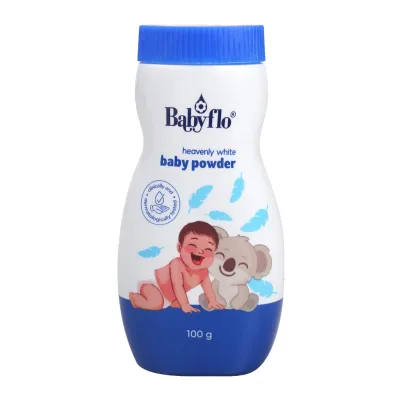
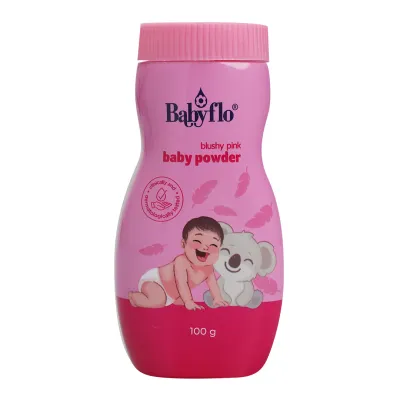
Prices are valid at publication and may change. Please refer to the product page for the latest price.
While this tingling, cooling effect can temporarily relieve itching or discomfort from sweat and friction in adults and older children, it behaves very differently on infant skin. The term “cooling” is often associated with soothing relief, leading many parents to assume these products are inherently gentle. However, these active agents are potent sensory stimulants. A newborn’s nervous system and skin receptors are highly sensitive, meaning a sensation that feels mildly refreshing to an adult can feel intensely overwhelming, cold, or even painful to a newborn.
Furthermore, many cooling powders contain added synthetic fragrances to enhance the perception of freshness. These fragrances, combined with active cooling compounds, increase the chemical complexity of the product. Because a newborn’s skin has not yet developed a robust protective barrier, these ingredients can easily penetrate the outer layers of the skin, leading to systemic absorption or localized adverse reactions that far outweigh any temporary soothing benefits.
Potential Risks for Newborn Skin and Respiratory Systems
The primary concern with using cooling powders on newborns lies in the fragility of their developing physiological systems. A newborn’s skin barrier is significantly thinner and more delicate than that of an adult, meaning it loses moisture rapidly and absorbs topical substances much more easily. When active cooling agents like menthol or essential oils are applied to this vulnerable barrier, they can easily cause contact dermatitis, characterized by redness, swelling, peeling, and intense itching. What was intended to soothe the baby can quickly turn into a painful skin flare-up.

Beyond skin irritation, loose powders of any kind pose a severe risk to a newborn’s respiratory health. When powder is shaken out of a bottle, it creates an invisible cloud of fine particles in the air. If a newborn inhales these microscopic particles, they can travel deep into the baby’s tiny lungs, causing immediate airway irritation, coughing, and breathing difficulties. Over time, repeated inhalation of fine powder particles can lead to chronic respiratory issues or severe lung inflammation, regardless of whether the powder is made from talc or cornstarch.
The sensory impact of cooling agents on an infant’s respiratory reflex is another critical safety factor. Strong cooling sensations, particularly when applied near the chest, neck, or face, can trigger a sudden reflex in newborns that temporarily disrupts their normal breathing patterns. This sensory overload can cause distress, sudden crying, or a choking reflex. Because newborns cannot communicate their discomfort or move away from the source of the irritation, using products with strong sensory triggers introduces unnecessary risks to their daily comfort and safety.
How to Evaluate BabyFlo Product Labels for Newborn Use
When shopping for baby care products at a local supermarket, pharmacy, or online marketplace, parents must become diligent label readers. To determine if a specific product like BabyFlo powder is appropriate for your newborn, start by looking for explicit age recommendations or warnings on the packaging. Many manufacturers clearly state age limits, such as “not suitable for babies under three months” or “keep out of reach of children,” which serve as immediate indicators of whether the product is formulated for newborn skin.
Next, carefully examine the ingredient list on the back of the bottle. Look for the primary base material of the powder, which is typically either talc or cornstarch. While talc-free options are widely preferred to avoid specific inhalation risks, you must also scan the list for active additives. Look for terms like menthol, camphor, eucalyptus, or “fragrance/parfum.” If any of these cooling agents or heavy fragrances are listed, the product is highly likely to be too harsh for a newborn’s skin and should be avoided during the first few months of life.
It is also common to see marketing claims such as “pediatrician-tested,” “dermatologist-tested,” or “hypoallergenic” on baby skincare packaging. While these labels indicate that the product has undergone some level of safety evaluation, they do not guarantee that the product is completely safe for every individual newborn. These tests are often conducted on older infants or under controlled conditions that may not reflect your baby’s unique skin sensitivity. These claims should be viewed as helpful starting points rather than a green light to bypass careful ingredient checks and cautious application.
Safe Application Boundaries and When to Seek Medical Help
If you choose to use a mild, non-cooling baby powder on an older infant, establishing strict application boundaries is essential to minimize health risks. Never shake the powder directly onto the baby’s body or near their face. Instead, step away from the baby, shake a small amount of powder directly into your own hand, pat your hands together gently to minimize airborne dust, and then smooth it gently onto the baby’s skin folds. This method significantly reduces the amount of airborne powder the baby might inhale.
Before applying any new skincare product to your baby’s skin, always perform a localized patch test. Apply a tiny amount of the product to a small, clean area on the baby’s inner arm or thigh and monitor the spot for 24 hours. If you notice any redness, tiny bumps, dryness, or signs of discomfort, wash the area immediately with plain water and do not use the product again. This simple step can prevent a widespread allergic reaction or severe skin irritation across the baby’s entire body.
As a parent, you must remain vigilant for signs of adverse reactions that require immediate professional attention. Stop using any powder immediately and consult a pediatrician if your baby exhibits persistent skin redness, hives, peeling, or unusual fussiness after application. More importantly, if you observe any respiratory changes—such as coughing, wheezing, rapid breathing, flaring nostrils, or chest retractions—seek emergency medical care immediately, as these are signs of acute powder inhalation or severe sensory irritation.
Gentle Alternatives for Newborn Skin Care
Keeping a newborn’s skin dry and comfortable in a warm climate does not require the use of cooling powders. If you feel that a powder is absolutely necessary to manage moisture in skin folds, opt for a fragrance-free, cooling-agent-free, cornstarch-based powder. Cornstarch has larger particles than talc, making it slightly less prone to remaining suspended in the air, though it must still be applied with extreme care to prevent inhalation. Ensure the product contains zero added menthol, essential oils, or synthetic perfumes.
A highly effective alternative to traditional loose powders is a liquid-to-powder lotion or a gentle barrier cream. These liquid formulations glide onto the skin smoothly and dry down to a soft, powdery finish without releasing any airborne particles into the room. This completely eliminates the risk of respiratory irritation while still providing a protective barrier against friction and excess moisture. While spending ₱150 to ₱300 on specialized baby creams might seem more expensive than a basic bottle of powder, the safety benefits for a newborn’s respiratory system are well worth the investment.
Ultimately, the most reliable way to maintain healthy newborn skin is through fundamental hygiene practices that do not rely on cosmetic products. Focus on keeping the skin clean and dry by gently patting—not rubbing—your baby dry with a soft cotton towel after baths. Change diapers frequently to prevent moisture buildup, and allow the skin to air-dry completely before putting on a fresh diaper. Dressing your baby in loose-fitting, breathable cotton clothing will naturally help regulate their body temperature and minimize sweat retention without the need for cooling chemicals.
Frequently Asked Questions (FAQ)
Can I use cooling powder to help my baby breathe better during a cold?
No, you should never use cooling powders or any mentholated products to treat congestion in a newborn or infant. While the cooling sensation of menthol can create a subjective feeling of clearer airways in adults, it does not actually relieve nasal congestion. In infants, applying strong cooling agents near the nose or mouth can trigger a dangerous respiratory reflex, causing their airways to constrict or causing them to stop breathing temporarily. If your newborn is congested, consult a pediatrician for safe, approved treatments such as saline nasal drops or a gentle bulb syringe.
Is a talc-free powder automatically safe for a newborn's sensitive skin?
No, a talc-free label does not automatically guarantee that a powder is safe or suitable for a newborn. While choosing a cornstarch-based or talc-free powder eliminates the specific mineral risks associated with talc, the product can still contain added fragrances, essential oils, or cooling agents like menthol that can irritate a newborn’s delicate skin barrier. Additionally, any loose powder, regardless of its base ingredient, poses a significant inhalation risk to an infant’s developing lungs. You must evaluate the entire ingredient list and consider the physical inhalation risks before using any powder on a newborn.

Community discussion
Share your experience or ask a question. Comments are reviewed before publication.