
Quick Guide to Choosing the Right BabyFlo Bottle
Selecting the ideal babyflo feeding bottle involves comparing the physical characteristics of glass, plastic, and silicone against your child’s developmental stage. Each material offers distinct advantages: glass provides unmatched purity and longevity, plastic delivers lightweight convenience, and silicone offers a soft, breast-like texture that aids transitions. The best choice ultimately depends on your baby’s age, motor skills, and daily feeding environments, balanced with your lifestyle as a caregiver.
The “best” choice is rarely a single, permanent answer; rather, it depends on your baby’s age, developing motor skills, and your lifestyle. For instance, a newborn feeding quietly in an armchair requires a different setup than an active toddler learning to hold their own bottle during a family outing. When selecting your baby’s bottle, prioritizing safety, ease of thorough sanitization, and your baby’s latch comfort will guide you to the most practical option.
This comprehensive comparison breaks down the physical traits of glass, plastic, and silicone. By understanding how these materials perform under daily wear, high-heat sterilization, and tropical humidity, you can confidently match each bottle type to your baby’s specific developmental milestones.
Products mentioned in this guide
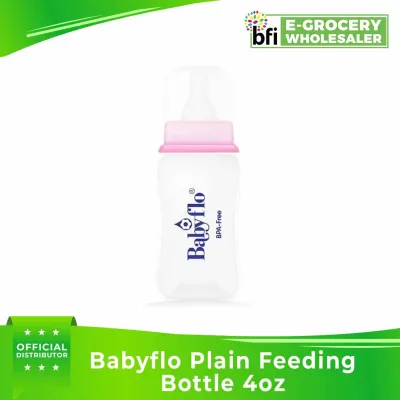
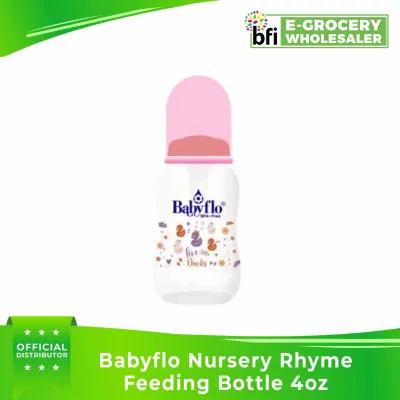
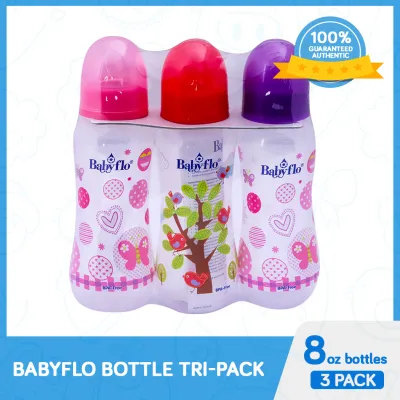
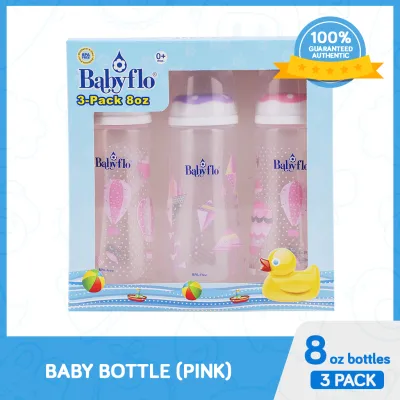
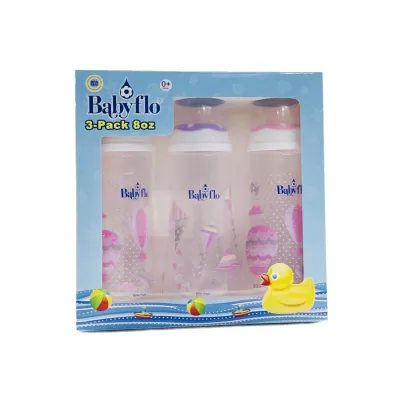
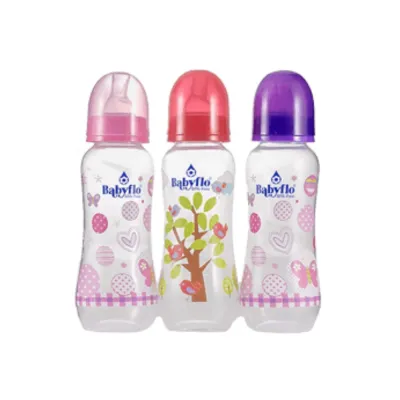
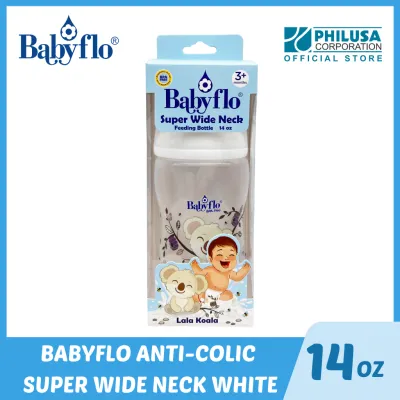
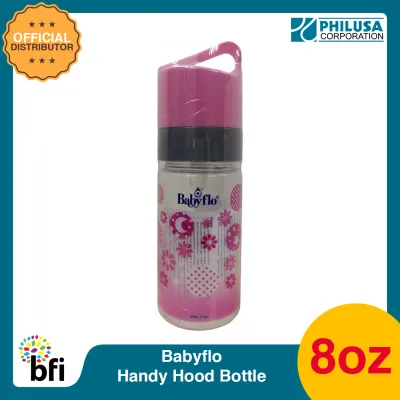
Prices are valid at publication and may change. Please refer to the product page for the latest price.
Comparing Glass, Plastic, and Silicone BabyFlo Feeding Bottle Materials
Each bottle material responds differently to the demands of daily sterilization, physical handling, and long-term wear. To make an informed choice, caregivers must balance the physical weight and durability of the material against the ease of maintenance. No single option is universally superior; instead, each serves a specific purpose in a baby’s feeding lifecycle.

Glass Bottles: Purity and Scratch Resistance
Glass has long been favored by parents who prioritize chemical purity and exceptional hygiene. Because glass is entirely non-porous, it does not absorb food pigments, fats, or stubborn odors from breast milk or infant formula. This resistance to staining and odor retention ensures that the bottle remains pristine and easy to clean even after months of continuous use.
However, the structural integrity of glass comes with a trade-off in weight and fragility. Glass bottles are significantly heavier than their plastic or silicone counterparts, which can cause hand fatigue during long midnight feeds. Because they can shatter if dropped on hard tile floors, they require careful handling and constant caregiver supervision. Before exposing a glass bottle to rapid temperature changes—such as moving it directly from a cold refrigerator into a pot of boiling water—always check the manufacturer’s specifications for thermal shock resistance to prevent dangerous cracking.
Plastic Bottles: Lightweight and Shatterproof
For families on the go or babies transitioning to self-feeding, plastic bottles offer unmatched convenience. These bottles are incredibly lightweight and virtually shatterproof, making them the standard choice for travel, daycare settings, and busy household environments. If a plastic bottle slips from a high chair or diaper bag, there is no risk of broken glass or spilled liquid hazards.
When purchasing plastic options, it is vital to inspect the packaging and verify the specific plastic type used, such as Polypropylene (PP). Caregivers must ensure the product is explicitly labeled as BPA-free and BPS-free to avoid chemical exposure. While highly convenient, plastic is softer than glass and prone to developing microscopic scratches over time from bottle brushes or abrasive cleaning. These micro-scratches can harbor bacteria and mineral deposits, meaning plastic bottles generally require more frequent replacement than glass.
Silicone Bottles: Softness and Flexibility
Silicone represents a modern alternative designed to mimic the natural feel of breastfeeding. The soft, squeezable texture of a silicone bottle body provides a skin-like warmth and flexibility that can ease the transition for combination-fed infants or babies who reject rigid plastic and glass bottles. Its pliable nature also allows older infants to grip the bottle comfortably, simulating a more natural feeding experience.
Silicone is highly durable and exhibits excellent resistance to extreme temperatures, meaning it rarely warps during sterilization. However, this material requires diligent maintenance to prevent issues. Because silicone is slightly porous compared to glass, it can retain strong soapy smells or formula odors if not washed immediately after use. Additionally, the exterior surface of silicone has a naturally “grippy” texture that can attract lint, dust, or hair, and some infants may dislike the flexible feel when they attempt to hold and control the bottle independently.
Matching the Material to Your Baby's Developmental Stage
As your baby grows, their physical strength, coordination, and feeding habits undergo rapid transformations. Aligning the bottle material with these developmental stages ensures that feeding remains safe, comfortable, and developmentally appropriate. The transition from caregiver-controlled feeding to independent self-feeding is the primary factor in determining which material is most practical at any given month.
Newborns and Young Infants (0–6 Months)
During the first half-year of life, infants rely entirely on caregivers to hold and position the bottle. Because you are in complete control of the feeding process, the heavier weight of glass is highly manageable, and its superior hygiene makes it an excellent choice for newborns with developing immune systems. Glass bottles can be sterilized repeatedly at high temperatures without any risk of material degradation, offering peace of mind during those frequent, small feeding sessions.
Alternatively, silicone bottles are highly beneficial during this stage for babies who are combination feeding. The soft, flexible body of a silicone bottle, combined with a wide-neck nipple design, can help prevent nipple confusion by closely mimicking the mechanics of breastfeeding. Regardless of whether you select glass, plastic, or silicone, never leave a young infant unattended with a bottle. Constant caregiver supervision is mandatory to prevent choking, incorrect latching, or accidental drops.
Older Babies and Toddlers (6+ Months)
Around the six-month mark, babies begin developing fine motor skills, enabling them to grasp objects and attempt to hold their own bottles. During this active phase, lightweight and shatterproof materials like plastic or silicone become highly practical. A heavy glass bottle poses a safety risk if dropped onto a baby’s face or chest, whereas a lightweight plastic bottle minimizes the risk of injury and reduces strain on their small wrists.
As your child transitions toward independent drinking, the familiarity of their bottle’s material can also ease the eventual shift to sippy cups or straw cups. Many toddlers find comfort in the soft texture of silicone, making silicone-bodied transition cups a natural next step. When choosing bottles for this stage, look for ergonomic designs or optional handle attachments that match your baby’s growing grip strength, ensuring they can self-feed safely under your close supervision.
Cleaning, Sterilization, and Daily Maintenance by Material
Maintaining strict hygiene is crucial for protecting your infant’s health, and the ideal cleaning routine depends heavily on the physical properties of the bottle material. In tropical climates like the Philippines, high humidity levels can encourage the rapid growth of mold and bacteria if bottles are not dried and stored correctly. Understanding how each material responds to heat and moisture will extend the lifespan of your feeding gear.
Glass bottles are highly resilient and can withstand virtually all standard sterilization methods, including boiling, electric steam sterilizers, and UV sanitizers. Because glass does not warp or degrade under high heat, you can sterilize it frequently without structural concerns. However, you must handle hot glass bottles with extreme care. Avoid placing a hot glass bottle directly onto a cold countertop or exposing it to cool drafty air immediately after sterilization, as the sudden temperature drop can cause the glass to crack or shatter.
Plastic bottles require careful temperature monitoring to prevent premature wear. Always check the manufacturer’s packaging to verify the maximum temperature limit of the specific plastic, as excessive heat can cause PP bottles to warp, melt, or lose their shape. When washing plastic, avoid using stiff-bristled brushes, steel wool, or abrasive cleaning sponges. These harsh tools create micro-scratches on the inner walls of the bottle, creating microscopic pockets where milk proteins and bacteria can accumulate. Instead, use a soft silicone brush or a sponge specifically designed for delicate baby products.
Silicone bottles are exceptionally heat-resistant, but their flexible, multi-part designs require meticulous cleaning. Because silicone bottles often feature wide collars, multiple valves, and interlocking parts, milk residue can easily become trapped in these crevices. Disassemble every component—including the nipple, collar, cap, and bottle body—before washing. After sterilization, ensure that all silicone parts are placed in a well-ventilated drying rack. In humid tropical environments, damp silicone can quickly develop mold or a sticky residue if left enclosed or partially wet. Always consult the specific BabyFlo product manual for approved sterilization times, compatible cleaning agents, and temperature limits.
Safety Checks and Label Verification Before Every Use
Before preparing any feed, establishing a routine safety inspection is the best way to protect your baby from potential hazards. Take a few moments to examine the bottle components under good lighting to ensure they are in safe, working condition.
First, verify the product labels and packaging. Ensure that any plastic or silicone components are certified BPA-free and BPS-free. Next, inspect the nipple flow rate. The flow rate must align with your baby’s current age and feeding pace; using a flow rate that is too fast can cause choking, while a flow rate that is too slow can lead to fatigue and frustration.
Second, perform a physical inspection of the bottle body based on its material:
- For plastic bottles: Check for signs of cloudiness, deep scratches, warping, or a persistent sour odor that does not disappear after washing.
- For silicone bottles: Squeeze the bottle body to check for tears, sticky surfaces, or discoloration.
- For glass bottles: Run your finger carefully along the rim and outer surface to check for hairline cracks, chips, or sharp edges.
Third, inspect the silicone nipple thoroughly. Pull the nipple tip firmly in all directions to check for structural weakness. If you notice any tears, bite marks, thinning, or if the nipple becomes sticky to the touch, discard it immediately.
To guarantee that you are using genuine, safety-tested BabyFlo products, always purchase your feeding bottles and replacement parts from authorized retailers, official brand stores, or reputable pharmacies in the Philippines. Counterfeit or unbranded baby products may not comply with local safety standards and could contain harmful chemical additives or structural defects.
Frequently Asked Questions (FAQ)
Can I mix different bottle materials for my baby?
Yes, mixing different bottle materials is entirely safe and highly common among busy families. Many parents use glass bottles for hygienic home feedings and switch to lightweight plastic or silicone bottles when traveling or visiting relatives. To ensure a smooth transition between different bottles, try to use a consistent nipple shape and flow rate across all materials. This consistency helps prevent latch confusion and ensures your baby enjoys a familiar feeding experience regardless of the bottle’s exterior material.
How often should I replace plastic and silicone bottles?
As a general rule, plastic baby bottles should be replaced every 4 to 6 months, or immediately if they show signs of deep scratching, cloudy discoloration, or persistent odors. Because silicone is more durable, silicone bottle bodies can often last longer, but they should still be replaced if they develop tears, structural stickiness, or permanent staining. Silicone nipples, which experience heavy wear from sucking and biting, must be replaced every 2 to 3 months for hygiene and safety. Always defer to the manufacturer’s specific guidelines for replacement intervals.
Are BabyFlo bottles safe for microwave sterilization?
Microwave safety depends entirely on the specific material of the bottle and its individual components. While some high-quality glass and silicone bodies can withstand microwave heat, other plastic parts, collars, or accessories may warp or degrade rapidly. Furthermore, sterilizing bottles in a microwave without a dedicated microwave sterilizing steam bag or container can create uneven hot spots that pose burn risks. Always check the BabyFlo product packaging or manual for explicit microwave-safe symbols and instructions before attempting this method.

Community discussion
Share your experience or ask a question. Comments are reviewed before publication.