
Choosing the right baby bottle material is a fundamental decision that directly impacts your daily feeding routine, cleaning habits, and peace of mind. Babybee offers three primary bottle materials—PPSU (polyphenylsulfone), glass, and silicone—each designed to address distinct developmental stages and caregiver preferences. PPSU provides a lightweight, shatterproof option ideal for active babies; glass offers unmatched hygiene and material purity for home use; and silicone mimics the natural feel of breastfeeding to ease the transition from breast to bottle.
In a tropical climate like the Philippines, where high humidity can influence drying times and sterilization practices, understanding the practical trade-offs of these materials is essential. By matching the unique characteristics of each material to your baby’s age and your family’s lifestyle, you can establish a safe, efficient, and stress-free feeding routine.
Quick Comparison: PPSU, Glass, and Silicone
Selecting a bottle material involves balancing durability, weight, hygiene, and tactile feel. Babybee’s lineup caters to these diverse needs by utilizing PPSU, glass, and silicone, ensuring that parents do not have to rely on a one-size-fits-all solution.
Products mentioned in this guide
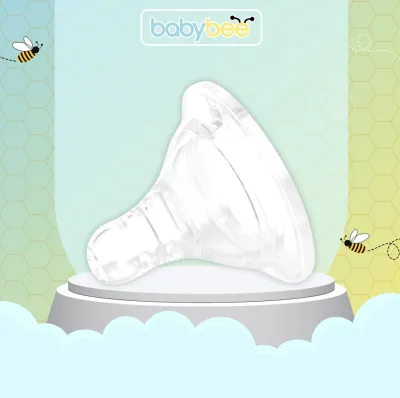
Prices are valid at publication and may change. Please refer to the product page for the latest price.
PPSU is a high-performance, medical-grade plastic known for its distinct golden-amber tint and extreme durability. Glass is the traditional choice, valued for its non-porous structure that resists stains, odors, and scratches. Silicone is a modern, flexible material that offers a soft, skin-like texture, making it highly appealing to infants transitioning from breastfeeding.
The ideal bottle material depends heavily on your baby’s developmental stage, who is administering the feeds, and your primary sterilization setup. While newborns may benefit most from the pure hygiene of glass, older infants who are learning to hold their own bottles often require the lightweight, shatterproof security of PPSU or silicone.
PPSU Bottles: Lightweight, Durable, and Travel-Friendly
PPSU, or polyphenylsulfone, is an advanced thermoplastic widely used in medical devices due to its exceptional strength and heat resistance. It is easily recognizable by its natural honey-colored hue, which is a characteristic of the polymer itself rather than an added dye. This material is incredibly lightweight yet boasts high impact resistance, making it virtually shatterproof when dropped on hard surfaces.

These characteristics make PPSU bottles highly suited for active older infants who are beginning to hold their own bottles, typically around six months of age or older. They are also the practical choice for daycare environments, outdoor travel, and family outings. For parents navigating busy commutes or packing diaper bags for weekend trips in the Philippines, lightweight PPSU bottles eliminate the worry of accidental breakage while keeping the overall carrying weight manageable.
Despite its durability, PPSU is still a polymer and is susceptible to gradual wear over months of continuous use. Daily scrubbing with bottle brushes can eventually create micro-scratches on the interior surface. These tiny imperfections can trap milk residues, fats, or odors if the bottle is not cleaned promptly, eventually causing the material to look cloudy.
To ensure maximum safety, caregivers should always inspect the product packaging or manufacturer’s documentation to verify that the PPSU bottles are certified BPA-free and BPS-free. Additionally, check the exact maximum heat tolerance printed on the label before using high-temperature steam or boiling water sterilization.
Glass Bottles: Hygienic, Non-Porous, and Long-Lasting
Glass remains a popular choice for parents prioritizing material purity and straightforward cleaning. Because glass is completely non-porous, it does not absorb liquids, milk fats, or odors. It is highly resistant to scratching, which prevents bacteria from finding microscopic crevices to cling to, and it maintains its crystal-clear transparency throughout its lifespan.
This material is ideal for newborns and young infants who are fed exclusively by caregivers. Since parents or helpers hold the bottle during these early months, the heavier weight of glass is not a disadvantage. Glass bottles are also well-suited for exclusive home use, where they can be easily cleaned, sterilized, and stored in a controlled environment.
The primary limitations of glass are its weight and fragility. A dropped glass bottle can shatter instantly, creating a safety hazard in the nursery or kitchen. To mitigate this risk, many caregivers use protective silicone sleeves, which improve grip and help absorb minor impacts if the bottle slips.
When using glass bottles, establishing a strict inspection routine is vital. Before every single feed, hold the empty glass bottle up to the light and carefully check for chips, hairline cracks, or internal scratches, especially around the rim and screw threads. If you detect any damage, discard the bottle immediately to prevent glass fragments from contaminating the milk or injuring your baby.
Silicone Bottles: Soft, Squeezable, and Breastfeed-Friendly
Food-grade silicone is a highly flexible, rubber-like material that feels soft and warm to the touch. It is lightweight, shatterproof, and can be squeezed easily, which helps simulate the natural compression and tactile feedback of a mother’s breast during nursing.
Silicone bottles are highly recommended for breastfed babies experiencing bottle refusal or those transitioning between breast and bottle. The soft, skin-like texture of the bottle body can comfort an infant who is accustomed to skin-to-skin contact, making the feeding experience feel more familiar. It also allows babies to naturally squeeze and touch the bottle body while feeding, which can encourage self-soothing behaviors.
However, silicone’s unique texture presents specific maintenance challenges. The material is naturally electrostatic, meaning it easily attracts dust, lint, and pet hair from the surrounding environment. In humid tropical climates, silicone can take significantly longer to air-dry completely compared to glass or PPSU, requiring careful placement in a well-ventilated drying area.
To prevent tearing or degrading the silicone surface over time, caregivers must practice gentle cleaning. Avoid using abrasive wire brushes, harsh scouring pads, or sharp objects inside the bottle. Instead, use a soft sponge or a dedicated silicone bottle brush, and inspect the material regularly for any stickiness, tearing, or thinning around the collar and base.
How to Choose the Right Babybee Material for Your Feeding Routine
Selecting the right material requires evaluating your baby’s age, your primary feeding environment, and who will be handling the bottle. The following matrix summarizes the key distinctions between PPSU, glass, and silicone to help guide your decision:
| Material | Age/Stage Suitability | Primary Environment | Weight | Durability | Key Benefit |
|---|---|---|---|---|---|
| PPSU | 6+ months (Self-feeding) | Travel & Daycare | Ultra-lightweight | Extremely high (Shatterproof) | Durable, easy to travel with |
| Glass | 0-6 months (Caregiver-held) | Home | Heavy | Low (Fragile) | Purest hygiene, no odors |
| Silicone | 0-12 months (Transitioning) | Home & Travel | Lightweight | High (Shatterproof) | Soft texture, mimics breast |
For night feeds at home, glass bottles are often highly convenient because they are simple to clean quickly in the middle of the night, and weight is not an issue when you are sitting comfortably in a nursery chair. For daytime outings, family trips, or visits to relatives, switching to PPSU reduces the weight of your diaper bag and removes the risk of breakage.
If you are introducing a bottle to a breastfed baby for the first time, starting with silicone can ease the transition and reduce bottle rejection. Additionally, consider who will be preparing and administering the feeds. If older siblings, grandparents, or nanny helpers are handling the bottles, lightweight and shatterproof PPSU or silicone options are safer and easier to manage than heavy glass, reducing physical strain and accidental drops.
Sterilization and Care: Matching Methods to Materials
Proper sterilization and maintenance are critical to protecting your baby’s health, particularly in warm, humid climates where bacteria can multiply rapidly. However, different materials react differently to heat and light, requiring specific care routines.
Boiling and Steam Sterilizers
While PPSU, glass, and silicone generally possess high heat tolerance, they react differently to prolonged exposure. Always consult the specific Babybee product manual for exact temperature limits and maximum boiling durations. For instance, boiling glass bottles too rapidly or subjecting them to sudden temperature changes (thermal shock) can cause them to crack, while overheating plastics can accelerate wear.
UV Sterilizers
UV sterilization is highly convenient, but prolonged exposure to UV light can degrade, dry out, or discolor certain plastics and silicone over time, making them brittle. Check the manufacturer’s guidelines to verify if your specific bottle material is rated for frequent UV sterilizer cycles.
Drying and Storage
In the humid climate of the Philippines, moisture can easily become trapped in bottle parts, leading to mold or bacterial growth. After sterilization, place all disassembled components on a clean, elevated drying rack in a well-ventilated area. Ensure everything is completely dry before assembling and storing the bottles in a closed, dust-free container.
Frequently Asked Questions (FAQ)
Can I mix and match Babybee bottle parts across different materials?
While some parts may look similar, mixing components across different material lines is not recommended unless explicitly stated by the manufacturer. Minor differences in thread design or material flexibility can prevent a perfect seal, leading to frustrating leaks or a collapsed nipple during a feed. Always refer to the product instructions to verify cross-compatibility.
How often should I replace PPSU or silicone Babybee bottles?
Unlike glass, which can last indefinitely as long as it remains free of chips and cracks, PPSU and silicone bottles have a finite lifespan. Look for visual and tactile signs of wear, such as persistent cloudiness, deep scratches, a sticky texture, or severe discoloration. If the bottle body loses its structural integrity or retains a strong sour milk smell despite thorough cleaning, it is time to replace it. Always follow the manufacturer’s recommended replacement timeline printed on the packaging to ensure optimal safety and hygiene.

Community discussion
Share your experience or ask a question. Comments are reviewed before publication.