
Choosing the right spoon for baby is a critical step when transitioning your little one to solid foods. The safest materials for baby spoons are high-quality, food-grade silicone and certified food-safe stainless steel, while certain plastics, unverified wood finishes, and brittle materials should be strictly avoided. Because infants have highly sensitive gums and developing motor skills, the physical properties of the utensil are just as important as its chemical composition.
Why Material Safety Matters for Infant Spoons
During the first year of life, a baby’s mouth is their primary tool for sensory exploration. When introducing solid foods, the spoon does not merely deliver nourishment; it also interacts constantly with sensitive gums, emerging primary teeth, and delicate oral tissues. A spoon that is too rigid, sharp, or poorly finished can easily cause painful micro-abrasions, discouraging your baby from accepting solid foods.
Furthermore, infants are highly vulnerable to the ingestion of microscopic particles, chemical residues, and surface coatings. Because babies frequently bite down on utensils to soothe teething discomfort, any material that degrades, chips, or sheds micro-particles can enter their digestive system. This mouthing behavior makes it essential to select materials that remain stable under mechanical pressure and repeated exposure to warm foods.
Products mentioned in this guide
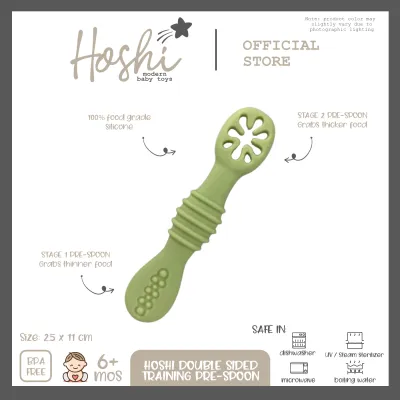
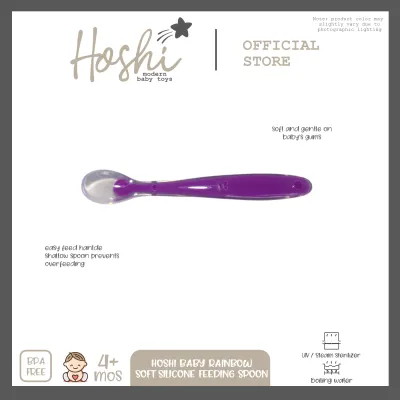
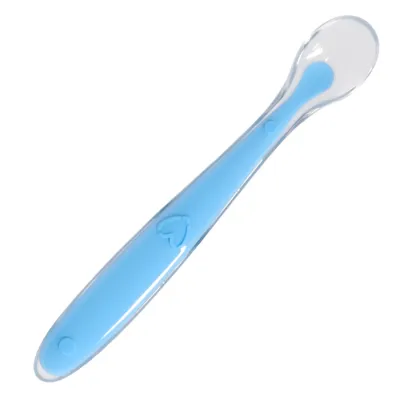
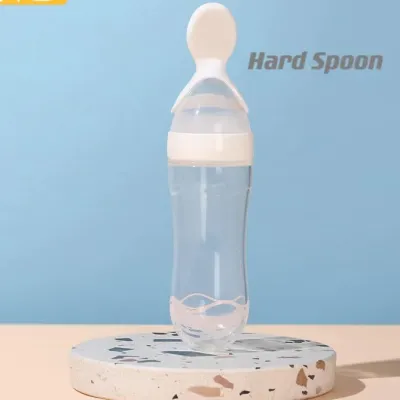
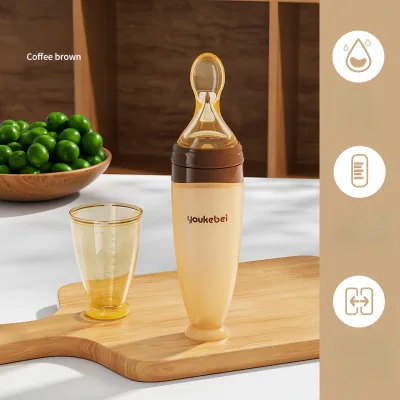
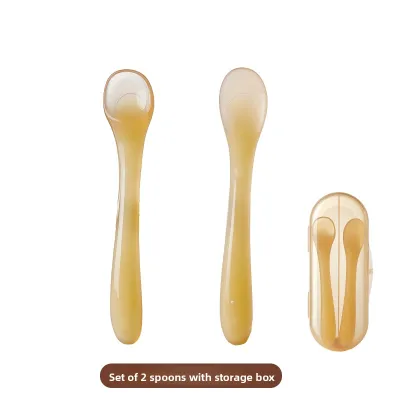
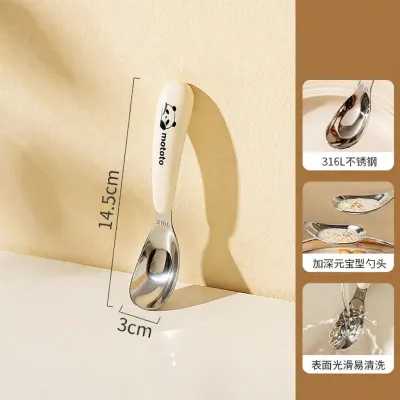
Prices are valid at publication and may change. Please refer to the product page for the latest price.
The developmental stage of your baby also dictates the ideal rigidity and shape of the spoon. A young infant starting with smooth purees requires a highly flexible, shallow spoon bowl that protects their involuntary gag reflex. As they transition to self-feeding and develop a stronger grasp, they need a slightly firmer utensil that can support heavier textures without bending excessively.
Evaluating Common Baby Spoon Materials
When shopping for a spoon for baby, it is easy to get overwhelmed by the variety of materials available on online marketplaces and department store shelves. However, safety is not determined by the material name alone, but rather by verifiable manufacturing standards, clear product labeling, and proper maintenance. Evaluating each material option through a rigorous safety lens helps you make an informed choice for your family’s daily feeding routine.

Food-Grade Silicone
Food-grade silicone is a highly popular choice for infant feeding due to its soft, rubbery texture that is gentle on tender gums. When selecting a silicone spoon, look for packaging that explicitly states the material is “100% food-grade” or “medical-grade” silicone. Avoid products that rely on vague marketing terms without specifying the grade, as lower-quality silicone may contain fillers that compromise its safety and durability.
Before using a new silicone spoon, perform a simple physical inspection. Check for a uniform texture across the entire surface, ensuring there are no rough seams, bubbles, or structural weaknesses where the spoon bowl meets the handle. Additionally, take note of any strong chemical odors out of the box; high-quality, properly cured food-grade silicone should be virtually odorless.
Sterilization is another key consideration for silicone utensils, especially in warm, humid climates where bacteria can multiply rapidly. Always consult the manufacturer’s instructions to confirm the specific temperature limits for boiling, steam sterilization, or UV sanitizing. While pure silicone can generally withstand high temperatures, some spoons feature internal plastic or metal stiffeners that may warp or degrade if exposed to excessive heat.
Stainless Steel
Stainless steel is an excellent, highly durable option for older infants who are transitioning to self-feeding. When evaluating metal spoons, look for specific food-safe steel grades, such as 18/10 or 304 stainless steel, clearly marked on the product description or packaging. These grades indicate a high resistance to corrosion and rust, ensuring the utensil remains safe through hundreds of wash cycles.
The physical design of a stainless steel spoon is critical to preventing oral injuries. Ensure the spoon bowl has smooth, rolled edges rather than sharp, stamped borders that could scrape your baby’s lips or tongue. The handle should also be designed with ergonomics in mind, featuring a comfortable, non-slip grip made of textured silicone or contoured plastic to help small hands maintain control.
Because metal is naturally rigid and conducts heat quickly, it is generally better suited for older infants who have developed better motor control and biting awareness. Younger babies who still bite down reflexively may find metal too hard on their gums. Always test the temperature of the food on the metal spoon before offering it to your baby, as stainless steel can rapidly absorb heat from warm purees.
Bamboo and Wood
Bamboo and wooden spoons offer a lightweight, natural alternative for parents seeking to minimize synthetic materials in the kitchen. When choosing these natural options, verify that the manufacturer uses food-safe, non-toxic finishes, oils, or sealants. Unfinished wood can dry out and splinter, while unverified varnishes may contain harmful chemicals that can leach into warm food during feeding.
Because natural wood and bamboo are organic materials, they require diligent inspection before every single use. Run your fingers along the spoon bowl and handle to check for tiny splinters, cracks, or rough patches that could injure your baby’s mouth. If you detect any structural compromise or roughness, discontinue use immediately to prevent physical injury.
Maintaining wooden utensils requires specific care, particularly in tropical environments where high humidity can encourage microbial growth. Wood is naturally porous, meaning it can absorb moisture, food juices, and soap if left soaking in water. To prevent bacterial or mold growth, wash wooden spoons promptly by hand, avoid the dishwasher entirely, and allow them to dry completely in a well-ventilated area.
Plastics and BPA-Free Claims
Plastic spoons are widely available and often highly affordable, but they require the most scrutiny regarding chemical safety. When purchasing plastic utensils, look for explicit certifications on the packaging indicating the product is “BPA-free,” “PVC-free,” and “phthalate-free.” These labels help ensure that common endocrine-disrupting chemicals are not present in the plastic formulation.
Inspect the physical quality of the plastic before introducing the spoon to your baby’s feeding routine. Avoid plastic spoons that feel overly rigid, brittle, or lightweight, as these are more prone to cracking or chipping under pressure. Furthermore, reject any plastic utensils that emit a strong, synthetic chemical odor, which can indicate the presence of volatile organic compounds or low-grade manufacturing processes.
Plastic is highly sensitive to heat degradation, which can cause the material to leach chemicals or warp over time. Always check the manufacturer’s guidelines regarding dishwasher safety, microwave use, and sterilization limits. Even if a plastic spoon is labeled dishwasher-safe, washing it on the top rack away from the heating element is a prudent step to prolong its lifespan and maintain its structural integrity.
Materials and Design Features to Avoid
To protect your baby from physical and chemical hazards, it is essential to recognize and reject poorly designed or unverified utensils. Avoid cheap, unbranded plastic spoons that lack clear material compositions, safety certifications, or manufacturer contact details. Purchasing feeding gear from reputable brands with transparent manufacturing processes reduces the risk of exposing your baby to hidden chemical contaminants.
Brittle materials should never be used for infant feeding utensils. This includes standard household ceramics, glass, and hard acrylics, which can easily shatter, chip, or crack if dropped onto hard kitchen tiles or bitten by a teething baby. Even a microscopic chip from a glass or ceramic spoon can cause severe internal injuries if swallowed, making these materials entirely unsuitable for babies.
Carefully examine the physical construction of the spoon for potential choking hazards. Avoid spoons with detachable small parts, loose decorative elements, or glued-on accessories that could break off during a feeding session. Seamless, single-piece designs are generally much safer because they eliminate crevices where food can hide and prevent components from separating in your baby’s mouth.
Finally, steer clear of painted or coated metal and wooden spoons unless the finish is explicitly certified as food-safe, non-toxic, and highly resistant to peeling. Over time, saliva, warm food, and repeated washing can cause painted designs to flake off, leading to accidental ingestion of paint chips. Opting for solid, unpainted materials is a simple and effective way to eliminate this risk entirely.
How to Verify and Maintain Spoon Safety
Maintaining the safety of your baby’s feeding utensils requires a consistent routine of inspection, cleaning, and proper storage. Always read the product labels and manufacturer instructions carefully to understand the specific sterilization limits of each material. Guessing the heat tolerance of a spoon can lead to accidental melting, warping, or chemical degradation, rendering the utensil unsafe for future use.
Perform a routine physical check of every spoon after washing and before feeding. Look for subtle signs of wear, such as warping, melting, discoloration, or surface degradation that may not be immediately obvious. In the Philippines, where tap water and cleaning agents can vary, checking for mineral buildup or soapy residues on the spoon surface is also an important step in maintaining hygiene.
To preserve the integrity of different materials, separate them during the cleaning process. For example, keep wooden and bamboo spoons out of the dishwasher and away from prolonged soaking in soapy water, as this can cause the wood to swell and split. Silicone and stainless steel spoons can typically handle more robust cleaning methods, but they should still be kept away from sharp knives or abrasive scrubbers that can scratch their surfaces.
Proper storage is crucial for preventing the growth of bacteria and mold, especially in warm, humid climates. After washing, dry all spoons thoroughly with a clean towel or allow them to air-dry completely on a clean rack. Store the utensils in a dry, well-ventilated cupboard or drawer, keeping them away from damp areas near the sink to ensure they remain sanitary until the next mealtime.
When to Stop Using and Replace a Baby Spoon
Even the highest-quality baby spoons have a limited lifespan and must be replaced when they show signs of wear. Inspect utensils regularly for visible damage, such as deep scratches, cracks, or peeling coatings. These physical imperfections can harbor harmful bacteria that are difficult to clean out, and they can also weaken the structure of the spoon, leading to breakage during use.
Changes in the texture of the material are clear indicators that a spoon has reached the end of its safe lifespan. For instance, silicone spoons can become sticky, tacky, or gummy over time due to exposure to oils, heat, or UV sterilization. Similarly, wooden spoons may develop a fuzzy, rough, or moldy surface that cannot be restored by washing. If you notice any of these textural changes, discard the spoon immediately.
Persistent odors or deep stains that remain after thorough washing are also signs of material breakdown. If a plastic or silicone spoon retains a strong food odor or a soapy taste, it indicates that the material has become porous or degraded, allowing substances to penetrate the surface. Replacing the spoon ensures that your baby’s food remains uncontaminated and pleasant to eat.
Lastly, any structural damage requires immediate replacement of the utensil. This includes bent metal handles, loose silicone grips, or a spoon bowl that has begun to separate from its core. A structurally compromised spoon can make feeding difficult and increases the risk of choking or oral injury, so it is always safest to transition to a new, intact spoon.
Frequently Asked Questions (FAQ)
Can I use a regular adult metal teaspoon for my baby?
Using a regular adult metal teaspoon is not recommended for infants, especially during the early stages of weaning. Adult spoons typically have larger, deeper bowls that can hold too much food, increasing the risk of gagging or choking. They also tend to have sharper, unpolished edges and long, heavy handles that are difficult for a baby to manage, making gum injuries much more likely compared to smaller, rounded spoons designed specifically for infants.
Are all silicone spoons safe for boiling and sterilization?
Not all silicone spoons are safe for boiling or high-heat sterilization, so it is essential to check the manufacturer’s specific guidelines. While pure, high-quality silicone can withstand high temperatures, many baby spoons feature internal cores made of nylon, plastic, or metal to provide structural rigidity. These mixed-material handles often have lower heat tolerances than the silicone bowl, and exposing them to boiling water or steam sterilizers can cause warping, melting, or separation of the materials.

Community discussion
Share your experience or ask a question. Comments are reviewed before publication.