
For newborns and infants, a baby sleeping pillow is not safe. Pediatric health guidelines globally emphasize that a baby’s sleep surface must remain completely bare to prevent serious sleep-related hazards, including suffocation, entrapment, and Sudden Infant Death Syndrome (SIDS). Introducing any pillow, cushion, or soft bedding into a crib before a child is developmentally ready poses severe risks to their breathing and physical safety.
Parents often feel tempted to buy a baby sleeping pillow to make their infant’s bed look cozy or to address concerns like flat head syndrome. However, during the first year of life, a firm, flat mattress covered only by a tight, fitted sheet is the only safe sleeping environment. Introducing a pillow too early can block a baby’s airway if they roll over or if the pillow shifts during sleep.
As your child grows and transitions into a toddler bed, their physical development will eventually make it safe to introduce a small, firm pillow. Making this transition requires understanding the specific developmental milestones to look for and knowing how to evaluate a pillow’s physical properties. By focusing on structural firmness, material breathability, and hazard-free construction, you can ensure your child’s sleep environment remains both comfortable and secure.
Products mentioned in this guide
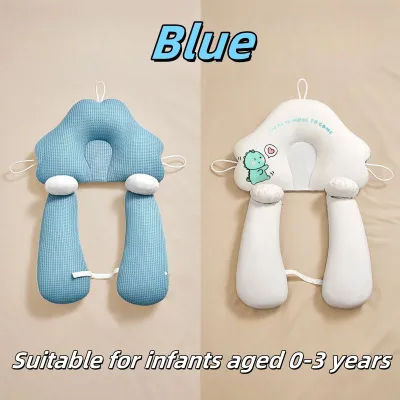
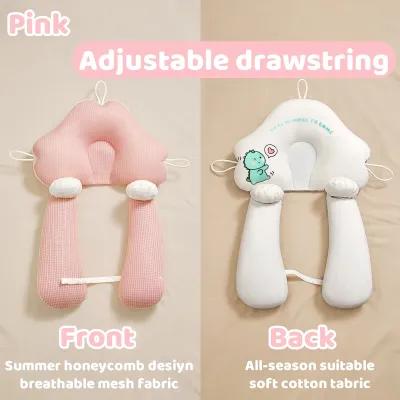
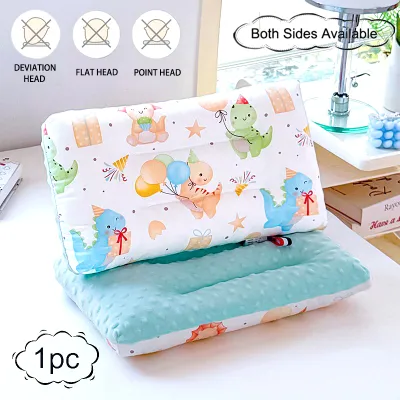
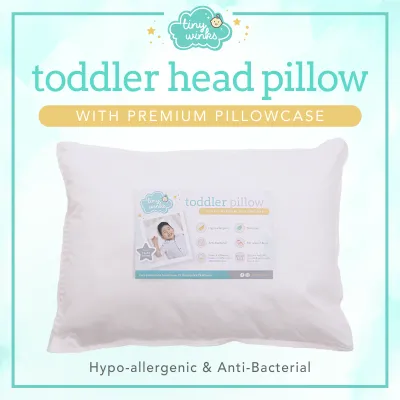
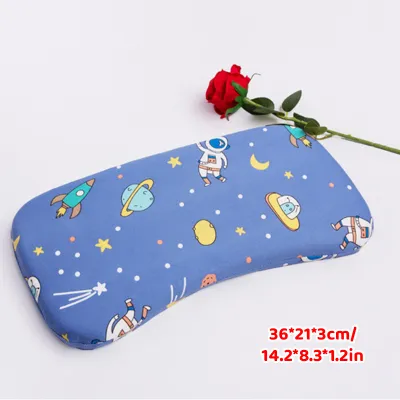
Prices are valid at publication and may change. Please refer to the product page for the latest price.
Understanding Safety Risks of Baby Sleeping Pillows
The primary hazard associated with using a baby sleeping pillow for an infant is the immediate risk of suffocation. Infants lack the motor skills and neck strength to lift or turn their heads if their nose and mouth become covered by a soft object. If a baby rolls over onto a soft pillow, the fabric and filling can conform to their face, creating a seal that blocks oxygen and traps exhaled carbon dioxide.
Entrapment is another critical risk that occurs when a pillow is placed in a crib. A baby can easily wedge their head between the pillow and the crib slats, mattress, or bumper pads. This positioning can compress their soft airway, leading to positional asphyxia, a silent and rapid hazard that can occur without any sound or obvious struggle from the infant.
In tropical climates like the Philippines, where high humidity and warm temperatures are common year-round, overheating is a significant concern. Many synthetic pillows and thick, non-breathable covers trap body heat and sweat, raising the baby’s core body temperature. Overheating is a well-documented risk factor linked to SIDS, as it can cause a baby to fall into an abnormally deep sleep from which they cannot easily wake.
Pediatric safety organizations worldwide maintain a strict stance against the use of loose bedding, including pillows, quilts, and stuffed toys, in an infant’s sleep area. These items are consistently identified as major contributors to accidental sleep deaths. Keeping the sleep space completely bare is the most effective way to eliminate these preventable hazards during your baby’s most vulnerable months.
When Is It Safe to Introduce a Sleep Pillow?
Determining when to introduce a pillow should be based on your child’s physical development rather than a calendar date alone. Most pediatric guidelines suggest waiting until a child is at least two years old, which often coincides with their transition from a crib to a toddler bed. At this stage, their shoulder width is wider than their head, meaning a low-profile pillow can help keep their spine aligned when sleeping on their side.

Before introducing a pillow, you must observe specific physical milestones that indicate your child can use one safely. Your toddler should be able to roll over easily in both directions, push themselves up, and move away from objects in their bed without assistance. They must also possess strong head and neck control, allowing them to instinctively adjust their position if their breathing is ever obstructed.
Even if your child has reached these milestones, it is highly recommended to consult your pediatrician before adding a pillow to their bed. A pediatrician can evaluate your child’s unique growth, muscle tone, and sleep habits to confirm they are ready. They can also provide personalized advice if your child has specific health conditions, such as respiratory issues or allergies, which might influence the type of bedding materials you should choose.
Essential Safety Features to Check Before Buying
When your toddler is ready for their first pillow, you must look past marketing claims and carefully evaluate the product’s physical construction. Many products are labeled as “orthopedic,” “pediatric,” or “completely safe,” but these terms are often unregulated marketing buzzwords. Instead, you should rely on a hands-on inspection, verify the manufacturer’s specifications, and read the product labels to ensure the pillow meets strict safety standards.
Firmness and Structural Support
An acceptable toddler pillow must be significantly firmer than a standard adult pillow. Overly soft pillows pose a continuous hazard because they can easily conform to a child’s face if they turn over during the night. A firm pillow supports the natural curve of the child’s developing neck and spine without allowing their head to sink deeply into the material.
You can perform a simple physical test to check a pillow’s firmness before allowing your child to use it. Press down firmly on the center of the pillow with your hand and then release it. A safe pillow should resist deep compression and quickly rebound to its original shape within a second or two; if it leaves a lasting indentation or feels squishy, it is too soft for a young child.
Always check the manufacturer’s packaging and product labels for the recommended age and weight ranges. Ensure the pillow is explicitly designed for toddlers rather than older children or adults. Verifying these specifications helps guarantee that the internal structural support is calibrated for a toddler’s smaller frame and lighter body weight.
Breathability and Temperature Regulation
Given the warm and humid climate in the Philippines, selecting a highly breathable pillow is essential for both safety and comfort. Look for cover fabrics made from natural, long-staple fibers such as organic cotton or bamboo-derived rayon, which allow air to circulate freely. The fill material should also promote ventilation, with options like natural latex or lightweight, hypoallergenic polyester fibers being preferable to dense synthetics.
When shopping, examine the product labels for specific material compositions and care instructions. Avoid pillows that rely on heavy chemical coatings for temperature regulation, as these can wash out over time or cause skin irritation. Instead, prioritize materials that are naturally moisture-wicking and machine-washable, allowing you to keep the pillow clean and free from sweat buildup, mold, and dust mites.
Dense materials that trap heat, such as standard solid memory foam, should generally be avoided for young children. These materials can create a warm microclimate around your child’s head, leading to excessive sweating, restless sleep, and an increased risk of heat-related discomfort. Ensuring continuous airflow through the pillow helps maintain a stable, comfortable body temperature throughout the night.
Size, Fit, and Hazard-Free Design
A safe toddler pillow must have compact dimensions, typically measuring around 30 by 45 centimeters, with a low loft or thickness of no more than 5 to 7 centimeters. Standard adult pillows are far too large and thick, which can strain a toddler’s neck and spine. Additionally, a bulky pillow can easily be used by an active toddler as a step stool to climb over the bed rails, presenting a serious fall hazard.
Carefully inspect the physical construction of the pillow and its cover for any potential choking or injury hazards. Look for secure, recessed zippers that are hidden beneath a fabric flap, or choose envelope-style covers that eliminate zippers entirely. There must be an absolute absence of small decorative parts, such as buttons, ribbons, tassels, or loose threads, which a child could pull off and swallow.
Finally, verify how the pillow fits within your child’s specific toddler bed or cot. The pillow should sit flat against the mattress without creating dangerous gaps or wedges against the bed rails or headboard. If the pillow is too wide or slides around easily, it can create entrapment zones where a child’s head or limbs could become stuck during sleep.
Setting Up a Safe Sleep Environment With a Pillow
Integrating a pillow into your toddler’s bed requires careful arrangement to maintain a safe sleeping environment. Position the pillow flat at the head of the bed, ensuring it does not overlap with any safety rails or create tight gaps against the wall. The pillow should only support the head and neck, leaving the shoulders resting flat on the mattress to maintain proper spinal alignment.
Keep the rest of the sleep zone clean and uncluttered, even after introducing a pillow. Avoid the temptation to fill the bed with heavy blankets, large stuffed animals, or decorative cushions, as these items compound the risk of suffocation and entrapment. A single, firm pillow and a lightweight, breathable blanket or sleep sack are all that is needed to keep your toddler comfortable.
Regularly monitor your child’s sleep habits and physical position during the first few weeks of using a pillow. If you notice that your toddler consistently pushes the pillow away, sleeps with their head underneath it, or uses it to climb, remove the pillow from the bed immediately. You can reintroduce it at a later date when their sleep patterns have stabilized and they show a genuine preference for using a pillow correctly.
Frequently Asked Questions (FAQ)
Can I Use a Regular Adult Pillow for My Toddler?
No, you should never use a standard adult pillow for a toddler. Adult pillows are designed for much larger skeletal frames and are far too thick, which can force a toddler’s neck into an unnatural, forward-bending angle that strains their developing spine and can restrict their airway. Furthermore, the large surface area and bulk of an adult pillow make it easy for a toddler to use as a climbing aid to escape their bed, increasing the risk of dangerous falls.
Are Memory Foam Pillows Safe for Young Children?
Standard memory foam pillows are generally not recommended for young children due to safety and physical development concerns. The slow-rebound nature of traditional memory foam allows it to contour deeply around a child’s head, which can restrict airflow if they roll onto their stomach or side. If you are considering a foam pillow, check the product label to ensure it is made from open-cell, highly breathable foam specifically certified for low chemical emissions and designed with a low profile suitable for toddlers.

Community discussion
Share your experience or ask a question. Comments are reviewed before publication.