
Pillow cases and pillows are not safe for infants under one year of age. During the first twelve months of life, a baby’s sleep environment must remain completely free of pillows, pillow cases, blankets, bumpers, and other soft bedding. Introducing these items too early poses severe safety risks, including suffocation and airway obstruction. A firm, flat, and completely clear mattress is the safest place for your infant to sleep, ensuring their breathing remains unobstructed throughout the night.
Only when your baby transitions into toddlerhood—typically after their first birthday, and often closer to two years of age—can you safely consider introducing a small, firm toddler pillow and a fitted pillow case cover for baby. In warm, humid climates like the Philippines, keeping the crib clear also helps maintain optimal airflow, preventing your baby from overheating during warm nights.
Why Pillows Are Restricted in Infant Sleep Environments
The primary reason for keeping pillows and loose covers out of an infant’s crib is the risk of accidental suffocation. Infants lack the motor skills and head control necessary to move their faces away if a soft object blocks their nose or mouth. If a baby rolls over onto a soft pillow or if a loose pillow case cover for baby bunches up near their face, it can restrict their oxygen supply within seconds. A firm, flat mattress covered only by a tight, fitted sheet is the standard recommendation for preventing these dangerous situations.
Products mentioned in this guide
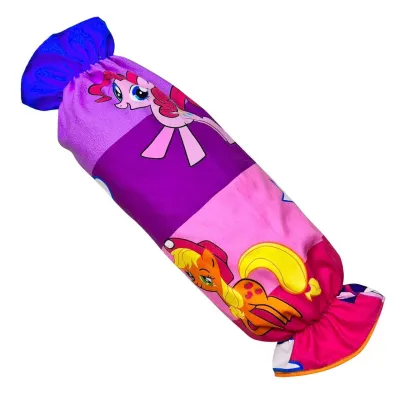
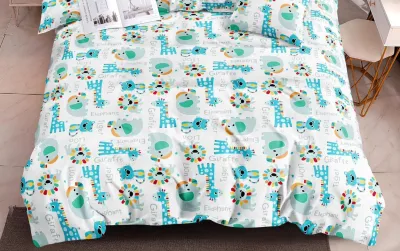
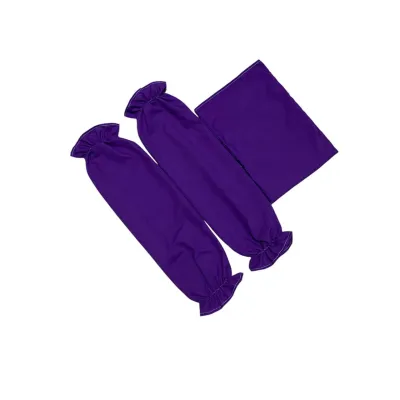
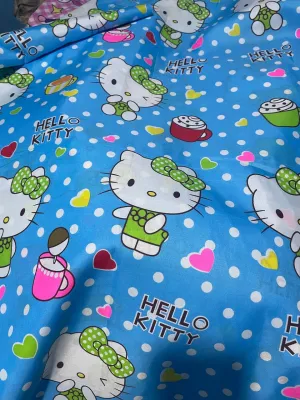
Prices are valid at publication and may change. Please refer to the product page for the latest price.
Furthermore, an infant’s physical anatomy requires a flat surface for proper development. A baby’s neck is relatively short, and their head is large in proportion to their body. Elevating their head with a pillow can force their chin downward toward their chest, which can easily compress their narrow airway and restrict breathing. Keeping the sleep surface flat ensures that their spine remains aligned and their airway stays naturally open during sleep.
While many parents worry about their baby’s comfort on a firm mattress, infants do not have the same sleep preferences as adults. Their bodies are perfectly adapted to sleeping on flat, firm surfaces. Introducing soft bedding out of a desire to make the crib look cozy can inadvertently introduce unnecessary hazards.
Before making any changes to your baby’s sleep environment, it is always wise to consult your pediatrician. A healthcare professional can assess your baby’s physical development, neck strength, and overall growth milestones to help you determine when it is safe to transition to toddler bedding.
Developmental Signs Your Toddler May Be Ready for a Pillow
As your child grows from an infant into a toddler, their physical proportions begin to change. One of the most noticeable physical milestones is the broadening of their shoulders. When a toddler with wider shoulders lies on their side, a significant gap forms between their head and the mattress. This physical shift can cause their head to tilt uncomfortably, indicating that they might benefit from a very low-profile pillow to keep their neck aligned.

You can also observe your child’s behavior during supervised play or quiet time. If you notice your toddler naturally resting their head on a folded blanket, a small stuffed animal, or even their own arm while relaxing, they are demonstrating a desire for head elevation. These self-soothing behaviors are strong indicators that their body is ready for a transitional sleep accessory.
Behavioral cues during sleep can also signal readiness. If your child is transitioning from a crib to a toddler bed, this milestone often serves as a practical time to introduce a pillow. Additionally, if your toddler is sleeping restlessly, tossing and turning to find a comfortable position, or attempting to bunch up their bedsheets under their head, a small toddler pillow might help them settle more comfortably.
Despite these signs, you should always confirm readiness with your pediatrician or healthcare provider before introducing any new sleep accessories. A quick discussion during a routine check-up ensures that your child has reached the necessary developmental milestones to use a pillow safely.
Selecting a Safe Pillow and Pillow Case Cover for Your Baby
When your pediatrician confirms that your toddler is ready for a pillow, selecting the right product is crucial. A safe toddler pillow is vastly different from a standard adult pillow. It must be small, typically measuring around 13 by 18 inches, and very low-profile to prevent unnatural neck bending. The pillow must also be firm; if you press your hand into the center and it leaves a deep, lasting impression, the pillow is too soft and poses a sinking hazard.
The choice of a pillow case cover for baby or toddler pillows requires careful evaluation. The cover must fit the pillow perfectly with no excess, loose fabric that could bunch up near your child’s face. Look for secure closure designs, such as envelope-style closures or deeply recessed, hidden zippers. Avoid covers with buttons, ties, zippers with long metal pulls, or decorative tassels, as these can easily detach and become choking hazards or cause skin irritation.
In tropical climates like the Philippines, managing heat and humidity is a major factor in bedding selection. Toddlers sweat easily, especially around their heads and necks during sleep. Choosing a pillow case cover for baby made from highly breathable, natural fibers like 100% cotton or bamboo-derived fabrics is essential. These materials allow air to circulate freely, helping to regulate your child’s body temperature and prevent heat rashes or sweaty, uncomfortable sleep.
Always check the manufacturer’s labels for explicit age recommendations, safety warnings, and care instructions. Because toddler bedding is prone to spills, drool, and sweat, select materials that are fully machine-washable and durable enough to withstand frequent washing at high temperatures. Investing around ₱500 to ₱1,500 in a high-quality, certified-safe toddler pillow and cover set can provide peace of mind and long-lasting comfort.
Safely Introducing the Pillow to Your Toddler's Routine
Introducing a pillow to your toddler’s bed should be a gradual, supervised process. Start by placing the pillow in their sleep space during supervised daytime naps. This allows you to monitor how your child interacts with the new object. Watch their sleep positioning closely: ensure they do not place the pillow over their face, use it to prop themselves up at an unsafe angle, or slide completely off it onto their stomach.
During these supervised periods, check that the pillow and its cover remain flat and secure. The pillow case cover for baby should not slip off or bunch up as your child moves. If you notice the cover sliding or creating loose folds of fabric, remove it immediately and replace it with a tighter, more secure option.
It is equally important to establish clear conditions for removing the pillow. If your toddler shows signs of discomfort, wakes up more frequently, or tosses the pillow out of the bed, they may not be ready for it yet. If you observe them sleeping in unsafe positions—such as with their face buried in the side of the pillow—remove it from the bed immediately. You can always store the pillow safely away and try introducing it again in a few weeks or months when their sleep habits have matured.
Frequently Asked Questions (FAQ)
Can I use a regular adult pillow case cover for my toddler?
No, you should never use an adult-sized pillow case cover for a toddler pillow. Adult covers are much too large, leaving a significant amount of loose, excess fabric. This loose material can easily fold over, bunch up, or wrap around your child’s head during sleep, creating a serious suffocation and entanglement hazard. Always use a specifically sized, tightly fitted pillow case cover designed for toddler pillows to ensure a safe sleep environment.
What fabric is best for a toddler's pillow case cover?
The best fabrics for a toddler’s pillow case cover are natural, highly breathable fibers such as 100% cotton, organic cotton, or bamboo. These materials are gentle on sensitive skin, highly absorbent, and allow heat to dissipate quickly, which is especially important in warm, humid tropical climates. Avoid heavy synthetic fabrics like polyester, which tend to trap heat and moisture, leading to sweating and skin irritation. Always verify that the fabric is machine-washable for easy, frequent cleaning.
Should I use a pillow for my baby in a car seat or stroller?
No, you should not use a pillow or any aftermarket head support in a baby’s car seat or stroller unless it was specifically manufactured and safety-tested with that exact product. Adding unapproved pillows or inserts can interfere with the proper fit of the safety harness and compromise your baby’s safety during travel or in the event of a sudden stop. Always follow the car seat or stroller manufacturer’s guidelines strictly to ensure your baby remains secure.

Community discussion
Share your experience or ask a question. Comments are reviewed before publication.