
Caring for a baby’s skin in a tropical climate presents unique challenges, especially when insect bites enter the picture. In the Philippines, warm temperatures and high humidity create an ideal environment for mosquitoes, ants, and other biting insects. When these pests target a baby, the resulting bites can cause significant discomfort, leading to sleepless nights and fussy days for both the infant and the caregivers. Finding the right baby skincare products to soothe these bites requires a careful, informed approach that prioritizes safety, gentle ingredients, and appropriate product formats.
Many caregivers instinctively search for quick-fix solutions, but a baby’s skin barrier is structurally different from an adult’s. It is thinner, loses moisture more rapidly, and is highly sensitive to external irritants. Consequently, standard adult anti-itch creams or heavily fragranced lotions can do more harm than good, potentially causing chemical burns, allergic contact dermatitis, or systemic absorption of unwanted chemicals. To effectively soothe insect bites, caregivers must focus on products that support the skin’s natural healing process, reduce dryness, and provide a cooling, comforting sensation without introducing harsh additives.
This guide provides a comprehensive framework for evaluating baby washes, oils, and lotions that can help manage the discomfort of insect bites. By understanding how a baby’s skin reacts, identifying safe and soothing ingredients, and learning how to build a reliable shortlist of products, you can confidently navigate the options available in local pharmacies and online marketplaces. With the right knowledge, you can keep your baby’s skin calm, hydrated, and protected throughout the year.
Products mentioned in this guide
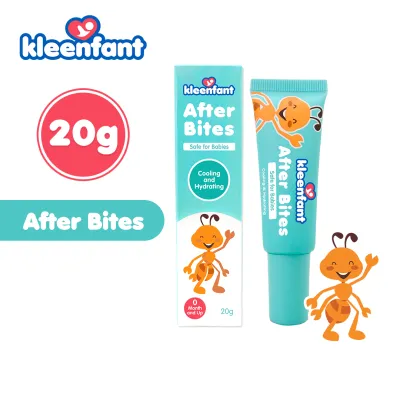
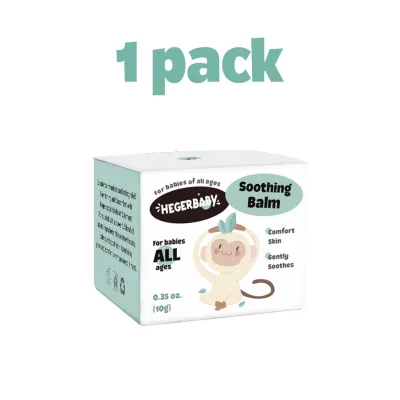
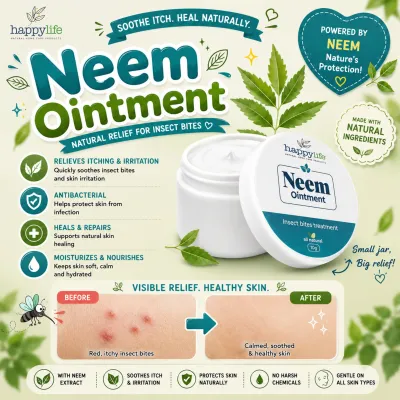
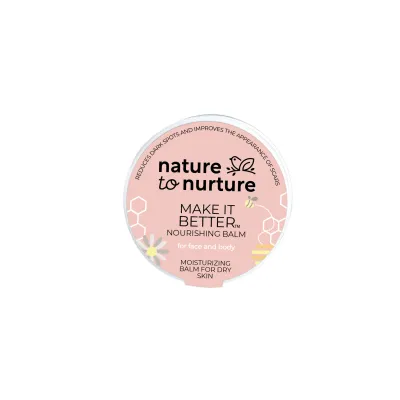
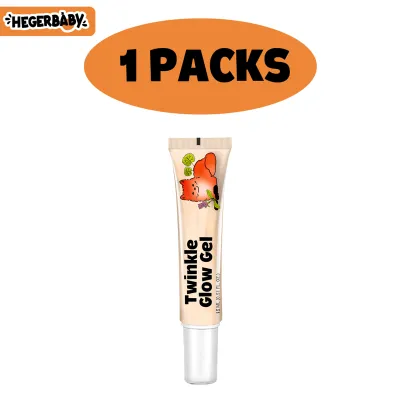
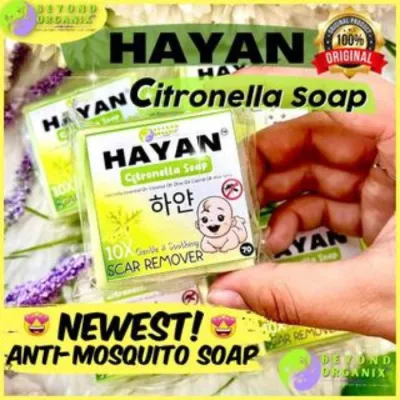
Prices are valid at publication and may change. Please refer to the product page for the latest price.
Understanding Baby Skin Reactions to Insect Bites
When an insect bites a baby, it injects saliva containing proteins that trigger a localized immune response. In infants, this response is often much more pronounced than in older children or adults. A typical mosquito or ant bite on a baby usually manifests as a raised, red bump that may feel warm and firm to the touch. Because their immune systems are still learning to handle these foreign proteins, a single bite can sometimes swell significantly, causing understandable alarm for parents.
Recognizing the behavioral signs of discomfort is crucial, especially for pre-verbal infants who cannot explain what is wrong. A baby dealing with an itchy insect bite may become unusually irritable, cry during diaper changes or clothing adjustments, or struggle to fall asleep. You might observe them rubbing the affected limb against their crib mattress, blankets, or your clothing in an attempt to find relief. Persistent scratching is a primary concern, as sharp baby fingernails can easily break the delicate skin surface, creating an entry point for environmental bacteria.
While most localized swelling and redness are normal parts of the inflammatory response, caregivers must remain vigilant for signs of secondary infection or severe allergic reactions. If you notice the redness spreading significantly beyond the original bite site over 24 to 48 hours, or if the area becomes increasingly hot, swollen, and tender, these are warning signs. The presence of pus, yellowish crusting, or weeping fluid also strongly suggests a bacterial infection, such as impetigo or cellulitis, which requires professional medical intervention.
Immediate cessation of home care and a prompt consultation with a pediatrician are necessary if your baby exhibits systemic symptoms. These include a fever, lethargy, swelling of the lips, tongue, or throat, difficulty breathing, or a widespread rash or hives across the body. Never attempt to treat these severe symptoms with cosmetic skincare products or over-the-counter home remedies. A pediatrician can properly diagnose the reaction and prescribe safe, targeted medical treatments, such as infant-safe oral antihistamines or topical prescription creams, to ensure your baby’s safety and comfort.
Key Ingredients to Look for in Baby Skincare
When selecting skincare products to soothe a baby’s insect bites, reading the ingredient label is the most critical step. Caregivers should look for gentle, nourishing ingredients that actively calm irritation while reinforcing the skin’s natural moisture barrier. Colloidal oatmeal is one of the most widely recommended ingredients for this purpose, as it contains compounds that help reduce itching and form a temporary protective barrier over dry, compromised skin. Aloe vera extract is another excellent option, offering a natural cooling sensation that can distract a baby from the urge to scratch.

In addition to soothing botanical extracts, look for ingredients that support barrier repair and hydration. Ceramides are lipids naturally found in the skin that help lock in moisture and protect against external irritants; applying a ceramide-infused lotion can help rebuild the skin barrier where the bite occurred. Glycerin and panthenol (Provitamin B5) are humectants that draw moisture into the skin, keeping the area hydrated and preventing the dry, flaky texture that often accompanies healing bites. These ingredients work together to support the skin’s natural recovery process without causing further irritation.
Conversely, there are several common ingredients that caregivers must actively avoid when dealing with irritated or broken baby skin. Synthetic fragrances and artificial colorants are primary triggers for contact dermatitis and should be entirely absent from your chosen products. While essential oils like tea tree, eucalyptus, or lavender are often marketed as natural remedies, they can be highly sensitizing to infant skin and may cause burning or allergic reactions when applied to open scratches. Avoid products containing alcohol, which can dry out the skin and cause stinging, as well as harsh preservatives like parabens or formaldehyde-releasers.
Always verify the manufacturer’s age recommendations and specific allergy warnings on the product packaging before application. Some soothing creams or balms, even those labeled ‘natural,’ may only be suitable for babies over three months, six months, or one year of age due to the concentration of certain botanical extracts. Additionally, check for certifications or labels indicating the product has been dermatologically tested, is hypoallergenic, and is formulated specifically for sensitive infant skin. Taking the time to verify these details on the label helps ensure you are not introducing new irritants to your baby’s vulnerable skin.
Evaluating Product Types: Washes, Oils, and Lotions
Understanding how different product formats function in a post-bite care routine allows caregivers to select the right combination for their baby’s specific needs. Baby washes play a vital role in the initial management of insect bites by ensuring the affected area is clean and free from bacteria. When an insect bites, it leaves behind saliva, and subsequent scratching can introduce dirt and bacteria from the baby’s hands. Using a mild, soap-free, and fragrance-free baby wash during bath time helps cleanse the skin gently without stripping away its natural protective oils or exacerbating the localized inflammation.
Skincare oils, such as pure sunflower seed oil or mineral-based baby oils, are highly effective at locking in moisture and creating a smooth, protective barrier over dry skin. However, caregivers must understand their limitations: oils should never be applied directly to open, weeping, or freshly scratched insect bites. Applying oil to broken skin can trap heat, sweat, and bacteria underneath, which can worsen inflammation and increase the risk of a localized infection. Instead, use skincare oils on intact, dry areas of the body to maintain overall skin hydration, or wait until the bite has completely closed and started to heal before applying.
Lotions and creams are generally the most versatile and effective format for delivering targeted, soothing hydration directly to active insect bites. Because they are formulated with a balance of water and oil, they absorb relatively quickly into the skin, providing immediate cooling relief without leaving a heavy, greasy residue. This rapid absorption is a significant practical benefit for active babies, as it reduces the likelihood of the product being rubbed off onto clothing, bedding, or toys. When choosing a lotion, look for lightweight formulas that specify they are non-comedogenic, meaning they will not clog pores in the humid Philippine climate.
By combining these product types logically, you can create a safe and effective daily routine. Start with a gentle bath using a soap-free wash to cleanse the skin, follow with a targeted application of a soothing, fragrance-free lotion directly on the intact bite sites, and use a light layer of baby oil on unaffected areas if your baby’s skin is prone to general dryness. This multi-step approach ensures that the skin remains clean, hydrated, and protected, minimizing the discomfort associated with the healing process.
How to Build a Safe Shortlist for Your Baby
Navigating the vast array of baby skincare products available in the Philippines can be overwhelming, but establishing a systematic filtering process can help you build a safe shortlist. When browsing e-commerce platforms, always prioritize official brand stores, often designated as ‘Mall’ sellers, or verified authorized distributors. This step is crucial for avoiding counterfeit products, which may contain unauthorized ingredients, incorrect formulations, or contaminants that could severely irritate your baby’s skin. Read through verified customer reviews, paying close attention to feedback regarding skin reactions, product texture, and how well the formula performs in warm, humid weather.
A reliable label reading checklist is your best defense against misleading marketing claims. When evaluating a potential product, verify that the packaging explicitly states it is formulated for infants or sensitive baby skin, rather than just ‘family use.’ Check for a clearly printed expiration date and manufacturing batch code, ensuring the product has a long shelf life ahead. Additionally, look for local regulatory notifications or registration marks from the appropriate health authorities, which confirm that the product has met the necessary safety and quality standards for distribution in the Philippines.
Before making a final purchase, cross-reference the product’s claims and ingredient lists with the manufacturer’s official global or local website. E-commerce listings can sometimes contain outdated information, typos, or incorrect ingredient lists. Verifying the details against the official manufacturer source ensures that you are getting the exact formulation you expect, especially if you are looking for specific exclusions like fragrance-free or paraben-free certifications. This extra step helps prevent accidental exposure to ingredients your baby might be sensitive to.
Consider the practical aspects of the product, such as packaging size and price per milliliter, to ensure it fits your household budget. For instance, comparing a ₱200 travel-sized lotion to a ₱600 family-sized pump bottle can help you determine which option offers better value for daily use. Keep in mind that a higher price tag does not automatically guarantee superior safety or efficacy; a simple, affordable, fragrance-free lotion with a minimal ingredient list is often much safer for a baby’s insect bites than an expensive, heavily marketed product filled with exotic botanical extracts.
Application and Safety Guidelines
Even when you have selected a product with a seemingly perfect ingredient list, proper application and safety testing are essential to protect your baby’s delicate skin. Before applying any new lotion, oil, or wash to an active insect bite, you must perform a patch test. Apply a small, pea-sized amount of the product to a clean, unaffected area of the baby’s skin, such as the inner forearm or the side of the neck. Monitor this area closely for 24 hours, looking for any signs of redness, swelling, tiny bumps, or itching; if any reaction occurs, wash the area immediately and do not use the product.
When applying a soothing lotion or cream to an actual insect bite, your technique should be as gentle as possible. Ensure your own hands are thoroughly washed with soap and water before touching your baby’s skin. Dispense a small amount of the product onto your fingertip and gently pat or dab it onto the bite site, rather than rubbing it in aggressively. Rubbing creates friction, which generates localized heat and can significantly increase the intensity of the itch, while also risking tearing a delicate blister or scratching open a healing scab.
Proper storage of your baby’s skincare products is vital for maintaining their chemical stability and preventing harmful bacterial contamination. In the warm and highly humid climate of the Philippines, cosmetic products can degrade more quickly if exposed to improper conditions. Store all lotions, oils, and washes in a cool, dry cupboard or shelf away from direct sunlight and heat sources. Ensure that bottle caps and pump dispensers are tightly closed after every use, and avoid storing products in damp bathrooms where mold and bacteria thrive, as contaminated products can introduce infections directly to your baby’s skin.
Frequently Asked Questions (FAQ)
Can I use adult anti-itch creams on my baby?
No, you should not use adult anti-itch creams on your baby unless specifically instructed to do so by a pediatrician. Adult formulations often contain high concentrations of active ingredients, such as hydrocortisone, antihistamines, or cooling agents like menthol, camphor, and phenol. A baby’s skin is much thinner and more permeable than adult skin, which significantly increases the risk of these strong chemicals being absorbed into their bloodstream and causing adverse systemic reactions. If your baby is experiencing severe, unrelenting itching that home care cannot soothe, consult a healthcare professional who can recommend or prescribe an appropriate, age-safe treatment.
How often should I apply lotion or oil to an insect bite?
You should always follow the specific application frequency and daily limits outlined by the manufacturer on the product label. For most gentle, fragrance-free baby lotions, applying a thin layer two to three times a day is generally sufficient to keep the skin hydrated and calm. Avoid over-applying products, as excessive layers of thick creams or oils can clog pores, trap sweat, and lead to heat rash (miliaria) or increased irritation, especially in hot and humid weather. Monitor your baby’s skin closely between applications; if the area appears excessively greasy or develops tiny white bumps, reduce the frequency of application and allow the skin to breathe.

Community discussion
Share your experience or ask a question. Comments are reviewed before publication.