
In tropical climates where high humidity and heat are daily realities, infant skin rashes are a common concern for parents. While baby powder has long been a traditional household staple for keeping skin dry and fresh, it is not a universal remedy for every type of skin irritation. Whether baby powder is the right solution depends entirely on the specific type of rash your baby has, as applying it to the wrong kind of skin irritation can trap moisture, worsen inflammation, and delay the natural healing process.
Identify Your Baby's Rash: When Powder Helps and When It Hurts
Distinguishing between different types of infant rashes is the first step in determining if baby powder is an appropriate intervention. Heat rash, also known as miliaria, and mild diaper friction are the primary scenarios where keeping the skin dry is highly beneficial. Heat rash typically presents as tiny, itchy pink or red bumps in areas where sweat accumulates, such as the neck, chest, and underarms. When these areas are kept clean and dry, a very light application of a safe drying agent can help reduce friction and soothe the skin.
However, many common infant skin conditions are severely aggravated by the drying effects of powder. Eczema, for example, appears as dry, rough, red, and intensely itchy patches that indicate a compromised skin barrier. Applying powder to eczema-prone skin strips away what little moisture remains, exacerbating the dryness and increasing the baby’s discomfort.
Products mentioned in this guide
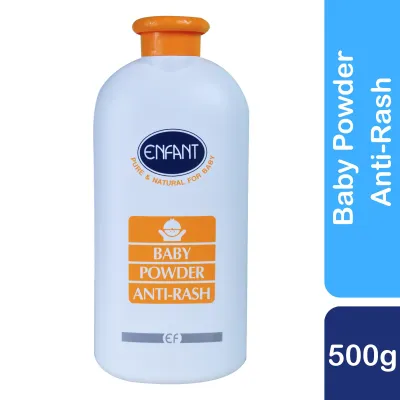
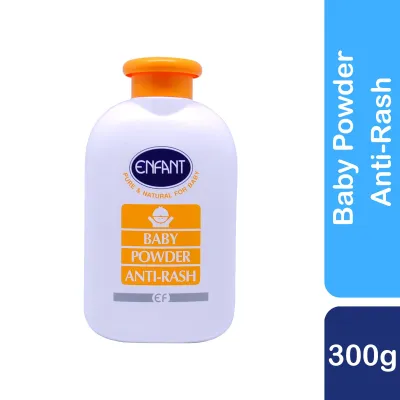
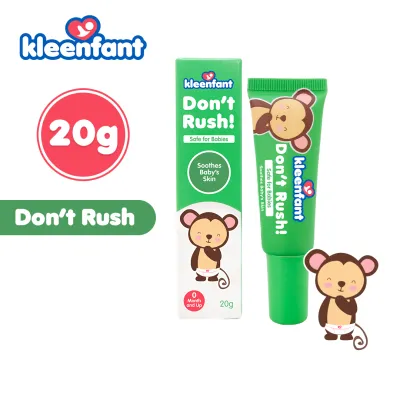
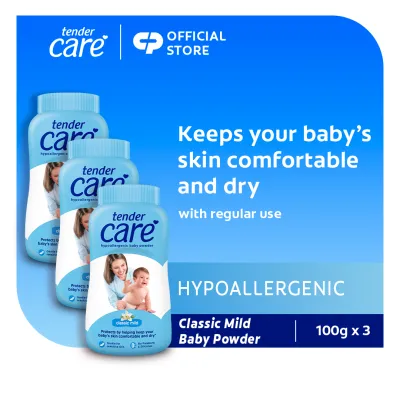
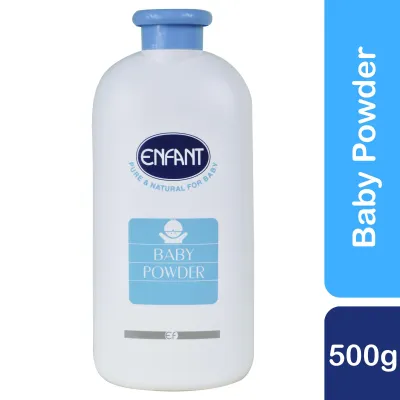
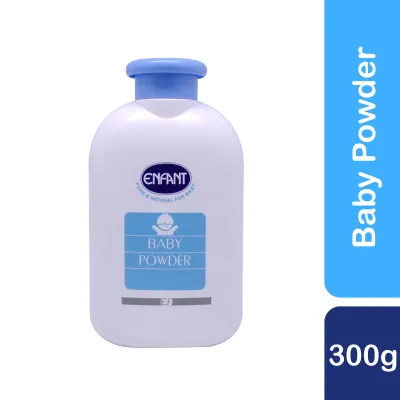
Prices are valid at publication and may change. Please refer to the product page for the latest price.
Fungal or yeast infections, which frequently thrive in the warm, moist environment of a diaper, also require a completely different approach. These infections typically present as bright red, defined patches with small “satellite” spots spreading outward. Using starch-based powders on a yeast infection can actually provide a food source for the fungi, causing the infection to multiply and spread rapidly. Similarly, allergic reactions, marked by sudden hives or localized swelling, require soothing, hydrating treatments rather than drying agents.
The location of the rash and the surrounding environment should also guide your decision. Deep skin folds, such as those around the thighs, neck, and armpits, naturally trap sweat and friction, especially in warm weather. While flat, open surfaces of the body might tolerate a light dusting to prevent chafing, deep folds are highly prone to trapping powder. When mixed with sweat, the powder turns into a gritty paste that increases friction, leading to further skin breakdown.
Safety First: Choosing and Using Baby Powder Correctly
If you determine that a mild, moisture-related rash could benefit from baby powder, selecting the right product is your first line of defense. Carefully inspect product labels to verify the base ingredients before purchase. Many modern pediatric guidelines suggest choosing cornstarch-based or zinc-oxide-infused powders over traditional talcum powder to minimize respiratory risks. Additionally, ensure the product is completely free of added synthetic fragrances, essential oils, or common botanical irritants that can trigger contact dermatitis on sensitive infant skin.

Your application technique is paramount to protect your baby’s delicate airways from irritation. Never shake or sprinkle powder directly onto your baby’s body, as this creates an airborne cloud of fine particles that can easily be inhaled into their developing lungs. Instead, step slightly away from your baby, shake a small amount of powder directly into your own hands, rub your palms together gently to minimize dust, and then pat it lightly onto the targeted skin areas.
Maintaining a strict cleaning routine is essential to prevent the powder from becoming an irritant itself over time. During every diaper change or bath, thoroughly wash away any residual powder from the skin folds using lukewarm water and a gentle touch. Allowing powder to accumulate and clump in moist areas creates an abrasive texture that rubs against the skin, leading to secondary chafing and potential bacterial growth.
Effective Alternatives for Rashes That Need More Than Powder
For rashes that require robust protection against moisture and friction, barrier creams and ointments are highly effective alternatives. Products containing zinc oxide or petroleum jelly form a physical shield over the skin, blocking out wetness from diapers while allowing the underlying skin to heal. These barriers do not clump or dry out the skin, making them a safer and more reliable choice for active diaper rashes.
When dealing with dry skin conditions or eczema, the goal shifts from drying the skin to providing intense hydration. Fragrance-free emollients, ceramides, and thick moisturizing creams help repair the compromised skin barrier. These products lock in essential moisture and soothe irritation without clogging pores or causing respiratory concerns.
Adjusting your baby’s daily bathing and drying routine can significantly accelerate healing without the need for any drying powders. Use lukewarm water and mild, soap-free cleansers during baths, and limit bath time to prevent drying out the skin. When drying your baby, avoid rubbing the skin with a towel; instead, gently pat the skin dry with a soft, clean cotton cloth, paying close attention to the skin folds, and allow the skin to air-dry completely before dressing them.
Red Flags: When to Stop Home Care and See a Pediatrician
While many mild rashes resolve with basic home care, parents must remain vigilant for signs of secondary infection. If you notice the rash oozing clear or yellow fluid, developing blisters, forming crusty yellow scabs, or showing rapidly spreading redness, it is time to stop home treatments. These symptoms suggest a bacterial or severe fungal infection that requires prescription topical or oral medications.
Systemic symptoms accompanying a rash are clear indicators that professional medical evaluation is necessary. If your baby develops a fever, becomes unusually irritable, experiences changes in sleeping patterns, or shows a sudden reluctance to feed, the rash may be a sign of a more serious underlying illness.
Additionally, monitor the timeline of the rash’s progression. If the skin irritation shows no signs of improvement or continues to worsen after two to three days of consistent, proper hygiene and home care, consult a pediatrician. Persistent rashes require an accurate diagnosis to ensure your baby receives the correct targeted treatment.
Frequently Asked Questions (FAQ)
Can I use baby powder and diaper cream at the same time?
It is generally not recommended to use baby powder and diaper cream simultaneously. Mixing the two products creates a thick, pasty buildup that is difficult to clean and can trap moisture and bacteria against the skin, worsening the rash. If a healthcare professional advises using both, they will typically recommend applying them at different times of the day, ensuring the skin is thoroughly cleaned and dried between applications.
Is it safe to use baby powder on a baby's face or neck folds?
Applying baby powder on or near a baby’s face and neck folds carries significant risks and should generally be avoided. The proximity to the baby’s nose and mouth makes it highly likely that they will inhale the fine particles, which can irritate their respiratory tract and cause breathing difficulties. Furthermore, neck folds are prone to heavy drool and sweat, which quickly turns applied powder into a clumpy, abrasive paste that increases friction and skin irritation.

Community discussion
Share your experience or ask a question. Comments are reviewed before publication.