
Finding the right diaper for your baby in a tropical climate involves balancing skin health, movement, and budget. While many parents search for a single, universally superior brand, the reality is that the best diaper depends entirely on your baby’s unique body shape, skin sensitivity, and daily activity level. A diaper that keeps one infant dry through the night might cause leaks or chafing on another due to differences in thigh circumference or sleeping positions.
To make an informed choice among popular options like Baby Pal Comfort, Pampers, and Huggies, caregivers must evaluate three core performance pillars: absorbency, comfort, and leak protection. Absorbency refers to how quickly and effectively the diaper draws moisture away from the skin and locks it inside the core. Comfort encompasses the softness of the materials, the breathability of the outer cover under humid conditions, and the elasticity of the waistband. Leak protection relies on the physical fit of the leg cuffs and waist barriers to prevent messes during active play or sleep.
Ultimately, the most reliable way to determine which brand performs best for your baby is to conduct a structured trial period using small packs. By observing how each diaper fits your baby’s current growth stage and monitoring their skin’s reaction over several days, you can identify the option that offers the best balance of protection and comfort. This guide provides the practical steps and observation methods needed to run these home tests and calculate the true value of your diapering choices.
Products mentioned in this guide
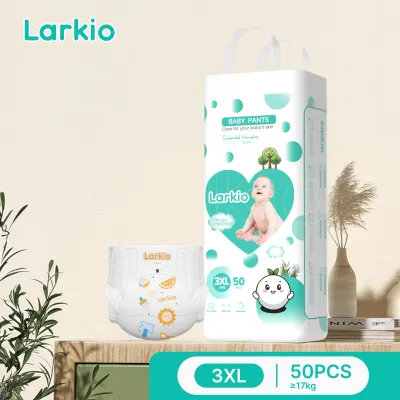
Prices are valid at publication and may change. Please refer to the product page for the latest price.
Evaluating the Contenders: Baby Pal Comfort, Pampers, and Huggies
When comparing these three brands, it is essential to look past marketing claims and examine the physical design elements of each diaper. Every brand offers multiple product lines—ranging from basic dry variants to premium active-play pants—meaning that features can vary significantly by size and specific product tier. Caregivers should always inspect the physical packaging and the diaper itself to verify the exact specifications.
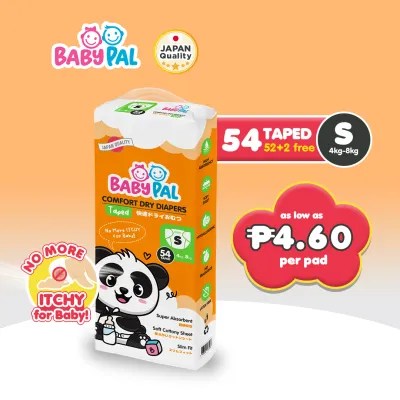
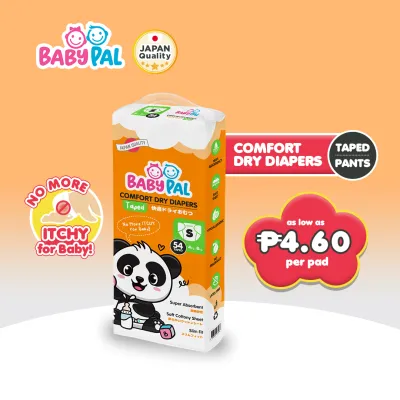
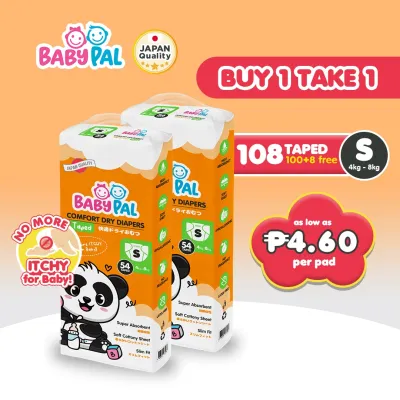
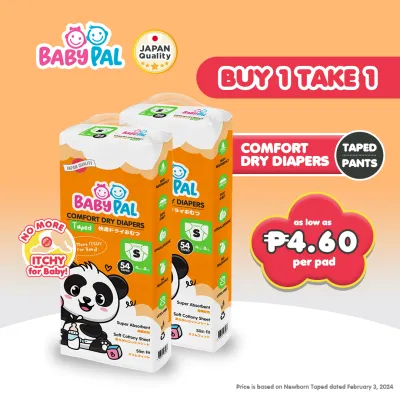
Baby Pal Comfort
Baby Pal Comfort diapers are designed with an emphasis on practical daily utility and secure fit. When evaluating this brand, check the product label for details on its core technology, which typically utilizes absorbent polymers to distribute wetness evenly. Inspect the waistband elasticity; a flexible, stretchy waist is crucial for accommodating a baby’s expanding belly after feeding. Additionally, look for the presence of a wetness indicator on the outer cover, which changes color to signal when a change is needed, helping caregivers avoid unnecessary diaper changes or prolonged exposure to moisture.
Pampers
Pampers is widely recognized for its design focus on a slim, lightweight profile that minimizes bulk between the baby’s legs. When inspecting Pampers packaging, look for specific details regarding their skin-care layers, which often incorporate mild lotions or breathable top sheets designed to protect delicate skin from friction. Because a slim diaper must rely on highly efficient absorbent channels to distribute liquid quickly, verify the specific channel layout described on the pack. This slim construction is often favored by parents who prioritize a low-profile fit under lightweight tropical clothing.
Huggies
Huggies diapers frequently feature design elements tailored for active babies and those prone to liquid stools. A key feature to look for on Huggies packaging is the pocketed waistband, which is designed to trap runny messes at the back and prevent blowouts. Additionally, examine the diaper’s absorbent channel layout and the thickness of the padding. Huggies often utilizes a structured absorbent core designed to handle heavy wetting while maintaining its shape during vigorous movement. This makes it a common choice for babies who crawl, roll, or stand frequently.
Because diaper designs are updated regularly, relying on general brand reputation is less effective than reading the active labels on the store shelf. Always check the weight range guidelines on the packaging, as diaper sizing is determined by weight rather than age. A baby who falls near the upper limit of a size range may experience better leak protection and comfort by sizing up, regardless of the brand chosen.
How to Test and Observe Diaper Performance at Home
Rather than relying on laboratory tests conducted in controlled environments, parents can use simple, observable checks at home to evaluate how a diaper performs under real-world conditions. This practical approach allows you to assess the diaper’s interaction with your baby’s specific anatomy and movement patterns.

The Absorbency Check
To evaluate absorbency, monitor the diaper during periods of extended wear, such as overnight sleep. After your baby wakes up, gently press a dry tissue against the inner lining of the soiled diaper; a high-performing absorbent core should lock moisture away, leaving the tissue dry or only slightly damp. Observe whether the diaper sags heavily or clumps in one area when wet. A well-designed core distributes liquid evenly across the entire surface, preventing a heavy, sagging bulge that can restrict your baby’s natural leg movement or pull the waistband down.
The Leak Protection Check
Leak protection is primarily a function of fit and barrier design. When putting the diaper on, run your finger along the inner leg cuffs to ensure they are flared outward rather than tucked inward. After several hours of wear, check for gaps between the diaper material and your baby’s thighs or waist; gaps are the primary pathway for leaks. Conversely, look for deep red marks or indentations on your baby’s skin when you remove the diaper. While light, temporary marks are normal, deep red indentations indicate that the elastic is too tight or the diaper size is too small, which can cause chafing and discomfort.
The Comfort and Skin Check
The tropical climate of the Philippines, characterized by high heat and humidity, makes breathability a critical factor in diaper comfort. Monitor your baby’s skin during diaper changes for signs of heat buildup, excessive sweat, or localized redness. A breathable outer cover allows hot air and moisture vapor to escape, reducing the risk of diaper rash. Watch your baby during active play to see if the diaper restricts their movement or causes them to pull at the waistband. If your baby frequently scratches at the waist or leg bands, it may indicate that the material is too abrasive or lacks sufficient breathability.
Assessing Value: Calculating the True Cost per Change
Evaluating the cost of diapering requires looking beyond the initial purchase price of a package. Because diaper prices fluctuate due to promotions, package sizes, and retail venues, calculating the cost per individual diaper is the most accurate way to compare value.
To find the unit cost, divide the total price of the diaper pack by the number of diapers inside. For example, if a pack costs ₱450 and contains 50 diapers, the cost per diaper is ₱9.00. Keep a simple log of these unit costs when browsing official brand stores or authorized online marketplaces. Avoid comparing a small travel pack directly to a bulk mega-pack, as larger packages typically offer a lower cost per unit.
However, the cheapest diaper per unit does not always result in the lowest overall household expense. If a lower-priced diaper has poor absorbency or leaks frequently, you may find yourself changing your baby more often to prevent rash or washing soiled clothing and bedsheets daily. This increases your overall consumption of diapers, water, and laundry detergent. Conversely, a slightly more expensive diaper that keeps your baby dry for longer periods—especially overnight—can reduce the total number of diaper changes required per day, ultimately saving you money and effort.
When shopping, prioritize purchasing from official brand stores or authorized distributors on major e-commerce platforms to ensure you receive genuine products. Counterfeit or improperly stored diapers may have compromised adhesive tabs, degraded absorbent polymers, or unhygienic materials that can irritate your baby’s skin.
The Decision Framework: Which Brand Fits Your Baby Best?
To finalize your choice, use a structured decision framework based on your baby’s physical needs, skin sensitivity, and your daily routine. No single brand is the correct choice for every household, but matching specific diaper characteristics to your baby’s profile will yield the best results.
When to Choose Baby Pal Comfort
Consider choosing Baby Pal Comfort if your baby fits the specific cut of the diaper well without gaps around the thighs, and the waistband provides comfortable stretch during feeding and play. This brand is highly suitable for parents looking for a practical, reliable daily diaper that performs consistently during regular daytime changes. If your baby’s skin remains clear and dry during a trial pack, this option can provide excellent everyday utility and straightforward performance.
When to Choose Pampers
Pampers is an appropriate choice if your baby prefers a slim, low-profile fit that does not bunch up under lightweight clothing. The lightweight design is particularly beneficial in hot, humid tropical weather, provided the specific variant’s breathability matches your baby’s sweat levels. If your baby is highly sensitive to friction and benefits from specialized skin-care layers built into the diaper lining, Pampers’ design focus may help maintain skin integrity.
When to Choose Huggies
Huggies is well-suited for highly active babies who crawl, climb, or walk, as the structured core and secure leg cuffs are designed to stay in place during movement. If your baby is prone to back leaks or runny stools, the pocketed waistband feature provides a physical barrier that can prevent messy cleanups. This brand is also a strong candidate for overnight wear if you observe that your baby requires a more robust, structured absorbent core to handle heavy wetting.
Before making any permanent brand switch, always verify your baby’s skin health. If your baby has a history of severe contact dermatitis, eczema, or persistent diaper rash, consult a pediatrician or a qualified healthcare professional. They can help identify specific material sensitivities and recommend appropriate skin barriers or medical treatments before you introduce new diaper brands or materials to your baby’s routine.

Community discussion
Share your experience or ask a question. Comments are reviewed before publication.