
Infant nasal congestion is a frequent challenge for parents, particularly during seasonal shifts or periods of high humidity. Because newborns and young infants are obligate nasal breathers, even a minor buildup of mucus can interfere with their ability to feed comfortably, sleep soundly, and breathe easily. Unlike older children, infants cannot clear their own nasal passages, making a reliable nose suction baby device an essential tool in any nursery.
Selecting the right nasal aspirator requires balancing immediate clearing power with the safety of your baby’s delicate nasal tissues. The Philippine market offers a wide array of options, from traditional manual bulbs to modern electric models. Finding the ideal match involves understanding how different mechanisms operate, how easy they are to keep sanitary in a tropical environment, and how much control you have over the suction pressure.
While price is always a consideration, prioritizing material safety and hygiene is paramount. A low-cost device that cannot be thoroughly sanitized may harbor mold or bacteria, posing a secondary health risk to your child. By evaluating the design, ease of cleaning, and suction control of each type of aspirator, you can make an informed decision that ensures your baby’s comfort and safety.
Products mentioned in this guide
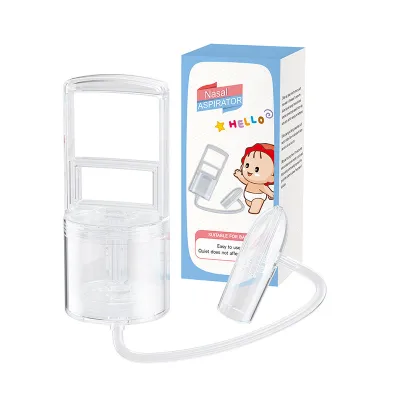
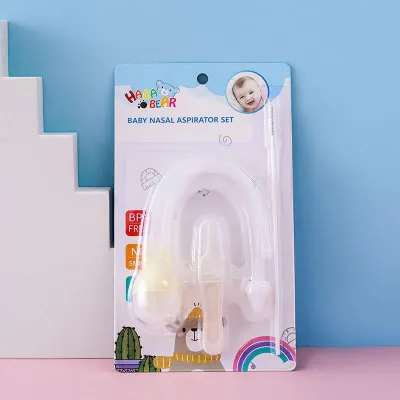
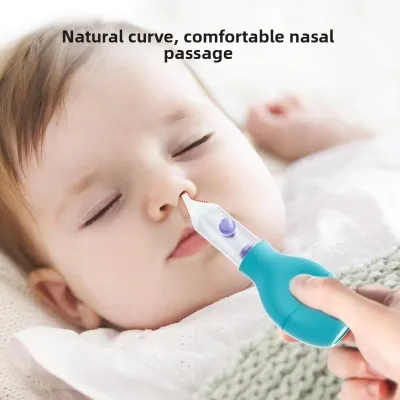
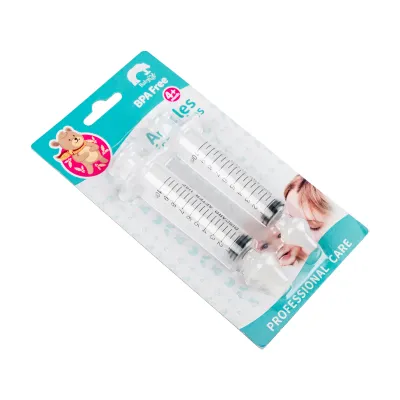
Prices are valid at publication and may change. Please refer to the product page for the latest price.
Quick Guide: What Makes a Good Nasal Aspirator?
An effective nose suction baby device must successfully balance two competing priorities: sufficient suction power to clear thick, stubborn mucus, and gentle operation to protect the highly sensitive, vascularized lining of an infant’s nose. Excessive or uncontrolled suction can easily cause mucosal swelling, bruising, or minor bleeding, which can paradoxically worsen the baby’s congestion. Therefore, the ability to control or regulate the vacuum pressure is one of the most critical safety features to look for.
Hygiene is another non-negotiable factor when evaluating these devices. Nasal aspirators must be completely disassembled after every use to prevent the accumulation of bacteria and viruses. In the warm, humid climate of the Philippines, moisture trapped inside small crevices can quickly lead to mold growth. A good aspirator should feature a straightforward design without hidden chambers, allowing every part that comes into contact with mucus to be washed, sanitized, and thoroughly dried.
Material safety is equally vital. The tip of the aspirator, which directly enters or seals against the baby’s nostril, must be made of soft, flexible, and medical-grade materials such as silicone. Hard plastic tips pose a high risk of scratching the nasal passage if the baby suddenly moves or squirm during the process. Additionally, parents should verify that all components are free from harmful chemicals like Bisphenol A (BPA) and phthalates.
Finally, consider the overall ease of use and your baby’s temperament. Some infants are highly sensitive to noise and may become distressed by the motor hum of an electric aspirator, while others may resist the physical restriction required during a manual suctioning session. A device that fits seamlessly into your daily routine and aligns with your baby’s tolerance levels will ultimately provide the best value and peace of mind.
Comparing the Main Types of Baby Nose Suction Devices
To choose the most suitable nasal aspirator, it is helpful to understand the distinct mechanisms, advantages, and limitations of the three primary categories available on the market. Each type serves a specific need and carries unique trade-offs regarding cost, control, and maintenance.

Bulb Syringes
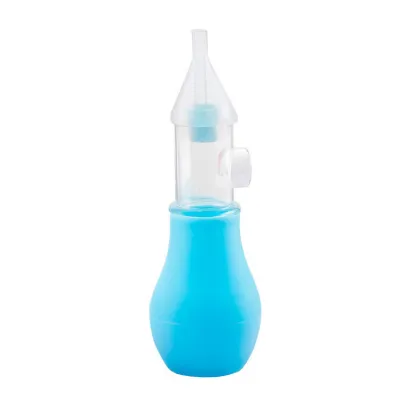
Bulb syringes are the classic, teardrop-shaped rubber or silicone bulbs often distributed in hospitals. They operate on a simple mechanical vacuum principle: you compress the bulb to expel the air, insert the tip gently into the baby’s nostril, and slowly release your grip to draw mucus into the chamber. These devices are highly accessible, inexpensive (typically costing under ₱150), and require no batteries or external parts, making them a common backup option for travel.
However, traditional bulb syringes present significant hygiene challenges. Because many models are molded as a single, opaque piece, the interior cannot be visually inspected or physically scrubbed. Over time, the damp, dark inside of the bulb becomes an ideal breeding ground for black mold and bacteria, especially in humid tropical climates. While some modern manufacturers now produce two-piece detaching silicone bulbs that can be opened and washed, traditional one-piece models should generally be replaced frequently to avoid contamination.
In terms of performance, bulb syringes offer limited suction control and are less effective at clearing thick or deeply lodged mucus. The pressure is entirely dependent on how quickly you release your manual squeeze, which can be inconsistent. They are best suited for mild, watery congestion in older, cooperative infants rather than daily, heavy-duty use.
Manual Tube Aspirators (Mouth-Suction)
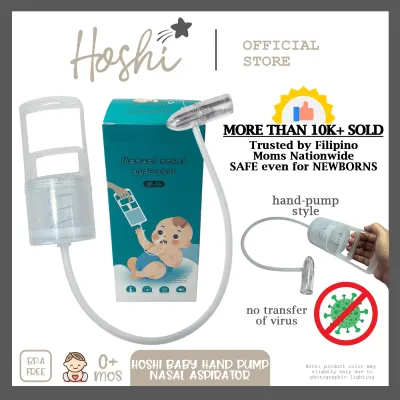
Manual tube aspirators, often referred to as mouth-suction devices, consist of a soft silicone nose tip, a collection chamber, a flexible tube, and a mouthpiece for the parent. To operate, you place the nose tip against the baby’s nostril and apply suction by inhaling through the mouthpiece. A disposable or washable filter is positioned between the collection chamber and the tube to ensure that mucus and airborne pathogens cannot reach the parent’s mouth.
This design is highly favored by pediatricians and experienced parents because it grants the caregiver complete, real-time control over the suction strength. You can easily adjust your inhalation force based on the thickness of the mucus and your baby’s comfort level, allowing for a highly customized and gentle extraction. It is exceptionally effective at clearing thick, stubborn secretions that bulb syringes cannot budge.
Despite their high efficacy, manual tube aspirators require a regular ongoing expense for replacement filters, which typically cost between ₱200 and ₱400 per pack. Some parents also experience a psychological barrier regarding the mouth-suction mechanism, despite the physical filter barrier. However, for those comfortable with the design, it remains one of the most reliable and precise tools for managing moderate to severe infant congestion.
Electric and Battery-Operated Aspirators
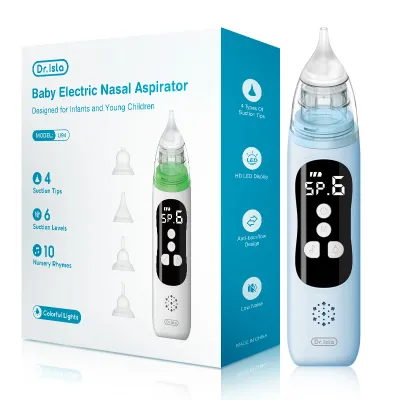
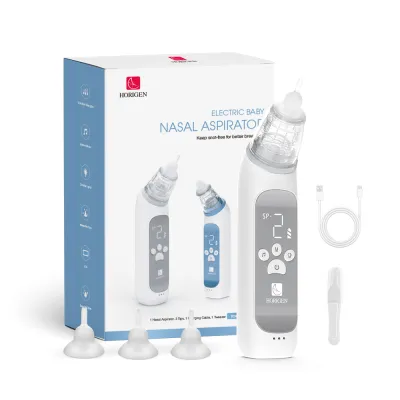
Electric nasal aspirators utilize a small, motorized pump to generate continuous, automated suction at the press of a button. These devices are designed for convenient, one-handed operation, leaving your other hand free to gently steady your baby’s head. Many modern electric models feature multiple suction levels, allowing parents to start with a very gentle setting and gradually increase the power as needed.
To make the process less intimidating for young children, many electric aspirators are equipped with built-in distractions, such as soft LED lights or gentle musical melodies. These sensory features can help keep a fussy baby calm during suctioning. The collection cups on electric models are usually transparent and detachable, making it easy to monitor the volume of mucus cleared and to clean the parts immediately after use.
On the downside, electric aspirators carry a higher upfront cost, with prices generally ranging from ₱1,000 to over ₱3,000 on local retail platforms. They also rely on rechargeable batteries or AA batteries, which must be maintained to ensure consistent performance. Additionally, the motor’s mechanical hum—even in models marketed as quiet—can occasionally startle sensitive newborns, and the maximum suction pressure is sometimes lower than what a parent can achieve manually with a tube aspirator.
Essential Safety and Hygiene Features of a Nose Suction Baby Device to Verify Before Buying
When shopping for a nose suction baby device, parents should look beyond aesthetic designs and focus on specific material and structural features that guarantee safety and hygiene. Because a baby’s nasal passages are incredibly delicate, choosing a poorly designed product can lead to physical injury or cross-contamination.
First, carefully examine the tip materials. Ensure the product specifications explicitly state the use of medical-grade, BPA-free, and food-grade silicone. The tip should be highly flexible and tapered to create a comfortable seal at the entrance of the nostril without needing to be inserted deeply. Avoid any products that feature rigid plastic tips, as these can easily tear the nasal mucosa if the baby jerks their head during use.
For manual tube aspirators, verify the design and availability of the filter system. The device must feature a secure filter housing that holds a hydrophobic or high-efficiency foam filter. This filter acts as a critical barrier, preventing bacteria, viruses, and fluids from traveling up the suction tube. Ensure that replacement filters are readily available for purchase in the Philippines, as using a manual aspirator without a clean filter compromises both caregiver safety and device hygiene.
If you are purchasing an electric model, look for built-in suction limits and safety certifications. Safe pediatric electric aspirators are engineered to operate within strict pressure limits to prevent tissue damage. Check the manufacturer’s documentation to verify that the device complies with international safety standards and features an automatic pressure release or a maximum suction cap. Avoid unbranded, industrial-strength electric suction devices that are not specifically calibrated for infant use.
Given the high humidity of the local climate, the cleaning design of the aspirator is a major safety factor. Choose models that can be completely disassembled into individual, open components. Avoid designs with narrow, enclosed plastic tubes that cannot be reached with a small cleaning brush. Verify whether the parts are compatible with your preferred sanitation method, such as boiling water, steam sterilizers, or UV sterilizers, as some low-quality plastics can warp or release chemicals when exposed to high heat.
Safe Usage and Maintenance Practices
To ensure both the effectiveness of the treatment and the safety of your child, it is essential to follow a structured usage and cleaning routine. Improper technique can cause physical discomfort or minor injury, while poor maintenance can lead to reinfection.
Step 1: Preparation with Saline
Never attempt to suction dry nasal passages. Dry mucus adheres strongly to the nasal lining, and attempting to pull it out can cause pain, irritation, and bleeding. Always begin by administering 1 to 2 drops of sterile, preservative-free saline solution into each nostril. Wait approximately one to two minutes to allow the saline to thin and loosen the mucus before introducing the suction tip.
Step 2: Gentle Insertion and Angle
Gently support your baby’s head to minimize sudden movements. When inserting the silicone tip of the aspirator, place it just at the entrance of the nostril to create a gentle seal; do not push the tip deep into the nasal cavity. Angle the tip slightly outward, pointing toward the outer corner of the baby’s eye or ear on the same side, rather than pointing straight up or inward toward the nasal septum. The septum is highly sensitive and prone to bleeding if subjected to direct suction or friction.
Step 3: Controlled Suctioning
Apply suction gently and in short, controlled bursts rather than a continuous, prolonged pull. If using a manual tube aspirator, start with a very light breath and increase pressure only as necessary. If using an electric model, always begin on the lowest setting. Stop immediately if you notice any traces of blood, if the baby shows signs of severe distress, or if the nasal lining appears red and swollen.
Step 4: Immediate Disassembly and Cleaning
Do not let mucus dry inside the device. Immediately after use, disassemble all washable parts, including the silicone tips and collection chambers. Wash them thoroughly using warm, soapy water and a small cleaning brush to reach all inner surfaces. Rinse every component completely under clean, running water.
Step 5: Thorough Air-Drying
In a tropical climate, wet components left in enclosed spaces will quickly develop mold. After washing, lay all parts out on a clean, dry paper towel or a dedicated drying rack in a well-ventilated area. Allow them to air-dry completely before reassembling or storing them. If the manufacturer’s care instructions permit, you may periodically sanitize the silicone tips in boiling water or a steam sterilizer, ensuring you verify the temperature limits first.
Step 6: Filter Replacement
For manual tube aspirators, strictly adhere to the manufacturer’s guidelines regarding filter replacement. Disposable foam filters are designed for single-use or limited-use scenarios to maintain hygiene and suction efficiency. Never attempt to wash, dry, and reuse a disposable filter that has become wet or soiled, as this can encourage bacterial growth and compromise the filter’s protective barrier.
When to Stop Suctioning and Consult a Pediatrician
While a nose suction baby device is an invaluable tool for managing daily congestion, it is important to remember that nasal suctioning is a supportive care measure intended for temporary symptom relief. It does not treat the underlying cause of a cold, allergy, or respiratory infection. Parents must monitor their baby closely and know when to transition from home care to professional medical evaluation.
One of the primary risks of over-suctioning is rebound nasal swelling. Suctioning your baby’s nose too frequently—such as more than four times a day—can severely irritate the delicate nasal membranes. This irritation causes the tissues to swell and produce even more mucus, creating a cycle where the baby remains congested despite constant suctioning. If you find yourself needing to suction your baby’s nose constantly throughout the day, stop the procedure and seek advice from a pediatrician.
Always verify the manufacturer’s documentation for specific age, weight, and developmental guidelines before using any nasal aspirator. Newborns and premature infants have exceptionally narrow and fragile airways that require extreme care. If your newborn is experiencing congestion, it is highly recommended to consult your pediatrician before introducing any mechanical or manual suction device to ensure it is safe for their specific developmental stage.
Most importantly, learn to recognize the signs of respiratory distress, which require immediate medical attention. Nasal suctioning should never be used as a substitute for emergency care if your baby is struggling to breathe. Consult a pediatrician or visit the nearest healthcare facility immediately if you observe any of the following symptoms:
- Rapid breathing or a sudden increase in respiratory rate.
- Chest retractions, where the skin pulls in sharply between the ribs, under the rib cage, or at the base of the neck when the baby inhales.
- Nostril flaring, where the nostrils widen significantly with each breath.
- Grunting sounds or high-pitched wheezing during breathing.
- A bluish or pale tint around the baby's lips, tongue, or fingernails.
- Extreme lethargy, difficulty waking up, or a complete refusal to feed due to breathing difficulties.
Frequently Asked Questions (FAQ)
How many times a day is it safe to use a nasal aspirator?
Generally, it is safest to limit the use of a nasal aspirator to three to four times a day. Overusing the device can irritate the delicate lining of your baby’s nose, leading to inflammation, swelling, and increased mucus production, which actually worsens the congestion.
To maximize the benefit while minimizing irritation, time the suctioning sessions around key moments in your baby’s routine. The most effective times are right before a feeding, to help them latch and breathe more easily while sucking, and right before bedtime, to promote longer, uninterrupted sleep. Always apply a drop of saline beforehand to ensure the mucus slides out easily with minimal friction.
Can I use a nose suction device on a sleeping baby?
Using a nasal aspirator on a sleeping baby is generally not recommended unless absolutely necessary. The sensation of suctioning, even with a quiet electric device, is highly likely to startle the infant, causing them to wake up suddenly or jerk their head.
If a baby moves abruptly while the suction tip is inside their nostril, it can cause physical trauma, such as scratching or bruising the inner nasal lining. If your baby is sleeping peacefully despite some mild congestion, it is best to let them rest. If their breathing is heavily obstructed and disrupting their sleep, gently wake them up, support their head securely, and perform the suctioning safely while they are awake and alert.

Community discussion
Share your experience or ask a question. Comments are reviewed before publication.