
When your little one is struggling with a stuffy nose, finding the right baby nose suction device can make a world of difference in their comfort, feeding, and sleep. There is no single universal winner that works for every family; instead, the ideal choice depends on your baby’s age, the severity of their congestion, and your own comfort level as a parent. In tropical climates like the Philippines, where high humidity, seasonal weather shifts, and air-conditioned rooms can contribute to infant nasal stuffiness, having a reliable tool on hand is essential. By understanding the differences between the traditional bulb syringe, the responsive mouth-powered aspirator, and the automated electric aspirator, you can select a tool that safely and effectively clears your baby’s airways.
Understanding the Three Main Baby Nose Suction Mechanisms
Nasal congestion in infants requires external help because babies are primary nose breathers and cannot easily clear their own nasal passages. Baby nose suction devices are designed to create a gentle vacuum that draws out excess mucus, restoring clear breathing. While all three main types—bulb syringes, mouth-powered aspirators, and electric aspirators—share this primary goal, they rely on completely different physical mechanisms to generate suction.
When evaluating these devices, parents should look for standard components that prioritize safety and hygiene. Soft, medical-grade silicone tips are crucial for protecting the delicate, highly vascularized lining of an infant’s nose. Additionally, check if the device features replaceable or washable filters, which act as a physical barrier to prevent mucus or bacteria from traveling beyond the collection chamber. Understanding these physical designs helps you weigh the trade-offs of each mechanism before making a purchase.
Products mentioned in this guide
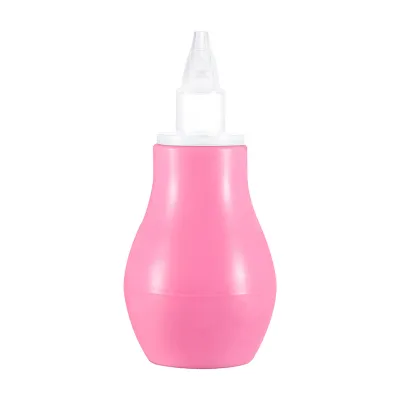
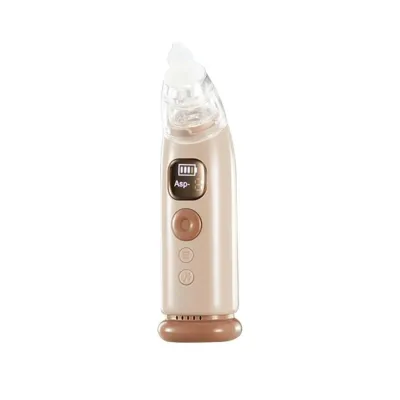
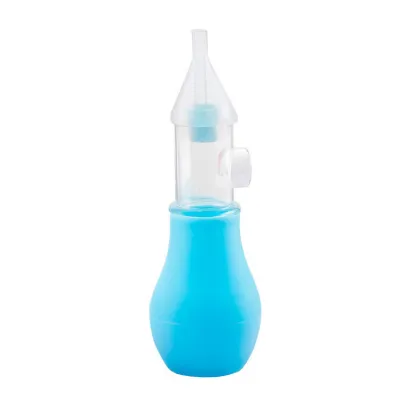
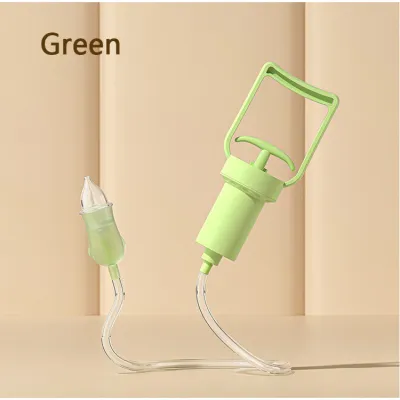
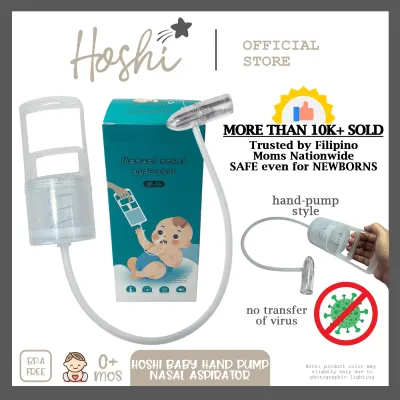
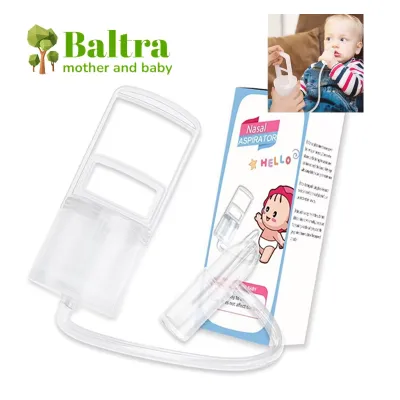
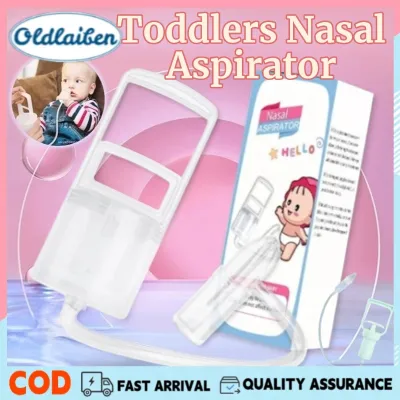
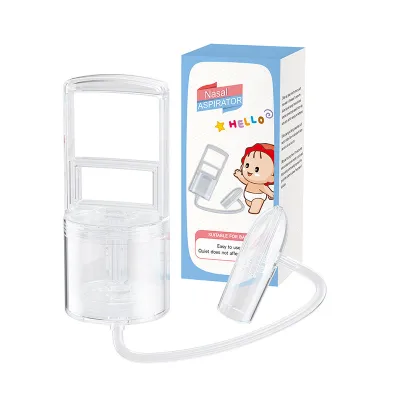
Prices are valid at publication and may change. Please refer to the product page for the latest price.
Bulb Syringes
The bulb syringe is the classic, manual tool often provided in hospital discharge kits. It operates on a simple squeeze-and-release mechanism: you compress the rubber bulb to expel air, gently insert the tip into the baby’s nostril, and slowly release your grip to create a vacuum that draws in mucus. Because it has no moving parts or power requirements, it is highly portable and straightforward to operate in any setting.
However, the traditional one-piece bulb syringe presents significant hygiene challenges. Because the interior is dark and difficult to inspect, verifying internal cleanliness and ensuring the device is completely dry inside can be nearly impossible. Over time, moisture trapped inside the rubber cavity can lead to mold growth. Parents must regularly inspect the bulb for material degradation, stiffness, or an unpleasant odor, and replace the device immediately if any wear is detected.
Mouth-Powered Aspirators
Mouth-powered aspirators, often referred to as human-suction or tube aspirators, use the parent’s own breath to generate a vacuum. The device consists of a soft silicone tip placed at the baby’s nostril, a flexible tube, a collection chamber, and a mouthpiece for the caregiver. By inhaling through the mouthpiece, you can instantly adjust the strength and duration of the suction based on how your baby is responding.
A critical component of this design is the internal physical filter located between the collection chamber and the suction tube. This filter is designed to prevent mucus, moisture, and airborne pathogens from reaching the parent’s mouth. While highly effective at preventing cross-contamination when used correctly, some parents experience initial hesitation or squeamishness about using their breath to clear their baby’s nose. Verifying that you have a steady supply of compatible, clean replacement filters is essential for maintaining hygiene.
Electric Aspirators
Electric aspirators offer an automated, battery-operated approach to clearing nasal passages. These devices use a small, motorized pump to generate continuous, steady suction at the press of a button. This design eliminates the manual effort of squeezing a bulb or inhaling through a tube, allowing you to focus entirely on stabilizing your baby’s head and positioning the tip safely.
When choosing an electric model, it is important to check for adjustable suction settings, as a single high-power setting may be too intense for a newborn’s sensitive nasal tissues. You should also verify the power requirements, such as whether the device uses standard disposable batteries or features a rechargeable USB battery compatible with local power outlets. Additionally, observe the device’s noise level during operation; some motorized pumps can produce a humming sound that may trigger an infant’s startle response, requiring a gentle introduction to help the baby get used to the sound.
Key Comparison Dimensions for Your Decision
To choose the right baby nose suction device, it helps to compare them across several practical dimensions that affect daily use. Suction control is a primary consideration: manual and mouth-powered options allow for immediate, intuitive adjustments, whereas electric models rely on pre-set electronic levels. The consistency of electric suction can be highly effective for steady clearing, but manual methods offer a level of responsiveness that many parents prefer when dealing with a squirming baby.

Ease of disassembly and thorough cleaning is another critical factor. A device that is difficult to take apart or has narrow, unreachable crevices can quickly become a hygiene hazard. Always check the manufacturer’s instructions to verify if the parts can be boiled, steam-sterilized, or washed in warm soapy water. For travel and portability, compact bulb syringes and mouth-powered aspirators require no electricity, making them highly convenient for diaper bags, while electric models require you to monitor battery levels or carry charging cables.
| Dimension | Bulb Syringe | Mouth-Powered Aspirator | Electric Aspirator |
|---|---|---|---|
| Suction Control | Manual (Squeeze pressure) | Highly responsive (Parent's breath) | Adjustable electronic settings |
| Cleaning & Hygiene | Hard to inspect internally; replace regularly | Disassembles easily; requires physical filters | Disassembles into multiple parts; check manual |
| Infant Comfort | Silent; tip size varies | Silent; soft silicone tips | Motor noise; soft silicone tips |
| Power & Portability | No power needed; highly portable | No power needed; highly portable | Requires batteries or charging; heavier |
| Best Suited For | Quick, occasional use | Precise, controlled clearing | Frequent, steady suction needs |
Matching the Suction Type to Your Baby's Needs
Selecting the right baby nose suction method requires matching the device’s capabilities to your baby’s developmental stage and the nature of their congestion. Newborns have incredibly narrow, delicate nasal passages and are highly sensitive to sudden movements or loud noises. For these very young infants, a gentle, highly controlled method like a mouth-powered aspirator with a soft, wide tip is often ideal because it prevents deep insertion and allows you to apply the softest possible suction.
As babies grow into older, more active infants, they may begin to resist nasal suctioning, turning their heads or pushing your hands away. In these situations, the speed and steady suction of an electric aspirator can be highly advantageous, allowing you to clear the nasal passage quickly before the baby becomes too distressed. If your baby is dealing with thick, stubborn mucus—often exacerbated by dry, air-conditioned environments—the continuous suction of an electric device, paired with proper preparation, can help draw out blockages that a manual bulb might struggle to budge.
Your own comfort level as a caregiver is also a key part of the decision framework. If you feel uncomfortable with the idea of mouth-powered suction, or if you have limited hand strength that makes squeezing a stiff bulb syringe difficult, an electric model provides a user-friendly, hands-free suction alternative. Use the following decision matrix to guide your choice:
- Choose Bulb if… You need an inexpensive, highly portable, silent tool for occasional, mild congestion and are diligent about replacing it regularly to ensure hygiene.
- Choose Mouth-Powered if… You want maximum control over the suction strength, prefer a silent operation that won't startle your baby, and are comfortable using a filtered mouthpiece.
- Choose Electric if… You manage frequent congestion, prefer a quick and automated process, and want steady suction without manual squeezing or inhaling.
- Verify first if… The device's tip size is appropriate for your baby's current age, and check the product manual to ensure all components can be thoroughly sanitized according to the manufacturer's guidelines.
Safe Usage and Cleaning Guidelines
Regardless of the baby nose suction device you choose, practicing safe operational boundaries is vital to protect your infant’s delicate nasal health. The lining of a baby’s nose is thin and easily irritated; excessive suctioning can cause swelling, which actually worsens congestion. Limit suctioning to necessary times, such as right before feedings or before putting your baby down to sleep, to avoid over-irritating the nasal passages.
Always perform a visual check of your baby’s nose before and after suctioning. If you observe nasal dryness, redness, swelling, or any signs of bleeding, stop using the device immediately. These are clear indicators that the nasal tissues need time to recover. To prevent the spread of bacteria and ensure the device operates safely, verify the cleaning protocol strictly in your product’s manual; never assume all parts are dishwasher-safe or heat-resistant, as some plastics may warp or degrade under high temperatures.
If your baby’s congestion is accompanied by a high fever, persistent coughing, difficulty breathing, or if the mucus remains thick and blocking their airway despite gentle suctioning, pause use and consult a pediatrician immediately. A qualified healthcare professional can evaluate the underlying cause of the congestion and provide safe, targeted guidance for your baby’s recovery.
Frequently Asked Questions (FAQ)
Is it safe to use a baby nose suction device every day?
Yes, it can be safe to use daily during periods of active congestion, but you should limit the frequency to avoid irritating the delicate nasal lining. Caregivers generally find it best to restrict suctioning to three or four times a day, specifically before feeding and sleeping when clear breathing is most critical. If you notice signs of irritation, such as redness inside the nostril or minor bleeding, stop using the device and consult your pediatrician.
Can I use saline drops before suctioning?
Yes, saline drops are highly effective for softening and loosening dry or thick mucus before you begin suctioning. Applying a few drops of infant-safe saline solution helps lubricate the nasal passages, making the suction process much more comfortable and efficient for your baby. Always check the product label of the saline drops to ensure they are formulated specifically for infants, and consult your pediatrician to verify the correct usage and dosage for your baby’s age.
What should I do if my baby hates the electric aspirator?
If your baby is startled by the noise or sensation of an electric aspirator, try introducing the device gradually in a calm, low-stress environment. You can turn the device on near your baby without using it, allowing them to get accustomed to the humming sound, or try using distraction techniques like singing or showing them a favorite toy. If your baby continues to show high stress or resistance, it is best to pause and switch to a quieter manual option, such as a mouth-powered aspirator, to keep the experience as gentle as possible.

Community discussion
Share your experience or ask a question. Comments are reviewed before publication.