
Caring for a baby’s delicate scalp requires a thoughtful approach, especially when navigating the wide array of baby hair oils available today. An infant’s skin is significantly thinner and more sensitive than adult skin, making it highly reactive to environmental changes, heat, and topical products. In tropical climates like the Philippines, where high humidity and warmth are constant, choosing the right hair oil is not just about keeping the hair shiny; it is about supporting the natural skin barrier and addressing specific scalp conditions without causing irritation or clogged pores. By understanding your baby’s unique scalp needs, you can select a product that safely nourishes, moisturizes, or helps manage common issues like cradle cap.
Understanding Your Baby's Scalp Condition
Before purchasing any hair oil for baby, it is essential to observe and identify the current state of your little one’s scalp. A healthy infant scalp typically appears clear, smooth, and free of excessive flaking or redness, requiring only minimal, lightweight hydration. However, many babies experience cradle cap, scientifically known as infantile seborrheic dermatitis, which presents as thick, yellowish, greasy, or crusty scales that stick to the scalp. Another common issue is simple dry scalp, characterized by fine, dry white flakes, a rough texture, and occasional mild itching, often exacerbated by dry air-conditioned rooms or frequent bathing.
Understanding these differences helps you set realistic expectations for what a baby hair oil can achieve. Hair oils are designed for cosmetic maintenance, softening dry skin, facilitating gentle scalp massage, and loosening stubborn crusts; they are not medical treatments or cures for underlying dermatological conditions. If your baby’s scalp condition is severe, persistent, or accompanied by signs of infection, topical oils should not be used as a substitute for professional medical advice.
Products mentioned in this guide
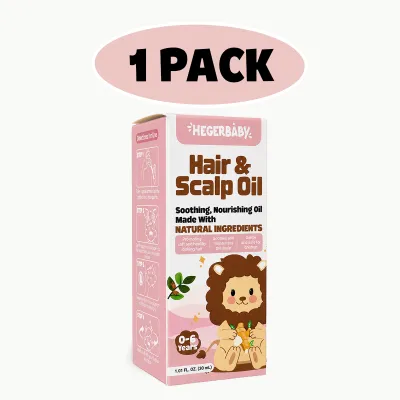
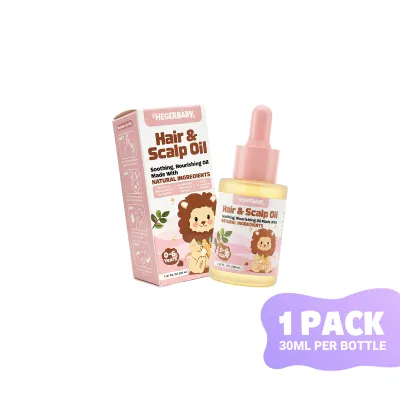
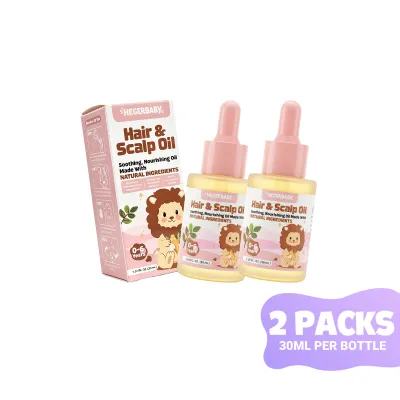
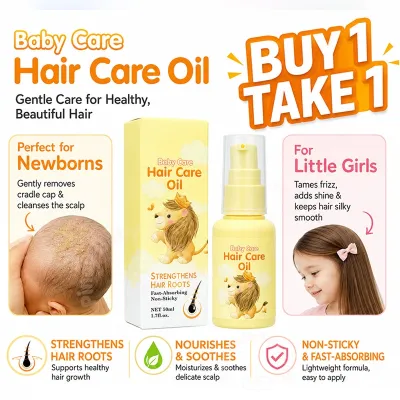
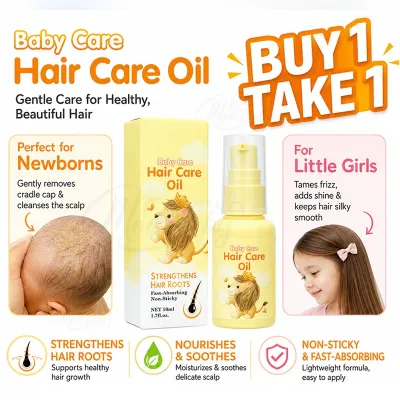
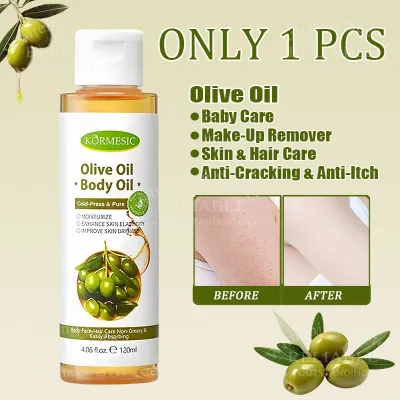
Prices are valid at publication and may change. Please refer to the product page for the latest price.
Caregivers must remain vigilant and recognize when to stop using hair oils and seek professional help. If you notice any redness, swelling, warmth, weeping fluid, or bleeding on the scalp, discontinue use immediately. These symptoms, or a rash that spreads rapidly beyond the hairline to the face or body, indicate that the scalp needs an evaluation by a pediatrician or a pediatric dermatologist rather than home oil treatments.
Matching Oil Types to Specific Scalp Needs
Selecting the right hair oil for baby involves matching the oil’s physical properties and fatty acid profile to the specific condition of your baby’s scalp. Not all oils are created equal; some are highly occlusive and sit on top of the skin, while others are lighter and absorb more readily to support the skin barrier. Reading the ingredient label carefully is the most reliable way to determine if a product’s primary composition aligns with your baby’s current needs, whether you are trying to lift stubborn scales or soothe dry, irritated skin.

Oils for Cradle Cap Management
When dealing with cradle cap, the primary goal of using an oil is to soften the sticky, greasy scales so they can be gently brushed away. For this purpose, lightweight mineral oils or specific plant-based oils that do not easily oxidize are highly effective. These oils work by penetrating the crusty patches, breaking down the hardened sebum, and making it easier to lift the scales during a bath without irritating the delicate skin underneath.
However, the method of application is just as important as the oil itself. Any oil applied to manage cradle cap must be washed out thoroughly with a mild, tear-free baby shampoo immediately after the softening period. Leaving heavy, occlusive oils on the scalp can trap natural sebum, sweat, and dead skin cells, which can clog the hair follicles and ultimately worsen the cradle cap condition.
In warm and humid environments, leaving oil on the scalp can also create a breeding ground for naturally occurring yeasts, such as Malassezia, which are associated with seborrheic dermatitis. Therefore, caregivers should view oil as a temporary pre-wash treatment rather than a leave-in moisturizer when managing cradle cap. Always ensure the scalp is completely clean and dry after the bath.
Oils for Dry or Sensitive Scalp
For babies experiencing a dry, flaky scalp without the greasy crusts of cradle cap, the focus shifts to reinforcing the delicate skin barrier. Oils rich in linoleic acid, an essential fatty acid, are highly recommended for this purpose because they help support the skin’s natural lipid barrier and lock in moisture without causing heavy buildup. These oils help soothe dryness and reduce the fine flaking that can occur when a baby’s skin loses moisture to dry air or air conditioning.
Conversely, general dermatological guidance suggests avoiding oils that are exceptionally high in oleic acid on compromised or highly sensitive infant skin. Oleic acid can sometimes disrupt the skin barrier’s lipid structure, potentially increasing permeability and leading to further dryness or irritation. When reading product labels, look for formulations specifically balanced for sensitive infant skin and verify that the product is free from common irritants.
Because dry skin can easily become sensitized, it is crucial to choose products that are formulated specifically for babies rather than general family use. Infant-specific formulations undergo rigorous testing to ensure they are mild and less likely to trigger adverse skin reactions, helping you maintain a healthy, hydrated scalp environment for your little one.
Oils for General Nourishment and Massage
If your baby has a normal, healthy scalp, a hair oil can still be a wonderful tool for routine bonding, gentle scalp stimulation, and light hydration. Mild, cold-pressed plant oils are popular choices for infant massage, providing a smooth glide that makes the experience relaxing for both caregiver and baby. A gentle scalp massage can promote relaxation, support healthy circulation, and help your baby wind down before bedtime.
When considering nut-derived oils, such as sweet almond oil, caregivers must perform a mandatory safety check regarding potential nut allergies. If there is a family history of nut allergies, or if your baby has shown signs of food sensitivities, it is best to avoid nut-based oils entirely and opt for alternative plant-derived or mineral-based options. Always consult your pediatrician if you have concerns about potential allergen cross-reactivity.
Regardless of the oil you choose for general massage, performing a patch test is an indispensable safety step before full application. This simple precaution ensures that even the mildest, most natural oil is compatible with your baby’s unique skin chemistry, preventing widespread irritation or allergic reactions before they start.
Key Ingredients to Avoid in Baby Hair Oils
When shopping for a hair oil for baby, reading the ingredient list is your most powerful tool for protecting your baby’s sensitive scalp. Infant skin is much thinner, more permeable, and more reactive than adult skin, meaning it absorbs topical substances more easily and is highly susceptible to chemical irritation. Consequently, many ingredients that are perfectly safe for adults can cause contact dermatitis, redness, or systemic irritation in infants.
Synthetic fragrances are among the most common culprits behind skin irritation and allergic reactions in babies. Even if a product smells delightful, undisclosed “fragrance” or “parfum” blends can contain dozens of synthetic chemicals that can easily sensitize a baby’s delicate scalp. Essential oils, such as tea tree, peppermint, eucalyptus, or lavender, should also be avoided in products meant for young infants; these concentrated botanical extracts contain volatile compounds that can be highly irritating to baby skin and may even cause respiratory discomfort if the scent is too strong.
Harsh preservatives and certain alcohols should also be filtered out during your product selection process. Caregivers should look for products with short, simple, and recognizable ingredient lists that prioritize gentle, stable base oils. If your baby has sensitive skin or a history of eczema, choosing fragrance-free formulations is the safest path to minimize the risk of flare-ups and maintain a calm, healthy scalp.
How to Safely Apply and Remove Baby Hair Oil
To ensure your baby reaps the benefits of hair oil without experiencing adverse reactions, establishing a safe application and removal routine is essential. The very first step before introducing any new oil to your baby’s scalp is conducting a proper patch test. Apply a tiny drop of the oil to a small, clean area of skin, such as behind the ear or on the inner arm, and wait a full 24 hours to monitor for any signs of redness, swelling, tiny bumps, or itching. If the skin remains clear, the oil is generally safe to use on the scalp.
When applying the oil, use a gentle, mindful technique. Pour a few drops of oil into your palms and rub them together to warm the oil slightly before touching your baby’s head. Gently massage the oil onto the scalp using the soft pads of your fingers, avoiding any scratching with your fingernails. If you are addressing cradle cap, let the oil sit for a few minutes to soften the scales, then use a soft-bristled baby brush to gently loosen the crusts—never pick, scratch, or aggressively scrape the scales, as this can break the skin and lead to painful infections.
Removing the oil thoroughly is a critical step that must not be skipped. Wet your baby’s hair with warm water, apply a small amount of a gentle, tear-free baby shampoo, and massage it gently to emulsify the oil. Rinse thoroughly with clean, warm water, ensuring that no greasy residue remains on the scalp or behind the ears. Pat the head dry gently with a soft, clean towel.
Always pay close attention to your baby’s reaction during and after this routine. If your baby shows signs of discomfort, if a rash or redness develops, or if the scalp condition does not show improvement after a few weeks of gentle care, stop the routine immediately. Consult your pediatrician to explore alternative care options or to determine if a medical treatment is necessary.
What to Check Before Buying
Before finalizing your purchase of a hair oil for baby, a final pre-purchase verification checklist can help ensure the product is safe, authentic, and appropriate for your infant. First, verify the manufacturer’s age recommendations on the packaging; some oils are formulated specifically for newborns, while others are intended for older babies or toddlers. Ensure the product is explicitly labeled for infant or baby use, as this indicates it has been formulated to meet stricter safety standards than general cosmetic products.
Next, check the packaging for clear manufacturer warnings, batch numbers, expiration dates, and storage instructions. In hot and humid climates like the Philippines, proper storage is vital; oils can spoil or go rancid quickly if exposed to direct sunlight or extreme heat, so look for products that come in dark or opaque bottles and store them in a cool, dry place.
Finally, keep in mind that marketing claims such as “pediatrician-tested,” “dermatologist-tested,” or “hypoallergenic” offer some reassurance, but they are not absolute guarantees of safety. These labels mean the product has undergone testing under specific conditions, but they do not replace the necessity of reading the full ingredient list yourself and performing a personal patch test. Being a diligent reader of labels is your best defense against unexpected skin reactions.
Frequently Asked Questions (FAQ)
Can I use adult hair oils or cooking oils on my baby's scalp?
No, it is highly recommended to avoid using adult hair oils or standard cooking oils on your baby’s scalp. Adult hair oils are formulated for mature skin and hair, meaning they frequently contain synthetic fragrances, heavy silicones, active chemical treatments, or high concentrations of essential oils that can easily irritate or sensitize an infant’s delicate skin. Cooking oils, such as olive oil or unrefined coconut oil from the kitchen pantry, lack the cosmetic-grade purification and stabilization required for infant skincare. Furthermore, culinary oils are often heavy and difficult to wash out completely, which increases the risk of clogging your baby’s pores, trapping sweat, and worsening conditions like cradle cap or heat rash in warm climates.
How often should I oil my baby's hair?
The frequency of oiling your baby’s hair depends entirely on their specific scalp condition and the purpose of the application. For softening cradle cap scales, you might apply oil as a pre-wash treatment once or twice a week before bath time, always washing it out completely afterward. For managing a dry scalp, a very light application once or twice a week may be sufficient to lock in moisture. It is important to avoid over-oiling, as applying oil too frequently or leaving it on the scalp can lead to heavy buildup, clogged hair follicles, and skin irritation. Always allow your baby’s scalp to breathe and remain clean between applications.

Community discussion
Share your experience or ask a question. Comments are reviewed before publication.