
Introducing solid foods and liquids is a major milestone in your baby’s development, requiring the right tools to support their growing oral motor skills. In the Philippines, navigating this transition involves choosing between baby droppers and starter cups to ensure safe, comfortable, and hygienic feeding. By understanding your baby’s developmental readiness and verifying key product features, you can select the ideal weaning essentials that keep your little one hydrated and healthy in our warm, tropical climate. Whether you are introducing a few drops of fresh fruit juice or transitioning to water alongside daily meals, having the correct tools makes all the difference.
Understanding the Transition: Droppers vs. Starter Cups
Determining whether to use a dropper or a starter cup depends largely on your baby’s physical milestones and swallowing coordination. Droppers are primarily assisted feeding tools, allowing you to control the flow of liquids, thin purees, or supplements directly into your baby’s mouth. They are highly useful during the very early days of weaning when a baby is still adjusting to new tastes—such as diluted local fruit juices or thin vegetable purees—but has not yet mastered the ability to sip or swallow from a container.
Starter cups, conversely, are designed to foster independent drinking and help transition your baby away from the sucking motion used with bottles or breastfeeding. Drinking from a cup requires a different set of oral motor skills, including lip sealing, tongue retraction, and jaw stability. Introducing a cup helps strengthen these facial muscles, which play a critical role in speech development as your baby grows. It also encourages hand-eye coordination as they learn to lift, tilt, and guide the cup to their mouth.
Products mentioned in this guide


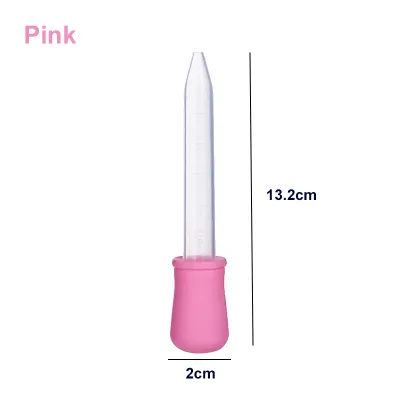
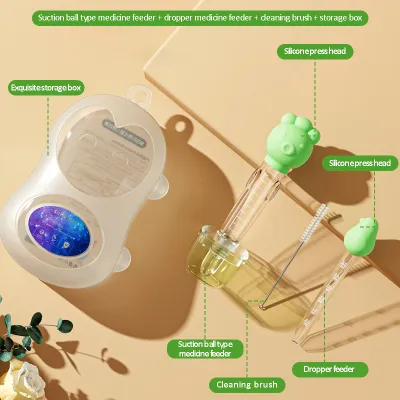
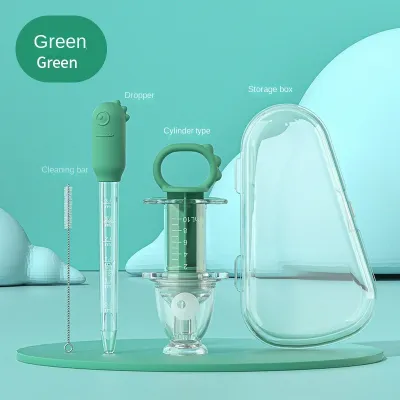
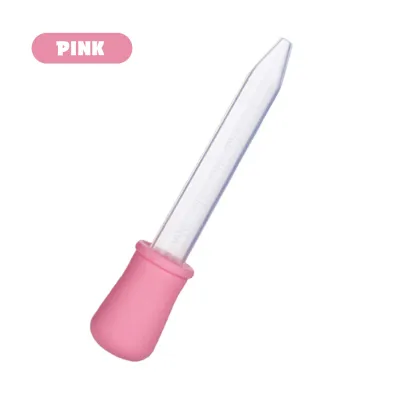
Prices are valid at publication and may change. Please refer to the product page for the latest price.
To pace this transition safely, look for clear developmental signs of readiness before introducing a starter cup. Your baby should be able to sit upright in a high chair with minimal support, hold their head steady, and show active interest in what family members are drinking. If your baby still has a strong tongue-thrust reflex—automatically pushing solid objects or spoons out of their mouth with their tongue—it is best to stick with assisted feeding methods like droppers until their swallowing coordination matures. Rushing the transition can lead to sputtering, choking, or a negative association with drinking, so it is always best to follow your baby’s unique developmental timeline.
Key Features to Look for in Baby Droppers
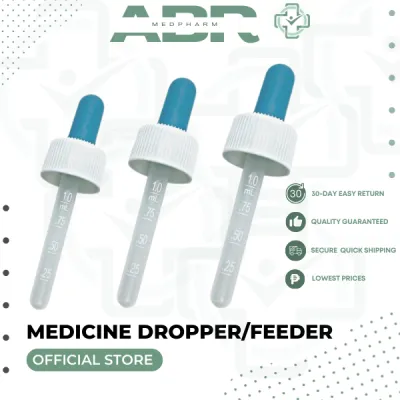
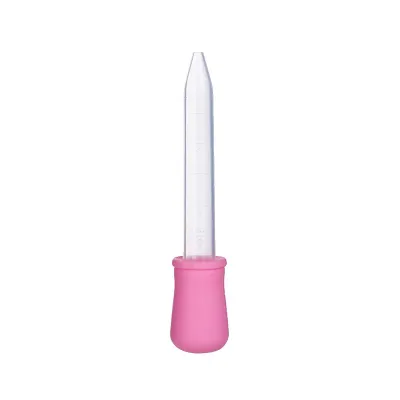
When evaluating droppers for baby, the mechanism of action is a primary consideration for ease of use and hygiene. Bulb-style droppers utilize a flexible silicone or rubber bulb to draw and release liquid, which is simple to operate but can be challenging to clean thoroughly inside the bulb cavity. Syringe-style droppers feature a sliding plunger that can be completely removed from the barrel, making them much easier to scrub, rinse, and dry completely. For daily weaning activities, syringe-style droppers often provide more consistent control over the flow rate, reducing the risk of accidental choking.

Clear, durable measurement markings are essential for tracking your baby’s liquid intake or administering precise doses of vitamins and supplements. Look for droppers with deeply embossed or molded measurements on the barrel rather than printed ink. In our humid climate, frequent washing and sterilization can cause printed markings to fade or rub off quickly, making it difficult to measure portions accurately over time. Having clear markings ensures you can confidently monitor exactly how many milliliters of liquid your baby is consuming during each feeding session.
The design of the dropper tip is critical for protecting your baby’s sensitive, developing gums. Opt for a dropper with a soft, flexible tip made of food-grade silicone rather than rigid plastic, which can cause discomfort or minor injury if your baby moves suddenly. Additionally, choose a tip that is short enough to prevent accidental gagging but shaped to deposit liquid safely toward the inside of your baby’s cheek. This placement allows them to swallow naturally without the liquid going straight down the back of their throat, ensuring a much safer and more comfortable experience.
Essential Criteria for Selecting Starter Cups
As your baby transitions to independent drinking, selecting the right spout type is key to supporting their oral development. Soft spout cups feature a flexible, nipple-like spout that feels familiar to babies accustomed to bottles, making them an easy first step. Straw cups are highly recommended by pediatric specialists because they encourage active lip sealing and tongue positioning, while open cups teach the ultimate mechanics of tipping and sipping under close supervision. Many parents find success by introducing a straw cup early on, as it promotes excellent oral muscle tone.
Handle ergonomics are vital for helping small hands grip and control the cup effectively. Look for starter cups equipped with large, textured, or non-slip handles that are easy for your baby to grasp. Removable handles offer excellent versatility, allowing you to adapt the cup as your baby’s hand-eye coordination improves and they transition to holding the cup body directly. Handles that are angled slightly downward can also help your baby guide the cup to their mouth without needing to tilt their head back excessively.
Valve mechanisms dictate how easily liquid flows from the cup and how well it resists spills. Spill-resistant valves are highly convenient for preventing messy cleanups on your floors, but they require your baby to suck hard to release the liquid, which can prolong bottle-like sucking habits. Free-flow designs allow liquid to flow naturally when the cup is tilted, teaching proper sipping mechanics, though they require more parental supervision to manage occasional spills. Balancing these two designs based on your baby’s progress is key to a successful transition.
Material and Safety Checks for Weaning Tableware
Safety should always be your top priority when choosing weaning tableware for your baby. Carefully check manufacturer labels and packaging to verify that all plastic components are certified BPA-free, phthalate-free, and non-toxic. Food-grade silicone is an excellent material choice for spouts, dropper tips, and cup bases because it is durable, flexible, and naturally resistant to bacterial growth. Ensuring that the materials used are certified safe gives you peace of mind during every meal.
Before purchasing any feeding tool, inspect it thoroughly for potential choking hazards. Ensure that all small parts, such as internal valves, straw weights, or decorative elements, are securely attached and cannot be easily pulled off or chewed loose by a teething baby. Check the seams of plastic cups to ensure they are smooth and robust, with no sharp edges that could scratch your baby’s lips or hands. Regular inspections of these items before each use help maintain a safe feeding environment.
In the Philippines, the warm and humid weather makes regular sterilization essential for preventing the growth of mold and bacteria. Verify the heat resistance limits of all cup and dropper components to ensure they are compatible with your preferred sterilization method, whether it is boiling water, steam sterilizers, or UV sterilizers. Some plastics can warp or release chemicals when exposed to extreme heat, so always follow the manufacturer’s specific care guidelines to maintain the structural integrity of your weaning gear.
Building Your Weaning Shortlist: What to Verify Before Buying
When finalizing your weaning shortlist, match the product’s capacity to your baby’s actual hydration needs. During the early stages of weaning, babies only require small amounts of water—typically between 60ml to 120ml per day. A smaller, lightweight cup is much easier for your baby to lift and manipulate independently, and it prevents water from sitting too long and warming up in the tropical heat. As your baby grows and their fluid intake increases, you can gradually transition to larger capacity cups.
Review the cleaning and maintenance instructions carefully to ensure the product fits your daily routine. Some starter cups feature complex multi-part designs, weighted straws, or intricate valves that require meticulous disassembly and specialized tiny brushes to clean. If you prefer a low-maintenance option, look for cups with fewer parts that are easy to wash by hand or are labeled as dishwasher-safe. Ensuring you can easily clean every nook and cranny is essential for preventing mold buildup in humid environments.
Finally, compare price points in ₱ across reputable online marketplaces and local baby boutiques to find a balance between budget and durability. Basic starter cups and droppers can start as low as ₱150, while premium, convertible cup systems can cost upwards of ₱800. Investing in a high-quality, durable product made from certified safe materials often proves more economical in the long run, as it will withstand daily use, drops, and frequent sterilization without needing early replacement.
Frequently Asked Questions (FAQ)
When should I transition from a dropper to a starter cup?
Most babies are ready to begin practicing with a starter cup around six months of age, which typically coincides with the introduction of solid foods. Look for key developmental milestones such as the ability to sit upright with minimal support, good head control, and the coordination to grasp objects and bring them to their mouth. If your baby shows curiosity when watching you drink, they are likely ready to try a cup, whereas droppers are best reserved for the very early days of tasting or administering liquids.
How do I properly clean and maintain silicone feeding tools?
To ensure proper hygiene, always disassemble all components of your baby’s dropper or cup immediately after each use. Wash every part thoroughly using warm water, a mild baby-safe dish soap, and small cleaning brushes to reach inside straws, valves, and dropper bulbs. In our humid climate, it is crucial to let all parts air-dry completely on a clean rack in a well-ventilated area before reassembling them to prevent mold and mildew growth. Regularly inspect silicone parts for micro-tears or stickiness, and replace them immediately if you notice any damage.

Community discussion
Share your experience or ask a question. Comments are reviewed before publication.