
Quick Answer: What Defines a Safe and Practical Nursery Set?
Setting up a nursery for your newborn is one of the most exciting milestones of early parenthood. In the Philippines, where tropical humidity and varying home layouts play a significant role in furniture selection, finding the right baby crib and changing table set requires balancing safety, space, and long-term utility. A safe and practical nursery set is defined by certified non-toxic materials, robust structural integrity, and adaptable features that grow with your child.
Whether you choose an integrated combo unit or separate coordinating pieces, verifying physical safety standards and measuring your space are the most critical first steps. Look for certified non-toxic finishes that resist peeling in high humidity, adjustable mattress bases, and secure barriers on changing surfaces. Prioritizing these elements ensures a secure sleeping and changing environment for your newborn while maximizing the value of your investment.
Essential Safety Standards and Verification Checks
When evaluating nursery furniture, safety must always take precedence over aesthetic appeal. Because safety standards and certifications can be dynamic, caregivers should independently verify that any crib or changing table complies with recognized international safety guidelines, such as those from the ASTM International or European standards (EN). Look for physical certification labels on the product packaging, the underside of the crib frame, or within the official instruction manual.
Products mentioned in this guide
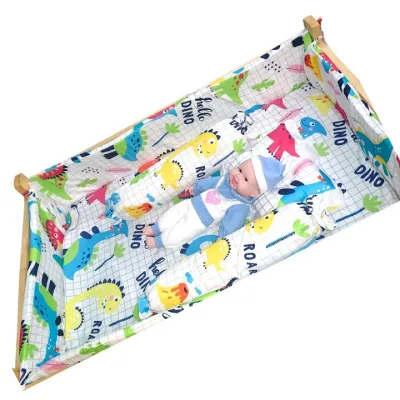

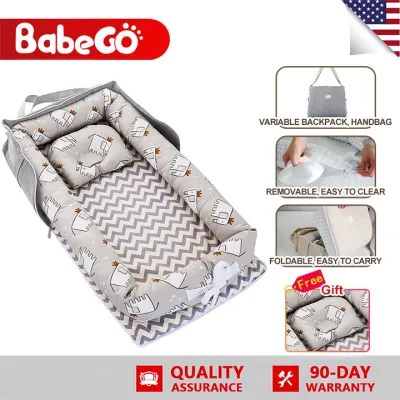
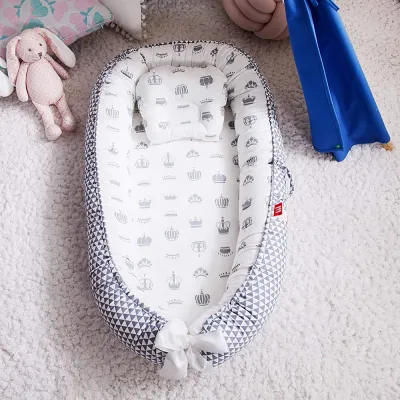
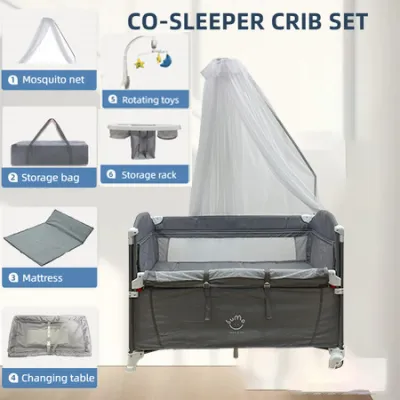

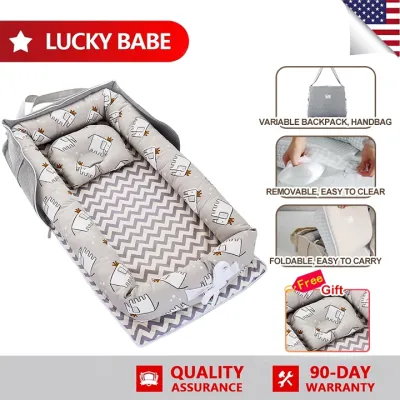
Prices are valid at publication and may change. Please refer to the product page for the latest price.

Physical inspection is crucial when setting up your baby’s sleeping environment. Start by measuring the spacing between the crib slats; they should be no more than 6 centimeters (about 2.38 inches) apart to prevent your baby’s head or limbs from becoming trapped. Ensure that all corner posts are virtually flush with the end panels (no higher than 1.5 millimeters) to prevent clothing or pacifier cords from catching. Additionally, check that all hardware, bolts, and brackets are tightly secured and do not have sharp edges or rough surfaces that could scratch sensitive skin.
It is highly recommended to avoid drop-side cribs, which feature a moving side rail. These designs have been widely phased out by safety regulators globally due to the risk of the sliding hardware malfunctioning, warping, or detaching, which can create dangerous gaps. If you are considering second-hand furniture, exercise extreme caution. Older models may have worn-out hardware, missing instruction manuals, or finishes containing lead paint. Always opt for modern, fixed-side crib designs where you can personally verify the structural integrity and history of the product.
Space Planning and Dimensions for Your Nursery
Before purchasing any furniture set, accurate space planning is essential to ensure a comfortable and functional nursery layout. Standard full-size cribs typically measure around 135 centimeters in length and 75 centimeters in width, while mini cribs offer a more compact footprint of approximately 100 centimeters by 60 centimeters. If you are opting for a combo unit—which integrates a changing table directly onto one end of the crib frame—the overall length can easily exceed 180 centimeters. Carefully map out your room’s dimensions using painter’s tape on the floor to visualize how the pieces will fit.
Clearance space is another vital factor that parents often overlook during the planning phase. You must allow at least 60 to 90 centimeters of open space around the crib and changing table. This clearance ensures you can stand comfortably during late-night diaper changes, open storage drawers or cabinet doors fully, and navigate the room safely in low light. In Philippine homes, where space can sometimes be limited in urban condominiums or shared family bedrooms, choosing a multi-functional convertible design can maximize floor space without sacrificing safety.
Environmental placement within the room also impacts your baby’s comfort and safety. Avoid placing the crib directly under or adjacent to air conditioning units, windows with direct sunlight, or near cords from window blinds and wall decorations. In tropical climates, ensuring adequate airflow around the crib is important to prevent overheating, but direct drafts should be avoided. Position the changing table in a well-lit area where you can easily access power outlets for baby monitors or nightlights, keeping all electrical cords securely out of reach.
Evaluating Crib Features for Newborn Comfort and Longevity
A high-quality crib should support your newborn’s development while offering features that extend its usability into toddlerhood. One of the most important features to look for is an adjustable mattress support base. Most standard cribs offer three to four height positions. For a newborn, the mattress should be set to the highest level, allowing you to lift and lay down your baby easily without straining your back. As your baby learns to sit up, crawl, and eventually stand, you must systematically lower the mattress to prevent them from climbing or falling out.
The mattress itself requires careful evaluation to ensure a safe sleep environment. Always perform the “two-finger test” once the mattress is placed inside the crib frame. If you can fit more than two fingers between the edge of the mattress and the crib sides, the mattress is too small, creating a dangerous entrapment hazard. The mattress must be exceptionally firm; soft sleeping surfaces increase the risk of suffocation. Look for water-resistant, breathable mattress covers that can withstand the humid Philippine climate and are easy to wipe clean.
If you want your investment to last beyond the first year, consider a convertible crib. These versatile models can transition from a newborn crib to a toddler bed, a daybed, and sometimes even a full-size headboard and footboard. When selecting a convertible model, verify exactly what hardware and conversion rails are included in the initial package. Many manufacturers sell the toddler guardrails and full-size conversion kits separately, so purchasing them upfront ensures you will have the matching parts when your child is ready for the transition.
Choosing the Right Changing Table Integration
Deciding between an attached changing table and a standalone unit depends largely on your storage needs and room layout. Attached changing tables, common in combo crib sets, are excellent space-savers because they utilize the existing structure of the crib. They often feature compact drawers or open shelving underneath the changing surface. Standalone changing tables, on the other hand, offer greater flexibility as they can be repositioned independently around the room and often provide more expansive storage configurations for diapers, wipes, and clothing.
Regardless of the style you choose, safety during diaper changes is paramount. The changing surface must feature raised guardrails on all sides—ideally at least 5 centimeters high—to prevent your baby from rolling off. Many units also include a safety strap to secure your baby gently during changes. However, a safety strap is never a substitute for active caregiver supervision; you must keep at least one hand on your baby at all times. Organize your changing station so that all essential supplies are within your arm’s reach but completely out of your baby’s grasp.
Be sure to check the manufacturer’s specified weight limits for the changing table surface. Most changing tables are designed to support infants up to approximately 11 to 15 kilograms, though this can vary by model. As your baby becomes more active, rolls over vigorously, or approaches the weight limit, it is time to transition to changing them on a secure pad placed on the floor or a safe, low surface. Understanding these limits beforehand helps you plan for the eventual transition of the furniture’s use.
Building Your Shortlist: Pre-Purchase Verification Steps
When you are ready to build your shortlist and compare options on online marketplaces or in physical baby boutiques, a systematic verification process will help you make an informed decision. Start by checking the manufacturer’s warranty terms, return policies, and the availability of replacement parts. Because nursery furniture is a long-term investment, knowing you can easily source replacement screws, brackets, or matching touch-up paint provides peace of mind.
Next, verify the exact contents of the furniture set. It is common for product images to display fully styled nurseries, but the actual purchase price may only cover the wooden frames. Read the product description carefully to confirm whether the crib mattress, changing pad, safety straps, or assembly tools are included, or if they must be added to your cart separately. Factor these additional items into your overall budget to avoid unexpected expenses.
Finally, spend time reading verified customer reviews, paying close attention to feedback regarding assembly difficulty, material durability, and the quality of the finish. In the Philippines, look for reviews that mention how the wood or composite material holds up against humidity and whether the paint or varnish has a strong chemical odor upon unboxing. If you are searching for a modern baby crib, cool baby furniture designs should always be backed by positive user experiences that highlight sturdy construction and straightforward assembly instructions.
Frequently Asked Questions (FAQ)
Can I use a regular mattress for a baby crib?
No, you should never use a regular or adult mattress in a baby crib. Infant sleep surfaces must be exceptionally firm to support developing bones and prevent suffocation hazards. Additionally, regular mattresses rarely match the precise dimensions required for crib safety, leaving dangerous gaps along the edges where a baby could become trapped. Always use a mattress specifically designed for cribs that passes the two-finger fit test.
When should I transition my baby out of the crib?
The transition out of a crib should be guided by your child’s physical milestones and behavior rather than a strict age limit. You should move your child to a toddler bed or floor bed when they reach a height of approximately 89 centimeters, or when the height of the crib’s side rail is less than three-quarters of their total height. Another critical sign is if your child attempts to climb out of the crib, which poses an immediate fall risk.
How do I clean and maintain the changing table surface?
To clean and maintain your changing table, always consult the manufacturer’s care label first to protect the wood or composite finish. Use a mild, baby-safe soap mixed with warm water and a soft cloth to wipe down the surface daily. Avoid harsh chemical disinfectants, bleach, or abrasive scrubbers, as these can strip the protective finish, degrade the material over time, and leave chemical residues that could irritate your newborn’s sensitive skin.

Community discussion
Share your experience or ask a question. Comments are reviewed before publication.