
Caring for an infant in the Philippines presents unique challenges, especially when it comes to maintaining hygiene. The tropical climate and high humidity create an environment where milk residue can quickly spoil, making thorough bottle cleaning a top priority. Automated appliances like the Baby Brezza Bottle Washer offer a convenient, time-saving solution to wash, sanitize, and dry bottles. However, before loading your baby bottles into the machine, it is crucial to understand which bottle materials are safe to use. Not all glass, plastic, or silicone bottles are built to withstand the high temperatures and water pressure of an automated washer. Using incompatible materials can lead to warped plastic, shattered glass, or degraded silicone, compromising both safety and appliance functionality. To ensure a safe cleaning process, parents must learn how to verify material compatibility, inspect bottles for wear, and select the correct cycles.
How to Verify Compatibility Before Washing
Before placing any bottle, collar, or nipple into your automated bottle washer, you must verify its compatibility by checking the manufacturer’s labels and user manuals. Most modern baby bottles feature symbols on the packaging or the bottom of the bottle itself indicating whether they are dishwasher-safe. Look for a symbol depicting plates or glasses sprayed with water, which typically signifies that the item can withstand automated washing. If a bottle is labeled “hand wash only,” it should never be placed in the machine, as the intense water pressure and heat can damage its structure.
In addition to checking the bottle’s packaging, you must cross-reference the Baby Brezza Bottle Washer user manual for its approved materials list. The appliance uses high-temperature water and steam to clean and sanitize, meaning the materials must be rated to handle these specific thermal conditions. Check the maximum temperature limit specified by your bottle’s manufacturer and compare it to the sanitizing temperature of the washer. If the bottle cannot tolerate temperatures reaching up to 100°C, you should avoid using the sanitize cycle for that specific item.
Products mentioned in this guide
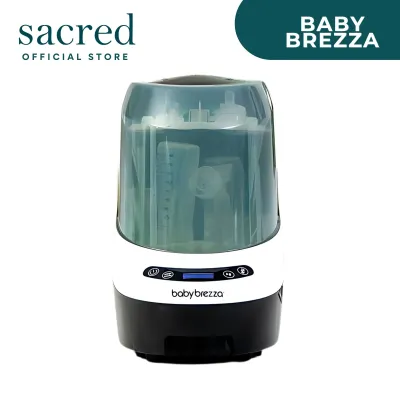
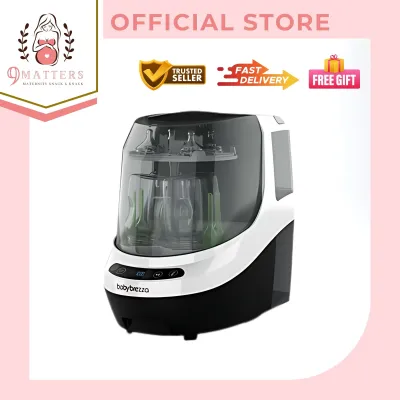
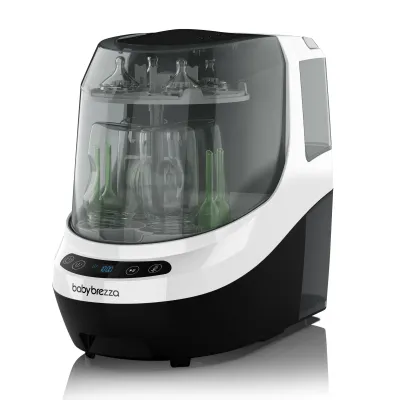
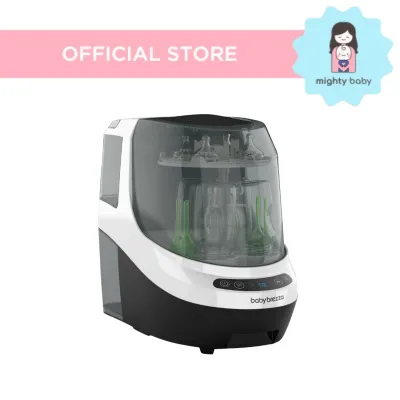
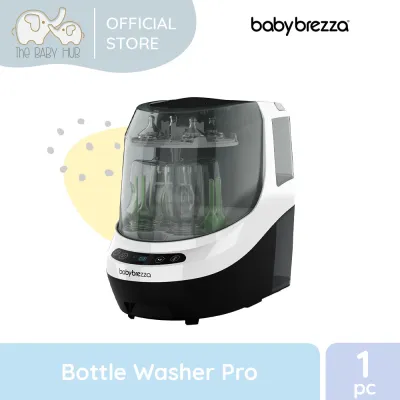
Prices are valid at publication and may change. Please refer to the product page for the latest price.
Material-Specific Checks for the Baby Brezza Bottle Washer
Different materials react uniquely to the mechanical forces and thermal changes inside an automated bottle washer. Because a single baby bottle is often an assembly of different materials—such as a glass or plastic body, a plastic collar, and a silicone nipple—you must evaluate each component individually. Understanding the physical properties of glass, plastic, and silicone will help you prevent damage and ensure a thorough clean.

Glass Bottles
Glass bottles are highly favored by many parents for their durability and resistance to scratching, but they require careful inspection before being placed in an automated washer. The primary concern with glass is thermal shock, which occurs when glass experiences a rapid change in temperature, causing it to crack or shatter. To minimize this risk, verify whether your glass bottles are made from borosilicate glass. Borosilicate glass is specifically engineered to withstand extreme temperature fluctuations, making it highly compatible with the hot wash and steam sanitize cycles of the babybreeza bottle washer.
Before loading glass bottles, conduct a thorough physical inspection. Hold each bottle up to the light and check for micro-cracks, chips, or deep scratches, especially around the rim and the base. Even a tiny, barely visible crack can expand rapidly under the high heat and pressure of a wash cycle, leading to a shattered bottle inside the machine. Additionally, check if the bottle manufacturer explicitly approves the use of automated washers, as some heavy glass bottles may not be suitable for the vibrations of a machine cycle.
Plastic Bottles
Plastic baby bottles are lightweight and shatterproof, but they are more susceptible to heat degradation than glass. To determine if your plastic bottles are safe for the washer, identify the specific type of plastic used. Common materials include Polypropylene (PP), Polyphenylsulfone (PPSU), and Polyethersulfone (PES). PPSU and PES are high-grade plastics with excellent heat tolerance, often exceeding 180°C, making them highly durable and safe for repeated sanitizing cycles. PP plastic is also common but has a lower heat tolerance, meaning it may degrade faster over time when subjected to high temperatures.
Always ensure your plastic bottles are clearly labeled as BPA-free and marked as dishwasher-safe. Over time, frequent exposure to high-heat wash and sanitize cycles can cause plastic to break down. Inspect your plastic bottles regularly for signs of wear, such as permanent cloudiness, warping, or fine scratches on the inner walls. In the humid climate of the Philippines, scratched plastic can easily trap moisture and microscopic milk residue, creating a breeding ground for bacteria. If a plastic bottle shows any of these signs of degradation, it should be replaced immediately.
Silicone Bottles and Components
Silicone is widely used for baby bottle nipples, anti-colic valves, and even entire bottle bodies due to its flexibility and soft texture. To ensure silicone components are safe for the automated washer, confirm that they are made from 100% food-grade silicone. High-quality food-grade silicone is naturally heat-resistant and can easily withstand the temperatures of a steam sanitizing cycle. However, low-grade silicone or imitation materials may warp, melt, or release chemical odors when exposed to high heat.
When washing silicone parts, proper placement is essential to prevent damage. Small silicone components, such as nipples, collars, and valves, must always be secured inside the machine’s designated small parts basket. If left loose, the powerful water jets can easily dislodge these lightweight items, causing them to fall to the bottom of the chamber. If a silicone part contacts the heating element, it will melt, ruining the component and potentially damaging the appliance’s heating system.
Regularly check the physical condition of all silicone parts before and after washing. Look for signs of material breakdown, such as stickiness, tearing, or a loss of elasticity. If a nipple feels tacky, has a cloudy appearance that does not wash away, or fails to snap back into shape when gently pulled, the silicone has degraded. Degraded silicone is highly susceptible to tearing and can pose a choking hazard, so these parts must be discarded and replaced.
Loading and Cycle Selection for Different Materials
Proper loading is just as important as material compatibility when using an automated bottle washer. To achieve optimal cleaning results and protect your bottles, always follow the loading diagrams provided in the Baby Brezza user manual. Bottles must be placed upside down over the water jets, ensuring that the spray can reach the entire interior surface. Make sure that no bottle is angled in a way that blocks the rotation of the spray arms or prevents water from draining freely.
When selecting a cycle, consider the heat tolerance of the materials you are washing. If you are washing a mixed load that includes standard PP plastic bottles with lower heat resistance, you may want to opt for a wash-only cycle or a cycle with a shorter drying time to minimize heat exposure. For highly durable materials like borosilicate glass or PPSU plastic, a full wash, sanitize, and dry cycle is ideal for achieving maximum hygiene. Always separate heavy glass bottles from delicate silicone nipples and thin plastic parts to prevent physical contact and friction during the wash cycle.
Operating the machine in a well-ventilated area is also highly beneficial, especially in the tropical humidity of the Philippines. High ambient humidity can prolong the drying process, so ensuring good airflow around the appliance helps the drying cycle perform efficiently. This prevents moisture from remaining inside the bottles, which is crucial for maintaining a sterile environment after the cycle completes.
When to Stop Using or Replace a Bottle
While an automated bottle washer is an incredibly convenient tool, the combination of high-heat water, steam, and rapid drying will naturally accelerate the wear and tear on your baby bottles. Parents must remain vigilant and recognize the visual and physical cues that indicate a bottle or component is no longer safe for use. For plastic bottles, permanent cloudiness, yellowing, or deep scratches mean the plastic is degrading and should be replaced. For glass bottles, any sign of crazing—a network of fine cracks on the surface—or minor chipping is an immediate signal to discard the bottle to prevent shattering.
Silicone nipples and seals are the most vulnerable components and typically require more frequent replacement than the bottle bodies themselves. If you notice that a nipple has become soft, sticky, or has an enlarged hole that allows milk to flow too quickly, stop using it immediately. Additionally, if any bottle or component develops a persistent sour odor or begins to leak after a cycle, it indicates that the material has lost its structural integrity. Regularly replacing worn-out components ensures that your baby’s feeding experience remains safe and hygienic.
Frequently Asked Questions (FAQ)
Can I wash baby bottle nipples and small parts in the Baby Brezza?
Yes, you can wash baby bottle nipples, collars, and other small parts in the Baby Brezza Bottle Washer, but they must always be placed in the designated small parts basket. Never place these items loose in the main chamber. The high-pressure water jets can easily blow lightweight silicone nipples and plastic valves out of position, causing them to fall to the bottom of the machine where they can block the drain or melt against the heating element.
Do I need to pre-rinse bottles before putting them in the Baby Brezza?
Yes, it is highly recommended to empty any leftover milk or formula and give your bottles a quick rinse with clean water before loading them into the babybreeza bottle washer. While the appliance features a powerful wash cycle, large amounts of dried milk residue can clog the machine’s filters and drain system over time. A quick pre-rinse helps maintain the efficiency of the washer, prevents unpleasant odors from developing in warm weather, and ensures the cleanest possible results for every cycle.

Community discussion
Share your experience or ask a question. Comments are reviewed before publication.