
Choosing the right baby bottle nipple is a fundamental decision for your infant’s comfort and developmental safety. Most bottle nipples on the market are made from either silicone or latex. Neither material is universally superior for every infant; instead, the safest option is the one that matches your baby’s developmental stage, lacks physical damage, and does not trigger allergic reactions. By understanding the physical properties of these materials and establishing a rigorous inspection routine, you can ensure a safe and comfortable feeding experience for your little one.
Understanding Common Baby Bottle Nipple Materials
Silicone is a synthetic polymer known for its durability, firm structure, and clear appearance. It is highly resistant to temperature fluctuations, making it compatible with various sterilization methods. Because silicone is non-porous, it does not retain odors or flavors from breast milk or infant formula. In warm, humid tropical climates like the Philippines, silicone remains highly stable and does not easily degrade when exposed to ambient heat or moisture.
Latex, on the other hand, is a natural rubber product characterized by its golden-brown color, extreme softness, and high flexibility. Many infants prefer latex because its texture closely mimics the natural feel of skin. However, latex is an organic material that degrades much faster than silicone. It is highly sensitive to sunlight, heat, and fats found in milk, which cause the material to soften, expand, and eventually become sticky over time.
Products mentioned in this guide
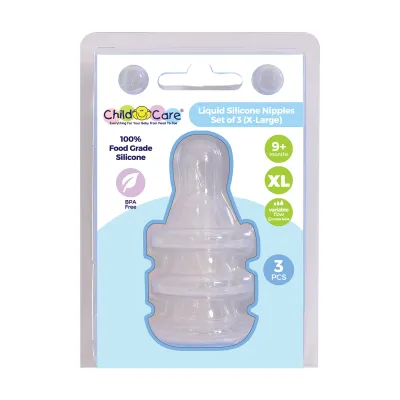
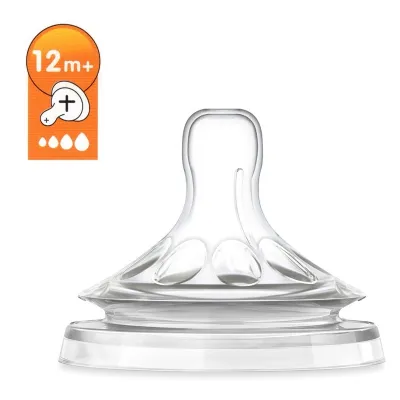
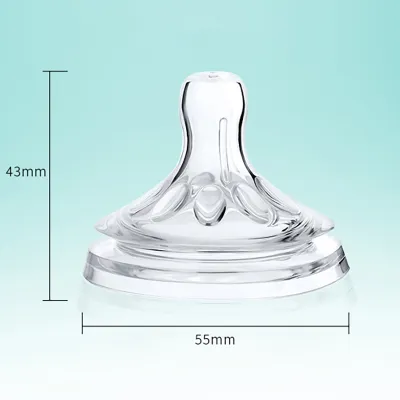
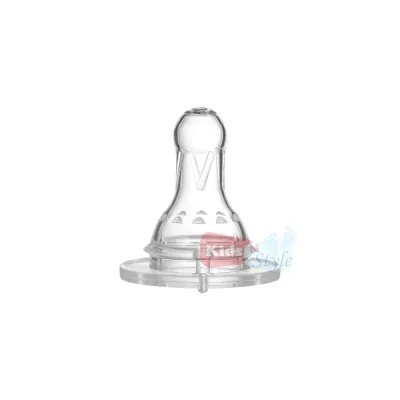
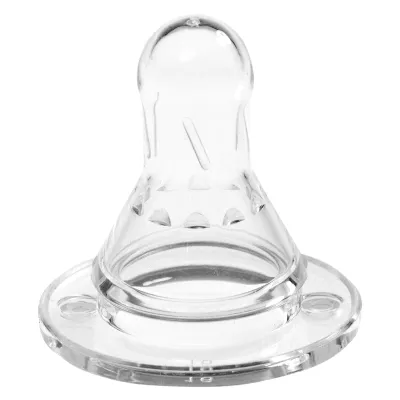
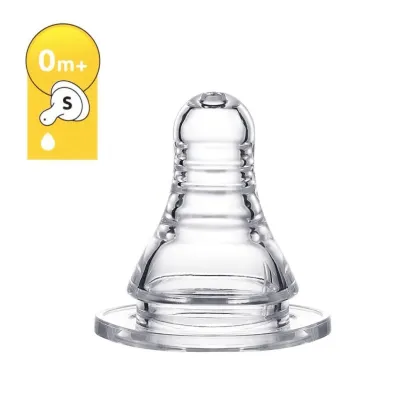
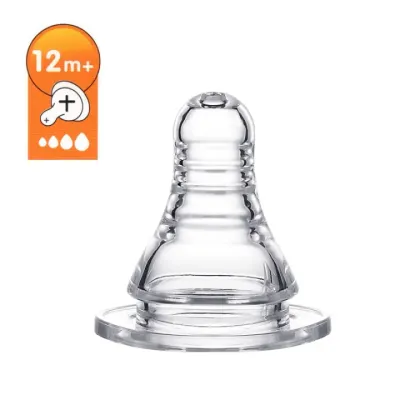
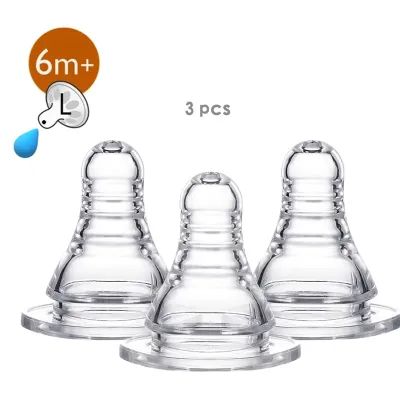
Prices are valid at publication and may change. Please refer to the product page for the latest price.
When purchasing a baby nipple for bottle use, always inspect the product packaging for material identifiers. Look for clear labels indicating whether the product is made of “100% Food-Grade Silicone” or “Natural Rubber Latex.” Reputable manufacturers print these details alongside safety standard codes on the back or bottom of the box. Verifying these marks ensures you are not buying counterfeit or substandard materials that lack proper quality control.
Evaluating Safety and Allergy Considerations
Latex allergies or sensitivities are a primary concern when selecting bottle nipples. Because latex is derived from rubber trees, it contains natural proteins that can trigger allergic reactions in sensitive infants. Parents should closely monitor their baby during and after feeding sessions for any signs of localized irritation.

Observable signs of latex sensitivity include redness, swelling, or a rash around the baby’s mouth where the nipple makes contact. If your baby exhibits these symptoms, or shows signs of unexplained fussiness and discomfort during bottle feeding, discontinue the use of latex immediately. Switching to a high-quality silicone nipple usually resolves these contact-related irritations, but you should consult a pediatrician if symptoms persist.
Chemical safety is another critical factor to verify on product packaging. Ensure the packaging explicitly states that the nipples are free from Bisphenol A (BPA), Bisphenol S (BPS), and phthalates. These chemical compounds are sometimes used in plastics processing but are strictly restricted in infant products due to potential health risks. Checking for these certified “free-from” labels is a reliable way to protect your baby from chemical exposure.
Physical degradation of the nipple material poses a direct choking hazard. Over time, both silicone and latex can develop micro-tears, structural weakness, or changes in texture. If a nipple feels sticky to the touch, shows noticeable discoloration, or has a stretched-out feeding hole, it has reached the end of its usable life. These are immediate signals to discard the nipple and replace it with a new one to prevent pieces from tearing off during feeding.
Matching Nipple Material to Your Baby's Feeding Stage
Your baby’s age, oral development, and feeding behavior should guide your choice of nipple material. As infants grow, their suction strength increases, and their physical interaction with the bottle nipple changes significantly.
Silicone is highly recommended for teething babies. Once an infant begins to sprout their first teeth, they will naturally bite and chew on the nipple during feeds. Silicone’s firm, resilient structure resists punctures and tears from sharp baby teeth much better than latex. This durability reduces the risk of the baby biting off a piece of the nipple and choking on it.
Latex is often favored for younger newborns who are still establishing their latch. The soft, pliable nature of natural rubber requires less jaw effort from a tiny infant, making the transition from breastfeeding to bottle-feeding smoother for some families. However, because newborns feed frequently, these soft latex nipples must be monitored daily for structural changes.
Planning material transitions is an ongoing process. If you start your newborn on latex nipples, consider gradually introducing silicone nipples as they approach the teething stage. This transition helps them adapt to the firmer texture before they develop the jaw strength to damage softer materials. Always match the flow rate of the nipple—whether slow, medium, or fast—to your baby’s developmental milestones rather than relying solely on age guidelines.
Cleaning, Sterilizing, and Maintenance by Material
Proper hygiene is essential to prevent bacterial growth, especially in warm and humid environments where mold thrives. However, cleaning and sterilization routines must be tailored to the specific material of the baby nipple for bottle feeding to prevent premature wear.
Always read the manufacturer’s instructions regarding temperature limits for sterilization. Silicone nipples can generally withstand high temperatures, making them suitable for boiling, electric steam sterilizers, and UV sterilizers. Latex, however, is highly vulnerable to heat and light. UV sterilization can rapidly break down the molecular structure of natural rubber, causing it to become brittle or sticky. Boiling latex for too long will also accelerate its degradation.
For daily cleaning, wash the nipples immediately after each feed using warm water, a mild dishwashing liquid formulated for baby products, and a soft nipple brush. Avoid using harsh chemical detergents, abrasive scrubs, or heavy-duty sanitizers, as these can strip the protective surface of both silicone and latex. Ensure the nipples are completely dry before storing them in a clean, airtight container to prevent mold.
Before every single feeding session, perform a quick physical inspection of the nipple. Gently pull the tip of the nipple in all directions to check for hidden tears or structural weakness. Turn the nipple inside out to inspect the valve and the feeding hole. If the hole has expanded or if the material fails to snap back into its original shape immediately, discard it.
Frequently Asked Questions (FAQ)
Can I mix silicone and latex nipples for the same baby?
Yes, you can alternate between silicone and latex nipples, but it may cause feeding challenges for some infants. Because silicone is firm and latex is highly flexible, the two materials offer completely different tactile experiences and flow dynamics. A baby accustomed to the soft, easy flow of a latex nipple might reject the firmer texture of silicone, or vice versa.
If you decide to mix materials, you must manage two separate care and replacement schedules. Latex nipples will degrade much faster than silicone ones, meaning you will need to replace them more frequently. Keep a close eye on how your baby latches to each type to ensure they are not swallowing excess air due to confusion between the different textures.
How often should I replace baby bottle nipples?
As a general guideline, silicone nipples should be replaced every two to three months, while latex nipples typically require replacement every four to six weeks. However, these timelines are secondary to physical inspections. You must replace any nipple immediately if you observe signs of wear, regardless of how long you have used it.
Perform a tactile check weekly. If the nipple feels sticky, soft, or thin, or if the milk pours out in a continuous stream instead of dripping steadily, the material has lost its structural integrity. In tropical climates, high humidity can shorten these lifespans, so regular physical checks are your best defense against feeding hazards. When budgeting around ₱150 to ₱300 for replacement packs, it is always wise to keep a spare set on hand.
Are there eco-friendly or alternative nipple materials available?
Parents looking for eco-friendly options often turn to natural rubber nipples, which are made from the sap of the Hevea brasiliensis tree. While standard latex nipples may contain synthetic additives, pure natural rubber products are biodegradable and free from petroleum-based chemicals.
When choosing natural rubber alternatives, verify that the product has passed international safety certifications and carries clear age-appropriateness labels. Keep in mind that natural rubber shares the same allergy risks and rapid degradation rates as standard latex. Ensure you store these eco-friendly options away from direct sunlight and heat sources to prolong their usability.

Community discussion
Share your experience or ask a question. Comments are reviewed before publication.