
Managing a mixed collection of baby bottles—combining traditional glass, premium polyphenylsulfone (PPSU), and standard polypropylene (PP)—requires a baby bottle dryer and sterilizer that offers precise temperature control and flexible cycle options. Because each material reacts differently to heat, moisture, and light, a single-temperature, one-size-fits-all approach can lead to warped plastics, degraded silicone nipples, or even fractured glass. Finding the right appliance for your household means balancing high-temperature sanitization with gentle, low-heat drying to preserve the structural integrity of your entire bottle inventory.
In the humid tropical climate of the Philippines, selecting a unit with an integrated drying function is particularly crucial. Leaving washed bottles to air-dry on an open countertop rack exposes them to high ambient humidity, airborne dust, and household pests, which can quickly compromise cleanliness. A combined sterilizer and dryer solves this problem by drying your baby gear within a sealed, filtered environment. To make an informed investment, you must understand how different bottle materials behave under various sterilization methods and what specific features to look for before purchasing.
Understanding Heat Limits for Glass, PPSU, and Plastic Bottles
Every bottle material in your cupboard has a distinct thermal threshold that dictates how it should be sterilized and dried. Glass bottles are highly favored for their chemical inertness and exceptional heat resistance, easily withstanding temperatures well above those produced by standard household sterilizers. However, glass is highly susceptible to thermal shock. Rapid temperature swings—such as transferring a cold glass bottle directly from the refrigerator into a hot steam sterilizer, or rinsing a freshly sterilized, hot bottle with cool tap water—can cause the material to develop micro-fractures or shatter instantly.
Products mentioned in this guide
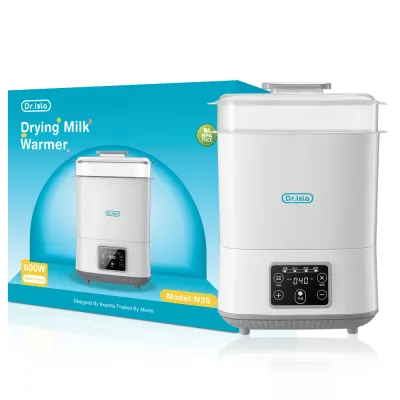
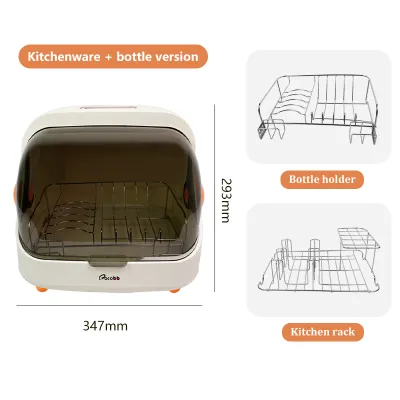
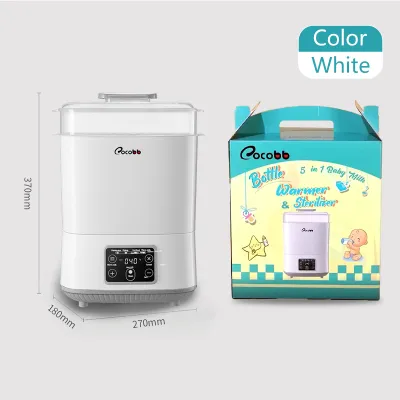
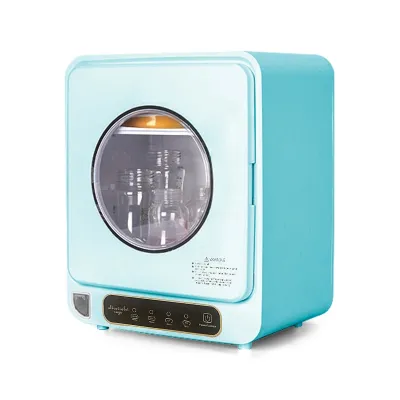
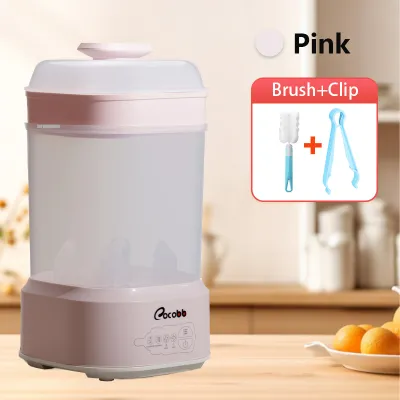
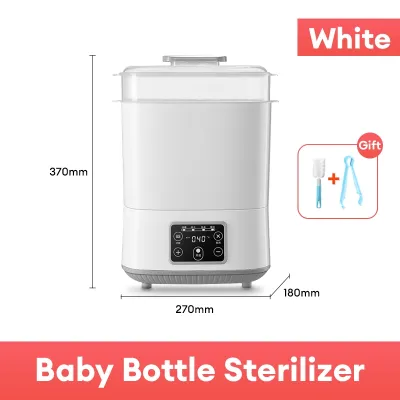
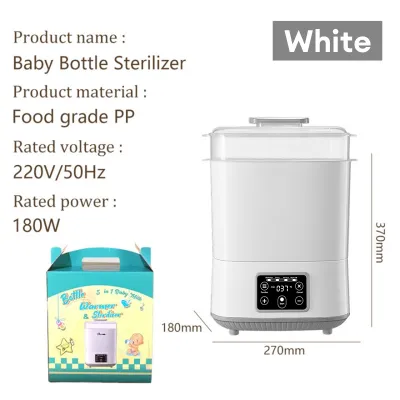
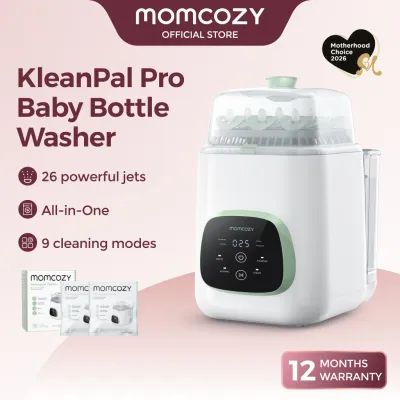
Prices are valid at publication and may change. Please refer to the product page for the latest price.
In contrast, PPSU is a medical-grade thermoplastic easily identified by its natural, honey-colored tint. It offers outstanding durability and a high heat tolerance, typically up to 180°C, making it highly resilient against repeated steam sterilization and high-heat drying cycles. PPSU does not easily degrade or absorb odors, making it an excellent long-term investment for busy households. Because it can withstand intense heat without losing its structural integrity, you rarely have to worry about PPSU bottles warping or releasing chemical byproducts during standard sterilization cycles.
Standard plastic bottles, primarily made of polypropylene (PP) or polyethersulfone (PES), require much gentler handling. PP bottles are usually semi-opaque or cloudy in appearance and have a significantly lower heat tolerance, often topping out between 110°C and 120°C. Exposing PP bottles to temperatures near or above their limit can cause the plastic to soften, warp, or develop micro-cracks. Over time, repeated heat stress weakens the polymer chains, which can accelerate the wear of the bottle and cause the collar threads to lose their grip, leading to frustrating leaks during feeds.
To protect your child and get the most out of your bottle investment, you must regularly inspect all plastic components for physical signs of degradation. Run your fingers along the inner and outer surfaces to check for a sticky or gummy texture, which indicates the polymer is breaking down. Look closely for severe warping, deep discoloration, or a spiderweb pattern of micro-cracks. If you observe any of these visual or tactile warning signs, the bottle must be retired immediately, as compromised plastics can harbor bacteria in microscopic crevices and are highly prone to structural failure.
Steam vs. UV-C: Choosing the Right Technology for Mixed Materials
Steam sterilization is the traditional household standard, utilizing high-temperature water vapor to eliminate pathogens quickly and effectively. Because steam is a gas, it easily penetrates every corner of the bottle, including the narrow neck, internal threads, and complex anti-colic venting systems. However, the constant exposure to high-heat moisture can take a toll on your bottle accessories. While glass and PPSU handle steam beautifully, standard PP plastics age much faster under these conditions, and silicone nipples can rapidly lose their elasticity, becoming sticky, discolored, or stretched out after only a few weeks of daily use.

UV-C sterilization offers a modern, low-heat alternative by using ultraviolet light to disrupt the DNA of bacteria, viruses, and molds. Because UV-C sterilizers operate at much lower temperatures, they are exceptionally gentle on heat-sensitive PP plastics and silicone components, significantly extending their usable lifespan. The primary limitation of UV-C technology is its reliance on direct line-of-sight. If the ultraviolet light cannot directly strike a surface—due to overlapping items, highly opaque bottle materials, or shadows cast by internal racks—that specific area will not be fully sterilized. Additionally, prolonged exposure to UV-C light can cause certain plastics to yellow over time, though this is often cosmetic rather than structural.
When evaluating these two technologies, the drying mechanism is just as important as the sterilization method. Steam sterilizers typically dry bottles by blowing heated air through a built-in fan, which requires a reliable heating element and a high-quality filter to ensure the air entering the chamber is clean. If the drying temperature is too high or poorly regulated, it can easily overheat sensitive PP bottles. UV-C sterilizers, on the other hand, generally utilize low-heat PTC (Positive Temperature Coefficient) heating systems or ambient fan drying. While these low-heat systems are incredibly safe for all plastic types, they may take longer to completely dry bottles in highly humid environments.
Ultimately, your choice between steam and UV-C should align with your bottle inventory and daily routine. If your collection consists primarily of glass and premium PPSU bottles, a high-quality steam sterilizer and dryer will provide rapid, deep sanitization without material concerns. If your inventory is dominated by standard PP bottles, delicate silicone breast pump parts, and heat-sensitive accessories, a UV-C cabinet offers a gentler, low-heat environment that preserves your gear. Many modern households using a diverse mix of materials find that a UV-C sterilizer provides the greatest peace of mind, provided they load the machine carefully to eliminate shadows.
Essential Features for Safe Mixed-Material Drying and Sterilization
To safely manage a diverse bottle collection, you should look for a combined dryer and sterilizer that offers independent cycle controls. Avoid basic machines that run a fixed, high-heat sterilization and drying sequence with a single button press. Instead, prioritize units that allow you to adjust the drying time or select dedicated low-heat drying modes. Having the ability to run a gentle, 50°C to 60°C drying cycle independently of the sterilization phase ensures that your standard plastic bottles are never subjected to unnecessary thermal stress.
Another critical design feature is the configuration of the interior racks. Glass bottles are substantially heavier than plastic ones and can easily tip over if placed on flimsy or poorly spaced pegs. Look for a machine featuring sturdy, modular, or adjustable racks made from high-grade stainless steel or thick, BPA-free plastic. The rack should have dedicated, secure slots that keep heavy glass bottles upright and stable, while simultaneously providing separate, elevated compartments or baskets for lightweight plastic collars, caps, and delicate silicone nipples.
Safety mechanisms are non-negotiable when operating an appliance that generates heat in a busy household. Ensure any unit you consider is equipped with an automatic shutoff feature, overheat protection, and a highly accurate digital thermostat. In steam models, an automatic shutoff prevents the heating plate from continuing to run once the water reservoir has completely evaporated, protecting the machine from overheating and preventing plastic bottles from melting. For UV-C models, a safety switch that instantly pauses the cycle and turns off the lamps when the door is opened is essential to prevent accidental skin or eye exposure to ultraviolet light.
Finally, pay close attention to the filtration system integrated into the dryer. Because the machine draws in ambient air from your home to dry the bottles, it must pass through a high-efficiency particulate air (HEPA) filter—ideally a HEPA H13 filter—to trap airborne dust, pollen, and mold spores. A high-quality filtration system ensures that the air circulating around your freshly sterilized, wet bottles is clean, preventing recontamination during the drying process. Check that the filter is easily accessible, as you will need to inspect and replace it periodically to maintain optimal airflow and drying efficiency.
How to Verify Machine and Bottle Compatibility Before Purchase
Before finalizing your purchase of a baby bottle dryer and sterilizer, you must perform a thorough compatibility check of your existing bottle inventory. Begin by locating and interpreting the manufacturer’s maximum heat tolerance labels on every single component you plan to process. This information is typically stamped directly onto the bottom of plastic bottles, molded into the rim of silicone nipples, or clearly detailed in the product’s original user manual. Do not assume that all parts of a single bottle share the same heat limit; often, the bottle body can withstand much higher temperatures than the decorative collar or the protective cap.
Next, download or view the digital user manual of the specific sterilizer and dryer model you are planning to buy. Carefully read through the approved materials list and pay close attention to any explicit exclusions. Some UV-C sterilizer manufacturers explicitly warn against sterilizing certain types of natural latex rubber, low-grade plastics, or specific liquid-filled teethers, as the UV light can cause rapid deterioration. Conversely, some steam sterilizer manuals will advise against placing highly heat-sensitive items on the lower rack closest to the heating plate, where temperatures are most intense.
Additionally, take note of any specialized components in your bottle setup, such as anti-colic silicone vents, specialized rubber seals, or painted measurement markers. High-heat steam can sometimes cause painted measurement lines on lower-quality bottles to fade, peel, or bleed over time, making accurate milk preparation difficult. Intense UV-C light can also accelerate the degradation of certain specialized colored plastics or printed designs. By cross-referencing your bottle manufacturer’s care instructions with the appliance’s operational guidelines, you can avoid costly damage and ensure your sterilization routine remains completely safe.
Daily Usage and Maintenance for Long-Lasting Bottle Care
To maintain the performance of your sterilizer and dryer while protecting your mixed-material bottles, proper loading techniques are essential. When loading a steam sterilizer, ensure that bottle openings face directly downward over the steam nozzles, and avoid overcrowding the racks. Blocking the central steam vents restricts airflow and prevents the hot vapor from circulating evenly, which can leave some bottles damp and unsterilized. In UV-C cabinets, arrange items with sufficient space between them so that the light can reach every surface; never stack nipples inside caps or place bottles horizontally where the interior cannot receive direct light exposure.
Routine maintenance of the appliance is equally vital, especially given the water conditions in many parts of the Philippines. Tap water often contains high levels of dissolved minerals, which quickly form a chalky, white scale deposit on the heating plates of steam sterilizers. This mineral buildup acts as an insulating barrier, reducing heating efficiency and potentially causing the machine to overheat or shut off prematurely. To prevent this, descale the heating plate weekly by pouring in a mixture of food-grade citric acid or white vinegar and warm water, allowing it to sit until the scale dissolves, and then rinsing it thoroughly with clean water.
For UV-C sterilizers, maintenance focuses on keeping the reflective stainless-steel interior surfaces clean and polished. Dust, fingerprints, and water spots can significantly reduce the reflectivity of the inner walls, diminishing the intensity of the UV-C light and compromising sterilization efficacy. Wipe the interior weekly with a soft, damp microfiber cloth, and avoid using abrasive cleaners that could scratch the reflective finish. Additionally, check the air intake filter on the back or bottom of your machine monthly, gently tapping out accumulated dust or replacing the filter as recommended by the manufacturer.
Finally, establish a daily habit of inspecting both your bottles and the machine for clear stop-use signals. If you detect a persistent burning plastic odor during a cycle, hear unusual grinding noises from the fan, or notice rust spots forming on the heating plate, disconnect the appliance immediately. Similarly, if you observe that your plastic bottles are consistently emerging from the dryer warped, or if the silicone nipples feel sticky and soft, re-evaluate your cycle settings. Taking prompt action when these warning signs appear protects your investment in baby gear and ensures your child’s feeding equipment remains perfectly clean and safe.
Frequently Asked Questions (FAQ)
Can I sterilize and dry silicone bottle parts in the same cycle?
Yes, you can safely sterilize and dry high-quality, food-grade silicone bottle parts, such as nipples and anti-colic valves, in the same cycle as your bottles. Silicone is highly heat-resistant and handles both steam and UV-C sterilization exceptionally well. However, because silicone is highly flexible and can deform if subjected to localized, intense heat, you should always place these small parts on the upper accessory rack of your machine, ensuring they are kept away from direct contact with the heating element or the hot metal walls of the sterilizer.
Why do my plastic bottles look cloudy after sterilization?
Cloudiness on plastic bottles after sterilization is most commonly caused by mineral deposits, often referred to as limescale, from hard tap water adhering to the plastic during the heating and drying process. This is a cosmetic issue that can usually be resolved by washing the bottles in warm water mixed with a small amount of white vinegar. However, if the cloudiness persists after a vinegar wash and the plastic feels rough or brittle, it may indicate heat-induced stress or micro-cracking within the polymer structure, signaling that the bottle has degraded and should be replaced.
Is a dedicated baby bottle dryer necessary if I already have a sterilizer?
While a basic sterilizer will eliminate pathogens, it often leaves bottles dripping wet at the end of the cycle. In the highly humid climate of the Philippines, leaving wet bottles to air-dry on an open countertop rack is highly inefficient and poses a significant hygiene risk, as damp environments encourage rapid bacterial regrowth and mold. A dedicated baby bottle dryer, or a combined sterilizer and dryer, ensures that your bottles are dried completely within a sealed, HEPA-filtered chamber, keeping them sterile and ready for immediate use without exposure to environmental contaminants.

Community discussion
Share your experience or ask a question. Comments are reviewed before publication.