
A newborn’s feeding equipment requires meticulous care, but the soap used to clean it is often overlooked. When selecting a bottle cleanser for baby, the primary goal is to find a formula that effectively removes stubborn breast milk or formula residues without leaving behind harmful chemical films. The safest cleansers utilize gentle, plant-derived surfactants, natural enzymes, and mild, food-grade preservatives. Conversely, parents should actively avoid harsh sulfates, endocrine-disrupting parabens, phthalates, synthetic dyes, and artificial fragrances. Understanding how to decipher ingredient lists ensures that your infant’s bottles remain free of invisible, toxic residues that could mix with their daily milk.
Why Ingredient Safety Matters for Baby Bottles
Infant health is closely tied to the cleanliness of their feeding gear, yet the chemicals left behind by the washing process itself pose a distinct and often underestimated risk. Babies possess developing immune and digestive systems that are highly sensitive to external environmental factors. Their gut barriers are still maturing, meaning that even minute amounts of synthetic chemicals can disrupt their delicate internal balance, potentially leading to digestive discomfort or allergic reactions. Because infants consume milk multiple times a day, any trace residue on their bottles results in chronic, low-level exposure to whatever cleaning agents were used.
Breast milk and infant formula are complex biological fluids rich in lipids, proteins, and carbohydrates. When these liquids come into contact with bottle walls, they leave behind a greasy, stubborn film that clings tightly to plastic, glass, and silicone surfaces. Removing this film requires a surfactant that can emulsify fats, but standard household dishwashing liquids are formulated with aggressive degreasers designed for heavy grease, baked-on food, and adult cookware. These conventional soaps often contain strong synthetic surfactants, artificial colorants, and heavy perfumes designed to mask food odors, none of which are formulated with infant safety in mind.
Products mentioned in this guide
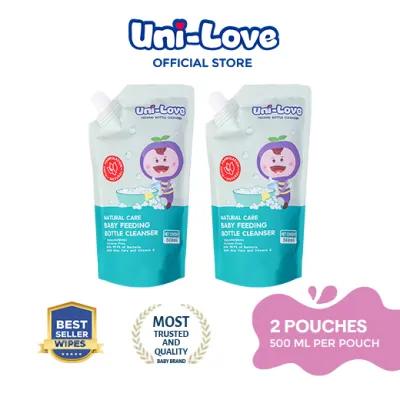
![[GREAT VALUE!!! Buy 3 Take 1] ichi Baby Feeding Bottle Cleanser Pack of 4 (500ml each) Nipple Cleanser Refill Non-toxic Solution food grade best baby dish soap pediatrician approved free shipping essentials](https://img.lazcdn.com/g/p/792c648665136592a92e12d2878fad35.jpg_400x400q80.jpg_.webp)
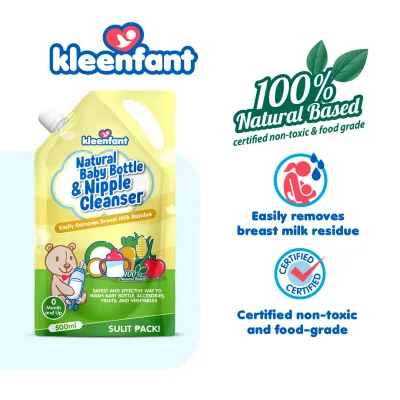
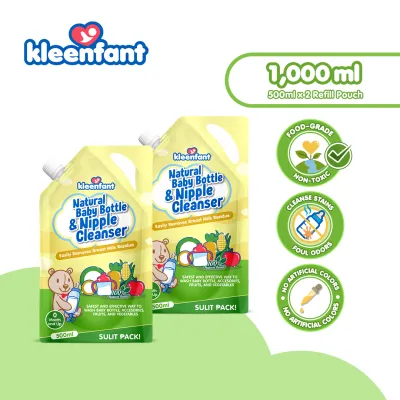
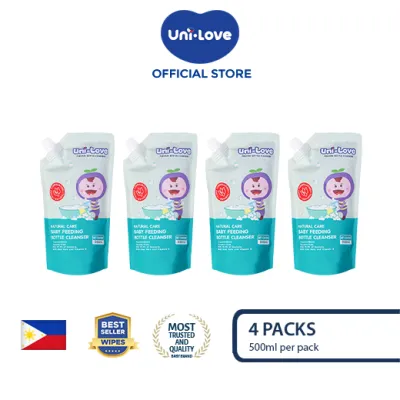
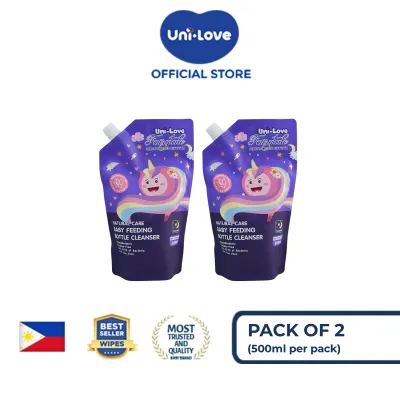
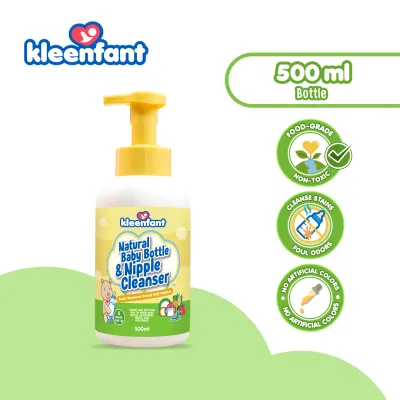
Prices are valid at publication and may change. Please refer to the product page for the latest price.
The primary issue with using standard dishwashing liquids on baby bottles is their tendency to leave behind a microscopic chemical film. Because silicone nipples and plastic bottles are relatively porous compared to ceramic or glass, they can absorb these harsh chemicals over time. When fresh, warm milk is poured into a bottle coated with this residue, the milk can loosen the chemicals, causing the infant to ingest trace amounts of surfactants, synthetic fragrances, or preservatives. Choosing a specialized, mild bottle cleanser for baby ensures that the formula is designed to rinse away completely, leaving no chemical barrier between the baby and their nutrition.
Safe and Effective Ingredients to Look For
Navigating the ingredient lists of baby products requires a clear understanding of what makes a cleaning agent both effective and safe for infant contact. The ideal bottle cleanser for baby must balance two competing demands: it must be powerful enough to dissolve stubborn milk fats and proteins, yet gentle enough that any microscopic trace left behind poses zero health risks. Safe ingredients are characterized by low toxicity, low skin and mucosal irritation potential, and high biodegradability, ensuring they break down quickly and rinse away cleanly under running water.

Rather than relying on harsh synthetic chemicals, high-quality baby bottle cleansers utilize plant-based alternatives and biological enzymes to achieve a deep clean. These ingredients are widely recognized in pediatric and dermatological guidelines as mild, making them suitable for items that come into direct contact with an infant’s mouth. By focusing on these gentle active agents, parents can maintain a high standard of hygiene without introducing unnecessary chemical hazards into their household.
Plant-Based Surfactants
Surfactants, or surface-active agents, are the core cleaning components of any soap, responsible for lowering the surface tension of water so it can bind with oils and wash them away. In a dedicated bottle cleanser for baby, these surfactants are typically derived from natural, plant-based sources such as coconut, corn, or palm kernel oil. The most common and safest varieties belong to a class known as alkyl polyglucosides (APGs), which include coco-glucoside, decyl glucoside, and lauryl glucoside.
These plant-derived surfactants are highly effective at emulsifying and lifting the complex fats found in breast milk and formula. Unlike synthetic alternatives, they do not leave a persistent chemical film on plastic or silicone surfaces, and they rinse away with minimal water. Furthermore, because they are exceptionally mild, they do not strip the natural oils from the caregiver’s hands, reducing the risk of contact dermatitis during frequent daily bottle-washing sessions.
Natural Enzymes
While surfactants are excellent at lifting oils, milk proteins can form a tough, sticky layer on the inside of bottles that is difficult to dissolve with simple soap alone. To combat this, premium bottle cleansers incorporate natural enzymes, specifically proteases and lipases, which act as biological catalysts. Proteases target and break down the complex protein chains in milk that cause cloudiness and stubborn residues, while lipases specifically target and dissolve milk lipids.
Using enzymes allows the cleanser to achieve a thorough clean without relying on aggressive scrubbing or harsh chemical stripping agents. However, because enzymes work through biological action, cleansers containing them often perform best when the bottles are allowed to soak in a diluted solution for a few minutes before brushing. Caregivers must ensure that the bottles are rinsed thoroughly under warm, running water afterward, which completely stops the enzymatic action and flushes away the digested milk particles.
Mild, Food-Grade Preservatives and pH Balancers
Any liquid cleaning product that contains water requires a preservative system to prevent the growth of bacteria, mold, and yeast. In the hot and highly humid tropical climate of the Philippines, liquid soaps stored in warm kitchens can quickly become a breeding ground for pathogens if they are not properly preserved. Therefore, the presence of preservatives is not a sign of a hazardous product, but rather a necessary safety measure to protect your infant from microbial contamination.
The key is to look for mild, food-grade preservatives that are widely recognized as safe for food-contact surfaces. Sodium benzoate and potassium sorbate are excellent examples of gentle preservatives that effectively inhibit microbial growth while remaining easy to rinse away completely. Additionally, natural pH adjusters like citric acid are commonly added to maintain a balanced, stable formula that is gentle on both the skin and the bottle materials, ensuring the cleanser remains stable throughout its shelf life.
Harmful Ingredients to Avoid in Bottle Cleansers
Just as important as knowing what to look for is knowing what to actively avoid when selecting a bottle cleanser for baby. Many conventional cleaning agents and even some products marketed for babies contain synthetic chemicals that can leave toxic residues, cause skin irritation, or pose long-term health risks. Because an infant’s organs and metabolic pathways are still developing, their bodies are far less capable of detoxifying and excreting absorbed synthetic chemicals than those of adults.
To protect your baby, it is essential to establish a strict checklist of ingredients to avoid when scanning product labels. By learning to identify these chemical groups, caregivers can make informed purchasing decisions that minimize chemical exposure in the nursery.
Sulfates and Harsh Synthetic Surfactants
Sodium Lauryl Sulfate (SLS) and Sodium Laureth Sulfate (SLES) are synthetic surfactants widely used in household cleaning products to generate a thick, satisfying lather. While a rich foam is often associated with cleanliness, it is actually a cosmetic effect that has little to do with actual sanitizing power. In the context of baby bottles, these sulfates are far too aggressive and pose significant rinsing challenges.
Sulfates can be incredibly difficult to rinse completely from porous materials, particularly silicone nipples and plastic bottles, which can absorb trace amounts of the chemical. If any residue remains, it can leach into the baby’s milk during the next feeding. Ingesting even trace amounts of SLS or SLES can cause gastrointestinal irritation, leading to unexplained fussiness, gas, or mild diarrhea in sensitive infants. Additionally, these harsh surfactants can cause severe skin irritation and dryness on the hands of the caregiver washing the bottles.
Parabens, Phthalates, and Formaldehyde Releasers
Parabens (such as methylparaben, propylparaben, and butylparaben) are synthetic preservatives designed to extend product shelf life, while phthalates are chemical plasticizers often used to stabilize synthetic fragrances. Both of these chemical families are classified as potential endocrine disruptors. Because an infant’s endocrine system regulates crucial developmental processes, exposure to hormone-mimicking chemicals during this sensitive window can have long-term health implications.
Formaldehyde-releasing preservatives, such as DMDM hydantoin, diazolidinyl urea, and imidazolidinyl urea, are another group of chemicals to avoid. These compounds slowly release trace amounts of formaldehyde over time to prevent bacterial growth, but formaldehyde is a known allergen and skin sensitizer that can trigger severe contact dermatitis in infants. While many brands display “paraben-free” or “phthalate-free” claims on the front label, caregivers should always verify these assertions by scanning the full ingredient list on the back.
Artificial Fragrances, Dyes, and Optical Brighteners
The inclusion of artificial fragrances, synthetic dyes, and optical brighteners in a bottle cleanser for baby serves absolutely no functional cleaning purpose and only introduces unnecessary chemical exposure. The term “fragrance” or “parfum” on an ingredient list is often a legal loophole that allows manufacturers to protect proprietary scent blends, meaning it can represent a mixture of dozens of undisclosed chemicals, including phthalates and volatile organic compounds. These hidden ingredients are a leading cause of allergic reactions, respiratory irritation, and skin sensitivities in infants.
Synthetic dyes are added solely to make the liquid soap look visually appealing on store shelves, but they can leave residues on bottle surfaces that have no place in a baby’s digestive tract. Similarly, optical brighteners are chemicals designed to absorb ultraviolet light and emit blue light, making materials look cleaner or whiter than they are. These chemicals do not wash away easily and are known environmental toxins that can irritate sensitive infant skin. When choosing a cleanser, it is critical to distinguish between “fragrance-free” (meaning no fragrance chemicals have been added) and “unscented” (which may contain masking fragrances to hide the chemical smell of other ingredients). Always opt for truly fragrance-free formulas.
How to Read Labels and Verify Product Claims
Navigating the baby care aisle can be incredibly confusing, particularly because the front of a bottle is often covered in appealing marketing claims like “all-natural,” “organic,” “hypoallergenic,” or “pediatrician-recommended.” In many regions, these terms are unregulated marketing buzzwords that do not guarantee a product is free from harsh chemicals or synthetic additives. To make an informed decision, caregivers must look past the front label and carefully examine the ingredient deck on the back of the bottle.
By law, ingredients must be listed in descending order of concentration, meaning the ingredients at the top of the list make up the majority of the product. The first few ingredients are typically water followed by the primary surfactants. When reading this list, look for specific, recognizable chemical or botanical names, such as “coco-glucoside” or “citric acid,” rather than vague, umbrella terms like “natural cleaning agents” or “plant-derived surfactants.” A lack of transparency in the ingredient list is often a red flag that a manufacturer may be hiding less desirable synthetic ingredients behind generic phrasing.
Additionally, while third-party certifications (such as eco-labels or dermatological test seals) can provide an extra layer of reassurance, it is important to verify what these certifications actually measure. For instance, a “dermatologically tested” label simply means the product was tested on human skin for irritation, but it does not guarantee that the ingredients are food-safe or free from endocrine disruptors. Taking the time to research the certifying body and cross-referencing the ingredient list remains the most reliable way to ensure the safety of a bottle cleanser for baby.
Best Practices for Washing and Rinsing to Prevent Residue
Even the safest, most naturally derived bottle cleanser for baby can leave behind a film if it is not used and rinsed correctly. To ensure that no soap residue is left behind to mix with your baby’s milk, proper washing techniques are essential. Always follow the manufacturer’s instructions regarding dilution; using too much concentrated cleanser does not make the bottles cleaner, but it does make the rinsing process significantly more difficult and increases the likelihood of soap buildup.
When washing feeding gear, pay close attention to the areas where milk fat and soap residue are most likely to pool. This includes the bottle threads, anti-colic valves, and the inner tips of silicone nipples. Use a dedicated bottle brush with soft bristles that won’t scratch plastic surfaces, as scratches can harbor bacteria, and a smaller nipple brush to clean tight crevices. Always rinse every component thoroughly under clean, running water rather than letting them sit in a basin of soapy water, ensuring the water runs completely clear and the surfaces no longer feel slippery.
In the humid, tropical climate of the Philippines, proper drying is just as critical as the washing process itself. High humidity levels create an ideal environment for mold and bacterial growth on damp surfaces, which can lead caregivers to rely more heavily on strong chemical sanitizers. To prevent this, place all washed and rinsed bottle parts on a dedicated drying rack in a well-ventilated area with good airflow. Allow the parts to air-dry completely before reassembling or storing them, ensuring that no moisture is trapped inside the bottles or nipples. If your baby shows any signs of skin irritation or digestive discomfort, stop using the product immediately and consult a pediatrician.
Frequently Asked Questions (FAQ)
Can I use regular dishwashing liquid for baby bottles?
Regular dishwashing liquid is not recommended for daily baby bottle cleaning. Standard dish soaps are formulated with harsh synthetic surfactants, strong artificial fragrances, and synthetic dyes designed to strip heavy grease from adult cookware. These chemicals are difficult to rinse off completely and can leave a microscopic residue on porous plastic and silicone nipples, which can then leach into your baby’s milk. A mild, fragrance-free, plant-based bottle cleanser for baby is a much safer alternative.
Do I need to sterilize bottles after washing them with a cleanser?
Yes, because washing and sterilizing serve two entirely different purposes. Washing with a bottle cleanser physically removes milk fats, proteins, and surface dirt, but it does not eliminate all pathogens. For newborns, infants under three months, or babies with compromised immune systems, sterilizing bottles via boiling, steam, or UV light is highly recommended after they have been thoroughly washed and rinsed.

Community discussion
Share your experience or ask a question. Comments are reviewed before publication.