
Selecting the ideal baby bottle for your newborn is one of the most important early decisions you will make as a parent. When looking at an Avent newborn bottle set, you will quickly find that the choice goes beyond nipple flow and bottle size; the material of the bottle itself plays a crucial role in daily usability, hygiene, and peace of mind. While all genuine Avent bottles are manufactured to meet strict safety standards and are designed to be BPA-free, each material—glass, polyphenylsulfone (PPSU), and silicone—presents distinct advantages and trade-offs depending on your household routine.
In the warm, humid tropical climate of the Philippines, where frequent sterilization is essential to prevent mold and bacterial growth, choosing the right material for your baby’s feeding set requires looking at how each material handles high heat, daily washing, and accidental drops. Whether you are preparing a nursery or packing a diaper bag for travel, understanding these material differences helps ensure a safe, comfortable, and efficient feeding experience for both you and your baby.
Understanding Glass, PPSU, and Silicone Bottle Materials
Glass has long been the traditional standard for baby bottles, valued primarily for its exceptional purity and longevity. High-quality glass bottles are typically made from borosilicate glass, which is engineered to withstand rapid temperature changes without cracking. This material is completely scratch-resistant, meaning its smooth surface does not degrade over time, preventing milk residue or bacteria from clinging to microscopic grooves. However, glass is inherently heavy and fragile, making it susceptible to breaking if dropped on hard surfaces.
Products mentioned in this guide
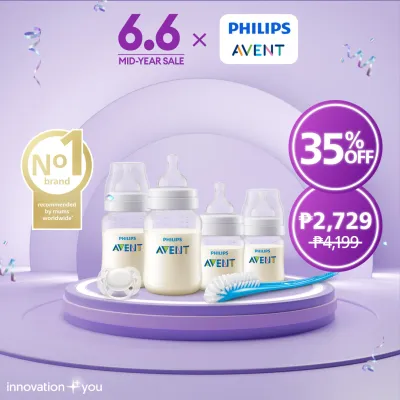
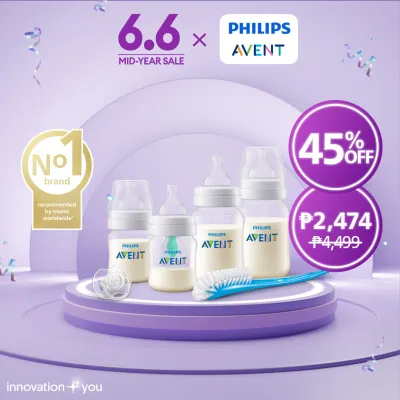
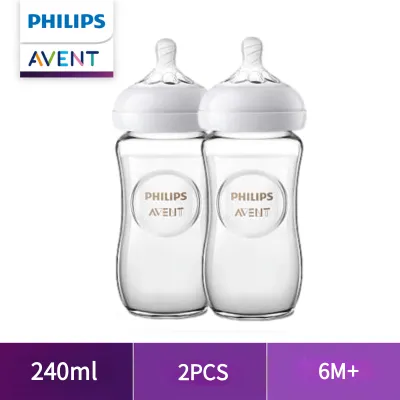
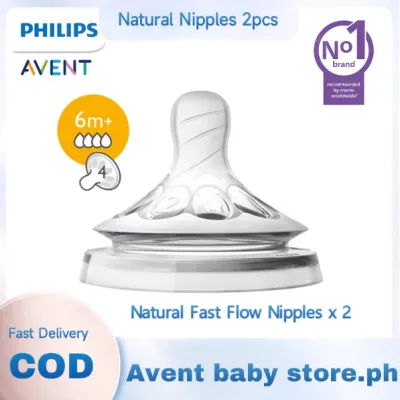
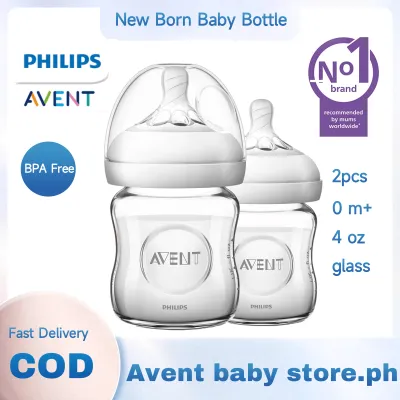
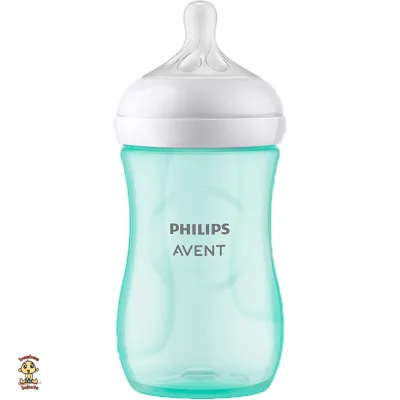
Prices are valid at publication and may change. Please refer to the product page for the latest price.
PPSU (Polyphenylsulfone) is a high-performance, medical-grade thermoplastic that has gained immense popularity in modern baby care. It is easily recognizable by its natural, warm honey-colored tint, which is a characteristic of the raw material rather than an added dye. PPSU combines the lightweight convenience of plastic with the extreme durability and heat resistance typically associated with glass. It is designed to withstand hundreds of high-heat sterilization cycles without warping, degrading, or releasing harmful chemicals, making it an excellent long-term investment.
Silicone is a soft, flexible, and rubber-like elastomer that offers a completely different tactile experience. Food-grade silicone is lightweight, highly impact-resistant, and virtually unbreakable, which provides great peace of mind during active daily use. Its pliable texture is often favored because it mimics the soft feel of natural skin, which can assist babies transitioning between breast and bottle. However, because silicone is slightly more porous than glass or PPSU, it has a natural tendency to absorb oils from breast milk or formula, as well as scents from dish soaps, requiring more specialized cleaning care over time.
Comparing Safety, Durability, and Daily Practicality
When evaluating chemical safety, parents can rest assured that authentic Avent bottles made from glass, PPSU, and silicone are designed to be completely free of BPA, BPS, and phthalates. However, chemical safety also depends on purchasing genuine products from authorized retailers or official online marketplaces to avoid counterfeit goods that may not meet these standards. Always inspect the product packaging for official manufacturing details, safety certifications, and clear material labels before introducing any new bottle to your newborn.

Physical safety and breakability present a stark contrast between these materials. Glass bottles pose a clear hazard if dropped, especially on the hard ceramic tile or polished concrete floors common in many Filipino homes. If a glass bottle chips, cracks, or shatters, it must be discarded immediately to prevent injury. PPSU and silicone, on the other hand, are virtually shatterproof and can easily survive accidental drops from high chairs or countertops. Regardless of the material you choose, close caregiver supervision is always required during feeding sessions to ensure the baby’s safety.
Durability and overall lifespan also vary significantly. Glass bottles do not scratch, cloud, or discolor, meaning they can theoretically last through multiple children if they are handled carefully and do not break. PPSU is highly scratch-resistant compared to standard plastics, but it can eventually develop fine scratches or a cloudy appearance after months of heavy use and scrubbing. Silicone is highly durable against physical impacts but can become cloudy, discolored, or slightly sticky over time due to exposure to UV light, heat, and milk fats, necessitating more frequent visual inspections.
From a practical standpoint, the weight and grip of the bottle affect your daily comfort. During the newborn stage, parents do almost all of the holding and feeding, often during late-night or early-morning hours when hand fatigue is common. A heavy glass bottle can feel cumbersome during long feeding sessions, whereas lightweight PPSU and silicone bottles are exceptionally easy to hold. Additionally, the soft, textured surface of silicone provides a natural, non-slip grip, while PPSU offers a smooth, lightweight body that slips easily into diaper bag pockets for travel.
Decision Framework: Which Material Fits Your Family?
To choose the right Avent newborn bottle set, consider your daily routine, your home environment, and your preferred sterilization methods. No single material is universally superior; instead, the best choice depends on which trade-offs align with your lifestyle.
Choose Glass if:
- You prioritize maximum scratch resistance and a material that will never absorb odors, stains, or colors.
- You primarily feed your baby in a controlled, carpeted, or cushioned environment where the risk of dropping a bottle onto a hard floor is minimal.
- You want a highly sustainable option that can be used long-term without degrading from repeated sterilization.
Choose PPSU if:
- You want a lightweight, travel-friendly bottle that can easily survive being tossed into a diaper bag or dropped on hard surfaces.
- You plan to sterilize your bottles frequently using high-heat steam, boiling water, or UV sterilizers, and need a material that will not warp or degrade under extreme temperatures.
- You prefer the rigid structure of a traditional bottle but want a safer, more durable alternative to standard clear plastics.
- You are willing to invest a bit more upfront for a premium, medical-grade material that offers a long usable lifespan.
Choose Silicone if:
- You want a soft, squeezable bottle that offers a comfortable, non-slip grip and a tactile feel that mimics natural feeding.
- You want a completely shatterproof option that is highly resilient to drops, tosses, and rough handling.
- You are prepared to perform diligent, thorough cleaning to prevent the buildup of milk oils and odors on the flexible material.
Verify First: Before purchasing any Avent newborn bottle set, always check the specific product packaging to verify the recommended age range, nipple flow rate, and compatibility with your existing sterilizer. Ensure that the nipple size matches your newborn’s developmental stage, and consult a pediatrician or lactation consultant if you notice your baby struggling with gas, colic, or latching issues during feeding.
Cleaning, Sterilization, and Maintenance Rules
Proper cleaning and sterilization are critical to maintaining the hygiene and structural integrity of your baby bottles, especially in warm, humid climates where bacteria can multiply rapidly. Always consult the manufacturer’s instructions for the specific temperature limits of each material. While glass and PPSU can withstand very high temperatures, some silicone components or plastic collars may have lower heat tolerances or may degrade faster under prolonged exposure to UV sterilizers or boiling water.
To prevent damaging your bottles, avoid using abrasive cleaning tools such as wire brushes, stiff plastic scrubbers, or harsh chemical detergents. For PPSU and silicone bottles, always use a soft sponge or a dedicated silicone bottle brush. Abrasive scrubbers can create microscopic scratches on plastic and silicone surfaces, which can harbor milk proteins, bacteria, and mold that are difficult to remove even with thorough washing.
Establish a routine of inspecting all bottle components before every single feed. Look for hairline cracks or chips in glass bottles, deep scratches or severe cloudiness in PPSU, and tears, stickiness, or discoloration in silicone nipples and bottles. If you detect any signs of physical damage, wear, or structural weakness, discard and replace the affected part immediately to ensure your baby’s safety.
Frequently Asked Questions (FAQ)
Can I mix different Avent bottle materials in the same sterilizer?
Yes, you can generally sterilize different Avent bottle materials together, but you must ensure that the sterilization cycle does not exceed the maximum temperature limit of the most heat-sensitive material in the batch. Always consult both your sterilizer’s user manual and the specific Avent bottle guidelines to verify compatibility, especially when mixing glass, PPSU, and silicone parts in steam or UV sterilizers.
Does PPSU plastic leach chemicals when heated?
Genuine PPSU is a medical-grade material engineered specifically to withstand high temperatures without degrading or leaching harmful chemicals. It is designed to be completely BPA-free and BPS-free. To ensure safety, always verify the authenticity of your bottles, check the packaging for safety certifications, and strictly follow the manufacturer’s instructions for heating and sterilization.
Why does my silicone bottle feel sticky after washing?
Silicone is a hydrophobic material, meaning it naturally repels water but attracts and retains organic oils and fats found in breast milk and formula. In warm, humid environments, this can result in a sticky residue if the bottle is not thoroughly degreased. To resolve this, check Avent’s official care instructions for approved, baby-safe degreasing methods, such as washing with a mild, oil-cutting baby dishwashing liquid and warm water.

Community discussion
Share your experience or ask a question. Comments are reviewed before publication.