
When preparing milk for your baby on the go, having a reliable, safe, and durable container is essential. The Philips Avent milk dispenser is primarily made from food-grade Polypropylene (PP) plastic, a material widely trusted in the manufacture of infant feeding accessories. This lightweight, shatter-resistant material ensures that your baby’s dry formula remains secure and uncontaminated during travel or daily outings.
Understanding the exact material composition of your baby gear is crucial for ensuring chemical safety and long-term durability. For parents navigating tropical climates with high temperatures and humidity, knowing how to clean, maintain, and inspect these plastic dispensers is key to preventing bacterial growth and material degradation. This guide provides a comprehensive breakdown of the Avent milk dispenser’s materials, safety standards, and practical care tips tailored to everyday use.
What Is the Avent Milk Dispenser Made Of?
The core body and inner compartments of the Philips Avent milk dispenser are manufactured using food-grade Polypropylene, commonly abbreviated as PP. Polypropylene is a thermoplastic polymer known for its excellent chemical resistance, high melting point, and robust physical durability. These characteristics make it an ideal choice for manufacturing baby products that undergo frequent washing, sterilization, and transport.
Products mentioned in this guide
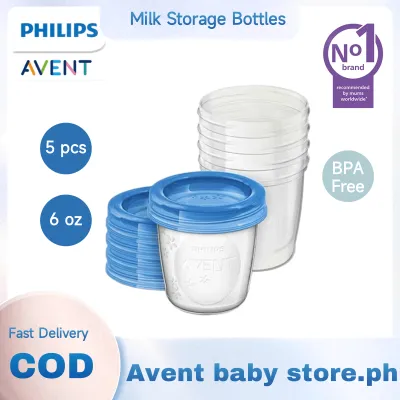
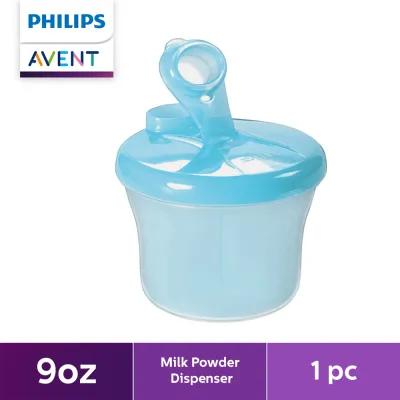
Prices are valid at publication and may change. Please refer to the product page for the latest price.
To verify the plastic type of your specific dispenser, you can look at the bottom of the container for the Resin Identification Code. This code is typically represented by a number molded inside a small recycling triangle. For Polypropylene, you will see the number 5 (often accompanied by the letters “PP” underneath). If your dispenser does not feature this molded mark, or if you are using an older model, you should consult the product’s original packaging or check the official manufacturer’s website to confirm the material specifications.
Manufacturers prefer Polypropylene for feeding accessories because it offers several distinct advantages over other plastics:
- Shatter Resistance: Unlike glass, PP will not crack or shatter when dropped on hard surfaces, such as the tiled floors common in many homes.
- Lightweight Design: It adds minimal weight to your diaper bag, making it highly portable for travel and quick trips.
- Thermal Stability: It can withstand the high temperatures required for standard sterilization methods without warping or releasing harmful chemicals.
While Polypropylene is highly stable, manufacturing specifications can change over time as product lines are updated or redesigned. Always check the manufacturer’s product documentation for the most current material declarations before purchasing.
Is the Avent Milk Dispenser BPA-Free and Safe for Formula?
One of the most critical questions parents ask when selecting plastic baby gear is whether the product contains Bisphenol A (BPA). Modern Philips Avent baby feeding products, including their formula dispensers, are manufactured to be completely BPA-free and BPS-free (Bisphenol S). This means they do not contain these synthetic chemical compounds, which were historically used to harden plastics but have since been restricted due to potential health risks.

BPA is an endocrine disruptor that can mimic the body’s hormones, potentially interfering with infant development and growth. Because dry formula powder is highly sensitive to environmental factors, storing it in a certified BPA-free container ensures that no harmful chemical residues leach into the powder, even during extended storage periods. This safety standard provides essential peace of mind for parents who rely on pre-measured formula portions for daily feeding.
In tropical climates, environmental heat plays a major role in plastic safety. While food-grade PP is highly stable under normal conditions, exposing the dispenser to extreme heat or direct sunlight can accelerate the aging process of the plastic. For example, leaving a plastic dispenser inside a parked car under the sun, or storing it on a sunny windowsill, can cause the polymer chains to weaken over time. This degradation can lead to micro-cracks, making the plastic brittle and more susceptible to harboring bacteria.
To guarantee the safety of your child, always check the product packaging for the explicit “BPA-Free” label. Additionally, due to the prevalence of counterfeit baby products on online marketplaces, it is vital to purchase your baby gear only from authorized physical retailers, official brand stores, or verified distributors. Counterfeit items often mimic the appearance of genuine Avent products but may use cheap, industrial-grade plastics that contain BPA, phthalates, or other hazardous chemical additives.
Durability and Daily Use: What to Expect
The Polypropylene construction of the Avent milk dispenser is designed to withstand the rigors of daily parenting, but like all plastic baby items, it has a finite lifespan. In daily use, you can expect the dispenser to survive accidental drops, bumps inside a crowded diaper bag, and hundreds of wash cycles. Unlike glass, which poses an immediate safety hazard if chipped, PP remains structurally intact even after significant impact.
However, physical wear will eventually occur, and parents must regularly inspect the dispenser for observable signs of degradation. It is time to replace the dispenser if you notice any of the following conditions:
- Deep Scratches: Over time, rough handling or incorrect cleaning tools can create deep scratches on the inner walls. These grooves are highly problematic because they can trap microscopic milk residue and harbor harmful bacteria that standard washing cannot reach.
- Cloudiness or Discoloration: If the plastic turns yellow, darkens, or loses its transparency, this indicates that the polymer has begun to break down from heat exposure, UV light, or chemical wear.
- Persistent Odor: A sour milk smell that remains even after thorough washing and sterilization is a clear sign that bacteria or spoiled milk fat has bonded with the plastic's surface.
Beyond the container itself, the moving parts require close attention. The rotating lid, inner divider walls, and snap-on seals are subject to mechanical wear. In high-humidity environments, any compromise in the airtight fit of the lid can allow moist air to enter the compartments. This moisture causes the dry formula powder to clump, spoil, or lose its nutritional integrity. Rather than relying on a fixed, arbitrary calendar timeline for replacement, use these physical indicators to decide when to retire and replace your baby’s dispenser.
How to Clean, Sterilize, and Maintain Your Dispenser
Proper maintenance is essential to preserve the structural integrity of the food-grade plastic and ensure absolute hygiene for your infant. Because baby formula is rich in proteins and fats, it can easily leave a stubborn film on plastic surfaces if not cleaned promptly and correctly.
Daily Cleaning Steps
Immediately after use, disassemble all parts of the dispenser, including the lid and the inner divider. Rinse them under running water to remove loose powder. Wash all components thoroughly in warm, soapy water using a mild dishwashing liquid formulated specifically for baby accessories. Always use a soft-bristled brush or a non-abrasive sponge. Avoid using standard kitchen scouring pads, steel wool, or stiff brushes, as these will scratch the soft PP surface and create breeding grounds for bacteria.
Sterilization Guidelines
While Polypropylene is heat-resistant, you must consult your specific product manual to verify the approved sterilization methods and maximum temperature thresholds. Most PP dispensers can safely undergo steam sterilization, boiling, or cold-water chemical sterilization. However, if you use a UV sterilizer, be aware that prolonged exposure to UV light can accelerate the discoloration and aging of certain plastics. Never guess the temperature of your sterilizer, and avoid placing the dispenser directly on the hot bottom of a pot when boiling, as direct contact with the heat source can melt the plastic.
Drying and Storage in Humid Climates
In high-humidity regions, drying baby gear is a critical step in preventing mold and mildew growth. After washing or sterilizing, place all components separately on a clean, elevated drying rack. Allow them to air-dry completely in a well-ventilated area before reassembling the dispenser. Storing the dispenser while it is still damp can trap moisture inside the sealed compartments, creating an ideal environment for mold to develop. Once fully dry, store the dispenser in a cool, dark cupboard away from direct sunlight and household heat sources.
What to Avoid
Never use harsh chemical cleaners, bleach, or abrasive detergents to clean your baby’s dispenser, as these can degrade the plastic and leave toxic residues. Do not place the dispenser in a microwave or conventional oven to dry or sterilize unless the manufacturer’s manual explicitly states that the specific model is microwave-safe. Improper heating can warp the seals, rendering the dispenser useless. If you ever notice a conflict between cleaning instructions and the physical condition of the item, stop using it and consult the manufacturer’s customer service.
Frequently Asked Questions (FAQ)
Can I put the Avent milk dispenser in the dishwasher?
Yes, most food-grade Polypropylene baby products are dishwasher-safe, but you must verify this on your specific product’s packaging. If permitted, always place the disassembled dispenser parts on the top rack only to keep them away from the heating element at the bottom. Be aware that the high-heat drying cycles of dishwashers can cause plastic to warp or degrade over time, so air-drying remains the safest option for extending the product’s lifespan.
Is it safe to store liquid milk in the Avent formula dispenser?
No, the Avent milk dispenser is strictly designed for dry powder formula. The rotating lids, inner dividers, and snap-on seals are engineered to keep dry powder separated and dry; they do not feature the liquid-tight gaskets required to prevent leaks. Storing breastmilk or prepared liquid formula in these compartments will result in spills and can lead to rapid bacterial contamination due to the lack of an airtight, liquid-proof seal.
How do I remove milk powder residue stuck in the corners?
To clean stubborn formula powder stuck in the tight corners of the divider, soak the disassembled parts in warm, soapy water for 10 to 15 minutes to loosen the residue. Afterward, use a soft-bristled baby bottle nipple brush or a clean cotton swab to gently clear the corners. Never use sharp objects, knives, or metal pins to scrape the corners, as these will permanently scratch or puncture the plastic, ruining the dispenser’s hygiene profile.

Community discussion
Share your experience or ask a question. Comments are reviewed before publication.