
Quick Answer: Which Avent Material Fits Your Daily Routine?
Selecting the right baby bottle is one of the most frequent decisions new parents face, and when choosing within the popular Philips Avent ecosystem, the debate often centers on glass versus plastic. Neither material is universally superior; instead, the ideal choice depends on your baby’s developmental stage, your daily routine, and where the feeding takes place. For families in the Philippines, managing daily feeding also means accounting for high tropical humidity, frequent sterilization cycles, and the logistics of on-the-go parenting.
Generally, glass bottles excel in home environments where durability, ease of sanitizing, and long-term material stability are the top priorities. They do not retain odors, resist scratching, and can last through multiple childhoods if handled carefully. On the other hand, plastic bottles—typically made from lightweight polypropylene (PP) or premium polyphenylsulfone (PPSU)—are the practical choice for travel, active daycare days, and older infants who are beginning to hold their own bottles. This guide provides an in-depth comparison of these two material categories to help you make an informed decision for your family’s daily feeding setup.
Safety and Material Composition: What You Need to Verify
When evaluating baby bottles, chemical safety and material composition are understandably the primary concerns for parents. The materials used in modern baby bottles behave differently under heat, wear, and long-term sterilization, making it essential to understand how each option performs.
Products mentioned in this guide
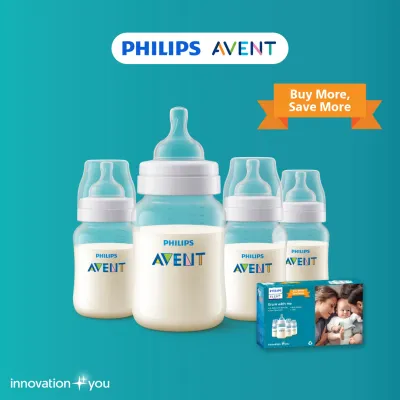
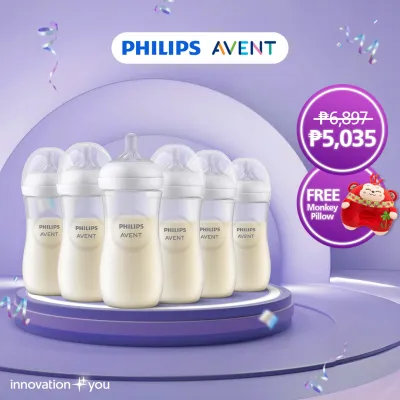
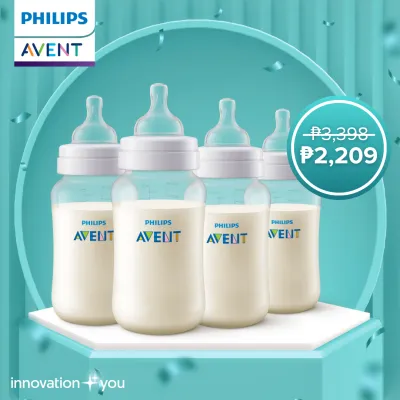
Prices are valid at publication and may change. Please refer to the product page for the latest price.

Glass Material Properties
Glass baby bottles, such as those in the Avent Natural glass range, are manufactured using borosilicate glass. This premium material is highly resistant to thermal shock, meaning it can transition from cold temperatures to hot water without cracking. From a chemical perspective, glass is naturally inert and non-porous. It does not contain bisphenol A (BPA), bisphenol S (BPS), phthalates, or other plasticizers. Because glass does not react with acidic liquids or hot breast milk, it offers a highly stable feeding surface that guarantees zero chemical leaching, regardless of how many times it is heated or sterilized.
Plastic Material Properties
Modern plastic baby bottles are strictly regulated, and reputable brands like Philips Avent manufacture their bottles using BPA-free materials. The most common plastic used is Polypropylene (PP), which is lightweight and slightly cloudy in appearance. Another high-performance option is Polyphenylsulfone (PPSU), a medical-grade plastic known for its distinct honey-colored tint and superior heat resistance. While these plastics are certified safe for food contact, parents must always verify the product packaging for explicit BPA-free and BPS-free labels. It is also wise to check the recycling code molded into the bottom of the bottle; polypropylene is typically marked with a number 5 inside the recycling triangle.
Microplastics and Thermal Degradation
In recent years, pediatric health discussions have highlighted the potential for plastic baby bottles to shed microplastics when subjected to high temperatures during preparation and sterilization. In the warm, humid climate of the Philippines, rigorous sterilization is vital to prevent the growth of harmful bacteria in milk residue. However, exposing plastic bottles to temperatures beyond their recommended limits can accelerate material degradation. To minimize this risk, caregivers should strictly follow the manufacturer’s maximum temperature guidelines. Avoid preparing formula with boiling water directly inside a plastic bottle; instead, let the water cool to the recommended temperature before mixing, or use a separate glass vessel for mixing before transferring the liquid.
Actionable Safety Verification
Before purchasing any bottle, inspect the packaging to confirm compliance with international safety standards. Look for clear indications of the plastic type (such as PP or PPSU) and check for any manufacturer warnings regarding specific sterilization methods. If you notice any warping, discoloration, or an unusual plastic odor after heating, discontinue use immediately and consult the manufacturer’s customer service or a qualified healthcare professional.
Durability and Lifespan: Scratches, Drops, and Replacement
The lifespan of a baby bottle depends heavily on how its material handles the physical demands of daily use, washing, and accidental drops. Both glass and plastic have distinct physical properties that dictate how long they can safely remain in your kitchen cabinet.
Glass Durability and Fragility
The primary advantage of borosilicate glass is its exceptional resistance to surface wear. Glass bottles do not scratch easily, even when scrubbed with stiff-bristled bottle brushes. This scratch resistance ensures that the interior surface remains perfectly smooth, preventing milk fats and bacteria from finding microscopic crevices to cling to. Additionally, glass does not turn cloudy or yellow after repeated sterilization cycles. However, the obvious trade-off is fragility. A glass bottle can shatter or chip if dropped on hard surfaces, such as the ceramic tile floors common in many Philippine homes. To mitigate this risk, many parents use custom-fit silicone sleeves. These sleeves provide a non-slip grip for soapy hands and absorb minor impacts, though they do not make the bottle entirely unbreakable.
Plastic Durability and Wear
Plastic bottles are highly valued for their shatterproof nature. They easily survive drops from high chairs, stroller tosses, and accidental tumbles onto concrete pavement, making them incredibly safe for active toddlers. Despite this impact resistance, plastic is a relatively soft material that is highly susceptible to micro-scratches. Over time, regular cleaning with standard bottle brushes can leave tiny, invisible scratches on the inner walls. These scratches gradually make the plastic look cloudy and can trap microscopic milk residue, leading to persistent odors and bacterial colonization.
Clear Replacement Guidelines
To maintain optimal hygiene, parents must establish clear inspection routines for both materials:
- For Plastic Bottles: Inspect the bottles under direct light every few weeks. Plan to replace polypropylene (PP) bottles every 3 to 6 months, or sooner if you observe deep scratches, persistent cloudiness, or a sour milk smell that does not wash away. Premium PPSU bottles generally last longer due to their higher hardness, but they should still be retired if they show signs of physical wear.
- For Glass Bottles: Glass bottles can theoretically last for years and be reused for subsequent siblings. However, you must inspect them daily for structural integrity. Run your finger along the rim and threads to check for tiny chips. If you detect any hairline cracks, deep external scratches, or chips, discard the bottle immediately to prevent the risk of glass fragments entering the milk or the bottle breaking during feeding.
Daily Practicality: Weight, Heating, and Cleaning
Beyond safety and durability, the practical mechanics of feeding your baby multiple times a day—and night—will shape your long-term satisfaction with a bottle material. Weight, heating efficiency, and cleaning effort are key factors in this daily experience.
Weight and Ergonomics
The physical weight of a bottle affects both the caregiver and the growing baby. A glass bottle is substantially heavier than its plastic counterpart. During a long, late-night feeding session, holding a heavy glass bottle can cause wrist fatigue for parents. Furthermore, as babies reach the age of 6 to 9 months, they begin developing the motor skills required to hold their own bottles. The heavy weight of glass makes self-feeding difficult and potentially hazardous, as a dropped glass bottle can cause injury to the baby’s face or chest. Plastic bottles are exceptionally lightweight, allowing infants to easily grasp, lift, and tilt the bottle independently, fostering their physical development under close adult supervision.
Heating and Thermal Conductivity
Warming breast milk or formula requires careful temperature control to preserve vital nutrients. Glass has excellent thermal properties; it absorbs and distributes heat evenly, reducing the risk of localized “hot spots” in the milk. However, because borosilicate glass is thick, it may take slightly longer to warm up in a bottle warmer compared to a thin-walled plastic bottle. Conversely, glass retains heat longer, keeping the milk warm if your baby is a slow feeder. Plastic bottles transfer heat quickly, allowing for rapid warming, but they also cool down faster. When heating plastic, caregivers must monitor the temperature of the warming water closely to ensure it does not exceed the plastic’s thermal limits, which can cause warping or accelerate material aging.
Cleaning and Hygiene in Humid Environments
In the tropical climate of the Philippines, high humidity levels create an environment where mold and bacteria can multiply rapidly on damp surfaces. Consequently, bottle hygiene requires extra diligence. Glass is remarkably easy to clean because its non-porous surface prevents milk proteins and fats from adhering strongly. A quick wash with warm, soapy water and a soft brush is usually sufficient to restore perfect clarity. Plastic bottles, however, tend to retain a greasy film from breast milk fats, often requiring specialized baby-safe liquid cleansers to cut through the residue. Furthermore, plastic can absorb odors from dish soaps or sour milk if not washed immediately. After washing, all bottle components must be dried thoroughly. In humid conditions, using a dedicated, elevated drying rack in a well-ventilated area is crucial to prevent moisture from pooling inside the bottles. Always consult the product manual to verify whether your specific bottle components, including silicone nipples, screw rings, and protective caps, are compatible with steam sterilizers, UV sterilizers, or dishwashers.
Side-by-Side Comparison: Glass vs. Plastic Bottles
To help you synthesize these differences, the table below outlines the primary performance characteristics of glass and plastic baby bottles.
| Feature | Glass Bottles | Plastic Bottles |
|---|---|---|
| Weight | Heavy; can cause hand fatigue | Extremely lightweight; easy to hold |
| Drop Resistance | Fragile; prone to chipping or shattering | Highly shatterproof; impact-resistant |
| Scratch Resistance | High; resists brush scratches and clouding | Low; prone to micro-scratches |
| Heat Tolerance | Excellent; handles high sterilization heat | Moderate to high; check material limits |
| Cleaning Ease | Very easy; does not retain grease or odors | Moderate; can retain oily residue and smells |
| Best Use Case | At-home feeding, newborns, long-term reuse | Travel, daycare, self-feeding older babies |
Note: Individual product specifications, including maximum temperature limits and exact weights, vary by model and material type (such as PP versus PPSU). Always verify the specific guidelines printed on your product’s packaging before sterilizing or heating.
Decision Guide: Which Material Should You Buy?
Choosing between glass and plastic does not have to be an all-or-nothing decision. Many families find that a hybrid approach—using different materials for different scenarios—offers the most practical solution. Use the following framework to guide your purchasing decisions.
When to Choose Glass
Consider investing in glass bottles if your feeding routine is centered primarily around the home. Glass is ideal for the newborn stage when parents do all the holding and feeding, and when maximum chemical purity is a top priority. If you want a sustainable feeding system that will last through multiple children without needing frequent bottle body replacements, glass is the superior long-term investment. It is also the best choice for parents who find themselves frustrated by the cloudy appearance and persistent odors that can plague older plastic bottles.
When to Choose Plastic
Opt for plastic bottles if your lifestyle involves frequent travel, outdoor errands, or commuting. If your baby attends a daycare facility, plastic is often required by administrators to eliminate the safety hazard of broken glass in play areas. Additionally, once your baby reaches the milestone of wanting to hold their own bottle, switching to lightweight plastic (such as Avent’s PP or PPSU options) supports their independence and hand-eye coordination without the risk of heavy drops.
Verification and Compatibility Steps
Before finalizing your purchase, consider your existing kitchen appliances. If you own an electric steam sterilizer, a UV sterilizer, or a specific brand of bottle warmer, check the manufacturer’s manual to ensure compatibility with both borosilicate glass and the specific type of plastic you plan to buy. For instance, some UV sterilizers can accelerate the yellowing and degradation of polypropylene (PP) plastic over time, whereas glass remains unaffected. Furthermore, ensure that the silicone nipples and collar rings are rated for the same sterilization methods as the bottle bodies to maintain a leak-free seal and protect your product warranties.
Frequently Asked Questions (FAQ)
Can I mix glass and plastic bottles from the same brand?
Yes, in many cases, major baby brands design their product ecosystems with interchangeability in mind. Within the Philips Avent range, for example, the nipples, screw rings, and caps from the Natural series are typically compatible with both the Natural glass and Natural plastic bottle bodies of corresponding sizes. However, you should always verify this cross-compatibility on the specific product packaging or the manufacturer’s official website before mixing components, as mixing parts from different product lines (such as Classic+ and Natural) can lead to leaks or improper milk flow.
How do I prevent glass bottles from breaking in the sterilizer?
To prevent glass bottles from cracking or shattering during sterilization, you must protect them from thermal shock and physical stress. Avoid placing a cold glass bottle directly into a pre-heated steam sterilizer, and never rinse a hot bottle with cold water immediately after a cycle finishes; allow the glass to cool down naturally. When loading your sterilizer, ensure the bottles are spaced properly and do not knock against each other or the heating element, as the vibrations during boiling can cause stress fractures in poorly positioned glassware.
Do plastic bottles need to be replaced more often than glass?
Yes, plastic baby bottles generally have a significantly shorter usable lifespan than glass bottles. While glass bottles can last indefinitely as long as they remain free of chips, cracks, or deep scratches, plastic bottles are prone to physical degradation. Over time, repeated washing, brush scrubbing, and high-heat sterilization cause plastic to develop micro-scratches, turn cloudy, and retain stubborn milk odors. To maintain high hygiene standards, it is recommended to replace standard polypropylene (PP) plastic bottles every 3 to 6 months, whereas premium PPSU bottles may last slightly longer depending on wear.

Community discussion
Share your experience or ask a question. Comments are reviewed before publication.