
Choosing the right baby bottle material is one of the most practical decisions you will make as a parent, directly affecting your daily sterilization routine, budget, and peace of mind. Avent offers feeding bottles in three primary materials: classic borosilicate glass, premium polyphenylsulfone (PPSU), and lightweight polypropylene (PP). Each material serves a distinct purpose, balancing weight, durability, heat tolerance, and longevity to match different stages of your baby’s development. By understanding how these materials perform under tropical humidity, frequent sterilization, and daily wear, you can select the safest and most convenient option for your family’s lifestyle.
Key Differences Between Glass, PPSU, and Polypropylene
To make an informed choice, it helps to understand what these three materials actually are and how they differ in daily use. Glass bottles are made from high-quality borosilicate glass, which is highly resistant to thermal shock and completely scratch-resistant. This means they can transition from cold storage to hot water baths without cracking. PPSU is a medical-grade, high-performance thermoplastic known for its distinct honey-colored tint, offering the durability of plastic with heat resistance that rivals glass. Polypropylene, often labeled as PP, is a semi-cloudy, highly flexible, and lightweight plastic that serves as the standard material for many everyday baby bottles.
The primary trade-offs between these materials center on weight versus durability, and clarity versus scratch resistance. Glass is heavy and fragile but maintains crystal-clear clarity and does not degrade over time. PPSU is incredibly durable and lightweight, resisting scratches and high temperatures far better than standard plastics, though it comes at a higher price point. Polypropylene is the most lightweight and budget-friendly option, but it is softer, making it more prone to micro-scratches and cloudiness over months of frequent scrubbing.
Products mentioned in this guide
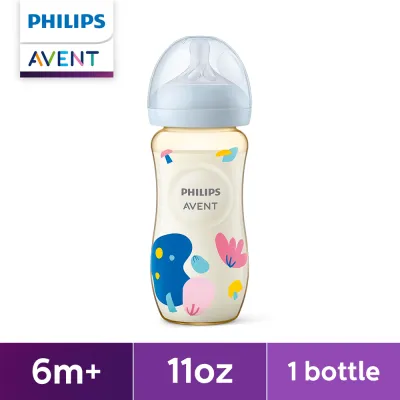
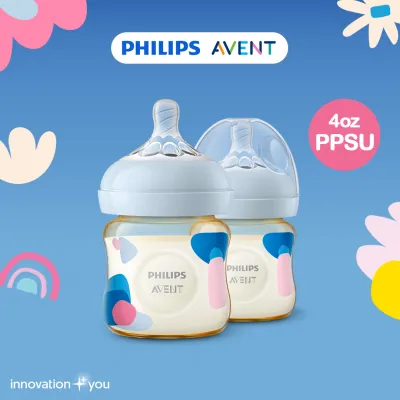
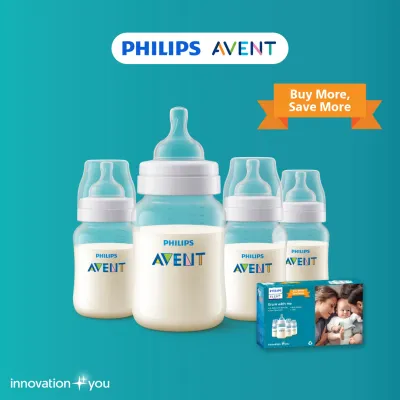
![Philips AVENT [Online Exclusive] 4oz Anti-colic Baby Bottle](https://img.lazcdn.com/g/p/9fbd617c8e226dbbaa247c21d0b9c0b8.jpg_400x400q80.jpg_.webp)
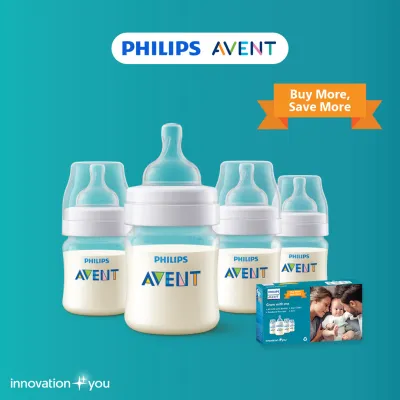
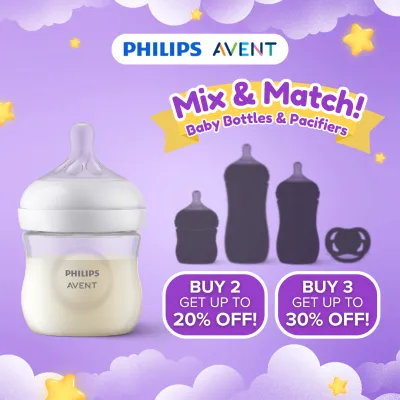
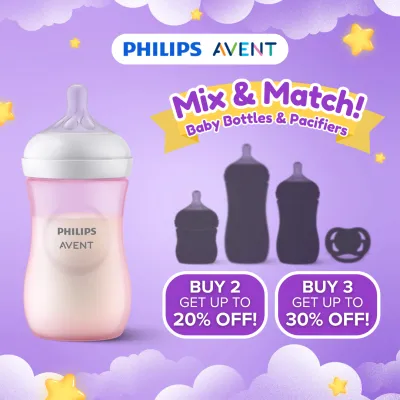
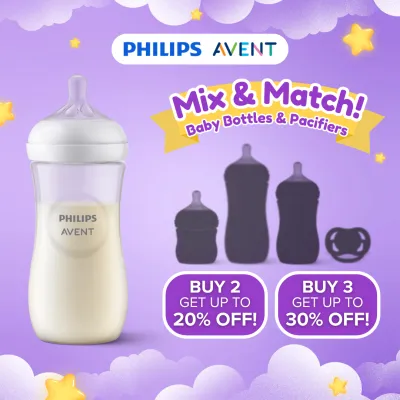
Prices are valid at publication and may change. Please refer to the product page for the latest price.
When evaluating safety, always verify the product packaging for certified BPA-free and BPS-free labels. While reputable manufacturers design modern baby bottles to meet strict safety standards, checking the specific product documentation ensures that no harmful chemical additives are present in the plastic or glass composition. This verification is especially important when purchasing bottles online, where product specifications should be cross-referenced with official manufacturer guidelines.
Comparing Safety, Durability, and Heat Resistance
Evaluating safety and chemical stability requires looking at how each material behaves during high-heat sterilization. Glass is naturally inert, meaning it does not react with milk or cleaning agents and poses zero risk of chemical leaching even at extreme temperatures. PPSU offers exceptional chemical stability, maintaining its structural integrity and resisting degradation during repeated sterilization cycles. Polypropylene is also chemically stable for daily feeding, but its lower heat tolerance means you must carefully monitor sterilization temperatures to prevent premature wear.

Durability and breakage risks vary significantly between glass and plastics, especially as your baby grows. Glass bottles are susceptible to chipping, cracking, or shattering if dropped on hard surfaces like tile floors, which are common in many homes. To mitigate this risk, caregivers often use protective silicone sleeves and must maintain strict adult supervision during feeding. In contrast, both PPSU and PP are completely shatterproof, making them much safer options when babies begin holding their own bottles or during travel.
Heat resistance directly dictates how you can sterilize your bottles. You should always consult the manufacturer’s manual to verify the maximum safe sterilization temperatures for your specific bottle model, whether you use boiling water, steam sterilizers, or UV sterilizers. PPSU generally tolerates significantly higher temperatures than PP, making it highly compatible with intensive steam and boiling routines. PP has a lower thermal threshold, meaning prolonged exposure to extreme heat can cause the material to warp or degrade faster.
Wear and tear manifest differently across these materials over time. Glass bottles do not retain odors, discolor, or scratch, meaning they can theoretically last through multiple children if they remain free of chips. PPSU resists staining and scratching remarkably well for a plastic, though it may eventually show minor wear after hundreds of uses. PP bottles are the most vulnerable to physical wear; they easily develop micro-scratches from bottle brushes, absorb odors from milk residues, and turn cloudy over time, indicating that they require more frequent replacement.
Matching the Material to Your Baby's Age and Your Lifestyle
Selecting the right bottle material depends heavily on your baby’s developmental stage and your daily routine. Glass bottles are highly suitable if you prioritize maximum purity, plan to feed your baby primarily at home, and do not mind the heavier weight. Because glass requires careful handling, it is best used during the early newborn months when parents or caregivers do all the holding and feeding under controlled, supervised conditions.
PPSU is an excellent choice if you need a highly durable, lightweight, and heat-resistant bottle for an active lifestyle. If your baby is transitioning to daycare, traveling frequently, or reaching the age where they want to hold the bottle themselves, the shatterproof and lightweight nature of PPSU provides safety and convenience. It withstands the rigorous, frequent sterilization typical of busy households while remaining easy for tiny hands to grasp.
Polypropylene (PP) serves as a highly practical, budget-friendly option for everyday use. If you need to maintain a large rotation of bottles without a high upfront cost, PP is lightweight and easy to pack. However, because PP wears out faster under daily scrubbing and sterilization, you must be prepared to inspect and replace these bottles more frequently than glass or PPSU alternatives.
Before finalizing your choice or transitioning between different bottle materials, verify that the nipple flow and bottle shape remain consistent. Babies can be highly sensitive to changes in the nipple’s texture, shape, or flow rate. Ensuring that a new PPSU or glass bottle uses the exact same nipple style your baby is accustomed to will help prevent feeding rejection or latching issues.
Care, Cleaning, and Replacement Guidelines
Proper maintenance is essential to extend the lifespan of your baby bottles and ensure hygienic feeding. Always rinse bottles with cool water immediately after feeding to prevent milk fats and proteins from drying and sticking to the inner walls. When washing plastic bottles like PPSU and PP, use a soft sponge or a silicone bottle brush rather than a stiff nylon brush to prevent micro-scratches where bacteria can accumulate. For glass bottles, a standard nylon brush is perfectly safe and highly effective at removing stubborn residue.
When sterilizing, always follow the specific instructions in your Avent model’s manual regarding boiling times, steam exposure, and UV sterilizer compatibility. Some plastics can degrade or discolor faster under UV light, so verifying compatibility is crucial before using a UV cabinet. Ensure all parts are completely dry before assembly to prevent mold or bacterial growth, especially in humid tropical climates.
Establish clear replacement triggers based on visible wear and tear. Inspect plastic bottles regularly and discard them immediately if they become excessively cloudy, deeply scratched, or retain a persistent sour odor. For glass bottles, perform a physical check before every feed; discard the bottle immediately if you detect any chips, hairline cracks, or rough edges, as these compromise structural safety and pose a risk to both caregiver and baby.
Frequently Asked Questions (FAQ)
Can I mix different Avent bottle materials for the same baby?
Yes, you can generally use different bottle materials for the same baby, provided the bottle necks and nipples are compatible. Avent nipples are designed to fit specific bottle lines, such as the Natural or Anti-colic ranges, regardless of whether the bottle body is made of glass, PPSU, or polypropylene. Always check the specific product packaging or manufacturer documentation to confirm that the nipple collar matches the bottle neck size to prevent leaks during feeding.
Which Avent bottle material is best for night feeds?
For night feeds, lightweight and shatterproof materials like PPSU or polypropylene are highly practical choices. Feeding a baby in low-light, sleepy conditions increases the risk of dropping the bottle on the floor or bumping it against furniture. Using a plastic bottle minimizes the risk of breakage and injury in the dark, while glass bottles are less ideal for sleepy, late-night handling due to their weight and fragility.

Community discussion
Share your experience or ask a question. Comments are reviewed before publication.