
Selecting the right baby bottle is one of the most frequent decisions parents face, especially when navigating the diverse options offered by trusted brands like Avent. The choice between glass, polyphenylsulfone (PPSU), and silicone is not about finding a single universal winner, but rather identifying which characteristics align with your baby’s developmental stage, your daily sterilization routine, and your lifestyle. In a tropical climate like the Philippines, where high humidity can affect drying times and hygiene practices, understanding how these materials perform under daily wear and tear is essential for maintaining a safe feeding routine.
By evaluating how each material handles heat, impact, and cleaning, you can make an informed choice that keeps your baby comfortable and your daily chores manageable. Whether you prioritize the chemical inertness of glass, the lightweight durability of PPSU, or the soft, squeezable texture of silicone, each option offers distinct advantages and trade-offs.
Understanding the Three Avent Bottle Materials
Glass has long been a traditional choice for baby bottles, valued primarily for its natural composition and exceptional thermal properties. It is inherently heavier than plastic or silicone, which can affect how the bottle is handled during feeding sessions. Glass bottles can withstand extreme temperature fluctuations, making them highly compatible with various sterilization methods, though their breakability remains a primary consideration for active households.
Products mentioned in this guide
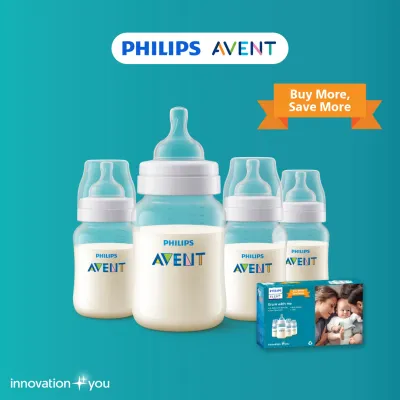
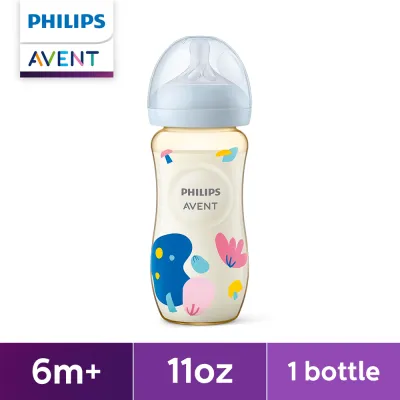
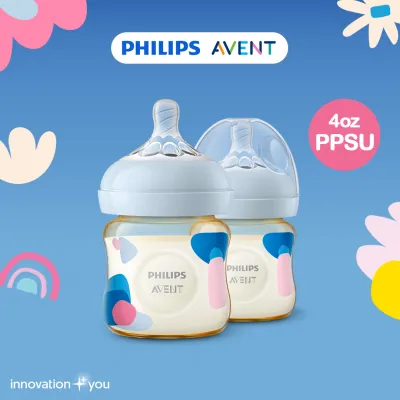
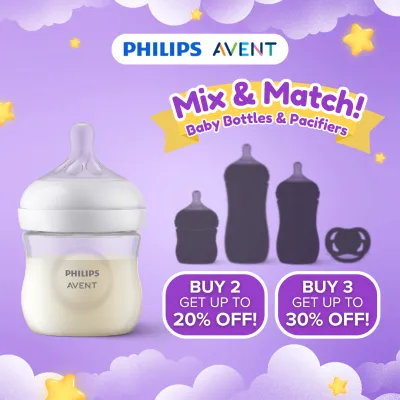
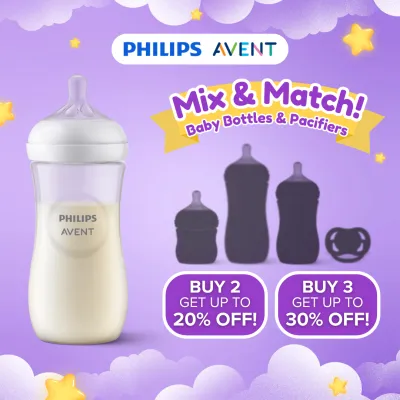
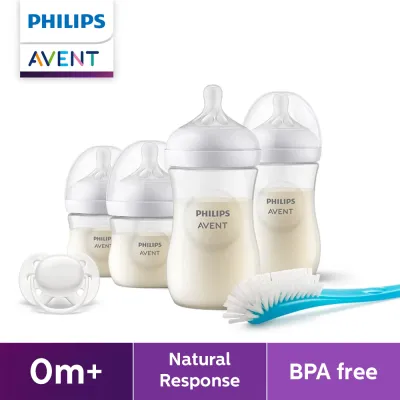
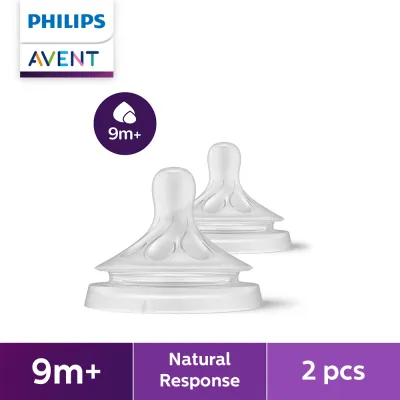
Prices are valid at publication and may change. Please refer to the product page for the latest price.
PPSU, or polyphenylsulfone, is a medical-grade plastic known for its high-performance characteristics and distinct honey-colored tint. This material combines the lightweight convenience of traditional plastics with advanced durability and heat resistance that far exceed standard polypropylene options. While it is highly resistant to impact and repeated sterilization, caregivers should always verify the specific product labels to confirm the exact material composition and recommended age ranges.
Silicone is a modern, semi-flexible material that has gained popularity due to its soft, skin-like texture and compressibility. Unlike rigid glass or PPSU, silicone bottles can be squeezed, offering a tactile experience that mimics natural feeding dynamics. This flexibility makes silicone highly resistant to drops, though its soft structure requires careful assembly to ensure a secure seal and prevent leaks during feeding.
When selecting among these three materials, it is crucial to remember that manufacturers frequently update their product lines and material blends. Always check the packaging or official documentation of your specific Avent bottle to verify the exact materials used in the bottle body, collar, and nipple, ensuring they align with your baby’s current developmental milestones.
Key Comparison Dimensions for Daily Use
Managing a baby’s feeding schedule requires a bottle that fits seamlessly into your daily routine, from preparation to cleanup. Each material presents unique trade-offs in terms of weight, durability, and maintenance, meaning the ideal choice often shifts as your baby grows.

In the Philippines, environmental factors such as ambient humidity and warm temperatures can influence how quickly bottles dry and how easily residues are cleared. Consequently, your choice should balance your baby’s immediate feeding needs with your practical ability to clean, sterilize, and transport the bottles safely.
Durability and Drop Survival
Glass bottles offer excellent structural integrity but carry an inherent risk of shattering or chipping if dropped on hard surfaces, such as tile floors or concrete patios. To mitigate this risk, many caregivers opt to use protective silicone sleeves, which absorb impact and provide a more secure grip during feeding.
PPSU is engineered specifically to withstand high-impact drops without cracking or breaking, making it an exceptionally durable option for busy households. Over months of continuous use and washing, PPSU may develop minor surface scratches, but it maintains its structural strength far better than standard plastics.
Silicone bottles are virtually immune to drop damage due to their soft, rubbery composition, which naturally absorbs shocks. However, silicone can be susceptible to punctures or tears from sharp objects, such as long fingernails, jewelry, or abrasive cleaning brushes, requiring regular inspection for signs of wear.
Weight and Independent Holding
The physical weight of an empty bottle plays a significant role in how comfortable feeding sessions are for both caregivers and developing infants. Glass is the heaviest of the three materials, which can cause hand fatigue during long, late-night feedings and makes it difficult for older babies to hold the bottle independently.
PPSU is remarkably lightweight, allowing even young infants to transition more easily to holding their own bottles under close supervision. When filled with breast milk or formula, the total weight remains manageable, supporting the natural development of your baby’s fine motor skills.
Silicone bottles fall between glass and PPSU in terms of weight, offering a substantial yet manageable feel that is easy for small hands to grasp. The naturally grippy texture of silicone further assists babies who are beginning to explore independent holding, though caregivers must always monitor these sessions to ensure proper positioning.
Before encouraging your baby to hold their bottle, consult the manufacturer’s age and developmental guidelines to ensure they have reached the necessary milestones. Caregiver supervision is always required during feeding to prevent choking hazards and ensure the bottle is held at a safe angle.
Cleaning, Sterilizing, and Odor Retention
Glass is highly valued for its non-porous surface, which resists staining from milk fats and does not retain odors or soap residues after washing. This makes glass exceptionally easy to clean, even if a bottle is accidentally left unwashed for a few hours in warm, humid weather.
PPSU bottles can withstand frequent, high-temperature sterilization cycles without degrading, making them highly compatible with steam and boiling water methods. However, because PPSU is a plastic-based material, it can occasionally develop a slight film from milk fat residues, requiring thorough brushing with a mild, baby-safe detergent.
Silicone is a semi-porous material that can sometimes absorb food odors, strong dish soaps, or minerals from local water supplies over time. To prevent persistent smells, silicone bottles often require specialized cleaning techniques, such as using fragrance-free soaps and ensuring thorough drying in a well-ventilated area.
Because sterilization equipment varies widely, always consult the specific Avent product manual before exposing your bottles to UV sterilizers, steam sterilizers, or boiling water. Some materials may degrade or discolor faster under specific sterilization methods, so adhering to the manufacturer’s instructions is vital for extending the lifespan of your bottles.
Matching the Material to Your Baby and Routine
Choosing the right bottle material involves matching the physical properties of glass, PPSU, or silicone to your family’s lifestyle and your baby’s unique feeding habits. A structured decision framework can help clarify which option will provide the most seamless experience for your daily routine.
You should choose glass bottles if your feeding routine primarily takes place at home, where the risk of dropping bottles on hard outdoor surfaces is minimized. Glass is also ideal for parents who prioritize a highly hygienic, non-porous surface that is easy to clean and completely resistant to odor retention over long-term use.
PPSU bottles are the most suitable choice if you travel frequently, send your baby to daycare, or have an older infant who is eager to hold their own bottle. The lightweight nature of PPSU, combined with its medical-grade durability, ensures that the bottle can survive active daily transit and accidental drops without compromising safety.
Silicone bottles are highly recommended if your baby prefers a soft, tactile feeding experience that closely mimics the natural feel of skin. This material is also beneficial if you want a highly flexible bottle that is easy to pack into a crowded diaper bag without worrying about cracks or structural damage.
Before making a final decision, verify whether your baby has any specific medical or feeding needs that might require a particular bottle type, and consult your pediatrician if you have concerns. Additionally, check that your preferred sterilization method—whether it involves a UV cabinet, a steam sterilizer, or traditional boiling—is fully compatible with the heat limits of the material you choose.
Evaluating Price and Long-Term Value
When planning your baby’s feeding budget, it is helpful to understand the general upfront cost tiers of each material in the local market. In the Philippines, glass bottles generally represent a moderate initial investment, while high-quality silicone and medical-grade PPSU bottles typically sit at a higher price point due to their specialized manufacturing processes.
Long-term value, however, depends heavily on the replacement cycle of each material rather than just the initial purchase price in ₱. Glass bottles can theoretically last through multiple children if handled carefully, but the cost of replacing shattered bottles or purchasing protective sleeves can add up over time.
PPSU bottles offer excellent long-term value because their extreme durability minimizes the need for frequent replacements due to drops or cracks. However, like all plastic-based products, they should be inspected regularly and replaced if you notice deep scratches, persistent cloudiness, or structural wear.
Silicone bottles are highly durable against drops, but their tendency to retain odors or develop a cloudy appearance from mineral buildup in local water may prompt caregivers to replace them sooner than glass. To ensure you are getting genuine products that meet safety standards, always purchase your bottles from official brand stores or authorized local retailers, where you can also check for bundle deals and warranty terms.
Frequently Asked Questions (FAQ)
Can I mix different Avent bottle materials for the same baby?
Yes, you can generally use different Avent bottle materials for the same baby, provided that the nipples, collars, and bottle bodies belong to the same product line, such as the Natural or Classic range. Mixing materials can be highly practical, allowing you to use lightweight PPSU bottles when traveling and hygienic glass bottles while feeding at home.
When mixing components, it is essential to maintain a consistent nipple flow rate that matches your baby’s current developmental stage, regardless of whether the bottle body is glass, PPSU, or silicone. Always consult the manufacturer’s guidelines to verify part compatibility across different product lines, as mixing incompatible collars and nipples can lead to leaks or improper venting.
Which material is best for transitioning from breast to bottle?
When transitioning a baby from breast to bottle, the shape, flexibility, and flow rate of the nipple are typically the most critical factors in achieving a successful transition, rather than the bottle material itself. A nipple that mimics the natural latch and flow of breastfeeding helps reduce nipple confusion and encourages a more comfortable feeding experience.
However, silicone bottle bodies can play a helpful supporting role during this transition because their soft, squeezable texture offers a skin-like feel that some babies find comforting. Because every baby’s preferences are highly individual, finding the perfect combination of bottle material and nipple style may require some trial and error, so it is best to start with a single bottle before investing in a full set.
Community discussion
Share your experience or ask a question. Comments are reviewed before publication.