
When preparing for your baby’s feeding journey, selecting the right bottle material is one of the most practical decisions you will make. Philips Avent baby bottles are globally recognized for their quality, but they come in three distinct materials: borosilicate glass, polypropylene (PP), and polyphenylsulfone (PPSU). All of these options are completely BPA-free and certified safe for infant feeding, meaning there is no single “safest” material in terms of chemical toxicity. Instead, the safest and most practical choice for your family depends on your daily cleaning routines, sterilization habits, and your baby’s developmental stage.
In the tropical climate of the Philippines, where high humidity can accelerate bacterial growth and daily sterilization is a top priority, understanding how these materials handle heat, wear, and moisture is essential. Glass offers outstanding chemical purity and resists odors but carries a risk of shattering. Polypropylene is highly affordable and virtually unbreakable, though it degrades faster under high heat. Meanwhile, PPSU serves as a premium, medical-grade hybrid that delivers the durability of glass with the lightweight convenience of plastic. By comparing their physical properties, you can select the bottle that best fits your lifestyle while keeping your little one safe.
Understanding Avent Bottle Materials: Glass, PP, and PPSU
Every genuine Avent bottle is designed with infant health as the absolute priority, meeting rigorous international safety standards. Regardless of whether you choose glass, PP, or PPSU, all of these bottles are manufactured without Bisphenol A (BPA), ensuring that no harmful chemicals leach into your baby’s breast milk or formula. Because the baseline safety against chemical toxins is guaranteed across the entire official Avent range, parents can focus on how each material performs under daily wear and tear.
Products mentioned in this guide
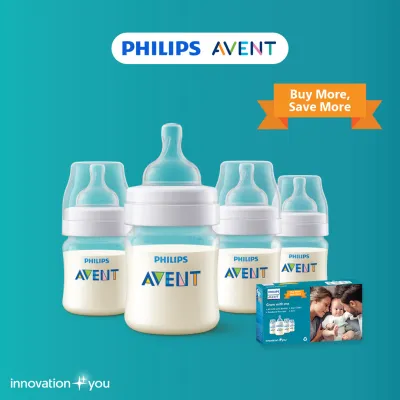
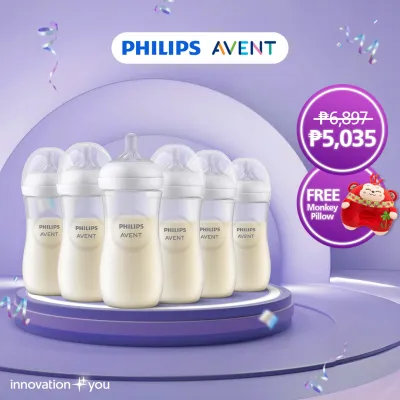
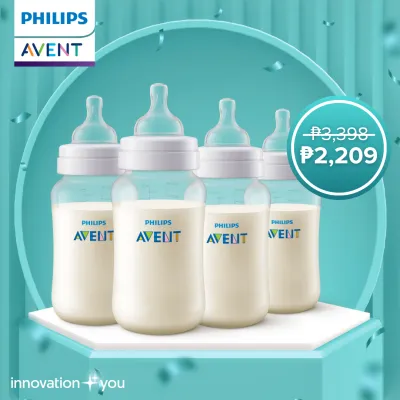
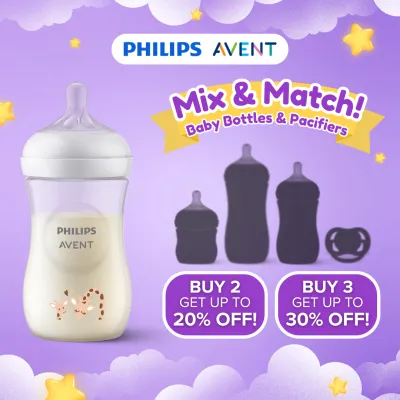
Prices are valid at publication and may change. Please refer to the product page for the latest price.
Choosing between these materials is not about finding a universal “best” bottle, but rather matching the material’s strengths to your household’s specific routines. For instance, a newborn who is fed exclusively by a caregiver has different safety needs than an active older baby who wants to hold their own bottle. Similarly, your choice may depend on whether you rely on quick boiling water sterilization or an advanced electric steam sterilizer. Understanding the unique characteristics of glass, PP, and PPSU allows you to build a bottle system that is both safe and highly convenient for your daily life.
Safety, Heat Resistance, and Durability Compared
To make an informed decision, it is helpful to look at how these three materials compare across key physical dimensions. Each material reacts differently to heat, impact, and long-term cleaning, which directly affects how long they remain safe to use.

Glass: Purity and Heat Tolerance
Avent glass bottles are crafted from premium borosilicate glass, a medical-grade material highly valued for its exceptional thermal shock resistance. This means the bottle can transition from cold temperatures to high heat without cracking, making it incredibly reliable for rapid heating and sterilization. Because glass is entirely non-porous, it does not absorb milk fats, oils, or stubborn odors, ensuring that every feed tastes exactly as it should.
However, glass has clear physical limitations that caregivers must consider. These bottles are significantly heavier than their plastic counterparts, which can cause hand fatigue during long midnight feeding sessions. More importantly, glass poses a risk of chipping or shattering if dropped on hard surfaces, such as the ceramic tile floors common in many Philippine kitchens. For safety, glass bottles require constant caregiver supervision and are generally not recommended for babies who are beginning to feed themselves.
Polypropylene (PP): Lightweight and Shatterproof
Polypropylene is the standard, widely available plastic used in the classic Avent bottle lines. You can easily identify PP bottles by their slightly milky, translucent appearance. The primary benefit of PP is its lightweight, highly resilient construction. It is virtually shatterproof, making it the ideal companion for family trips, daycare bags, and active infants who are learning to grasp their own bottles.
While PP is chemically safe and highly practical, it has a lower heat tolerance threshold compared to glass or PPSU. With frequent exposure to high-temperature boiling or intense steam sterilization, PP plastic gradually degrades over time. This wear often manifests as cloudiness, micro-scratches, or a slight warping of the bottle’s shape. Consequently, PP bottles have a shorter operational lifespan and must be monitored closely for signs of physical aging.
Polyphenylsulfone (PPSU): The Premium Plastic Option
Polyphenylsulfone, commonly known as PPSU, is a high-performance, medical-grade polymer that represents the premium tier of plastic baby bottles. You can immediately recognize PPSU by its distinct, natural honey-tinted or amber color. PPSU successfully bridges the gap between glass and standard plastic, offering the lightweight, shatterproof convenience of PP alongside the outstanding heat resistance and durability of glass.
PPSU bottles can withstand temperatures up to 180°C, allowing them to endure frequent, high-heat sterilization cycles without losing their structural integrity or turning cloudy. This material is highly resistant to acid and oil absorption, meaning it won’t retain odors or stains from repeated formula preparation. While PPSU bottles carry a higher initial price tag in Philippine pesos, their exceptional longevity and resistance to wear make them a highly cost-effective investment for long-term use.
Matching the Material to Your Feeding Lifestyle
Selecting the right Avent bottle material often comes down to analyzing your household’s daily habits and feeding environments. For families who primarily feed their babies at home, glass bottles are an excellent choice. They are perfect for newborns who are held securely by a parent or helper during feeds. If you prioritize a material that is incredibly easy to clean, sterilize, and maintain in pristine, scratch-free condition for years, the initial weight of glass is a minor trade-off for its unmatched purity.
If your daily routine involves frequent travel, outdoor strolls, or sending your baby to daycare, PP bottles offer unmatched convenience. You can pack multiple PP bottles into a diaper bag without adding heavy bulk, and you will never have to worry about a bottle breaking during transit. PP is also the most budget-friendly option, allowing families to purchase a larger rotating stock of bottles to ease the daily washing burden.
For busy households that rely heavily on electric steam sterilizers or UV cabinets multiple times a day, PPSU is the ultimate low-maintenance solution. It provides the peace of mind of a highly heat-resistant material that won’t degrade under constant sterilization, while remaining light enough for your growing baby to hold independently. Although PPSU and glass require a larger upfront budget, their durability means you will replace them far less frequently than standard PP, making them highly economical over your baby’s first year.
Sterilization and Daily Care Guidelines by Material
Proper hygiene and maintenance are crucial to ensuring your Avent bottles remain safe and clean. While boiling, steam, and UV sterilization are all popular methods, you must always verify the exact temperature limits and instructions in your specific Avent product manual. Different bottle lines may have unique guidelines, and adhering to manufacturer specifications is the best way to preserve the structural integrity of your bottles.
When caring for glass Avent bottles, preventing thermal shock is your primary safety goal. Never plunge a hot, freshly sterilized glass bottle directly into cold water, and avoid placing a hot bottle on a cold, wet countertop. Allow the glass to cool down gradually in a safe, dry area. For plastic bottles, particularly PP, be mindful of UV sterilizer exposure. While PPSU is highly resilient, standard PP plastic can become brittle, yellowed, or structurally weakened over time when subjected to repeated UV light cycles. Always consult both your bottle manual and your UV sterilizer guidelines to confirm compatibility.
Daily washing techniques also play a major role in bottle longevity. When cleaning plastic bottles (both PP and PPSU), avoid using stiff nylon-bristled brushes or abrasive scouring pads. These can create micro-scratches on the inner walls of the bottle, which can trap milk proteins and harbor harmful bacteria. Instead, opt for soft silicone bottle brushes or gentle sponge cleaners, and use a mild, baby-safe dishwashing liquid.
Signs of Wear: When to Retire Your Bottles
No baby bottle lasts forever, and learning to identify material-specific signs of wear is essential for your baby’s safety. Regularly inspecting your bottles during washing allows you to retire them before they become a hygiene or physical hazard.
For polypropylene (PP) bottles, look for a persistent cloudy appearance that does not clear up after washing, a sticky or tacky texture on the plastic surface, or lingering sour milk odors. These are clear indicators that the plastic polymer has begun to break down. For PPSU bottles, monitor for deep scratches, structural warping near the screw threads, or a significant darkening of the amber tint. While PPSU is highly durable, physical damage can still occur over months of heavy use.
For glass bottles, safety checks must be even more meticulous. Carefully run your fingers along the rim, screw threads, and base to check for minor chips, hairline cracks, or micro-fractures. Even a tiny chip near the collar can cause milk leakage or, worse, allow microscopic glass particles to enter the milk. If you spot any damage, warping, or persistent wear on any bottle, regardless of the material, stop using it immediately and discard it.
Frequently Asked Questions (FAQ)
Can I use Avent bottle parts interchangeably across different materials?
Yes, Avent nipples, screw rings, and caps are generally designed to be interchangeable across glass, PP, and PPSU bottle bodies, provided they belong to the same product line, such as the Avent Natural or Avent Anti-colic collections. To prevent leaking or improper venting, avoid mixing parts from different product generations or entirely different brands. Always perform a quick leak test with water before feeding.
Is PPSU safer than PP for newborns?
Both PP and PPSU are completely BPA-free, non-toxic, and certified safe for newborns. The primary difference is physical durability rather than chemical safety. PPSU is a tougher, more heat-resistant material that withstands frequent, high-temperature sterilization without degrading, making it a longer-lasting investment. PP is equally safe for your baby’s health but will show signs of wear and require replacement sooner.
How do I prevent mold in Avent bottle threads?
In the warm, highly humid climate of the Philippines, milk residue trapped in bottle threads or nipple collars can quickly develop mold. To prevent this, always disassemble all bottle components completely before washing. Use a small, soft-bristled detail brush to thoroughly clean the screw threads of both the bottle and the collar. After washing, place all parts on a clean drying rack in a well-ventilated room, ensuring they are completely dry before reassembling or storing.

Community discussion
Share your experience or ask a question. Comments are reviewed before publication.