
When choosing an automatic breastmilk pump, the most critical features to compare are suction adjustability, physical portability, flange fit, motor noise, and power source reliability. Because every mother’s body and daily schedule are unique, the right pump is one that balances physical comfort with your specific lifestyle needs. Evaluating these specifications systematically ensures you select a model that supports your milk supply while fitting seamlessly into your daily routine.
Suction Strength and Pumping Modes Explained
Suction strength and cycling speed are the foundation of any automatic breastmilk pump, directly impacting both your physical comfort and milk expression efficiency. Suction strength, typically measured in millimeters of mercury (mmHg), refers to the vacuum’s pulling force, while cycle speed refers to how many times the pump suctions per minute. It is a common misconception that maximum suction yields the most milk; in reality, excessive force can cause pain and physical stress, which can actually inhibit your body’s natural let-down reflex.
To mimic a baby’s natural nursing pattern, look for a pump that features dual-phase technology. This includes a stimulation or massage mode, which uses rapid, shallow cycles to stimulate the nerves in the breast and trigger milk flow, and an expression mode, which transitions to slower, deeper cycles to draw out milk efficiently. When comparing models, check the product labels for adjustable ranges rather than assuming a single preset will work. A pump that allows you to independently adjust both speed and suction intensity offers the highest level of customization for your personal sensitivity.
Products mentioned in this guide
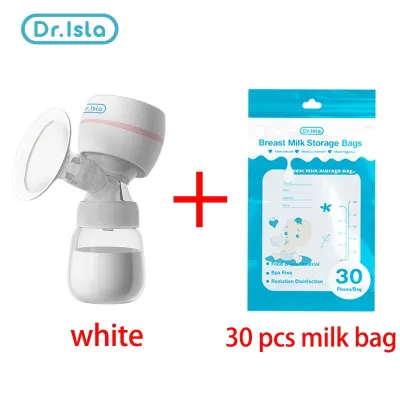
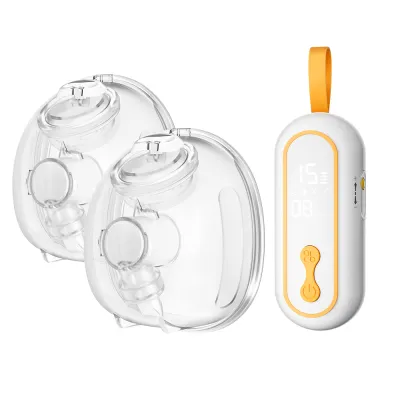
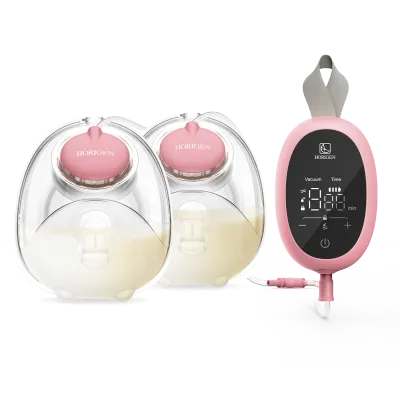
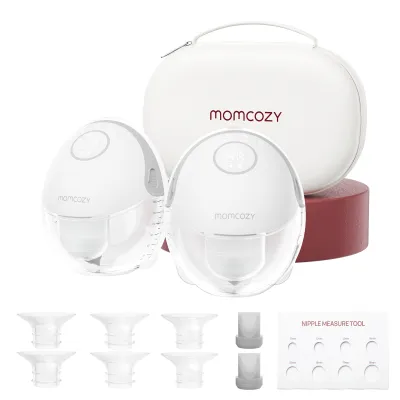
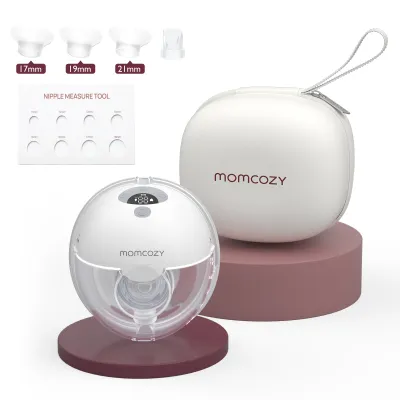
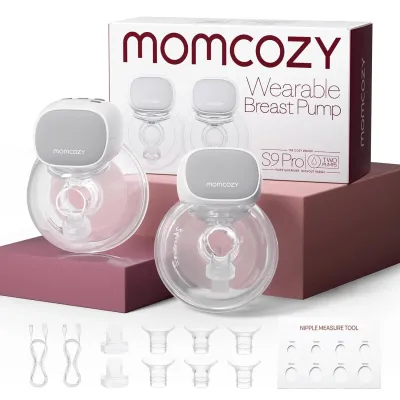
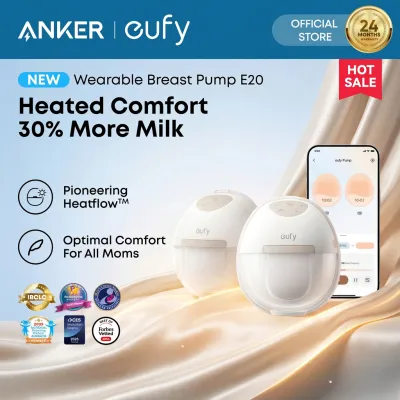
Prices are valid at publication and may change. Please refer to the product page for the latest price.
Evaluating Portability, Weight, and Flange Fit
Your daily routine dictates whether you need a highly portable pump or a more robust stationary model. Traditional automatic breastmilk pumps utilize an external motor unit connected to collection bottles via silicone tubing. While these models are often highly adjustable and powerful, they require you to remain relatively stationary during use. Wearable, hands-free pumps, on the other hand, integrate the motor and collection cup into a single unit that fits directly inside your nursing bra. These offer excellent mobility and discretion, though they may have slightly smaller milk capacities and require careful positioning to prevent leaks.

Beyond the motor design, consider the physical maintenance of the pump. A higher number of individual parts—such as valves, membranes, connectors, and bottles—means more time spent on daily cleaning and sterilization. In warm, humid climates, ensuring that all parts can be thoroughly washed, sanitized, and dried quickly is essential for maintaining hygiene. Finally, never overlook the importance of flange fit. The flange is the breast shield that channels your nipple; using an incorrect size can lead to friction, pain, and reduced milk output. Always measure your nipple diameter and verify the manufacturer’s available flange sizes and inserts before purchasing.
Checking Noise Levels for Discreet Pumping
For mothers who need to pump in shared offices, quiet household spaces, or during middle-of-the-night sessions, motor noise is a crucial consideration. Manufacturers often list decibel (dB) ratings in their technical specifications, which you can verify in the user manual or official product documentation. A lower decibel rating generally indicates a quieter motor, but the actual sound profile can change depending on the suction settings you use.
A motor that runs almost silently on a low stimulation setting may produce a more noticeable hum or vibration when turned up to maximum expression. Additionally, real-world noise levels are highly dependent on how tightly the pump parts are assembled and the surface where the pump rests. Placing an external motor on a hard wooden desk can amplify the vibration, whereas placing it on a soft fabric surface or holding it can significantly dampen the sound. When comparing models, look for reviews or specifications that detail the sound profile under active use.
Comparing Power Sources and Battery Life
The power configuration of an automatic breastmilk pump determines how much freedom you have during your pumping sessions. Plug-in-only models require a continuous connection to an electrical outlet, which can limit your mobility and make pumping on the go highly inconvenient. Models that utilize replaceable dry-cell batteries offer more flexibility but can become costly over time as batteries drain.
Built-in rechargeable lithium-ion batteries are generally the most convenient option for active lifestyles. When comparing rechargeable models, check the manufacturer’s estimated runtime or the number of pumping sessions supported on a single full charge. A reliable battery should easily last through a full day of typical use. Additionally, check the charging port type; models that use standard USB-C ports allow you to easily recharge using common phone chargers, car adapters, or portable power banks. Always read the manufacturer’s safety instructions to verify if the pump can be safely operated while plugged into a charger.
Assessing Smart Features and App Connectivity
Many modern automatic breastmilk pumps come equipped with Bluetooth connectivity and companion smartphone apps. These smart features can automatically track your session durations, log estimated milk volumes, and send reminders for your next session. For parents who prefer digital tracking over manual logging, these apps can streamline the daily routine and provide helpful historical data.
However, before choosing a pump based on its smart capabilities, verify that the companion app is fully compatible with your smartphone’s operating system and check the app’s data privacy policies. It is also important to remember that smart features are supplementary conveniences. They should never compromise your evaluation of the pump’s core mechanical performance, suction comfort, or flange fit. A pump with basic controls that fits comfortably and expresses milk efficiently is always a better investment than a poorly fitting smart pump.
Frequently Asked Questions (FAQ)
Do I need a hospital-grade automatic breastmilk pump?
Hospital-grade pumps are heavy-duty, multi-user devices designed with powerful motors and closed systems to prevent cross-contamination. They are typically recommended for mothers who need to establish a milk supply for premature infants, those experiencing severe supply challenges, or under specific medical guidance. For most daily, long-term personal use, a standard personal-use automatic breastmilk pump is highly efficient and much more portable. If you suspect you have a medical need for a hospital-grade pump, consult a lactation consultant or healthcare professional.
How do I verify the correct flange size?
To find your correct flange size, measure the diameter of the base of your nipple (excluding the areola) in millimeters before a pumping session. Many manufacturers provide printable sizing guides to assist with this. A properly fitting flange should allow your nipple to move freely in and out of the tunnel without rubbing against the sides, and it should not draw too much of your areola into the tunnel. If you experience persistent pain, localized swelling, or a sudden drop in milk expression, stop using that size and consult a lactation specialist to re-evaluate your fit.

Community discussion
Share your experience or ask a question. Comments are reviewed before publication.