
Quick Answer: Are Tummy Time Pillows Safe for Newborns?
Tummy time pillows can be safe and helpful tools for newborns, but their safety depends entirely on strict usage conditions. These props are designed solely for awake play under constant, active adult supervision. They must never be used for sleep, naps, or unsupervised rest, and they should never be placed inside a crib, bassinet, or playpen.
While these pillows can help elevate a newborn’s chest to make looking around easier, they are not developmental necessities. If you choose to use one, you must verify its physical and material safety features before purchase. Ensuring the pillow is firm, breathable, and free of small hazards is essential to keeping your baby safe during their daily exercise sessions.
Understanding the Risks and Safe Usage Boundaries
Using a tummy time pillow introduces specific physical risks that caregivers must understand to prevent accidents. The primary concern with any soft, elevated prop is the risk of suffocation or positional asphyxia. Newborns have heavy heads and weak neck muscles; if they tire and slump forward, their chin can press against their chest, constricting their airway. Because positional asphyxia can happen silently and quickly, passive supervision—such as watching from across the room—is never sufficient.
Products mentioned in this guide
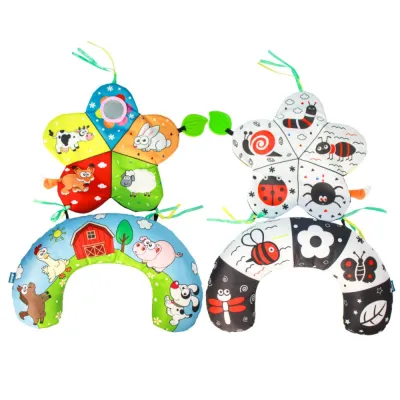
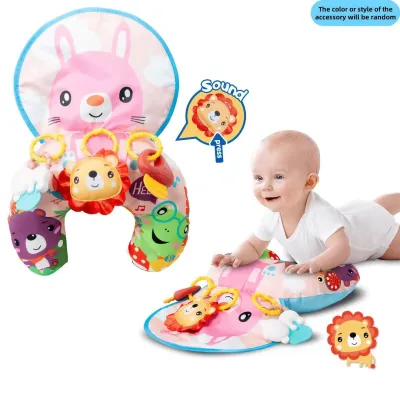
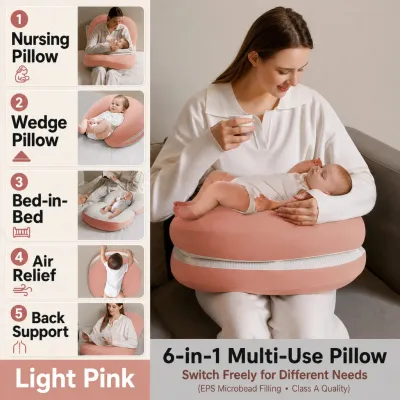
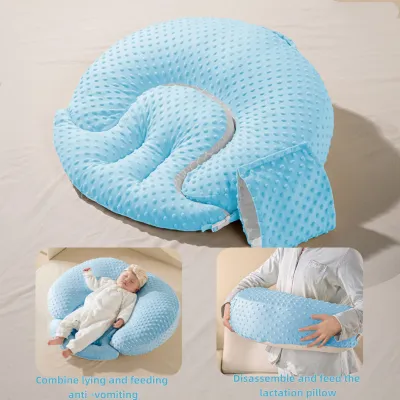
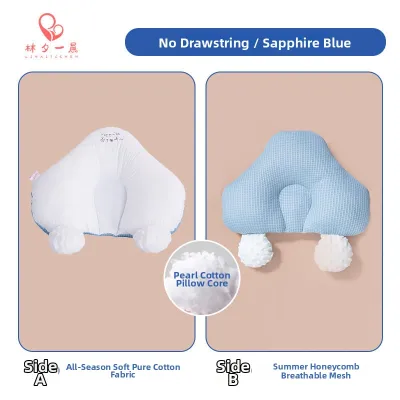
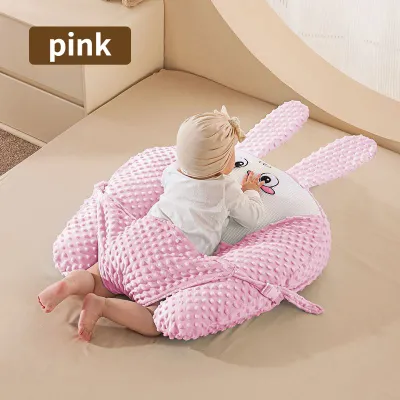
Prices are valid at publication and may change. Please refer to the product page for the latest price.

Soft bedding and elevated surfaces present additional hazards. Placing a tummy time pillow on a sofa, bed, or countertop increases the risk of the baby rolling or sliding off the edge. Similarly, using these props in enclosed sleep environments like cribs is highly dangerous, as the baby could roll over, become wedged against the side, and suffocate. Tummy time pillows are strictly floor-use items designed for active, awake moments.
Before introducing any supportive prop to your baby’s routine, it is wise to consult a pediatrician. This is especially important for premature infants, babies with low muscle tone, or those experiencing developmental delays. A healthcare professional can help you determine if your baby is ready for an elevated prop or if practicing directly on a flat, unassisted surface is a safer choice for their specific physical development.
Essential Safety Features to Check Before Buying
When shopping for a tummy time pillow, do not rely solely on marketing claims or attractive designs. You must physically inspect the product or carefully verify its specifications to ensure it meets basic safety standards.
Firmness and Support
Perform a simple squeeze test to evaluate the pillow’s firmness. When you press your hand into the bolster, it should resist and spring back immediately rather than sinking or conforming to your hand like memory foam. A pillow that is too soft poses a severe suffocation risk if the baby’s nose or mouth comes into contact with the surface. The prop must be firm enough to support the baby’s chest without compressing under their weight.
Material and Breathability
In warm and humid climates, such as in the Philippines, babies can sweat quickly during physical exertion. Look for lightweight, breathable outer fabrics like cotton or specialized mesh that allow adequate airflow. Ensure the cover is completely removable and machine washable to maintain hygiene after inevitable spit-ups. Carefully inspect the seams and edges for loose threads, raw edges, or fraying fibers, which can wrap around a baby’s fingers or toes and cut off circulation.
Structural Integrity
Examine the pillow for secure, tight stitching that can withstand regular washing and stretching. Avoid pillows with small decorative elements, plastic eyes, buttons, or long ribbons, as these can easily detach and become choking hazards. Additionally, look for a non-slip backing or textured underside; this feature helps keep the pillow stable on smooth household surfaces like ceramic tiles or polished wooden floors.
Certifications and Labels
Always look for verified safety standard labels on the product packaging and tags rather than relying on online marketplace descriptions. Check for certifications indicating that the materials are non-toxic and free from harmful flame retardants, heavy metals, or phthalates. If a product lacks clear manufacturing details, safety labels, or age recommendations, it is best to choose a different option.
How to Set Up and Supervise a Safe Tummy Time Session
Creating a secure environment and maintaining proper positioning are key to a successful and safe tummy time session. Following a consistent setup routine helps minimize risks and ensures your baby gets the most out of their exercise.
Environment Setup
Always place the tummy time pillow on a firm, flat floor surface. If your home has hard tile or wooden floors, lay down a thin, firm play mat or a clean blanket to provide traction and comfort. Keep the immediate area completely clear of hazards, including stairs, table edges, dangling electrical cords, low-hanging blind cords, and household pets.
Positioning the Newborn
Gently drape your baby’s chest over the top of the pillow, ensuring their arms are positioned forward over the bolster to help support their weight. Their armpits should rest near the top curve of the pillow. Crucially, check that the baby’s chin is completely clear of the pillow’s edge and that their nose and mouth have a wide, unobstructed clearance from any fabric.
Active Supervision
Active supervision is a non-negotiable rule during every session. This means sitting directly in front of or beside your baby, engaging with them, and keeping your hands close enough to assist instantly. Avoid distractions such as checking your mobile phone, watching television, or leaving the room even for a brief moment. If you must step away, always take your baby with you.
Duration and Adjustment
Newborns tire very quickly, so start with very short sessions of just 1 to 2 minutes, two to three times a day. Gradually increase the duration as your baby builds neck and shoulder strength. Watch closely for fatigue signals, such as crying, face-planting into the pillow, or extreme fussiness. If your baby shows signs of distress, end the session immediately and try again later when they are rested.
When to Stop Using the Pillow and Transition to Flat Surfaces
As your baby grows and develops, their physical needs will change, and there will come a time when the tummy time pillow is no longer safe or useful. Recognizing these developmental milestones is essential for preventing injuries.
Once your baby begins to show signs of rolling over or exhibits increased mobility, you must stop using the elevated pillow. A baby who can roll can easily tip the pillow over, slide off the sides, or land in an awkward position that compromises their airway. At this stage, the elevated prop becomes a falling and suffocation hazard rather than a helpful tool.
Pay attention to physical cues that indicate your baby has outgrown the pillow. If their torso is too long for the bolster, or if they constantly slide off the sides during play, the pillow’s dimensions are no longer suitable. Fretfulness or frustration during sessions can also indicate that the prop is restricting their natural movement.
Transitioning to flat-surface tummy time is the ultimate goal. To build the deep core, shoulder, and neck strength required for crawling and sitting, babies must eventually practice pushing their entire upper body off a flat, unassisted surface. Gradually phase out the pillow and encourage your baby to play directly on a firm play mat, allowing them to explore their natural range of motion safely.
Frequently Asked Questions (FAQ)
Can a newborn sleep on a tummy time pillow?
No, a newborn must never sleep on a tummy time pillow. These props are designed strictly for awake play under active supervision. Safe sleep guidelines require babies to sleep on their backs on a flat, firm, and empty surface, such as a crib or bassinet mattress with only a tight-fitting sheet. Placing a sleeping baby on a tummy time pillow increases the risk of suffocation and sudden infant death syndrome.
What should I do if my baby spits up or vomits on the pillow?
If your baby spits up, immediately remove them from the pillow and clean their face and neck. Take off the removable cover and wash it according to the manufacturer’s instructions. Ensure the inner core of the pillow is completely dry before using it again, as trapped moisture can encourage the growth of mold and bacteria, especially in humid climates.
Are inflatable tummy time pillows safer than foam ones?
Neither type is universally safer; both require careful inspection. Inflatable pillows must be checked regularly for air leaks, puncture risks, and secure valves that could present a choking hazard if they detach. Foam pillows offer consistent structural stability but require you to verify their breathability and firmness. Always check the manufacturer’s age and weight limits for both options before use.

Community discussion
Share your experience or ask a question. Comments are reviewed before publication.