
Whether your baby bottles are dishwasher safe depends entirely on the specific material of the bottle and its individual components. While some high-durability materials like PPSU or glass can withstand the heat of a dishwasher cycle, other components like silicone nipples, collar rings, and anti-colic valves are highly sensitive to heat and mechanical wear, making hand washing the safest choice. Caregivers must always check the product packaging, base symbols, or user manual before placing any baby feeding item in a dishwasher.
Proper cleaning is especially critical in tropical climates like the Philippines, where high humidity can accelerate bacterial growth and mold if bottles are not cleaned and dried correctly. This guide walks you through verifying dishwasher compatibility, step-by-step hand washing, safe dishwasher loading, proper sterilization, and identifying signs of wear.
Checking Dishwasher Safety for Your Tiny Buds Bottles
Before placing any baby bottle into a dishwasher, you must verify its material composition and heat tolerance. Manufacturers typically print dishwasher-safe symbols or heat limits directly on the bottle base, the original packaging, or the instruction manual. Look for a symbol depicting plates with water droplets or a top-rack-only designation.
Products mentioned in this guide
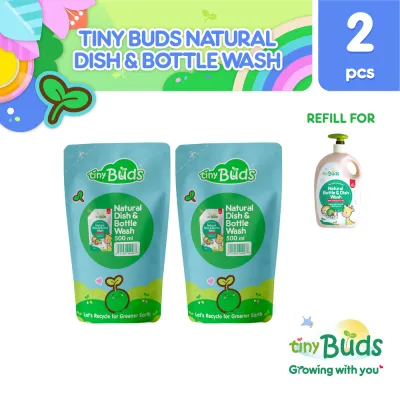

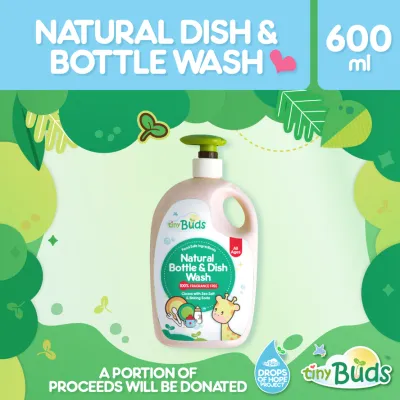
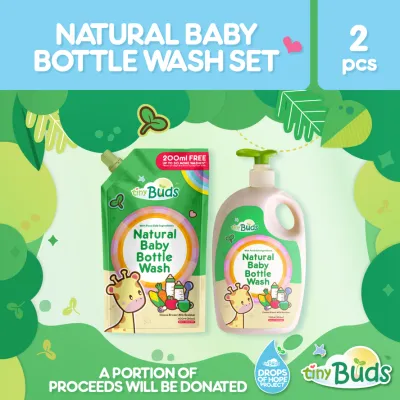
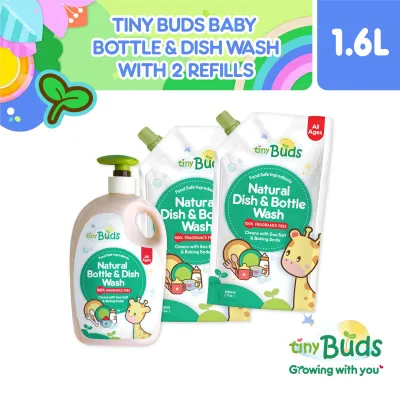
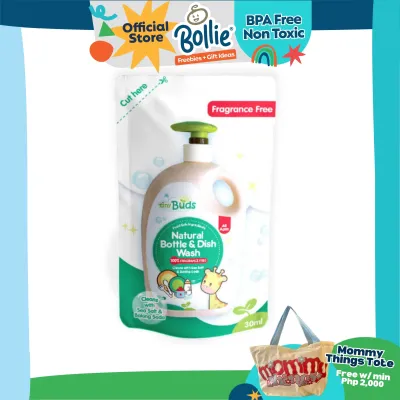
Prices are valid at publication and may change. Please refer to the product page for the latest price.
Baby bottles are manufactured from several common materials, each with distinct heat tolerance boundaries:
- Glass: Highly heat-resistant and generally dishwasher safe, though they can chip if they knock against other items during a cycle.
- PPSU (Polyphenylsulfone): A medical-grade plastic with high durability and heat tolerance, usually safe for the top rack of a dishwasher.
- PP (Polypropylene): A more flexible plastic with lower heat tolerance that can warp or degrade faster under high dishwasher heat.
- Silicone: Highly heat-resistant but flexible, making small silicone parts prone to damage or displacement during a wash cycle.
Smaller parts require extra caution. Specialized nipples, anti-colic valves, and sealing rings are typically hand-wash only. These delicate components can easily slip through dishwasher racks, fall onto the heating element, and melt or release fumes. Always check the manufacturer’s warnings for each individual component before deciding to use a dishwasher.
Step-by-Step Guide to Hand Washing Tiny Buds Bottles
Hand washing remains the most reliable and gentle method to preserve the lifespan of your baby bottles and ensure thorough hygiene.

First, disassemble all parts completely immediately after feeding. Remove the nipple from the collar, detach any anti-colic vents, valves, and caps. Leaving milk residue in the bottle, especially in warm tropical weather, allows bacteria to multiply rapidly and milk proteins to dry and stick to the surfaces.
Next, rinse all components with cold or lukewarm water. Avoid using hot water at this initial stage, as heat can cause milk proteins to coagulate and bind to the plastic or glass surface, creating a stubborn, cloudy film that is difficult to remove.
After the initial rinse, use a dedicated, soft-bristled bottle brush and a mild, baby-safe dish soap to clean all parts. Standard kitchen sponges can harbor bacteria and scratch plastic bottles, creating microscopic grooves where germs can hide. Use a smaller nipple brush to gently clean the inside of the silicone nipple, taking care not to push too hard through the feeding hole to avoid tearing the silicone. Pay close attention to the screw threads on the bottle neck and collar where milk residue often accumulates.
Finally, rinse every component thoroughly under clean running water. Ensure there is no soapy residue, slippery film, or lingering scent left behind. Babies can be highly sensitive to soap residues, which can affect the taste of their milk and cause feeding refusal.
Using a Dishwasher for Baby Bottles: Safe Loading and Settings
If the manufacturer’s label explicitly states that your bottles are dishwasher safe, you must still follow specific loading techniques and cycle selections to minimize warping or degradation.
Always place bottle bodies on the top rack, facing downward. This positioning ensures that water jets can spray inside the bottle and drain out completely. Never place plastic bottles on the bottom rack, as they are too close to the dishwasher’s heating element and risk melting or warping.
Secure all small parts like nipples, collar rings, caps, and valves inside a dedicated dishwasher basket or a secure mesh bag. This prevents them from being tossed around by high-pressure water jets and landing on the heating element at the bottom of the machine.
Select appropriate wash cycles. Choose a gentle or standard wash cycle and avoid using high-heat sanitize, heavy-duty, or prolonged drying settings unless explicitly permitted by the product label. Excessive heat can accelerate the aging of plastics and silicone, leading to premature wear.
Once the cycle completes, inspect each bottle carefully. Look for residual detergent, water spots, or trapped milk film. If you notice a soapy smell or residue, rinse the bottles thoroughly by hand with clean water before sterilizing or drying them.
Sterilizing and Drying Bottles Without Causing Damage
Washing removes milk residue and dirt, but sterilization is a separate step that eliminates remaining microorganisms. You must choose a sterilization method that is compatible with your bottle’s materials.
Common sterilization methods include boiling, steam, and UV sterilization:
- Boiling: Submerge parts in boiling water for the manufacturer's recommended time, ensuring plastic parts do not touch the hot sides of the pot.
- Steam Sterilizers: Electric or microwave steam sterilizers are highly effective, but you must verify that your bottle components are compatible with steam heat.
- UV Sterilizers: While convenient, UV light can accelerate the degradation of certain plastics and silicone, causing them to become brittle, discolored, or cloudy over time. Check if your bottle manufacturer advises against UV sterilization.
In humid environments like the Philippines, proper drying is critical to prevent moisture trapping and mold growth. Place all sterilized components upside down on a clean, dedicated, and well-ventilated drying rack.
Avoid using regular kitchen towels or dishcloths to dry the inside of the bottles. These towels can transfer lint, dust, and bacteria back onto the clean surfaces, compromising their sterility. Allow the parts to air-dry completely before assembly or storage.
Inspecting for Wear: When to Replace Bottles and Nipples
Baby bottles and nipples do not last indefinitely. Regular exposure to heat, milk fats, and cleaning agents will eventually degrade the materials, making regular inspection essential for your baby’s safety.
Examine silicone nipples weekly for signs of wear. Look for stickiness, swelling, tearing, thinning, discoloration, or changes in the milk flow rate. Gently pull on the bulb of the nipple; if it does not snap back to its original shape or feels tacky, replace it immediately. If milk pours out too quickly or the hole has stretched, it can cause choking or discomfort for your baby.
Check plastic, PPSU, or glass bottles for physical degradation. Look for deep scratches, cloudiness, or micro-cracks on plastic bottles, as these imperfections can harbor bacteria that regular washing cannot reach. For glass bottles, inspect closely for chips, hairline cracks, or sharp edges, especially around the rim and base, and discard them immediately if any damage is found to prevent injury.
Establish a routine inspection schedule based on daily usage frequency, sterilization heat exposure, and manufacturer replacement guidelines. As a general guideline, silicone nipples are typically replaced every 2 to 3 months, while plastic bottles may need replacement every 4 to 6 months depending on usage. If you notice any signs of damage, stop use immediately and consult the manufacturer’s guidelines or a qualified professional.
Frequently Asked Questions (FAQ)
Can I use regular dish soap to wash baby bottles?
It is highly recommended to avoid regular household dish soaps for baby bottles. Standard dish soaps often contain strong artificial fragrances, dyes, and harsh chemical surfactants designed to strip heavy grease from adult cookware. These chemicals can leave a stubborn residue or scent on plastic and silicone, which your baby may ingest or reject. Instead, opt for a mild, baby-safe bottle cleanser formulated with food-grade or natural ingredients that rinse away cleanly without leaving harmful residues. Regardless of the soap type used, thorough rinsing under running water is critical to ensure no chemical residue remains.
How often should I sterilize baby bottles after washing?
The frequency of sterilization depends largely on your baby’s age and health status. For newborns, premature infants, or babies with compromised immune systems, daily sterilization after every wash is highly recommended to protect them from harmful pathogens. As your baby grows older (typically past 6 months), develops a stronger immune system, and begins exploring their environment by putting toys and other objects in their mouth, you may transition to sterilizing bottles less frequently, such as once a week or every few days, while maintaining thorough daily hand washing. Always consult your pediatrician for personalized guidance based on your baby’s specific developmental needs.

Community discussion
Share your experience or ask a question. Comments are reviewed before publication.