
Yes, high-quality food-grade stainless steel is widely considered a safe, durable, and hygienic material for baby plates. Unlike plastic, it does not leach harmful chemicals like bisphenol A (BPA) or phthalates into your child’s food, nor does it harbor bacteria in deep scratches. However, the safety of a stainless steel plate depends entirely on its specific metal composition and manufacturing quality. Parents must actively verify the material grade and look for verified food-contact certifications to ensure the product is free from heavy metal contaminants.
During the exciting transition to solid foods, choosing the right weaning tools is crucial for your baby’s health and development. In tropical climates like the Philippines, where high humidity can accelerate the degradation of certain materials, stainless steel stands out for its rust resistance and longevity. But because the market is flooded with unbranded and low-cost tableware, understanding how to identify genuine food-safe options is the first step in creating a secure dining environment for your little one. Always supervise your child during meals and check the manufacturer’s documentation for age-specific usage guidelines.
Understanding Stainless Steel Grades for Baby Tableware
When shopping for a stainless steel plate for kids, you will often encounter numbers like 304 or 316. These numbers represent specific alloy grades defined by metallurgical standards. For baby tableware, the most recommended grades are 304 (often labeled as 18-8) and 316 (labeled as 18-10). These designations refer to the percentages of chromium and nickel blended into the steel, which work together to create a highly durable, rust-resistant surface.
Products mentioned in this guide
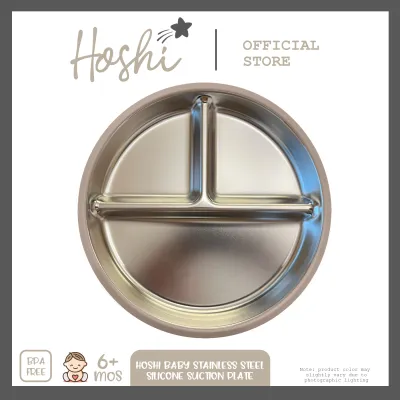
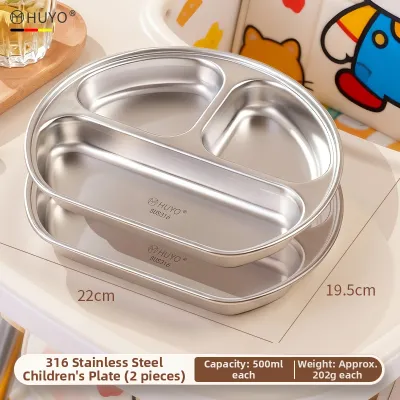
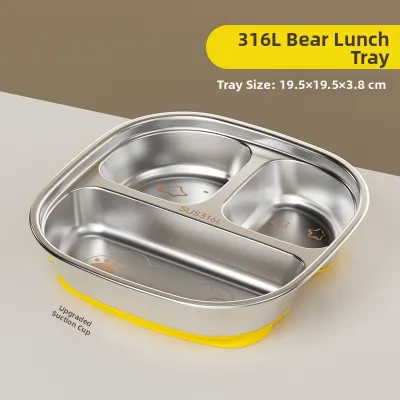
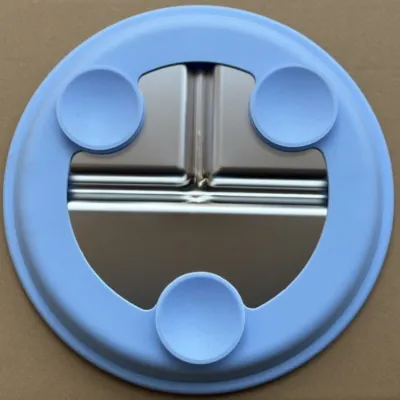
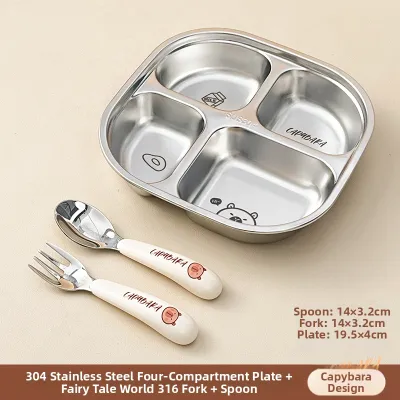
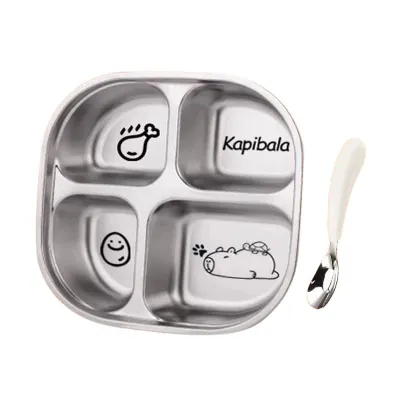
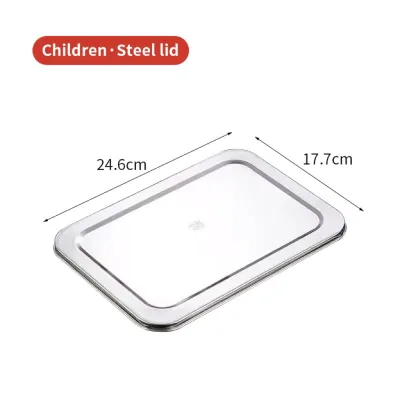
Prices are valid at publication and may change. Please refer to the product page for the latest price.
The “18-8” label indicates approximately 18% chromium and 8% nickel. Chromium binds with oxygen to form an invisible, self-healing protective layer on the surface of the plate, preventing rust and corrosion. Nickel adds further structural strength and enhances resistance to acidic foods. Grade 316, or “18-10,” contains an additional element called molybdenum, which provides even greater resistance to salts and acids, making it an exceptional, premium choice for long-term use.
To verify the exact grade of a baby plate, always inspect the manufacturer’s specifications on the packaging or the product’s bottom stamp. Reputable brands will clearly engrave “SUS 304,” “SUS 316,” or their “18-8/18-10” equivalents directly onto the metal. If a plate is simply labeled “stainless steel” without any grade specification, or if the packaging lacks detailed material information, it is best to avoid using it for baby food contact.
Lower-grade stainless steel alloys, such as grade 201, are often used in industrial or decorative applications because they are cheaper to produce. These lower grades contain less nickel and higher levels of manganese. Over time, exposure to moisture, washing, and acidic baby foods can cause these cheaper metals to rust, pit, or leach metallic tastes into meals. For a developing infant, whose digestive and immune systems are still highly sensitive, avoiding these unmarked or low-grade metals is a necessary safety precaution.
Key Food-Grade Certifications and Safety Marks to Verify
Because you cannot determine the chemical purity of a metal plate simply by looking at it, third-party food-grade certifications are essential. These certifications prove that the manufacturer has submitted their products to independent laboratories to test for the migration of harmful substances. When evaluating baby tableware, look for compliance with recognized international standards such as the US Food and Drug Administration (FDA) guidelines or the European Union’s LFGB (Lebensmittel- und Futtermittelgesetzbuch) standards.

These regulatory bodies establish strict limits on heavy metal leaching. Testing protocols simulate real-world use by exposing the plates to acidic liquids and high temperatures, ensuring that toxic elements like lead, cadmium, arsenic, and mercury do not migrate into your baby’s food. In the Philippines, parents should look for products that explicitly state compliance with these international benchmarks, as they represent some of the most rigorous safety testing frameworks globally.
Spotting authentic certification marks requires a careful eye. Genuine products will feature official testing logos or clear, specific statements of compliance on their retail packaging. Be cautious of vague marketing buzzwords such as “100% safe,” “eco-friendly,” or “premium quality” when they are not accompanied by a specific regulatory standard. Anyone can print a generic claim on a box, but legitimate manufacturers back their claims with verifiable testing data.
If you are unsure about a product’s safety credentials, especially when purchasing from online marketplaces, take proactive steps to verify compliance. Check the manufacturer’s official website for downloadable safety certificates or test reports from accredited third-party laboratories like SGS, TÜV Rheinland, or Intertek. If a brand cannot or will not provide these documents upon request, it is safer to choose an alternative product that offers transparent, verifiable proof of food-contact safety.
Potential Risks and Safe Usage Boundaries for Weaning
While high-quality stainless steel is incredibly durable, it is not completely indestructible, and certain conditions can compromise its safety. One primary concern is the prolonged exposure to highly acidic or salty foods. In Filipino households, common ingredients like calamansi juice, vinegar-based marinades, tomato sauces, and salty soy sauce mixtures are staples. Leaving these acidic or salty foods sitting on a stainless steel plate for extended periods can slowly break down the protective chromium oxide layer, increasing the risk of trace metal leaching.
To maintain safe usage boundaries, always transfer leftovers to glass or food-safe ceramic containers for storage rather than leaving them on the baby’s metal plate. Serve acidic meals fresh and wash the plate promptly after your baby finishes eating. This simple habit prevents prolonged chemical interaction between the food acids and the metal surface, preserving the integrity of the plate for years to come.
Another critical boundary is temperature management. Stainless steel plates must never be placed in a microwave. Microwaving metal reflects electromagnetic waves, which can cause electrical sparking, damage your appliance, and pose a severe fire hazard. If you need to warm your baby’s food, do so in a microwave-safe glass or ceramic bowl first, and then transfer the warm food onto the stainless steel plate. Alternatively, you can place the metal plate over a bowl of warm water to gently heat the meal.
Regularly inspect your child’s tableware for physical signs of wear and tear. Although stainless steel does not chip like glass or crack like plastic, it can develop deep scratches over time from sharp utensils. These deep grooves can become breeding grounds for bacteria and may expose the underlying metal layers to moisture, leading to localized rust. If you notice deep scratches, persistent rust spots, or the peeling of any external decorative coatings or paint, retire the plate immediately to protect your baby’s health. For any persistent concerns regarding your child’s feeding safety or potential exposure to contaminants, consult a pediatrician or a qualified healthcare professional.
Choosing and Maintaining Stainless Steel Plates for Kids
Selecting the right stainless steel plate involves looking for design features that actively support the weaning process. For babies starting self-feeding or baby-led weaning (BLW), divided plates are highly beneficial. They allow you to present different food groups clearly, helping your baby explore distinct textures and flavors. Look for plates with raised, rounded edges that make it easier for tiny fingers or spoons to scoop up food without spilling it over the sides.
A common challenge with lightweight stainless steel plates is that they are easily tossed off the high chair by enthusiastic infants. To prevent messy spills on your dining room floor, choose plates that feature a removable silicone suction base. The suction base grips firmly to flat surfaces, keeping the plate secure during mealtime. Ensure the silicone component is made from 100% food-grade silicone and can be easily detached for thorough cleaning to prevent mold growth in the humid tropical climate.
Proper daily maintenance is key to preserving the hygienic properties of stainless steel. Wash the plate with a mild, baby-safe dishwashing liquid and a soft sponge. Avoid using abrasive cleaning tools like steel wool, wire brushes, or harsh scouring pads, as these will scratch the polished surface and strip away the protective oxide layer. If food residues are stubborn or dried on, let the plate soak in warm, soapy water for a few minutes before gently wiping it clean.
Additionally, never use chlorine bleach or sanitizing agents containing chlorine on stainless steel. Chlorine is highly corrosive to stainless steel and can cause rapid pitting, permanently damaging the metal. After washing, dry the plate thoroughly with a clean cloth or place it in a well-ventilated drying rack. In humid environments, ensuring the tableware dries completely prevents water spots and maintains a clean, sanitary surface for your baby’s next meal.
Frequently Asked Questions (FAQ)
Can stainless steel plates be sterilized in boiling water?
Yes, high-quality stainless steel plates can safely undergo boiling water sterilization, as the metal can withstand high temperatures without warping or melting. However, you must always consult the manufacturer’s specific instructions before doing so. If the plate features integrated plastic rims, decorative outer shells, or silicone suction bases, these attachments may have lower temperature limits and could deform or degrade in boiling water. Always detach any removable silicone or plastic parts and sterilize them according to their individual material guidelines.
Is it safe to put stainless steel baby plates in the dishwasher?
Most food-grade stainless steel baby plates are dishwasher-safe, but it is essential to verify this by checking the manufacturer’s label or packaging symbol. When using a dishwasher, place the plate on the top rack to keep it away from the intense heat of the bottom heating element. Use mild, chlorine-free dishwasher detergents, as harsh chemicals and high heat can sometimes cause surface spotting or discoloration. Ensure the plate is completely dry at the end of the cycle to prevent moisture buildup and maintain its polished finish.

Community discussion
Share your experience or ask a question. Comments are reviewed before publication.