
While the promise of a peaceful night’s sleep leads many parents to consider a slope bed for baby, pediatric health authorities globally and in the Philippines warn that inclined sleep surfaces are not safe for infants. Often marketed as a remedy for infant reflux, colic, or nasal congestion, these angled sleepers actually introduce severe physical and respiratory hazards. For a developing infant, the safest sleep environment is always a flat, firm, and bare surface. Understanding the mechanics of infant breathing and the physical risks of angled sleep can help you make informed decisions to protect your baby.
Many parents struggle with sleepless nights due to a fussy baby, making the marketing claims of commercial sleep positioners highly appealing. However, the physiological reality of an infant’s body makes any inclined sleep surface a high-risk environment. Before purchasing any sleep gear, it is essential to understand why pediatricians advise against these products and how you can safely manage common infant discomforts like reflux and congestion.
Understanding the Design and Purpose of Slope Beds
Slope beds, also commonly referred to as inclined sleepers, are infant sleep products designed to keep a baby’s head and torso elevated at an angle. Typically, any sleep surface with an incline greater than 10 degrees falls into this category, with some commercial products featuring angles as steep as 30 degrees. These products stand in sharp contrast to standard flat cribs, bassinets, and playards, which maintain a completely flat, 0-degree horizontal surface.
Products mentioned in this guide
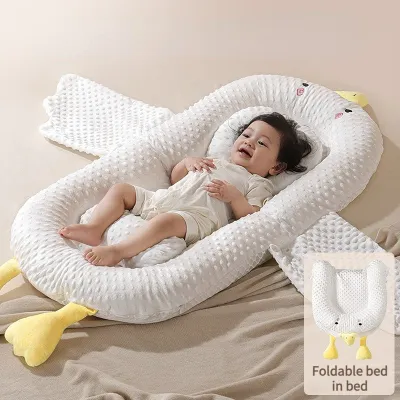
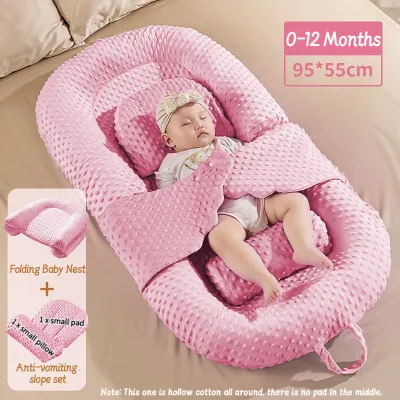
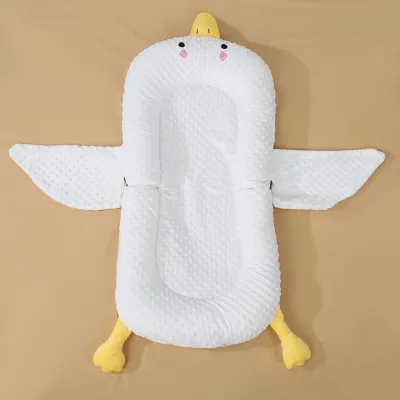
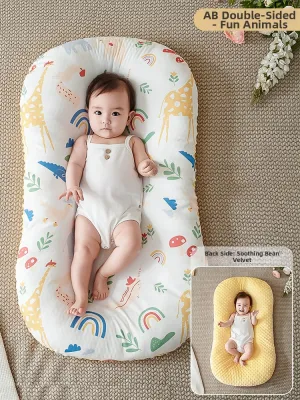
Prices are valid at publication and may change. Please refer to the product page for the latest price.
Manufacturers often market these angled beds as therapeutic solutions for common newborn challenges. The primary marketing claim is that gravity helps keep stomach acid down, thereby reducing the symptoms of gastroesophageal reflux. Other brands claim that the elevated position drains nasal passages, easing the congestion that often plagues babies in humid or air-conditioned environments. The snug, bucket-like design of many slope beds is also advertised as a way to mimic the feeling of being held, supposedly helping babies sleep longer and more deeply.
It is crucial to distinguish between commercial consumer sleep products and medical-grade inclined devices. Medical-grade devices are specialized equipment prescribed by pediatric specialists for specific, diagnosed medical conditions. These clinical devices are used under strict medical supervision, often in hospital settings where infants are continuously monitored by medical professionals and secured with specialized medical harnesses. Commercial slope beds sold on online marketplaces do not undergo this level of clinical testing and lack the continuous monitoring systems required to ensure safety.
Key Safety Risks Associated with Inclined Sleepers
The primary hazard associated with slope beds is positional asphyxiation, a silent and rapid form of suffocation. An infant’s anatomical structure is highly vulnerable; a baby’s head is disproportionately heavy compared to the rest of their body, and their neck muscles are not yet strong enough to support it. When a baby sleeps on an incline, gravity naturally pulls their heavy head forward toward their chest. This chin-to-chest position compresses the soft, flexible trachea, or windpipe, blocking the airway and preventing oxygen from reaching the lungs.

In addition to airway obstruction, the angled surface of a slope bed introduces significant roll-over and fall hazards. The incline makes it much easier for a baby to roll over onto their stomach or side earlier than they would on a flat surface. Once a baby rolls over on an incline, the physical design of the sleeper can trap them against the fabric sides, making it incredibly difficult for them to roll back or clear their airway. Even if they do not roll completely over, babies can slide down or slump sideways, wedging themselves into dangerous positions against the product’s frame.
Proper physical development can also be compromised by prolonged use of angled resting surfaces. When a baby lies on a flat, firm mattress, they have the freedom to stretch, turn their head from side to side, and kick their legs. This natural movement is vital for developing spinal alignment, neck strength, and healthy hip joints. Slope beds restrict this movement, keeping the baby in a semi-fixed, curved posture that can put unnatural pressure on their developing spine and hips over extended periods.
Another critical risk is the potential for rebreathing carbon dioxide. Many commercial slope beds feature plush, padded sides and soft fabrics designed to keep the baby cozy. However, if a baby’s face turns or presses against these soft, angled materials, a pocket of stagnant air can form. The baby then breathes in their own exhaled carbon dioxide rather than fresh oxygen. This lack of proper ventilation can quickly lead to hypoxia and silent suffocation, especially since infants do not always have the developmental reflexes to pull away from soft surfaces.
Pediatric Guidelines and Safe Sleep Standards
To protect infants from sleep-related hazards, pediatric societies worldwide emphasize the “ABC” rule of safe sleep: Alone, on their Back, and in a Crib. The sleep surface must be flat, firm, and completely bare. A firm surface means the mattress does not indent when the baby lies on it, ensuring their airway remains open and unobstructed. The sleep area must be free of pillows, blankets, bumper pads, stuffed toys, and sleep positioners, as any loose or soft item in the crib poses a suffocation risk.
Back-sleeping is the single most effective way to reduce the risk of Sudden Infant Death Syndrome (SIDS). When a baby sleeps on their back on a flat surface, their natural airway anatomy protects them; the trachea lies on top of the esophagus, making it highly unlikely for fluids to enter the windpipe. Inclined sleep surfaces compromise the safety of the back-sleeping position by encouraging the baby’s head to tilt forward or allowing the baby to roll onto their side or stomach, where the risk of suffocation increases dramatically.
Parents in the Philippines should actively verify current safety advisories from local health authorities and pediatric organizations. The Philippine Pediatric Society aligns with global safe sleep standards, recommending flat surfaces for all infant sleep. When purchasing baby gear, parents should check the Department of Trade and Industry (DTI) and the Food and Drug Administration (FDA) portals for product recalls and safety warnings. Many inclined sleep products that were once popular have been recalled globally due to safety hazards, and verifying these updates is a crucial step in keeping your nursery safe.
Evaluating Alternatives for Reflux and Congestion
If your baby struggles with reflux, there are several safe, pediatrician-approved practices you can implement without altering the flat sleep surface. Keep your baby in an upright, vertical position for 20 to 30 minutes after every feeding to allow gravity to assist with digestion naturally. Ensure you burp your baby thoroughly during and after feedings to release trapped gas. Additionally, avoid fastening your baby’s diaper too tightly around their abdomen, as excess pressure on the stomach can worsen reflux symptoms.
For babies dealing with nasal congestion, environmental adjustments can provide relief without compromising sleep safety. In the Philippines, the combination of tropical heat and continuous air conditioning can dry out the indoor air, irritating an infant’s sensitive nasal passages. Using a cool-mist humidifier in the nursery adds moisture back into the air, helping to keep nasal passages clear. You can also consult your pediatrician about using gentle, sterile saline nasal drops to loosen mucus before feedings or bedtime.
It is essential to recognize when infant discomfort requires professional medical advice rather than a commercial product fix. If your baby exhibits signs of severe reflux, such as frequent projectile vomiting, poor weight gain, extreme irritability during or after feedings, or chronic coughing, consult your pediatrician immediately. These symptoms may indicate gastroesophageal reflux disease (GERD) or other underlying issues that require a personalized medical management plan rather than an over-the-counter sleep positioner.
What to Check Before Buying or Using Any Baby Sleeper
Before purchasing or using any baby sleeper, parents must conduct a thorough safety check of the product’s specifications and labels. Carefully read the manufacturer’s instructions to identify the strict age, weight, and developmental limits. Many sleepers are only intended for newborns who cannot yet roll over or push up on their hands and knees. Never assume a product is safe simply because it is available on a retail shelf or online marketplace; always verify that the product is explicitly designed for unsupervised sleep and meets flat-surface standards.
Verify that the sleep product complies with recognized safety regulations. Look for certifications from established standards organizations, such as ASTM International or the Consumer Product Safety Commission (CPSC), which mandate rigorous safety testing for infant products. Check local regulatory databases in the Philippines to ensure the specific model has not been subject to active recalls or safety warnings. If a product has been flagged or recalled in other countries, it should not be used, regardless of its local availability.
Finally, establish clear stop-use signals to ensure your baby does not outgrow the safety parameters of their sleep gear. The moment your baby shows early signs of attempting to roll over, you must transition them out of any swaddles or restricted sleep spaces and into a standard, flat crib or playard. Regularly monitor your baby’s weight and length against the manufacturer’s guidelines. If your baby’s head sits close to the top edge of the sleeper or if they exceed the weight limit, stop using the product immediately to prevent tipping or entrapment.
Frequently Asked Questions (FAQ)
Can I use a slope bed for supervised daytime naps?
No, you should not use a slope bed for supervised daytime naps. Positional asphyxiation is a silent hazard that can occur quickly and quietly without any outward signs of struggle, gasping, or noise. A caregiver sitting in the same room may not realize the baby’s airway is blocked until it is too late. Safe sleep guidelines apply to all sleep periods, including quick daytime naps and overnight sleep. To ensure your baby’s safety, always place them on a flat, firm, and bare surface for every nap.
Are wedge pillows or mattress incliners safer than slope beds?
No, wedge pillows and mattress incliners are not safer and should not be placed in or under a baby’s crib mattress. Adding aftermarket wedges, pillows, or rolled blankets to a crib introduces dangerous gaps, uneven surfaces, and sliding hazards. The baby can easily slide down the incline, causing their head to slump forward, or they can become trapped between the mattress and the crib frame. To maintain a safe sleep environment, the crib mattress must remain completely flat and free of any extra positioning accessories.
What should I do if my baby already sleeps in an inclined sleeper?
If your baby currently sleeps in an inclined sleeper, you should transition them to a flat, firm crib mattress immediately. Because babies can become accustomed to the snug feeling of an incline, the transition may take a few days of adjustment. You can help your baby adapt by maintaining a consistent, calming bedtime routine and ensuring their nursery is kept at a comfortable temperature. If your baby experiences persistent sleep difficulties or severe reflux during this transition, consult your pediatrician for safe, personalized guidance.

Community discussion
Share your experience or ask a question. Comments are reviewed before publication.