
Transitioning your baby to solid foods is an exciting milestone, but it also brings a wave of questions about feeding gear. Among the most popular items on modern high chairs are colorful, suction-base silicone bowls designed to prevent messy spills.
For parents in the Philippines, where high humidity and warm temperatures can make traditional plastic or wooden tableware prone to mold and bacterial growth, silicone presents an appealing alternative. Genuine food-grade silicone is generally considered a highly stable and safe material for baby food, provided it is free from chemical fillers and used within the manufacturer’s specified guidelines.
However, not all silicone products on the market are created equal, and understanding how to verify material purity is essential for protecting your infant’s health. This guide explores what makes silicone safe, how to spot high-quality options, and how to maintain these bowls in a tropical climate to ensure they remain hygienic for your little one’s daily meals.
Products mentioned in this guide
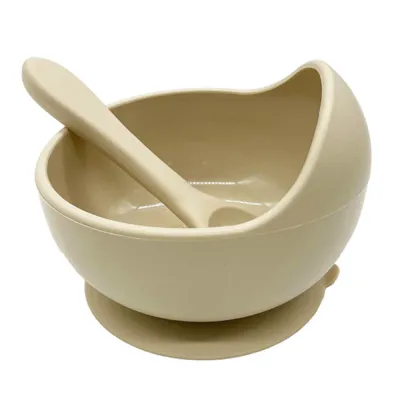
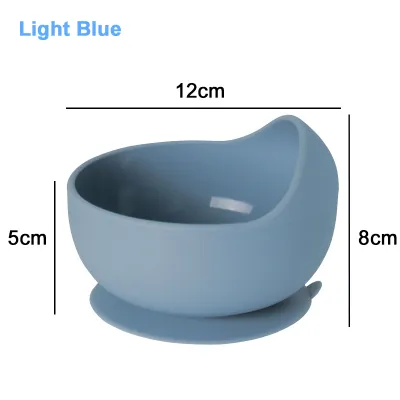
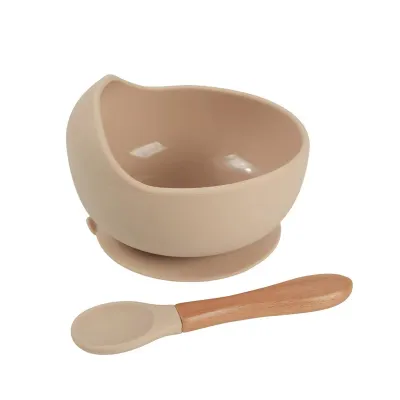
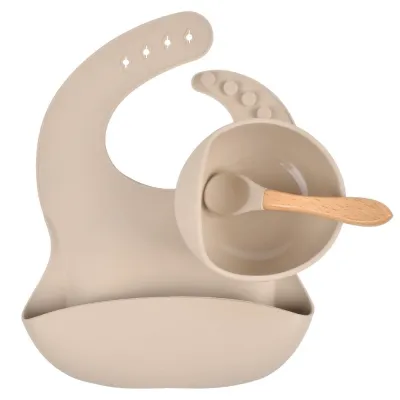
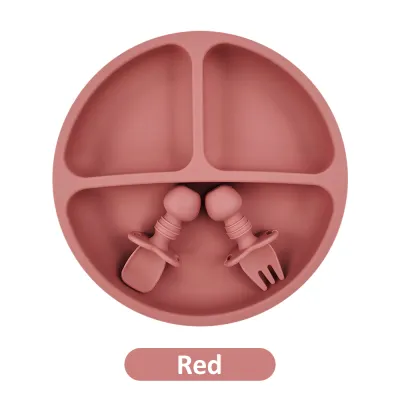
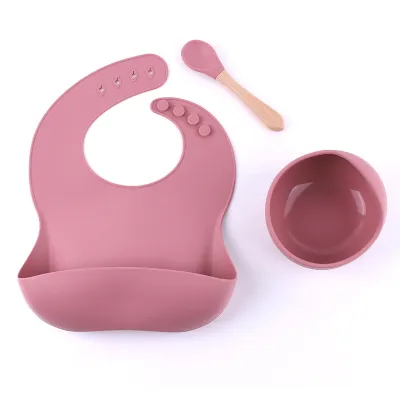
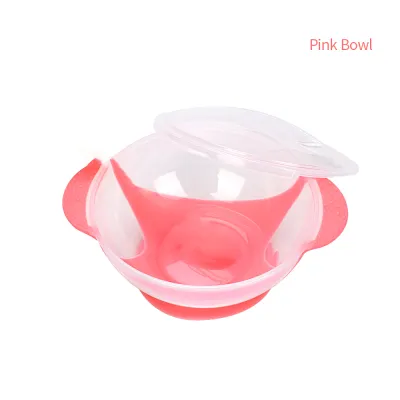
Prices are valid at publication and may change. Please refer to the product page for the latest price.
What Makes Silicone Safe for Baby Food?
Food-grade silicone is a synthetic polymer made primarily from silicon (a natural element found in sand), oxygen, carbon, and hydrogen. Unlike traditional plastics, which often rely on chemical plasticizers to achieve flexibility, high-quality silicone is naturally flexible and durable without the need for hazardous additives.
One of the most significant advantages of food-grade silicone is its non-porous nature. In a humid tropical environment, porous materials such as wood or low-grade plastics can easily absorb moisture, food particles, and dishwashing liquids, creating a breeding ground for mold and bacteria. Silicone’s smooth, sealed surface resists liquid absorption, making it inherently more hygienic for serving purees, warm mashes, and baby cereals.
It is crucial to distinguish between food-grade silicone and industrial-grade silicone. Industrial-grade silicone is formulated for sealing, construction, or mechanical applications and may contain heavy metals, volatile organic compounds, or chemical fillers that are highly unsafe for food contact. Food-grade silicone undergoes strict processing to ensure it does not leach harmful substances into food.
Material purity is especially critical for infants because their developing bodies are highly sensitive to chemical exposure. Low-quality silicone products often contain cheap plastic fillers to reduce manufacturing costs. These fillers compromise the material’s stability, making it more likely to degrade, crack, or leach chemicals when exposed to heat or acidic baby foods like tomato or citrus purees.
To check if a silicone bowl contains cheap fillers, parents can perform a simple “pinch test.” Pinch and twist a flat section of the bowl; if white shows through the bent area, it often indicates the presence of plastic fillers. Pure food-grade silicone will retain its consistent color throughout the bend, signaling a higher level of material purity.
How to Verify Safety Labels and Certifications
When shopping for a silicone bowl for baby feeding, relying solely on attractive designs or low prices can be risky. Parents must actively inspect product packaging and manufacturer documentation to verify safety claims and material certifications.

Look for prominent international safety standards on the label, such as compliance with the United States Food and Drug Administration (FDA) guidelines or the German LFGB (Lebensmittel- und Futtermittelgesetzbuch) standards. LFGB testing is generally considered more rigorous, as it subjects the material to stricter migration tests, making it an excellent benchmark for premium food-contact safety.
Ensure the packaging explicitly states that the product is free from harmful chemicals, including bisphenol A (BPA), polyvinyl chloride (PVC), lead, and phthalates. These substances are known endocrine disruptors or toxins that should never come into contact with infant food or utensils.
Check for clear age recommendations and intended use statements provided by the manufacturer. A bowl designed for older toddlers may have different suction strengths or material hardness compared to one intended for infants just starting solids at six months. Always verify that the product matches your baby’s current developmental stage and weight range as specified by the manufacturer.
Reputable manufacturers will also provide batch-testing transparency, often accessible via a QR code on the packaging or a dedicated safety section on their official website. If a brand cannot provide clear documentation of independent laboratory testing, it is safer to choose an alternative product that prioritizes consumer safety.
Be cautious when purchasing from unverified online marketplaces or discount stores where counterfeit or unlabelled silicone products are common. Investing a bit more—typically ranging from ₱300 to ₱800 for a certified, high-quality bowl—offers peace of mind that the material has undergone proper safety evaluations.
Safe Heating and Temperature Boundaries
While food-grade silicone is highly heat-resistant, it is not indestructible, and operating within its designated temperature boundaries is vital to prevent material degradation. Always consult the manufacturer’s packaging or user manual to find the exact maximum temperature limit before exposing the bowl to heat.
Many high-quality silicone bowls can withstand temperatures ranging from sub-zero freezing up to 200°C or higher, making them suitable for microwave warming, steam sterilization, or even oven use. However, these limits vary significantly by brand and design, especially if the bowl features a wooden base, a plastic suction ring, or decorative elements that cannot tolerate high heat.
Never expose a silicone bowl to direct contact with open flames, stovetops, or exposed heating elements in a toaster oven. Direct, concentrated heat can exceed the material’s thermal threshold, causing the silicone to melt, warp, or release unpleasant odors that ruin the baby’s food.
When using a microwave to warm baby food inside a silicone bowl, stir the food thoroughly afterward to eliminate hot spots. Although the silicone itself may not become excessively hot, the food inside can heat unevenly, posing a burn risk to your baby’s sensitive mouth.
If you use a dishwasher, verify whether the bowl is top-rack safe or can be placed anywhere in the machine. The heating elements in many dishwashers are located at the bottom, which can subject items on the lower rack to intense, direct heat that may gradually weaken the silicone over multiple wash cycles.
Daily Cleaning and Maintenance Routines
Maintaining strict hygiene is essential when preparing food for infants, and proper cleaning routines will extend the lifespan of your baby’s silicone bowls. For daily cleaning, wash the bowl immediately after use with warm water, a mild, baby-safe dishwashing liquid, and a soft sponge.
Avoid using abrasive scrubbers, steel wool, or harsh scouring powders. These rough materials can create micro-scratches on the silicone surface; while these scratches might seem minor, they create tiny crevices where food residue, grease, and bacteria can accumulate, compromising the bowl’s sanitary condition.
In the Philippines, the combination of high humidity and oily baby foods (such as those containing coconut milk, fish oils, or meat purees) can sometimes leave a greasy residue or a stubborn soapy smell on silicone. To remove these odors safely, you can apply a paste made of baking soda and water, let it sit for about an hour, and then rinse it thoroughly with warm water, provided this method aligns with the manufacturer’s care instructions.
Another effective method for sanitizing and deodorizing is boiling the bowl in clean water for a few minutes, but only if the product label explicitly permits boiling. Always ensure the bowl is completely dry before storing it in a closed cupboard, as trapped moisture in a humid climate can encourage the growth of surface mildew.
Avoid using highly fragranced dish soaps, as silicone can sometimes absorb strong perfumes, which may then transfer to your baby’s food during the next meal. Opt for fragrance-free, plant-based baby bottle cleansers to keep the feeding experience neutral and safe.
When to Stop Using and Replace the Bowl
Even the highest quality silicone bowls will eventually wear out over time and require replacement. Regularly inspect your baby’s feeding gear for visible signs of physical degradation to ensure you are always serving meals in a safe container.
Look closely for deep cuts, scratches, peeling, or tears along the rim and inner surface of the bowl. If the silicone feels unusually sticky to the touch, even after a thorough wash, this is a clear sign that the polymer structure has broken down, often due to exposure to excessive heat or harsh chemicals.
Permanent discoloration or persistent, foul odors that do not disappear after deep cleaning are also indicators that the material’s integrity has been compromised. Physically damaged silicone should be retired immediately, as compromised surfaces can harbor bacteria or shed tiny particles into your baby’s food.
If you notice any of these warning signs, stop using the bowl for infant feeding right away. If the damage is localized to the top rim, you might repurpose the bowl for non-food activities, such as holding small craft supplies or organizing baby toys, but if the material is sticky or peeling, it should be safely disposed of in accordance with local waste management guidelines.
When in doubt about the safety or condition of a feeding accessory, always err on the side of caution. Stop using the item and consult the manufacturer’s customer service or a qualified pediatric professional for guidance on safe feeding practices.
Frequently Asked Questions (FAQ)
Can Silicone Leach Chemicals Into Hot Baby Food?
Genuine, 100% food-grade silicone is highly stable and does not leach chemicals, lead, or plasticizers into hot baby food under normal feeding and warming temperatures. Because silicone is a stable polymer, it remains inert when contacting warm purees, soups, or cereals. However, this chemical stability depends entirely on the material’s purity and adherence to the manufacturer’s stated heat limits. If the bowl contains cheap plastic fillers or is exposed to temperatures exceeding its safety rating, the material can degrade, which is why verifying certifications and following heating instructions is absolutely necessary.
Is It Safe to Cut Food Directly Inside the Bowl?
No, it is not safe to use sharp metal knives or utensils to cut food directly inside a silicone bowl. While silicone is highly flexible and durable, it is susceptible to slicing and puncturing from sharp edges. Cutting food inside the bowl can easily create micro-tears and deep cuts that compromise the bowl’s structural integrity. These damaged areas are difficult to clean thoroughly and can easily harbor harmful bacteria. To keep feeding times safe, always cut fruits, vegetables, or meats on a separate cutting board before transferring the bite-sized pieces into the silicone bowl, and use soft-tipped silicone or plastic spoons during feeding.

Community discussion
Share your experience or ask a question. Comments are reviewed before publication.